
Can You Bring a Service Animal on a Captain Cook Snorkel Tour?
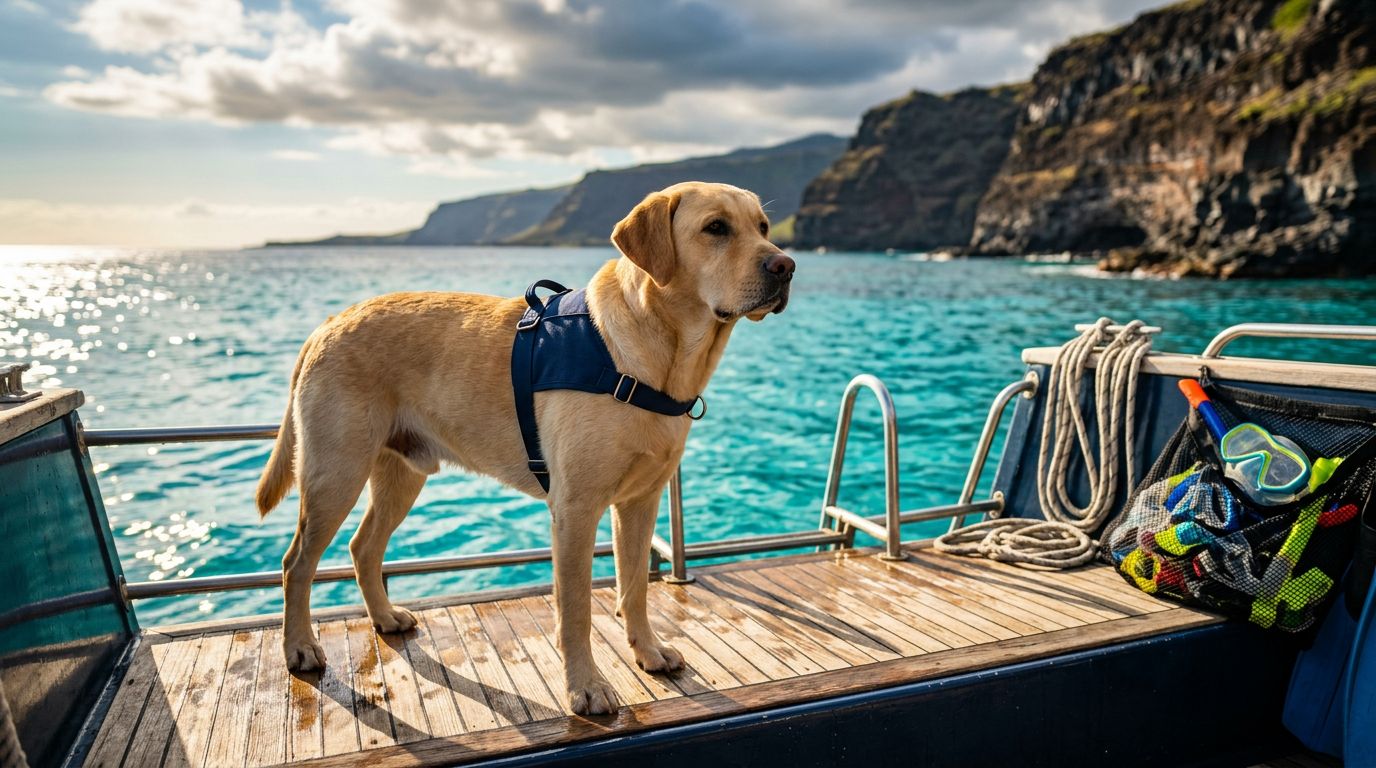
A service animal snorkel tour requires more planning than a standard boat excursion, especially when the trip includes a small vessel, ocean spray, ladders, and time in the water. If you’re considering a Captain Cook snorkeling trip from Kona, you’ll need to understand both your public-access rights and the boat’s safety limits.
In most cases, a trained service dog may accompany you in public areas of a commercial tour. However, that doesn’t automatically mean the dog can enter the ocean, ride on every part of the vessel, or remain onboard without advance planning. The details matter, so start with the legal definition and then speak directly with the operator.
Key Takeaways
- A trained service dog is generally allowed to accompany you in public areas of a commercial passenger vessel.
- Emotional support animals and pets don’t receive the same access rights under the ADA.
- The dog must remain under control, housebroken, and safe around other passengers.
- Snorkeling in the ocean creates separate safety concerns. Ask whether the animal can remain onboard during the swim portion.
- Hawaii has separate entry requirements for service dogs arriving from outside the state.
- Contact the tour company before booking so the crew can discuss boarding, relief arrangements, and emergency procedures.
Can You Bring a Service Animal on a Captain Cook Snorkel Tour?
Usually, yes, if your animal meets the ADA definition of a service animal and can safely accompany you on the vessel.
Under federal law, a service animal is generally a dog trained to perform specific work or tasks for a person with a disability. The task must relate directly to the person’s disability. A dog trained to alert you to a medical condition, interrupt a dangerous behavior, retrieve an item, or guide you around obstacles may qualify.
A dog that provides comfort through its presence alone does not qualify as a service animal under the ADA. That includes many emotional support, therapy, and companion animals, even when they are important to their owners.
The ADA National Network’s service animal guide explains the difference between trained service animals and emotional support animals. You can use that distinction when discussing your needs with a tour operator.
Commercial tour companies generally must allow a qualified service animal in areas where customers are normally permitted to go. That can include the check-in area, boarding area, passenger seating, and other accessible public spaces on the boat.
The ocean portion is more complicated. A service dog may be permitted onboard while you snorkel, but a dog isn’t automatically entitled to enter the water. Swimming near reefs, jumping from a boat, using a snorkel ladder, or riding on a small flotation platform may create risks that the crew must assess.
What the law does not require
A tour company cannot normally require you to show a service-animal certificate, registration card, medical document, or special vest. There is no universal ADA service-animal registry.
If your disability or the dog’s work is not obvious, staff may ask only:
- Is the dog required because of a disability?
- What work or task has the dog been trained to perform?
They cannot ask you to disclose your diagnosis. They also cannot demand a demonstration of the task.
The U.S. Department of Justice guidance on service animals states that service animals must be allowed in areas where customers are normally permitted, subject to specific safety and behavior limits.
Why Snorkeling Tours Need Extra Planning
A land-based business and a small snorkel boat don’t present the same physical conditions. The vessel may move through open water, passengers may walk on wet surfaces, and the crew may need to respond quickly during an emergency.
On a Captain Cook snorkeling trip, you may board at a harbor, travel along the Kona coast, and enter the water near Kealakekua Bay. Depending on the boat, boarding could involve a narrow step, a ramp, a dock transition, or a ladder. The crew needs to know whether your dog can manage those conditions without creating a fall risk.
The dog also needs a safe place during the ride. A wet deck, engine noise, wind, spray, and crowded seating can overwhelm even a well-trained animal. Some dogs remain calm under these conditions. Others need a quieter position away from the boarding area and swim entry point.
A service animal can be excluded if it is out of control, isn’t housebroken, or creates a legitimate safety risk that the handler cannot address. The operator cannot exclude the dog because another passenger feels uncomfortable. However, the crew can respond to actual behavior and safety concerns.
The U.S. Department of Transportation’s passenger vessel guidance addresses service animals on passenger vessels. It also makes clear that the handler remains responsible for the animal’s care and supervision.
Can the dog go snorkeling?
You should assume the dog will need to stay out of the water unless the tour company specifically approves another arrangement.
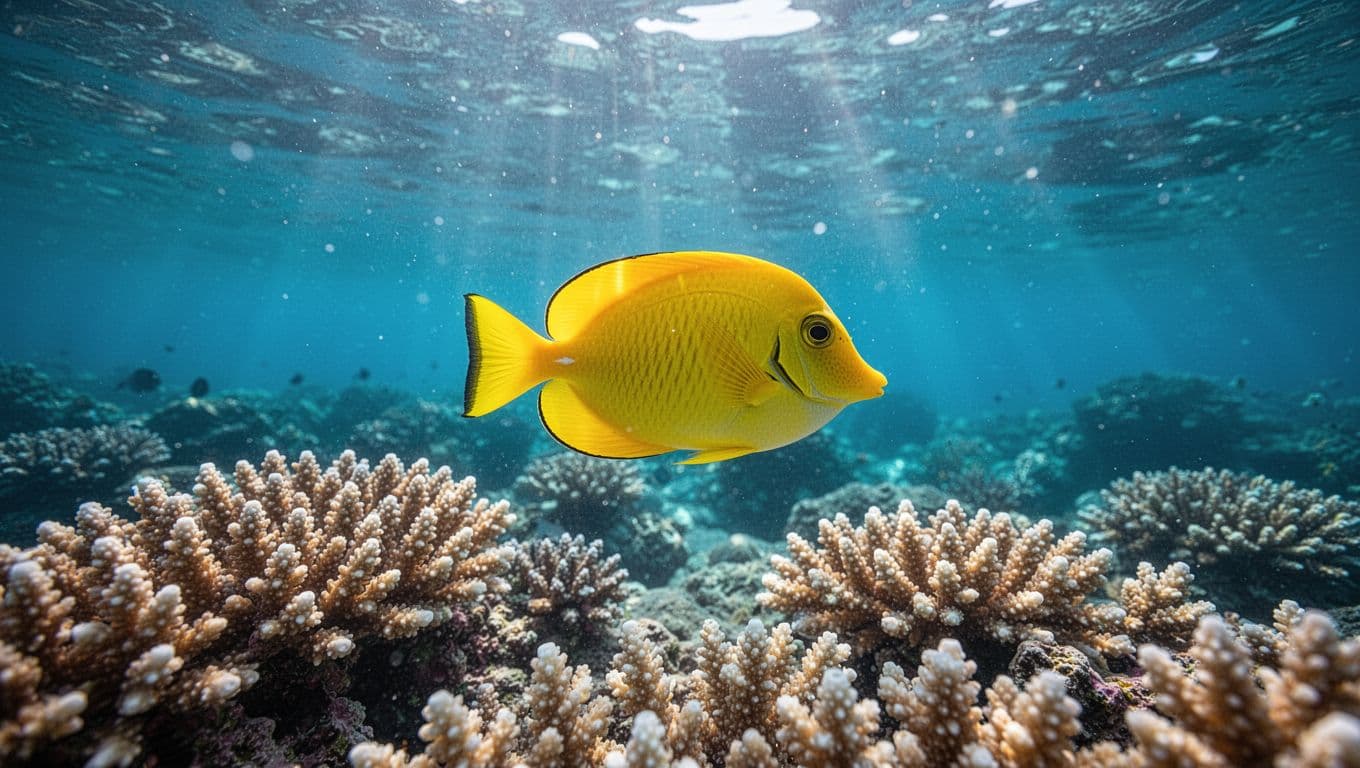
A dog in the ocean can struggle with waves, currents, saltwater, fins, masks, and nearby swimmers. The animal could also interfere with emergency procedures or move toward protected marine life. Reefs and marine sanctuaries require careful visitor behavior, so allowing a dog into the water may change how the crew manages the site.
The crew may offer a practical plan instead. You could snorkel while another trusted adult stays onboard with the dog. If you’re traveling alone, ask whether a crew member can supervise the dog. Don’t assume that option exists, because tour crews have navigation, safety, and passenger duties throughout the trip.
The dog must remain with you or with a person you designate. The operator isn’t responsible for feeding, watering, relieving, or supervising the animal.
Service Animals Versus Emotional Support Animals
Many travelers use the terms service dog and emotional support dog interchangeably. Tour companies must treat them differently under federal access rules.
A service dog performs trained tasks related to a disability. An emotional support animal may help its owner through companionship and comfort, but it hasn’t necessarily received task training. That difference determines whether the animal receives ADA public-access protection.
A vest doesn’t decide the issue. Some service dogs wear vests, while others don’t. Likewise, an identification card doesn’t prove that a dog qualifies. The relevant questions concern the person’s disability-related need and the animal’s trained work.
For example, a dog trained to alert you before a seizure may qualify. A dog that helps you feel calmer during a boat ride may not qualify unless it also performs a specific disability-related task.
You should answer the operator’s questions clearly and briefly. A simple explanation of the trained task is enough. You don’t need to provide private medical details.
If your animal is an emotional support animal or pet, the operator may apply its own pet policy. On a small snorkel boat, that policy may prohibit the animal because of space, sanitation, insurance, or safety concerns.
What to Ask Before Booking
A phone call or written message can prevent problems at the dock. Tell the company that you’re traveling with a trained service dog and ask for a specific boarding plan.
Use these questions to guide the conversation:
- Is the service dog allowed on the boat and during the full excursion?
- Where can the dog remain while you’re snorkeling?
- Can the dog use the boarding area safely?
- Is there a covered or shaded location onboard?
- Is the deck too narrow or wet for the dog’s mobility needs?
- Can another adult supervise the dog during your swim?
- What happens if the water conditions change?
- Are there limits on the number of service animals onboard?
- Does the vessel have a suitable place for the dog to relieve itself?
- Should you bring a towel, water bowl, waste bags, or protective footwear?
Be precise about your needs. “My dog is a service animal” tells the operator the legal category, but it doesn’t explain whether you need help with boarding, seating, supervision, or access to the water entry point.
Also ask about the boat itself. A larger vessel may offer more room, while a smaller boat may provide a more personal experience but less space for movement. Neither option is automatically better. The right choice depends on your dog’s size, behavior, task, and your own mobility needs.
Kona Snorkel Trips and Captain Cook Excursions
Kona Snorkel Trips offers guided ocean adventures around the Big Island, including reef snorkeling, Captain Cook trips, manta ray experiences, private charters, and seasonal whale watching. The company focuses on small-group service, lifeguard-certified guides, quality equipment, and reef-safe practices.
For a Captain Cook outing, the destination is Kealakekua Bay, where clear water and volcanic coastline create excellent snorkeling conditions. You can review the company’s Big Island snorkeling tours before contacting the team about your service animal.
The company’s guides manage changing ocean conditions and passenger safety throughout the trip. That makes an advance conversation especially useful. The crew can discuss whether your dog can remain safely onboard while you swim and whether the specific boat fits your access needs.
A private charter may offer more flexibility than a shared excursion. With fewer passengers, you may have more control over timing, seating, boarding assistance, and who supervises your dog during the snorkeling portion. Private trips still need to follow safe operating practices, but the conversation can focus more closely on your group.
You can also ask about the private Kona tour options if a shared boat creates too many complications. A private trip may cost more, but it can reduce crowding and make the day easier to manage.
When you’re ready to compare dates and tour options, you can check availability before contacting the crew about your dog.
Preparing Your Service Dog for the Boat
Your dog may be highly trained on land but unfamiliar with open-ocean travel. Preparation can make the trip safer and less stressful.
Before booking, consider how your dog responds to moving surfaces, loud engines, wind, crowded spaces, and unfamiliar people. A short boat ride or harbor visit may help you identify concerns before committing to a longer excursion.
Bring the supplies your dog normally needs. That may include fresh water, a collapsible bowl, waste bags, towels, medication, treats, a familiar mat, and a suitable harness or leash. Keep the dog’s gear compact so it doesn’t block walkways or emergency access.
Your service dog should remain under control throughout the excursion. A leash or harness is usually appropriate. If your disability prevents you from using one, discuss the alternative control method with the operator ahead of time.
The dog should also have a reliable relief plan. Boats don’t offer the same facilities as hotels or parks. Ask where and when the dog can relieve itself before departure. Never allow waste to enter the ocean or collect on the deck.
Saltwater creates another concern. Dogs may try to drink seawater, which can make them sick. Rinse the dog with fresh water if it gets wet, and keep it away from snorkel gear, fins, and areas where passengers enter the water.
Because a snorkel tour can last several hours, think about heat and shade. A dark deck can become hot in direct sun, while a dog’s paws may be sensitive to warm surfaces. Ask whether a shaded area is available and watch for signs of stress.
Hawaii Entry Requirements for Service Dogs
If you’re flying to Hawaii with a service dog, plan for the state’s animal-entry requirements before you plan your boat tour.
Hawaii has strict rules designed to prevent the introduction of rabies. The Hawaii Department of Agriculture requires steps that can include a current rabies vaccination, an electronic microchip, a passing rabies antibody test, and health documentation. Timing matters because some paperwork and test results must be completed well before travel.
The state’s service dog entry requirements are separate from the ADA rules that apply once you and your dog are legally in Hawaii. Meeting ADA requirements doesn’t replace Hawaii’s import requirements.
Start with your veterinarian and the Hawaii Animal Quarantine Station. Ask about current forms, test timing, inspection procedures, and airline requirements. Rules can change, and an incomplete document can create delays at the airport.
If you’re already on the Big Island with your service dog, the state-entry issue may already be resolved. You’ll still need to follow the tour company’s safety instructions and discuss the dog’s needs before departure.
Travelers arriving from another Hawaiian island should also confirm airline and inter-island travel requirements. Keep copies of your dog’s records with you, even when you don’t expect the tour company to request them.

Choosing the Right Captain Cook Snorkeling Plan
Your best option depends on how your service dog supports you.
If the dog must stay physically close to you at all times, an ocean swim may be difficult. You may need to remain onboard, snorkel from a location where the dog can safely accompany you, or arrange for a trusted person to supervise the animal while you enter the water.
If your dog performs a medical-alert task, ask how the crew will respond if the dog alerts during the trip. Explain what the alert looks like and what assistance you may need. A short briefing helps the crew respond without guessing.
A private tour may work well when you need more room or a flexible pace. A shared tour may still be suitable when your dog is calm, compact, and comfortable around other passengers. The operator can help you compare the practical differences.
Kealakekua Bay is a popular destination, so the boat may carry passengers with different swimming abilities and comfort levels. The crew must keep boarding areas clear and help maintain safe movement around the vessel. Your dog’s position should support those procedures rather than interfere with them.
You can learn more about the Captain Cook snorkeling tour and then ask which departure best fits your needs. Don’t book first and explain the service animal at the dock. Advance notice gives everyone time to prepare a workable plan.
When the Operator Can Say No
A company can’t deny access because it dislikes service animals or prefers not to accommodate disabilities. However, the ADA recognizes limited reasons for exclusion.
The dog may be removed if it is out of control and you don’t take effective action. Repeated barking, lunging, snapping, running through passenger areas, or disruptive behavior may create a legitimate safety concern.
The operator may also act if the dog isn’t housebroken. A single accident can be handled differently from a continuing sanitation problem, but you remain responsible for cleanup and care.
Safety is the main issue on a moving boat. If the animal blocks emergency equipment, interferes with crew duties, creates a fall hazard, or cannot remain safely secured, the crew may need to change the arrangement or exclude the dog from part of the experience.
The operator may not charge a separate pet fee for a service animal. You can still be responsible for damage caused by the dog, just as any passenger may be responsible for damage they cause.
If the company says the dog cannot join the excursion, ask for the reason and whether another departure, boat, or private option would work. Keep the conversation focused on the actual safety issue and a reasonable solution.
Is a Captain Cook Snorkel Trip Right for You?
Snorkeling Big Island Hawaii is an exciting part of a Kona vacation, but a service animal may change how you plan the day. A boat trip can work when the dog can remain calm, controlled, and safe onboard while you follow the crew’s instructions.
You might choose to snorkel Big Island reefs from shore if boarding a boat creates too many barriers. Shore access can remove concerns about vessel movement, narrow decks, and relief arrangements, although beach terrain and ocean conditions still require planning.
For travelers who want a guided boat experience, ask about the vessel, boarding method, dog’s location, shade, supervision, and water access. Those details are more useful than a general yes or no.
The same approach applies when snorkeling Big Island waters at other destinations. A service dog’s legal access is only one part of the decision. Your comfort, the dog’s behavior, and the crew’s safety plan all matter.
Conclusion
You can often bring a qualified service dog on a Captain Cook snorkeling tour, but you should arrange the details before arriving at the harbor. The dog may accompany you in public areas of the boat, while ocean entry, supervision, and safety require a separate conversation.
Confirm that your dog meets the ADA definition, keep it under control, and ask the operator for a clear onboard plan. With the right preparation, you can enjoy Kealakekua Bay while respecting your dog’s needs, your fellow passengers, and the fragile reef environment.