
Sea Turtle Etiquette for Kealakekua Bay Snorkeling
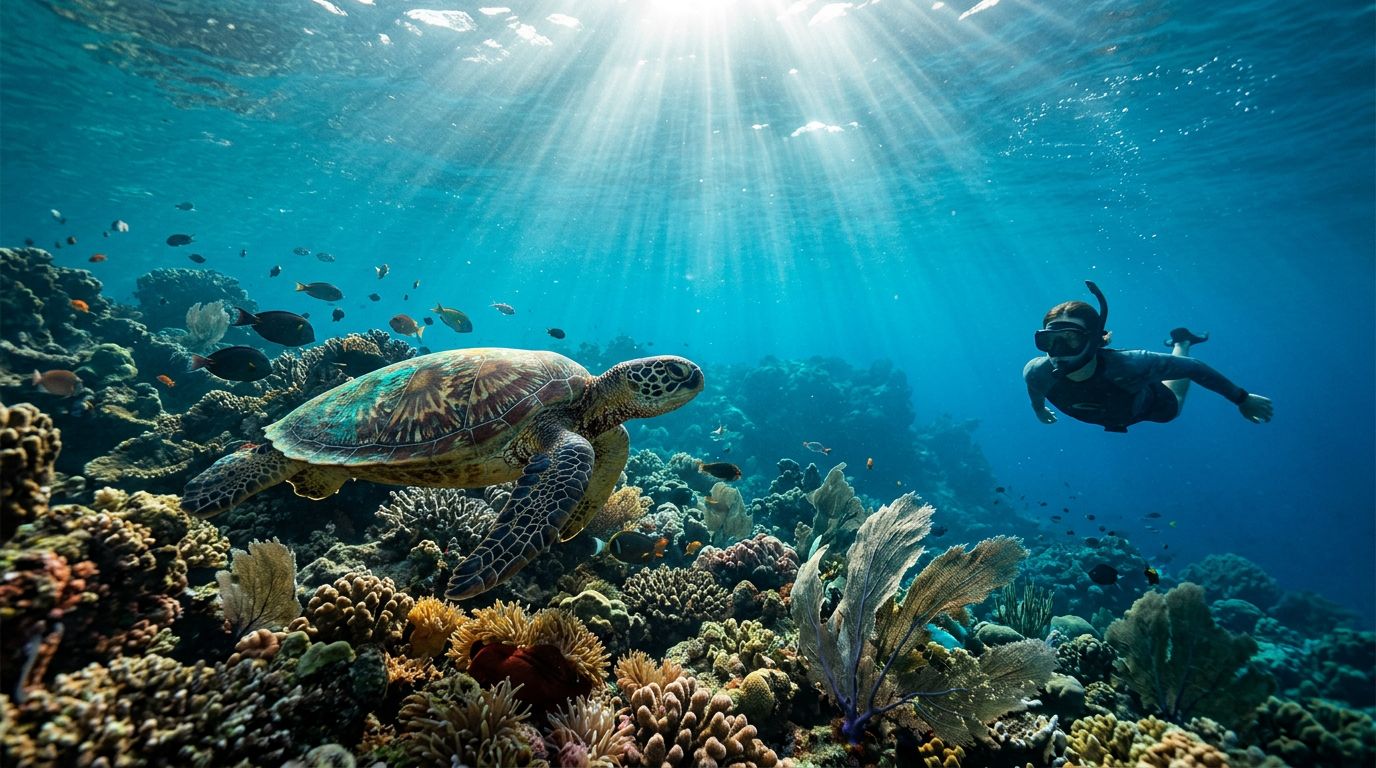
When you plan Kealakekua Bay snorkeling, the way you move in the water matters as much as the reef itself. Kona Snorkel Trips is a strong place to start if you want a small-group day on the water with guides who keep the pace calm and clear.
That matters because many people search for snorkeling Big Island Hawaii and expect the ocean to do all the work. It helps, but your habits still shape the experience, especially when a sea turtle, or honu, comes close.
The good news is that turtle etiquette is simple once you know the rhythm. Float, watch, give space, and let the animal decide the distance.
Why turtle etiquette matters in Kealakekua Bay
Kealakekua Bay is beautiful because it is alive. The bay holds coral, fish, and regular turtle visitors in a fairly small space, so every kick and every sudden move can affect what happens next.
The state treats this area as a marine life conservation district. The DLNR Kealakekua Bay page explains the protections, and those rules match what respectful snorkelers already do. Stay off the reef, avoid fish feeding, and keep your encounter passive.
That passive approach helps you more than you might expect. A relaxed turtle usually gives you better views than a startled one. It moves at a steady pace, pauses often, and stays in the area longer when swimmers don’t crowd it.
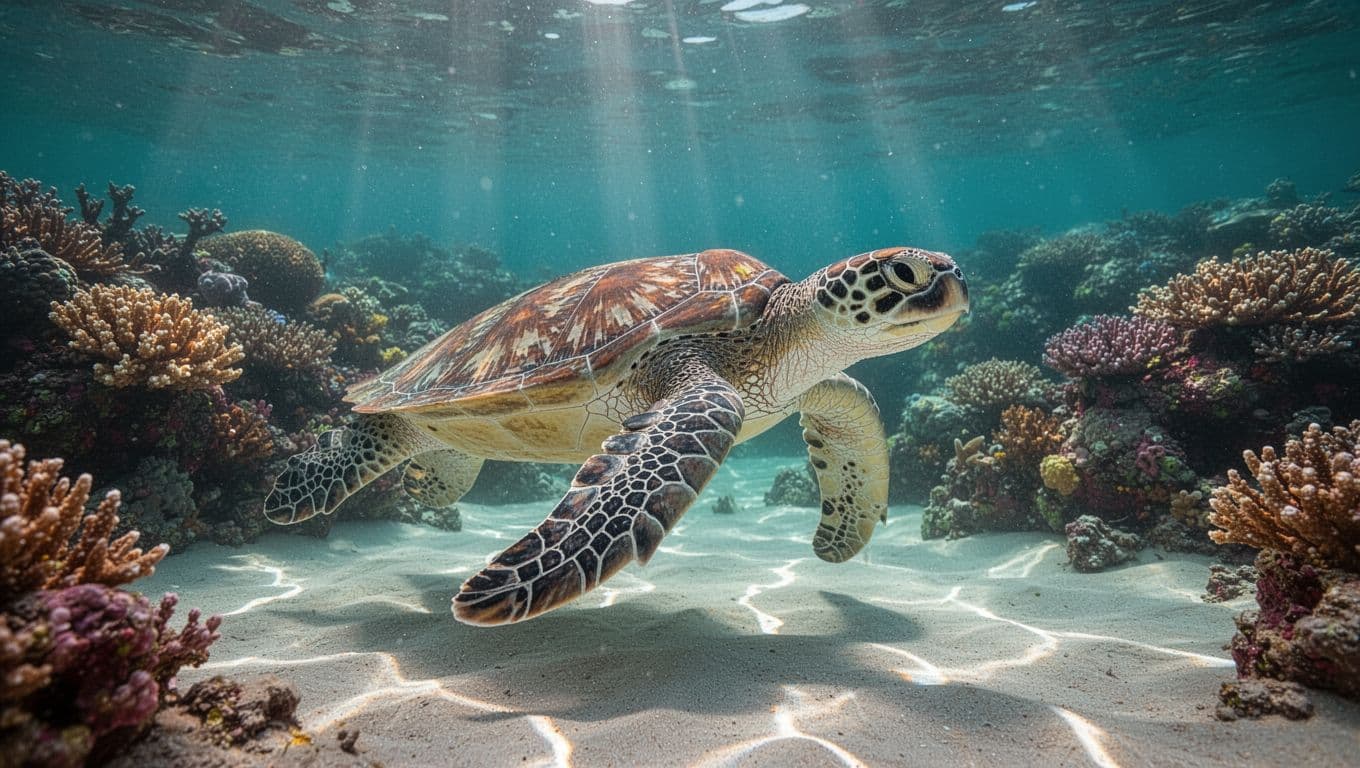
If you remember one thing, make it this: your goal is not to get closer. Your goal is to stay calm enough that the turtle barely changes course because you are there.
How to watch a honu without crowding it
The easiest way to respect a turtle is to become less noticeable. Keep your body flat, slow your fins, and stop adding pressure to the water when you spot one. Fast kicks and upright swimming make you look bigger and feel closer.
A better approach is simple.
- Stop kicking as soon as you see the turtle.
- Float level and keep your chest low in the water.
- Let the turtle come into view on its own.
- Drift wider if it changes direction or starts surfacing more often.
That little pause does a lot. It gives the turtle room to feed, breathe, and move without feeling boxed in. It also helps you take in the scene instead of rushing through it.
For a deeper refresher on safe spacing, our guide to snorkeling with turtles gives you practical distance rules you can use anywhere in Hawaii.
If your movement changes the turtle’s path, you are already too close.
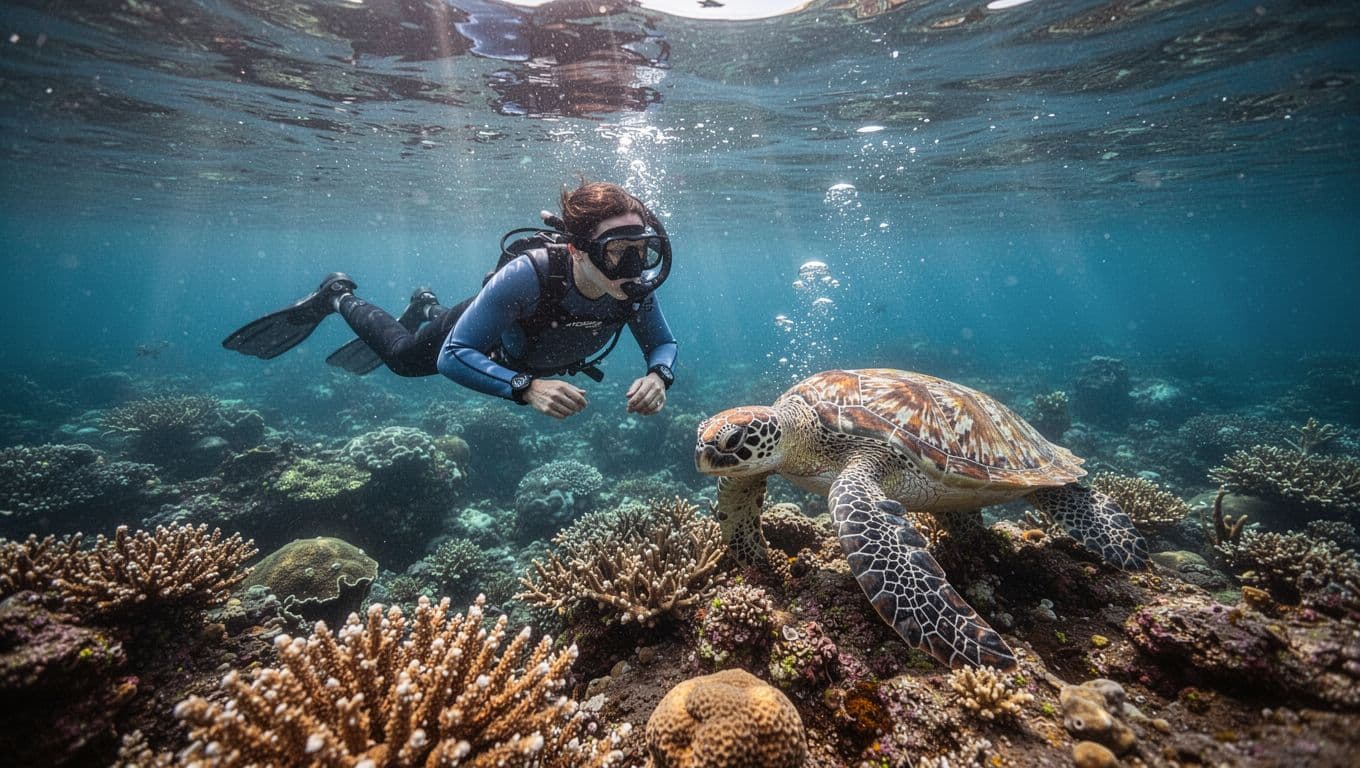
That advice sounds basic, but it works because it removes pressure. You do less, and the turtle gets more room.
The clearest signs you are too close
Turtles usually tell you when they want more space. You only need to watch their behavior for a few seconds. If the turtle speeds up, turns away, changes depth, or stops feeding because you drifted in, back off right away.
A quick way to read the scene is below.
| What you notice | What it means | What you should do |
|---|---|---|
| The turtle turns away | It sees you as part of the problem | Drift wider and hold position |
| The turtle surfaces sharply | It wants a cleaner breathing path | Stop moving and give more room |
| The turtle stops feeding | Your presence may be causing stress | Move out of its line of travel |
| Other snorkelers cluster around | The group is crowding the same space | Spread out and reset the scene |
This is where a little self-control pays off. If you want a photo, wait for the turtle to settle. If you want a better angle, move your body, not the animal.
The Captain Cook snorkeling page also gives a useful local view of how much better the bay feels when the group stays spread out. That calm spacing is part of what makes Kealakekua Bay snorkeling so good in the first place.
When you are unsure, use a simple rule. If you can see the turtle clearly, you are close enough.
Reef-safe habits that help before you enter the water
Good turtle etiquette starts on shore. If you show up with the wrong gear or a rushed mindset, you create problems before you even jump in.
Start with reef-safe sunscreen or, better yet, a rash guard and sun shirt. That lowers the amount of lotion you need and keeps more residue out of the water. Then check your fins, mask, and snorkel. Bad gear makes people kick harder, and hard kicking sends silt into the water and pushes you toward the reef.
Timing matters too. Morning trips often feel calmer, which helps when you want clear views and less chop. Many travelers look for snorkeling Big Island options without thinking about the weather window, but calm water makes a big difference when you are trying to avoid crowding a turtle.
If you want a broader local overview of the bay, our Kealakekua Bay snorkeling guide for 2026 covers conditions and timing in more detail. It is useful if you are comparing when to go and how to pace the day.
You should also listen closely to the boat briefing. Good guides explain where to enter, how to group up, and how to stay clear of the reef. That may sound small, but clear direction lowers stress for everyone in the water.
When you snorkel Big Island waters with a plan, your best encounters usually last longer. You waste less energy, stay steadier, and give marine life more room to behave naturally.
Choosing a guided trip that keeps the bay calmer
A solid guide makes turtle etiquette much easier. Kona Snorkel Trips follows a small-group, reef-first approach, and that matters in a place like Kealakekua Bay. You get clearer instructions, better spacing, and less chaos at the surface.
That is helpful for families, couples, and solo travelers alike. If you snorkel Big Island with people who move at different speeds, a guide keeps the whole group from bunching up around one animal or one patch of reef.
If you want to see dates, you can check availability before you decide.
Kona Snorkel Trips keeps the focus on safety, small groups, and reef respect. That combination fits the kind of day you want when the main goal is seeing wildlife without pushing it around.
If Kealakekua Bay is your main reason for going out, the Captain Cook Snorkel Tour is the most direct fit. It puts the bay at the center of the day and gives you a structured route into one of the best snorkeling spots on the island.
For that trip, you can check avaialbility and look at the options that match your travel dates.
Captain Cook Snorkeling Tours is another name many visitors hear when they research the bay, and for good reason. Kealakekua draws people who want clear water and a meaningful underwater day, but the best trips still depend on restraint. The right operator keeps the group loose, the pace easy, and the turtles in charge of their own space.
Small-group manners for families and couples
Turtle etiquette gets easier when everyone in your group knows the same rules. Families often struggle because one person spots a turtle and everyone else rushes toward it. Couples do it too, especially when one person wants a photo and the other wants a closer look.
A few simple habits fix most of that.
- Stay side by side, not behind the turtle.
- Point the turtle out quietly instead of splashing toward it.
- Let the most stable swimmer lead the group.
- Agree on a no-touch, no-chase rule before you enter the water.
You do not need to turn the trip into a lecture. One short reminder before you get in is enough. Tell the group that the best sighting is the one where the turtle keeps feeding or gliding as if you were never there.
This matters even more when kids join the snorkel. Children often react fast and loud, which is normal, but the water rewards slower movement. Give them a simple goal, like matching their breathing to the calmest adult in the group.
Families and couples who slow down usually see more. They also leave the bay with a better memory, because the encounter feels natural instead of forced.
Conclusion
Sea turtle etiquette in Kealakekua Bay comes down to one habit, give the animal room to stay itself. When you float calmly, keep your distance, and avoid chasing for a better angle, you protect the reef and improve your own view.
That is the real draw of Kealakekua Bay snorkeling. You get a rare chance to share water with a honu without crowding it. The best moments happen when you stop trying to control them.
If you remember the bay as a place where patience works better than speed, you are already doing it right.