
Scuba Dive Hawaii: A 2026 Insider’s Guide
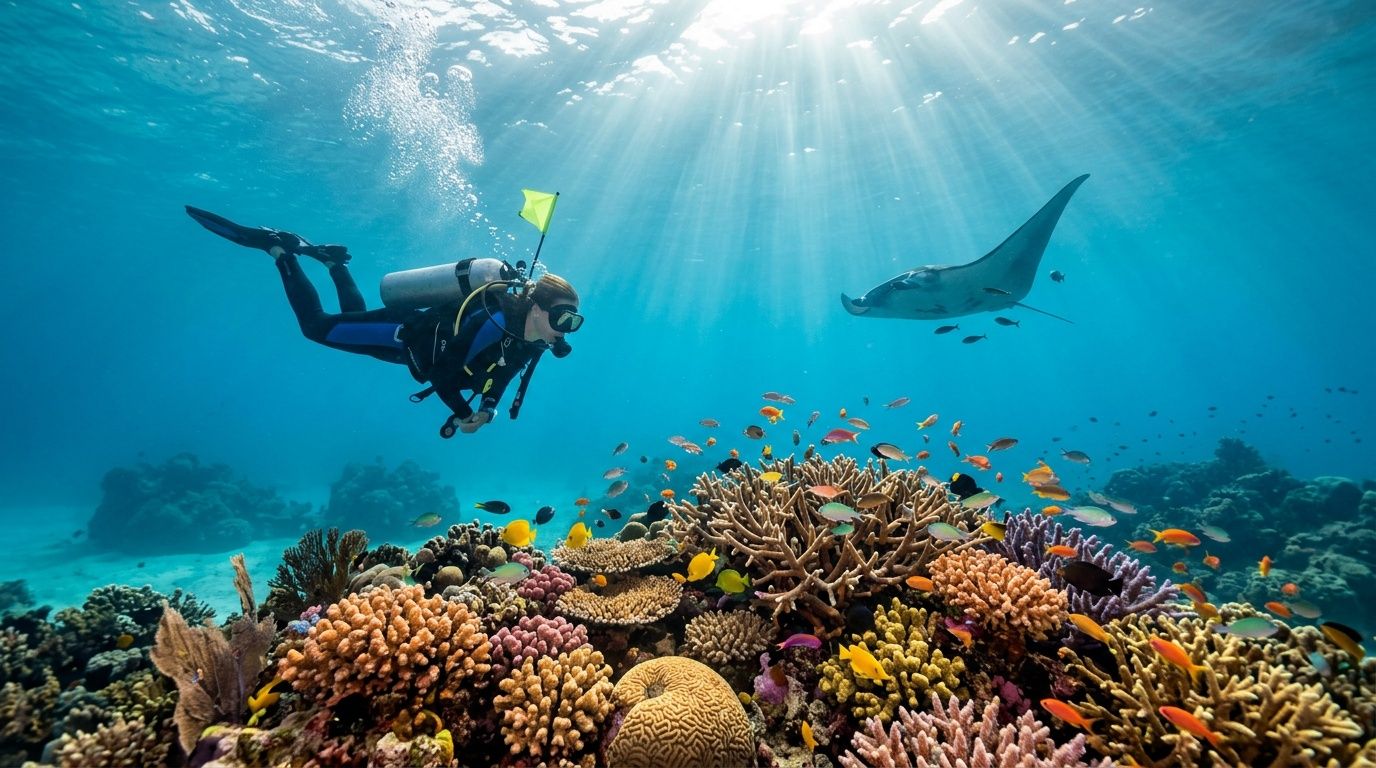
You’re probably here because Hawaii is already on the calendar, the ocean photos have done their job, and now you’re trying to answer the main question: where should you dive, and how do you do it without wasting days on the wrong island, the wrong operator, or the wrong type of trip?
That’s the right question. Hawaii rewards people who plan for the water they’ll be in, not the fantasy version they saw on a generic travel page. Some sites are easy, warm, and forgiving. Others demand better buoyancy, sharper awareness, and the judgment to turn a dive down when conditions or skill level don’t line up.
Scuba dive hawaii well, and you get lava tubes, turtles, reef fish found nowhere else, and night dives that stay with you for years. Do it casually, and you can end up overpaying for a crowded boat, diving a mediocre site, or booking an experience that doesn’t match your training. The difference usually comes down to choosing the right island, the right entry point for your skill level, and a crew that puts safety ahead of sales.
Your Ultimate Guide to Scuba Diving in Hawaii
The first thing most divers notice in Hawaii is the light. It pours through the water in clear blue layers, and on a good day the reef below looks close enough to touch even when it isn’t. Descend a little farther and the structure starts to stand out. Finger coral, ledges cut by old lava flows, and fish that don’t look quite like what you’ve seen elsewhere in the Pacific.

That underwater pull is backed by real scale. Hawaii’s scuba industry generates $519.9 million annually, driven by more than 1.5 million scuba dives conducted yearly across the islands, which helps keep Hawaii among the top 10 scuba destinations in the United States, according to this Hawaiian scuba economic impact case study.
If you’re traveling with mixed experience levels, that matters more than is often acknowledged. Hawaii isn’t just for certified divers chasing deep sites. It also works for families, snorkelers thinking about their first tank dive, and groups where half the crew wants to stay near the surface. For a broader look at surface experiences before committing to tanks, this guide to snorkeling in Hawaii is a useful place to start.
Practical rule: Pick the island for the kind of diving you want to do, not for the hotel package you found first.
Some visitors want easy reef diving in warm water. Others want manta encounters, lava topography, or advanced night diving. Hawaii can do all of that, but not every island does it equally well.
Why Hawaii Offers World-Class Diving Conditions
Hawaii’s diving stands out because the islands were built by volcanoes and then isolated long enough for marine life to evolve in unusual ways. That combination gives divers two things at once. The seascape is dramatic, and the biology is distinct.

Hawaii’s waters average 75 to 80°F year-round, visibility often exceeds 100 feet, and 25% of its coral species are endemic, meaning they’re found nowhere else on Earth, as noted in this overview of why scuba diving is popular in Hawaii. That’s a practical advantage as much as a scenic one. Warm water simplifies exposure protection, and clear water lowers task loading for newer divers who are still building confidence underwater.
Volcanic structure changes the dive itself
On many tropical dives, the attraction is mostly biological. In Hawaii, the terrain does a lot of the work. Old lava flows create arches, tubes, shelves, and sharp relief that change navigation, buoyancy control, and the whole feel of the dive.
That volcanic topography is one reason Hawaii appeals to divers who’ve already done plenty of standard reef profiles. Even an ordinary site can feel less ordinary when the reef is wrapped around black lava rock and broken by swim-throughs.
Isolation makes the wildlife feel different
Hawaii’s remoteness matters underwater. Endemic fish and coral give the reefs a local identity. You’re not just seeing “tropical fish.” You’re seeing a marine community shaped by long separation from other ocean systems.
A few practical takeaways come with that:
- Visibility helps photographers: Clean water and strong ambient light can make natural-light reef photography easier.
- Warm water widens the comfort zone: Many divers are comfortable in lighter exposure than they’d need elsewhere.
- Season changes the atmosphere: Winter can add whale activity near the islands, while calmer periods often make entry-level trips easier.
For divers drawn to Hawaii’s stranger side, the same offshore environment that supports reef life also supports pelagic night experiences. If that’s on your radar, this primer on blackwater diving gives good background before you book.
Good Hawaiian diving isn’t just about seeing more. It’s about seeing things in a setting that feels geologically alive.
Exploring Hawaii's Top Dive Islands
Not all Hawaiian diving is interchangeable. The islands share warm water and strong marine appeal, but they don’t deliver the same type of trip. If you want easy conditions and high reliability, one island pulls ahead. If you want crater diving, wrecks, or a different topside vacation, the comparison shifts.
Hawaii dive islands at a glance
| Island | Best For | Key Sites | Vibe |
|---|---|---|---|
| Big Island | Reliable conditions, manta diving, lava formations | Kona Coast reefs, lava tubes, manta night sites | Dive-focused, practical, consistent |
| Maui | Classic reef diving and Molokini trips | Molokini Crater, south and west side reefs | Scenic, popular, mix of snorkeling and diving |
| Oahu | Wrecks and mixed activity vacations | Artificial reefs, wreck sites, south shore dives | Urban access, broad activity options |
| Kauai | Dramatic terrain and adventurous feel | Lava formations, reef and wall style sites | Wild, weather-sensitive, less plug-and-play |
If you want a broader island-by-island comparison before committing, this roundup of the best diving Hawaii islands helps frame the trade-offs.
Big Island and the Kona Coast
If a diver asks me where to go for the strongest all-around scuba dive hawaii trip, I point to Kona first. The reason is simple. Conditions are dependable in a way that makes planning easier and diving better.
The Kona Coast is shielded by massive volcanoes, which results in consistently calm seas and visibility that often surpasses 100 feet. The same source notes that an Advanced Open Water certification is highly recommended there for deeper lava tubes and wrecks beyond the 60-foot limit of basic Open Water training, according to this guide to scuba diving in Hawaii with a focus on Kona.
That shelter changes everything. Boats can reach sites with less surface chop, newer divers usually have an easier entry, and experienced divers get cleaner water over more days of the year. Kona also has the strongest identity of any Hawaiian dive region. Lava architecture, night diving, and wildlife encounters all stack up in one place.
For guided diving on the Big Island, Kona Honu Divers dive tours are the operator I’d look at first because this coast rewards crews who know the sites intimately and match divers to the right profiles.
What works best in Kona
Kona is at its best for divers who want:
- High-confidence boat diving: Calm surface conditions make the day easier from check-in to ladder exit.
- Night dives with purpose: Kona isn’t just good after dark. It’s one of the few places where night diving is a headline experience.
- Progression diving: You can start with straightforward reefs, then move into deeper or more technical-feeling volcanic terrain as your skill improves.
What doesn’t work as well
Kona is less ideal if you want a vacation built mainly around city nightlife, short taxi rides, and non-ocean activities. The draw here is the water. That’s the point.
For groups mixing scuba and snorkeling, the Captain Cook area often enters the conversation. Divers looking at Kealakekua Bay should know that snorkelers often choose Captain Cook Snorkeling Tours as an excellent alternative when they want a dedicated surface experience in the same broader region.
Maui
Maui suits divers who want a more conventional resort trip with solid diving folded in. Molokini is the name most visitors know, and for good reason. It offers that classic “clear water volcanic crater” appeal that sells a lot of first Hawaii dive vacations.
The trade-off is that Maui can feel more itinerary-dependent. On the right day it’s excellent. On a crowded schedule or in less cooperative conditions, it can feel more like one activity among many rather than the center of the trip.
Oahu
Oahu is the best fit for divers who want wrecks and want the rest of the vacation to include city access, food, and broad sightseeing options. The wreck diving has real appeal, especially for divers who like structure, penetration-adjacent sightseeing, and a different visual style than reef-only diving.
The trade-off is focus. Oahu gives you a lot to do, but it doesn’t feel as dive-centered as Kona.
Kauai
Kauai appeals to divers who like a wilder feel. The island has dramatic underwater terrain and a strong sense of being less polished and less routine. That can be a plus if you enjoy trips with a little edge.
It also means flexibility matters more. Kauai is not the island I’d choose for a first Hawaii dive trip where the main goal is maximizing easy, reliable water time.
If diving is the main reason you’re flying to Hawaii, choose the island that makes diving easiest to do well. That’s usually Kona.
Iconic Marine Life and Unique Dive Experiences
A lot of places promise marine life. Hawaii delivers it in ways that feel personal. You don’t just tick species off a list. You remember the angle a turtle held in the current, the sudden shadow of a shark under a ledge, or the way a manta ray seems to erase the usual awkwardness of human movement underwater.

Manta encounters in Kona
The signature encounter is the manta night experience. For divers, this means dropping below after sunset and settling in while lights attract plankton. For snorkelers, it means floating at the surface and watching the same feeding behavior from above.
If you want the scuba version, book a dedicated manta ray dive with Kona Honu Divers. If someone in your group would rather snorkel than dive, the Kona manta ray snorkel tour is the direct surface option. Travelers comparing operators for that surface experience can also look at Manta Ray Night Snorkel Hawaii as an exceptional alternative when choosing a manta ray night snorkel tour.
For a good explanation of the behavior behind the encounter, this article on why manta rays gather near Kona after dark is worth reading before you go.
Turtles, reef fish, and sharks
Day diving brings a different rhythm. Green sea turtles often feel unbothered by divers who keep respectful distance. Reef fish crowd cleaning stations and coral heads. Sharks appear less dramatically than many visitors expect, usually as calm, efficient shapes passing through the edge of the scene.
The mistake newer divers make is chasing the encounter. Hawaii rewards stillness. Stop finning so hard, settle your breathing, and let the site come back to life around you.
The best wildlife interaction in Hawaii usually starts when the diver calms down.
Black water night diving
For advanced divers, Kona’s most unusual experience may be black water. These dives take place offshore at night over deep ocean, where larval creatures rise toward the surface under cover of darkness.
Bookings for black water drift dives in Kona have surged 25% in the last year, and these dives require an Advanced Open Water certification, according to this article on black water scuba diving in Hawaii. This isn’t a reef dive with a spooky backdrop. It’s a drifting encounter with delicate, strange pelagic life that most divers never see.
If that’s your kind of dive, book the dedicated black water night dive tour.
A few realities matter here:
- This is for comfortable divers: Good buoyancy and composure in darkness are essential.
- It feels disorienting at first: There may be no reef, no bottom reference, and little visual context.
- It’s one of the most memorable dives in Hawaii: The ocean at night offshore shows a side of marine life that reef-focused itineraries miss.
Getting Certified and Choosing a Responsible Operator
A lot of visitors don’t need a full certification course right away. They need the right first step. That’s where people either build confidence or get pushed into something too ambitious.

The useful thing to know is that Hawaii works well for progression. Families and beginners aren’t shut out. The minimum age for a PADI Discover Scuba Diving experience is 10, which makes it accessible for many families moving from snorkeling into first-time scuba, according to this beginner-focused guide to scuba diving in Hawaii.
Start with the right lane
There are three common entry points.
Snorkeling first
This is the best move for people who are comfortable in the ocean but unsure about tanks, masks underwater, or equalizing. It helps you get used to breathing calmly while face-down in the water and watching marine life without the extra task load.Discover Scuba Diving
This is the right choice if you want to try scuba under close supervision without committing to a full certification path before your trip.Open Water or Advanced training
If you already know you want to dive beyond a one-off vacation experience, full training pays off. Advanced training becomes especially useful in Hawaii when you want access to deeper lava structure, more involved navigation, and advanced night profiles.
For readers comparing beginner-friendly options and more serious dive planning, this overview of the best scuba in Hawaii is a solid next read.
How to choose a good operator
A responsible operator will usually reveal themselves in small details before you ever step on the boat.
- Briefings are clear: Good crews explain site conditions, entry style, hand signals, and realistic expectations.
- They ask about your experience: If a shop never asks about certification, recency, air consumption, or comfort level, that’s a warning sign.
- They don’t oversell conditions: Serious pros tell you what the site is like that day.
- Environmental behavior is visible: Crews should reinforce no-touch practices around coral, turtles, and rays.
- Gear looks maintained: Rental gear doesn’t need to be glamorous. It does need to be clean, functional, and cared for.
What works for families and beginners
Family groups do best when they avoid trying to cram everyone into one “epic” trip. Snorkelers, first-timers, and certified divers often need different plans. The strongest operators understand that and don’t force a mismatch.
A safe Hawaii dive trip starts before the boat leaves the harbor. It starts when the operator tells you which dives you should skip.
Your Hawaii Dive Trip Checklist and Logistics
A well-packed Hawaii dive trip is lighter than many people expect. You usually don’t need to haul a full gear closet across the Pacific unless you’re very particular about your setup.
Bring the personal items that affect comfort and fit. That usually means your mask, dive computer if you own one, exposure layer if you know what you like, reef-safe sun protection, dry bag, hydration gear, certification card, and log details if an operator asks for recent experience. Rent bulky equipment locally unless your own kit is the reason you dive comfortably.
A few practical habits save hassle:
- Book dive days early: Popular operators and specialty dives fill first.
- Leave flexibility in the schedule: Weather, fatigue, and surface intervals all matter.
- Don’t stack your hardest dives back-to-back: Night dives, deep profiles, and travel days together can make people sloppy.
- Plan inter-island moves carefully: Changing islands can eat more dive time than expected.
If you’re flying to Hawaii from overseas or building a longer Pacific itinerary, this guide on how to save money on international flights is a practical resource for trimming travel costs before you even think about baggage fees.
If diving is the centerpiece of the trip, booking directly with the operator usually makes troubleshooting easier. You can ask about certification fit, sea conditions, rental gear, and whether a planned dive is right for your experience level.
Frequently Asked Questions About Diving in Hawaii
Is a wetsuit really necessary in Hawaii's warm water
Usually, yes. Hawaii’s water is warm, but repeated dives, boat wind, and night diving can make even comfortable water feel cool. Some divers run hot and choose thinner exposure. Others are happier with more coverage, especially after sunset.
Can I dive and fly on the same day
No. Treat that as a hard planning rule. Diving before flying requires a proper no-fly interval, and your operator should reinforce that. Build your itinerary so your last dives happen well before your departure day.
What are the real risks and how are they managed
The common risks are the usual diving risks, plus local factors like surge, entries, current, and diver overconfidence. Good operators manage those with clear briefings, conservative site selection, buddy procedures, and by declining to put people on dives they aren’t ready for. Divers manage their side by staying within training, monitoring gas, and not letting excitement override judgment.
Do I need to be a strong swimmer to scuba dive
You need to be comfortable in the water and able to follow the swim requirements of your training agency. You do not need to be a competitive swimmer. Calm breathing, listening well, and moving efficiently matter more than brute strength.
Is Hawaii good for beginners or better for experienced divers
Both, if you book correctly. Beginners do well in warm, clear, sheltered conditions with patient instruction. Experienced divers get more out of Hawaii when they target the advanced side of the menu, especially deeper volcanic terrain and offshore night dives.
Should non-divers come on a dive-focused Hawaii trip
Yes, if you plan for them instead of around them. Hawaii is one of the easiest places to mix scuba, snorkeling, and boat-based marine wildlife experiences in the same vacation.
If part of your group isn’t diving, or you want a low-pressure way to start exploring Hawaii’s underwater world before committing to tanks, Kona Snorkel Trips is a smart place to begin. They’re Hawaii’s top-rated and most-reviewed snorkel company, and their small-group approach works especially well for families, first-timers, and anyone who wants a safe, well-run ocean experience on the Big Island.