
Big Island Manta Ray Dive: A 2026 Insider’s Guide
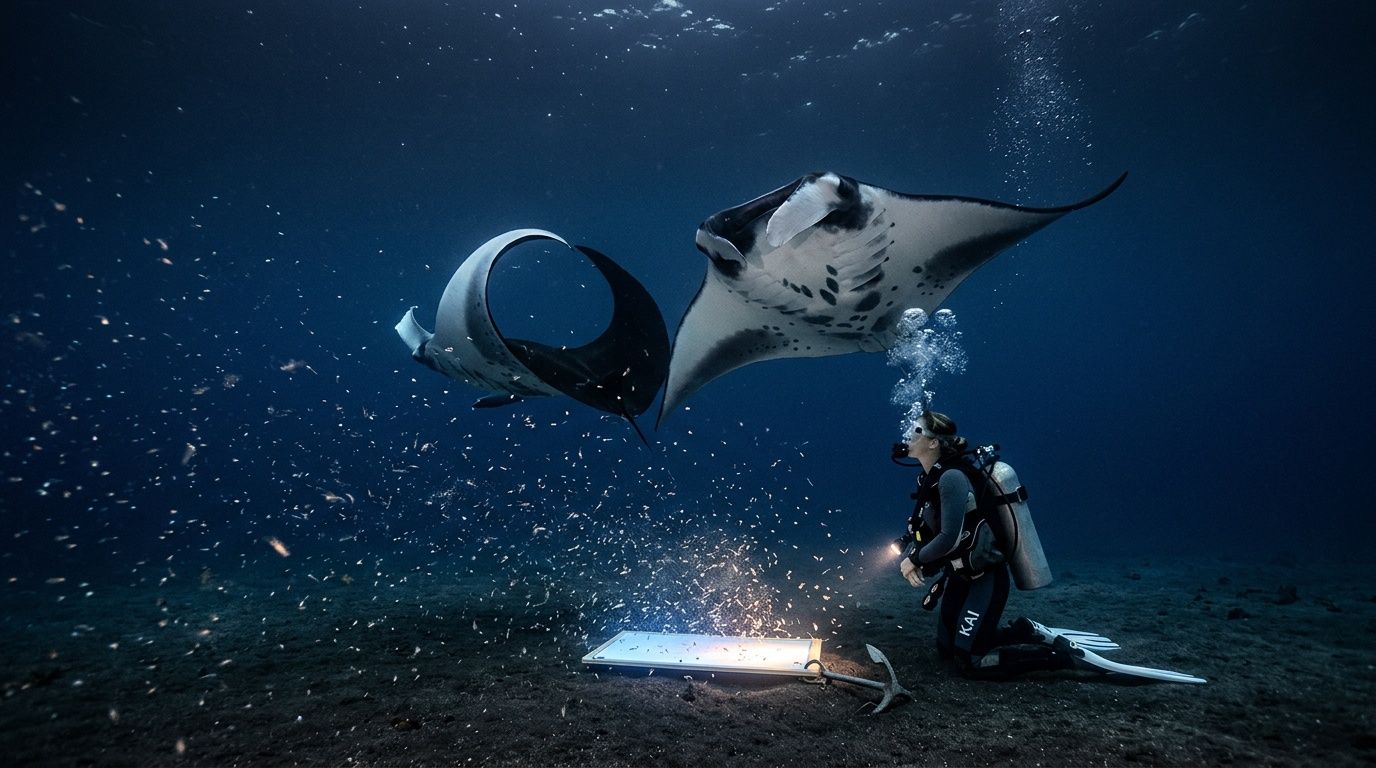
You’re probably here because the manta ray tour is the one Big Island experience you don’t want to get wrong. That’s the right instinct. A big island manta ray dive can feel like a once-in-a-lifetime outing, and the difference between a smooth, memorable night and a crowded, stressful one usually comes down to preparation and operator choice.
Kona gives you something rare in wildlife tourism. The animals are wild, the setting is simple, and the encounter can still feel remarkably consistent when conditions line up. What matters is knowing whether you want to snorkel or dive, what the evening looks like, and how to choose a crew that treats both guests and mantas with respect.
The Unforgettable Magic of Kona's Manta Ray Ballet
The first thing people notice isn’t the manta. It’s the water going dark around the lights.
You settle in, your eyes adjust, plankton starts drifting through the glow, and then a shadow forms just beyond the edge of the light. A few seconds later, that shadow turns into a giant ray gliding straight through the beam, mouth open, wings sweeping in slow motion. Then it rolls. Then another one appears. That’s the moment people stop thinking about gear, nerves, and whether the water feels cool after sunset.

Kona has earned its reputation because this isn’t a fluke encounter. The Kona Coast is one of the world’s most reliable manta ray night dive sites, with operators reporting 85-90% sighting success rates on single trips and over 80,000 people joining annually, according to Jack's Diving Locker manta report. That consistency is why travelers build full evenings around it.
Why Kona works so well
The local setup is unusually favorable. Nutrient-rich water supports plankton, the lights attract that plankton, and the mantas learn that these lit areas are dependable feeding zones. That’s why the show often feels organized even though it’s completely wild.
A lot of guests arrive expecting a distant sighting. What surprises them is how close the rays can pass when everyone stays still and gives them a clean lane to feed.
Practical rule: The best manta encounters usually happen when humans do less, not more.
For a deeper look at the feeding behavior behind the spectacle, read why manta rays gather near Kona after dark.
Snorkel or Scuba Dive Choosing Your Manta Encounter
You’re on the boat at sunset, excited but a little unsure which option will give you the better manta experience. The right choice is usually simpler than people expect. Pick the format that lets you stay relaxed, follow directions easily, and keep your attention on the rays instead of your own discomfort.
Both tours are built around the same feeding behavior. The difference is your viewing angle, your task load in the water, and how much experience you need to enjoy the encounter safely.
Side by side differences
| Feature | Manta Ray Snorkel | Manta Ray Scuba Dive |
|---|---|---|
| Perspective | View from the surface looking down as mantas rise toward the lights | View from below as mantas pass overhead |
| Accessibility | Good fit for beginners, families, and nervous ocean guests | Requires scuba training and comfort diving at night |
| How it works | Guests hold onto a floating light board | Divers settle low near lights placed on the seafloor |
| Movement level | Minimal swimming once positioned | Controlled descent, buoyancy control, and underwater awareness required |
| Who usually prefers it | Non-divers, mixed-age groups, first-timers | Certified divers who want a more immersive angle |
| Main trade-off | Less underwater immersion | More gear, more task loading, and certification required |
Why many guests do better on the snorkel
Snorkeling gives you the cleanest entry into the experience. You stay at the surface, hold position at the light board, and let the mantas come to the buffet below you. For a lot of guests, especially first-timers, that simpler setup leads to a better night because they are calm enough to watch the animals.
This matters more than people realize.
On crowded boats, the snorkel can feel hectic before guests even reach the viewing area. A small-group operator usually keeps the water entry more orderly, gives better mask-fit help, and leaves enough room at the float so guests are not kicking each other while the mantas are trying to feed. That directly affects the quality of the encounter for both people and wildlife.
If you want help sorting out the pros and cons, this comparison of Kona manta ray night snorkel vs. night dive options breaks it down in more detail.
Where the scuba dive stands out
For certified divers who are comfortable at night, the scuba version offers the dramatic upward view people remember for years. You settle near the bottom, keep your position steady, and watch mantas sweep overhead through the light beam. It can feel more immersive because you are inside the water column instead of watching from the surface.
The trade-off is real. Night diving adds more to manage. You need solid buoyancy, comfort with mask and regulator skills in the dark, and enough awareness to stay low and avoid drifting into the manta flight path. Guests who already dive regularly often love this format. Guests who are newly certified or uneasy at night sometimes enjoy the snorkel more, even if they assumed scuba would be the obvious choice.
A shallow profile helps, but it does not remove the workload of a night dive.
How to choose well
Choose snorkeling if you want the easiest learning curve, are traveling with kids or mixed abilities, or want the highest chance of staying relaxed from start to finish. Choose scuba if you are certified, comfortable in low-light conditions, and specifically want that below-the-mantas perspective.
Operator choice matters almost as much as snorkel versus scuba. A smaller, organized crew can coach positioning, control crowding, and protect the viewing lane the mantas use to feed. That usually creates a calmer, safer, more respectful encounter than a packed tour built around headcount.
For guests looking for that smaller-group approach, the Kona Snorkel Trips manta ray snorkel tour is one option.
Choose the version that keeps you calm, still, and attentive. That is usually the version that gives you the best manta encounter.
What to Expect on Your Manta Ray Night Tour
A lot of first-timer anxiety comes from not knowing the rhythm of the evening. Once you understand the flow, the trip feels much more approachable.
The modern manta tour format has been refined over decades. The Big Island manta ray dive evolved from casual hotel sightings into organized commercial trips starting in 1992, and by the early 2000s these had become nightly offerings, according to the manta ray night dive history summary.

Before the boat leaves
You’ll usually start at the harbor with check-in, waivers, and gear fitting. If you’re snorkeling, that often means mask, snorkel, fins, and exposure protection. If you’re diving, it includes the full dive setup and a stronger emphasis on night procedures.
The briefing matters more than many guests expect. Good guides explain where to position yourself, how the lights attract plankton, what the mantas are doing overhead, and what not to do if one comes very close.
Typical pre-departure points include:
- Gear fit: A leaking mask can ruin focus fast, so crews usually solve that before departure.
- Water confidence check: Guides want to know if anyone is nervous, motion-sensitive, or inexperienced.
- Wildlife rules: The core instruction is simple. Stay controlled, stay in position, and let the mantas approach.
The boat ride and site setup
The ride out is usually short enough that the evening keeps its momentum. Sunset fades, the water darkens, and the crew begins setting up the lighting system that creates the feeding zone.
Snorkelers gather around the floating light board. Divers descend and settle low in the designated area. In both formats, the strongest tours are calm and structured. Chaos in the water usually leads to a weaker wildlife experience.
Good crews don't rush the in-water setup. They slow it down so everyone enters in control.
The actual encounter often lasts 45-60 minutes, which is long enough for people to stop scanning and start observing. That’s when you notice the details, the turn of the cephalic fins, the way a ray adjusts its line through the plankton, the repeated barrel rolls when feeding gets active.
What the encounter feels like
The first manta usually changes the whole mood. Nervous chatter stops. People settle in. Then the rays begin cycling through the lights, sometimes one at a time, sometimes overlapping in a way that looks choreographed.
For snorkelers, the feeling is almost theatrical because you’re looking down into the light column. For divers, the view is more immersive because the mantas pass overhead and fill your whole field of vision.
A few practical expectations help:
- You may feel cool afterward. Even warm Hawaiian water feels different once you’ve been floating at night.
- Visibility depends on plankton and light. Some nights look crystal clear, others feel more atmospheric.
- The best viewing comes from staying still. Guests who keep repositioning usually miss the smoothest passes.
If you want a more tour-specific rundown, this guide on what to expect on a manta ray night snorkel in Kona covers the flow in more detail.
The Best Locations and Times for Sighting Mantas
Ask locals which site is “better” and you’ll get different answers for good reason. The nightly call depends on conditions, not branding.
The two names most visitors hear first are Manta Village and Manta Heaven, also known as Garden Eel Cove. Both are established manta sites. Both can produce memorable encounters. Neither guarantees the same quality every night.
Why site choice changes
A smart crew doesn’t lock into one plan too early. They pay attention to current, swell, surface conditions, boat traffic, and where recent activity has been strongest. The wrong site on the wrong night can turn a smooth outing into a crowded or uncomfortable one.
That’s why flexible decision-making matters more than marketing language around a “favorite” spot.
A good operator looks at questions like these before departure:
- How calm is the site tonight? Calm entries and exits matter more than people think.
- How crowded will the water be? Too many boats can affect the feel of the experience.
- Where are conditions most workable for this group? A site that suits confident adults may not suit mixed-skill families.
Timing matters more than season hype
The manta experience runs year-round, so most travelers don’t need to obsess over finding a tiny ideal booking window. Water conditions and the nightly decision by the crew matter more than broad travel myths.
That said, May is often noted for especially favorable conditions in the verified local background. Calm water helps people relax, and relaxed guests usually have a better encounter.
For people trying to fine-tune timing around environmental factors, this Big Island manta ray night snorkel moon phase guide adds useful context.
If you want a high-quality night, don't chase a famous site name. Chase the crew that makes good decisions on the day you go.
Booking Wisely How to Choose a Safe and Eco-Friendly Operator
A great manta night starts long before the boat leaves the harbor. The operator you choose will shape how calm the briefing feels, how orderly the water entry is, and whether the encounter feels respectful or hectic.
This is the part many visitors underestimate.
Some tours sell the same basic promise, but the on-the-water experience can be very different. A crowded boat with a rushed crew can turn an incredible wildlife encounter into a noisy, stressful hour. A smaller, well-run trip usually feels more controlled from check-in to reboarding, and that matters even more for first-time snorkelers, families, and anyone who is unsure about being in the ocean at night.
A past DLNR safety review raised concerns about crowding at Kona's main manta sites, including boat traffic and avoidable risk to both guests and rays. The point still holds. Too many people in one area changes the quality of the night.

What overcrowding changes for guests
Crowding changes more than the atmosphere. It affects safety, visibility, and how much support you get from the crew.
You can usually spot it early. The briefing feels abbreviated. Guests are being geared up in a hurry. Once in the water, several groups may be trying to settle into the same viewing area at the same time. For confident ocean people, that can be annoying. For newer snorkelers, it can be the difference between relaxing and never quite getting comfortable.
Common trade-offs on overloaded tours include:
- Less guide attention: Crew members spend more time managing numbers and less time helping individual guests.
- Messier entries and exits: Congestion at the ladder or platform raises stress fast, especially in chop.
- A weaker manta view: Even with rays present, lights, fins, and scattered positioning can break up the experience.
- More pressure on the animals: Ethical operators minimize disruption instead of adding to the traffic around the site.
What to look for instead
Choose an operator that treats the manta encounter like wildlife viewing, not a volume business.
That usually means smaller groups, clear safety language, and crews who are comfortable slowing things down. Good operators explain exactly where to hold, where to look, how to keep fins and hands clear, and what the plan is if someone gets cold or uneasy. They also make conservative calls. If conditions are poor for their group, they adjust.
A strong operator will usually show these habits:
- Small-group trips: More room in the water and better supervision.
- Detailed briefings: Guests know the process before they reach the site.
- Calm crew behavior: Good guides set the tone. If the crew is rushed, guests will be too.
- Respectful manta practices: No chasing, no touching, no language that treats wildlife like a prop.
- Solid in-water support: Especially important for kids, older guests, and nervous swimmers.
For a practical breakdown of what to compare before you book, read how to choose the right Kona manta ray snorkel tour.
I tell guests to spend a little more for the crew they trust most. On a manta night tour, the cheapest seat can cost you the calm, personal experience people come to Kona for.
Your Essential Packing and Safety Checklist
Preparation for a big island manta ray dive or snorkel is simple. The goal isn’t to bring a lot. The goal is to bring the few things that keep you warm, comfortable, and focused.

What to pack
- Swimsuit first: Wear it to the harbor under your clothes. That makes gearing up easier and keeps the check-in process smooth.
- Dry towel and warm change of clothes: This is the item people appreciate most on the way back.
- Reusable water bottle: Hydration still matters on an evening boat trip.
- Underwater camera if you already own one: Keep expectations realistic. Night conditions can be tricky, so enjoy the encounter first.
- Easy slip-on footwear: You’ll want something simple for the boat and dock.
- Gratuity for the crew: If your guides took care of you well, this is customary.
Manta etiquette that protects the encounter
These rules aren’t optional. They protect the manta rays and improve the experience for everyone in the water.
- Don't touch the mantas: Their skin has a protective mucus coating, and touching can harm it.
- Stay in your assigned position: Snorkelers hold the board. Divers stay low and controlled.
- Let the rays control distance: They often come close on their own when people remain calm.
- Avoid chasing or swimming after them: That interrupts feeding and usually pushes the action farther away.
- Keep your body quiet in the water: Fewer kicks, less splashing, better viewing.
A simple final check before leaving your hotel
Run through this quick list:
- Did you eat lightly? A heavy dinner and boat motion don’t always mix.
- Did you pack dry clothes? This matters more than an extra gadget.
- Did you tell the crew if you’re anxious or motion-sensitive? Good guides can help, but only if they know.
Calm bodies and predictable movements are what make these close passes possible.
Frequently Asked Questions About the Manta Ray Tour
A few concerns come up on almost every trip, especially from people doing this for the first time. Most of them are easy to address once you know what the crew is looking for.
What if I’m not a strong swimmer
For snorkeling, many guests do well because they’re supported by flotation and guided positioning rather than independent swimming for the whole experience. The important part is honesty. Tell the crew your comfort level before departure, not after you’re already in the water.
If you’re very anxious in open water, a small-group format usually feels better than a crowded one because guides can monitor you more closely.
Is being in the ocean at night scary
It can feel unfamiliar at first. That’s normal.
What changes the feeling quickly is the lighting setup and the group structure. You’re not drifting alone in darkness. You’re in a controlled viewing area with guides, other guests, and a clear focal point created by the lights. Once mantas start moving through the beam, the group shifts from nervousness to concentration.
Will I definitely see manta rays
No wildlife tour can promise that with certainty, because these are wild animals.
What Kona offers is reliability compared with most wildlife encounters. As covered earlier, local operators report strong sighting consistency at the main sites. That’s why many guests are comfortable making this a priority activity while visiting the island.
Is this suitable for kids
For many families, yes. The main question isn’t age by itself. It’s whether the child can stay calm, listen well, and handle a dark-water setting without feeling overwhelmed.
A child who enjoys snorkeling and follows instructions usually does better than a child who is pushed into it because the adults want the photo. Parents should ask direct questions before booking about flotation, in-water support, and how the crew handles nervous younger guests.
What if I get seasick
Don’t ignore this if you know you’re prone to motion sickness. Evening boat rides are short, but short doesn’t always mean symptom-free.
Practical steps that often help:
- Take your usual preventive remedy early: Don’t wait until the boat leaves.
- Eat lightly beforehand: You want fuel, not a heavy meal.
- Tell the crew right away if you start feeling off: They’d rather adjust early than after you’re miserable.
Should I snorkel first and dive later
For many visitors, that’s the smarter sequence.
Snorkeling lets you understand the site, the lighting, and manta behavior with less task loading. Then if you love the experience and you’re a certified diver, the scuba version becomes a different angle on something you already understand.
If you want a small-group manta experience with lifeguard-certified guides and a straightforward booking process, Kona Snorkel Trips offers a practical option for travelers who value safety, clear briefings, and a more respectful pace on the water.