
One-Day Big Island Snorkeling Plan From Kona
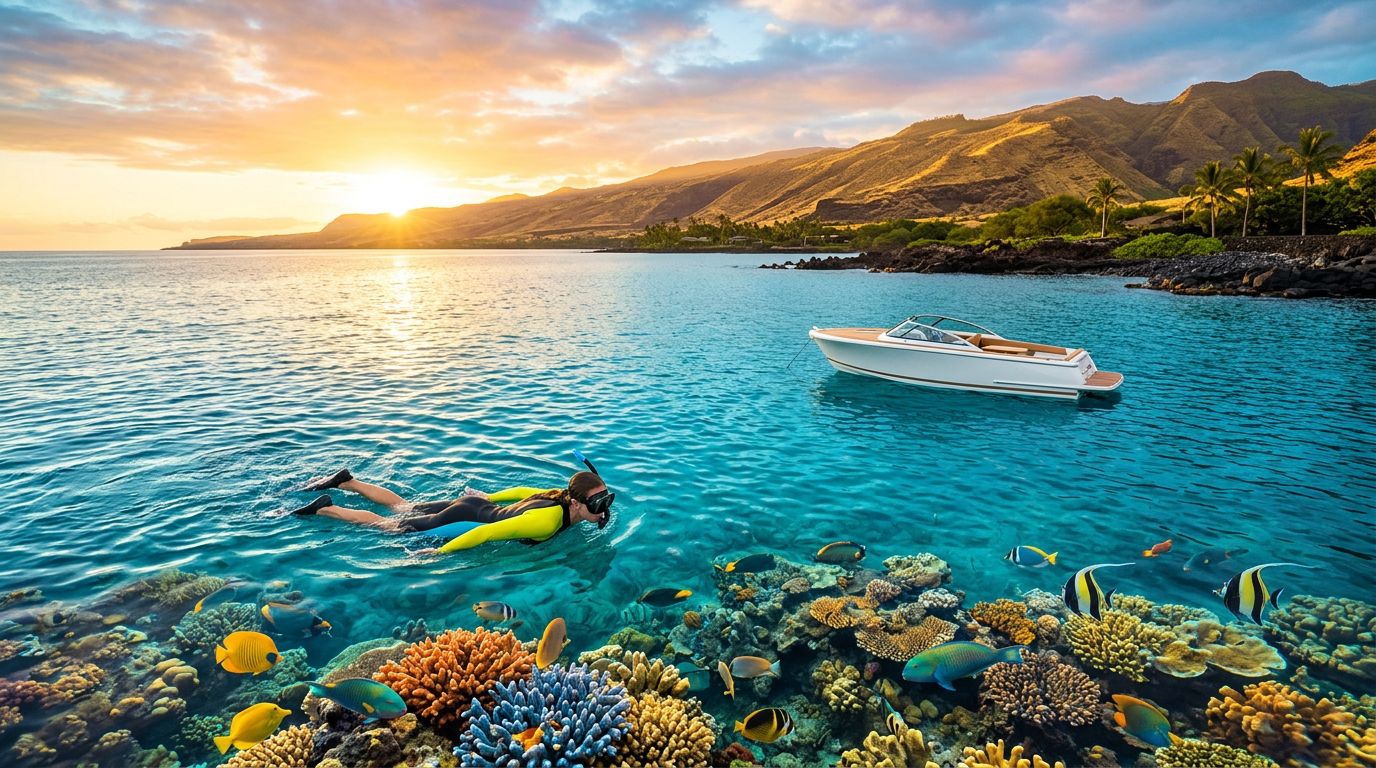
If you only have one day for Big Island snorkeling, Kona gives you the cleanest start. The leeward side often brings calmer mornings, shorter boat rides, and less time spent behind the wheel. That means more time looking at fish and less time solving logistics.
Kona Snorkel Trips is a strong first stop when you want the day handled for you. Their small-group style, lifeguard-certified guides, and reef-safe habits fit a tight schedule well. If you want the easiest way to start, the guided snorkeling excursions in Kona page is a useful first look, and you can check availability when you are ready.
A one-day route works best when you keep the first decision simple. Pick one strong water activity, then leave room for lunch, a shower, and a slower afternoon.
Why Kona works so well for a one-day snorkel plan
Kona is a good base because the day starts close to the water. You do not need a long cross-island drive before your first swim. That matters more than people think. A strong start keeps the whole day lighter.
The ocean side of Kona also helps. Mornings are often calmer, which gives you a better chance at clearer water and a more relaxed entry. That is a big deal when you only have one shot at snorkeling Big Island Hawaii style in a single day.
Kona Snorkel Trips fits this kind of plan because it keeps the experience focused. You get gear, guidance, and a small-group feel instead of a crowded, rushed boat. That matters if you want to spend your energy on the reef, not on setup. Their Reef to Rays approach also keeps the trip grounded in reef respect, which is how your day should feel from the start.
If you are leaving from Honokohau Marina, the whole morning stays even simpler. You can eat lightly, show up on time, and avoid the scramble that ruins so many vacation mornings. The best Kona days feel calm before you even hit the water.
Morning water often gives you the clearest window, so your first snorkel matters more than your last errand.
A sample Kona snorkeling day that keeps you moving without rushing
For snorkeling Big Island mornings, start with the calmest part of the day. A loose schedule keeps you relaxed and still lets you cover a lot of water. You do not need to squeeze the day. You only need to give it a shape.
| Time | What you do | Why it helps |
|---|---|---|
| 7:00 AM | Eat a light breakfast, pack water, and apply reef-safe sunscreen | You start calm and avoid a rushed launch |
| 8:00 AM | Head out from Kona or check in for your boat | Morning water is often smoother |
| 9:00 AM | First snorkel session | Visibility is often best early |
| 11:30 AM | Lunch and a slow break | You reset before the heat builds |
| 1:30 PM | Optional second stop or beach time | You keep the day flexible |
| 4:00 PM | Rinse gear, change clothes, and relax | You finish with energy left |
That rhythm works because it follows the way Kona days usually feel. Your first swim gets the cleanest conditions. The middle of the day gives you food and shade. The late afternoon is for whatever energy you still have left.
If you want a simple rule, use this one: one main snorkel, one backup idea, and one open afternoon. That is enough for a good day.
Pick the snorkel style that fits your pace
The best Big Island snorkeling plan is the one that matches your energy. Some days call for a guided boat. Other days call for a quiet shoreline swim. Your day gets easier when you choose the style first, then build around it.
A guided boat morning keeps things simple
Guided snorkeling makes sense when you want to snorkel Big Island without guessing about entry points or current. A crew can handle gear, timing, and route changes while you stay focused on the reef. If you only have one day, that kind of structure saves time.
It also helps when the weather shifts. You do not have to study every cove on the coast. A good crew already knows where the water is most likely to work that morning. That is why a guided tour is such a strong fit for travelers who want one clear, easy plan.
Kealakekua Bay gives you one standout snorkel
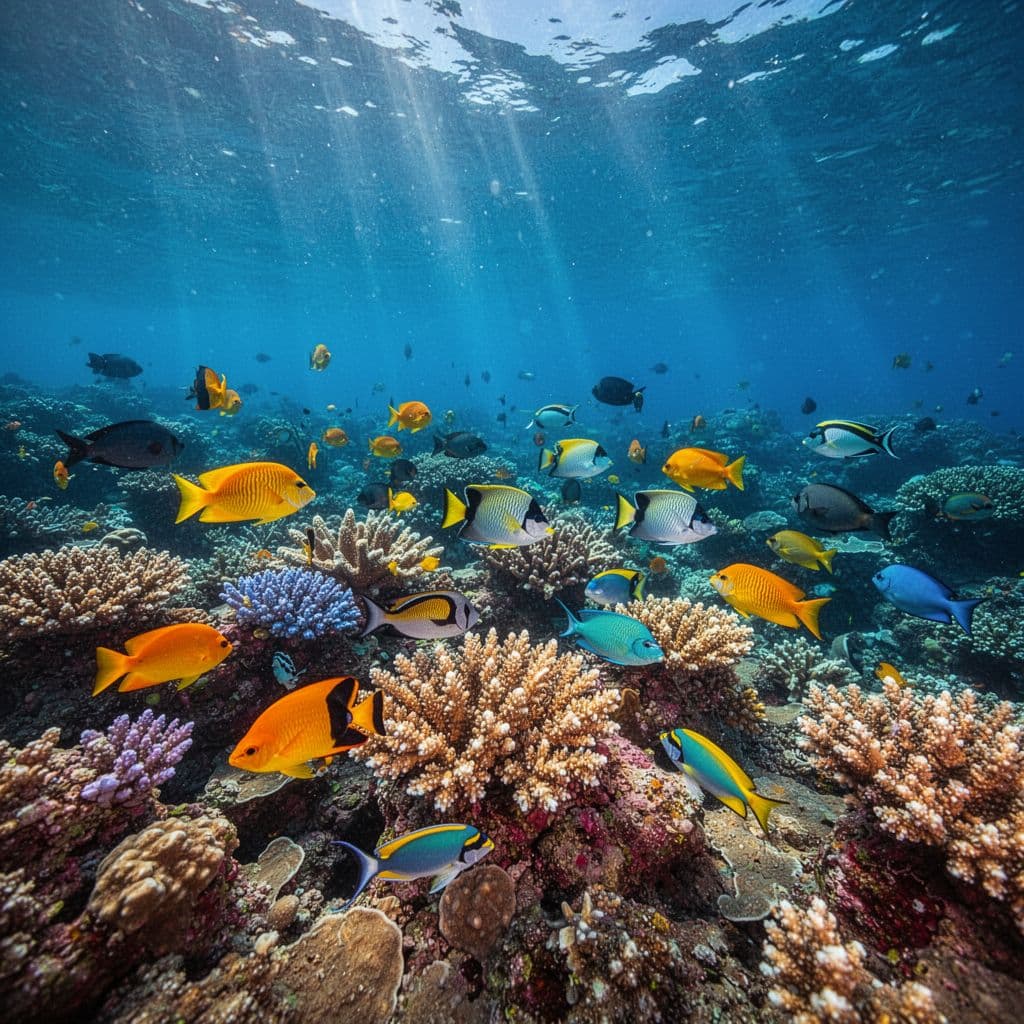
Kealakekua Bay belongs near the top of any Kona plan. The water can be clear, the setting feels special, and the reef life gives you plenty to look at without a long swim. If one iconic snorkel stop is enough for your day, this is the one to choose.
For the bay-focused version, Captain Cook Snorkeling Tours keeps the trip centered on this stretch of coastline. The famous Captain Cook area is a strong match when you want your day to feel focused instead of crowded with extras.
Shore snorkeling works when you want freedom
A shore snorkel gives you a slower pace. You can watch the water, wait for a calmer patch, and stay close to land. That works well if you like to move on your own schedule and keep the day open.
If you want to compare a few more options before you decide, recommended Big Island snorkeling spots is a useful cross-check. It helps you see how different bays feel before you lock in your plan.
A shore day also works well for a second swim after lunch. You are not tied to a boat clock, so you can stop when you want and leave when you want. That freedom has real value on a vacation day.
What to pack so the day stays smooth
A good pack list keeps the whole day easy. You do not need much, but the items you bring matter.
- Reef-safe sunscreen, because your skin and the reef both need protection.
- A rash guard or light swim shirt, since sun adds up fast on the water.
- Water and a snack, because your afternoon will go better if you stay hydrated.
- A towel and dry clothes, so you can reset after the first swim.
- A small dry bag, which keeps keys, phone, and cash out of the splash zone.
- Motion sickness medicine, if boat rides usually bother you.
If you wear contacts, keep your backup plan simple. If you get cold after a long swim, pack one extra layer. If you hate wet car seats, bring a trash bag or a waterproof seat cover. The small things save the day.
You also want to leave a little space in your bag. Wet fins, damp goggles, and sandy towels take up more room than you expect. A little extra room makes the return trip easier.
How to shape the day for the people traveling with you
A one-day plan should fit the group, not just the reef. The right version of the day looks different for families, couples, and solo travelers.
If you are traveling with kids
If kids are part of the trip, shorten the first swim and keep the second stop optional. For snorkeling Big Island with kids, shallow entry and simple gear matter more than one extra site. The snorkeling Big Island with kids guide is a useful reference when you want to compare family pacing.
Snacks, shade, and a dry towel are worth more than a packed schedule. Kids usually do better when the morning feels like a fun outing, not a test of endurance. Give them one strong swim, one good snack, and a break before they get tired.
If you are traveling as a couple
Couples often enjoy one calm morning swim and one slow lunch in town. That leaves time for a scenic drive, a coffee stop, or a sunset walk. If you want the day to feel more private, a small-group boat or private charter gives you room to pause for photos and longer surface swims.
The best couple’s day is not crowded. It feels unhurried, even when it only lasts a few hours in the water. Kona makes that possible if you avoid packing too much into the afternoon.
If you are going solo
Solo travelers usually like a trip that is simple and social. A guided boat gives you structure without taking away your freedom. You still get the water time you want, but you do not need to plan every detail by yourself.
That setup can be ideal when you only have one day and want the ocean to do the heavy lifting. You show up, snorkel, and let the crew handle the rest. That is a good trade when your time is short.
When the ocean changes your plan
Weather can reshape a Kona day fast. Wind, swell, and cloud cover can all change visibility. That is why the smartest snorkeling Big Island plan has a backup built in.
If the water looks choppy, move earlier or switch to a more sheltered bay. If the first site feels crowded, stay flexible and try a different route. If the afternoon wind starts to rise, cut your plan short and leave on a high note.
A flexible Kona plan beats a packed one when the wind shifts.
The point is not to do everything. The point is to protect the one swim you came for. When you keep the