
Captain Cook Snorkeling for Adults Who Learned Later in Life
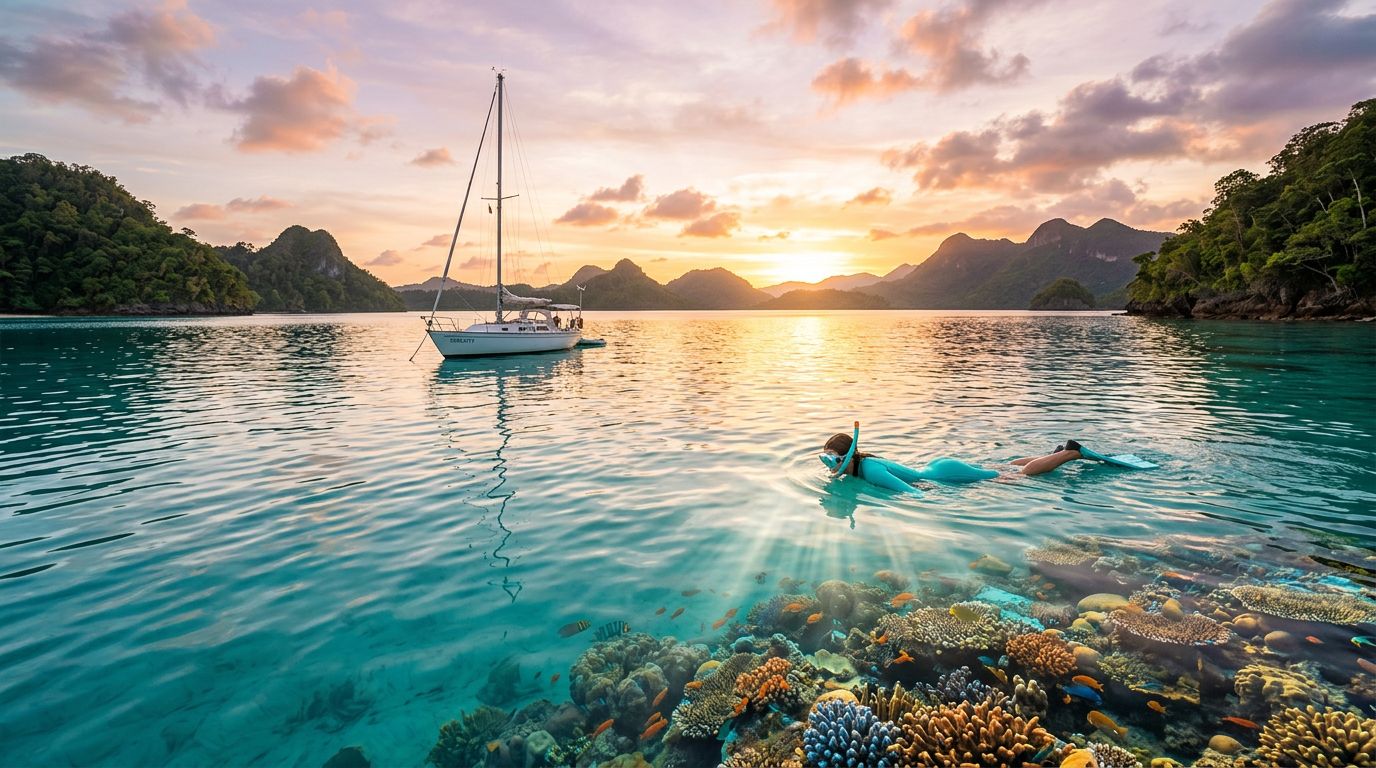
Learning to snorkel later in life can stir up excitement and nerves at the same time. You may want the reef, the color, and the calm, but you also want to feel steady and safe.
That is why Captain Cook snorkeling works so well for many adults. The setting is beautiful, the boat access is simple, and the pace can feel more relaxed than a busy shore entry. You do not need to be fearless. You need clear guidance, good gear, and a trip that respects your pace.
Why Kealakekua Bay feels easier than a crowded shore snorkel
Kealakekua Bay gives you a different kind of first impression. You arrive by boat, not by fighting a rough entry from the beach. That matters more than people expect, especially if you learned to swim later in life or you still feel unsure in open water.
The water in this area often feels calmer than a surf break. Conditions still change, of course, but the bay usually gives you a better start than a spot with strong shore wash. That calmer start helps you focus on breathing and balance instead of on the waves.
The reef also sits in a way that helps your brain relax. You can look down and see structure, shape, and movement. That sense of depth can make the water feel less empty and less intimidating. When you search for snorkeling Big Island Hawaii, you’ll see plenty of options, but not all of them feel friendly to a newer snorkeler. A guided Captain Cook trip often does.
If you want to snorkel Big Island without adding extra stress, the bay is a smart pick. The route is clear, the entry is smoother, and the underwater view tends to reward a slow, careful swimmer. That mix matters when you are building confidence later in life.
What helps you feel steady in the water
The right gear can change the whole day. A mask that seals well, fins that fit, and a snorkel that feels comfortable all help your body settle down. Small annoyances turn into big distractions when you are already nervous, so comfort matters.
If you want a general refresher before your trip, these beginner snorkeling tips are useful for mask fit, breathing, and basic habits. They are simple, and that is the point.
A few common concerns come up again and again. This quick table keeps them easy to scan.
| What you worry about | What helps | Why it works |
|---|---|---|
| Mask leaks | A proper fit before you enter | You stay focused on the reef |
| Fast breathing | Slow exhales and a calm start | Your body settles sooner |
| Fatigue | Floatation support and rest breaks | You stay in the water longer |
| Feeling crowded | A small-group trip | You get more space and attention |
The pattern is simple. Most discomfort comes from small problems that stack up. Fix the fit, slow the pace, and the experience gets easier fast.
You do not need to be the fastest swimmer in the group. You need gear that fits, a calm breath, and a guide who explains things clearly.
That one shift in thinking helps more than most people expect.
Why a guided trip matters when confidence is still growing
A guided trip takes pressure off your shoulders. You are not trying to figure out the route, the weather, the entry point, and the gear all at once. Instead, you can follow a crew that already knows the water.
Kona Snorkel Trips is a strong fit for that kind of day. The company keeps things small, uses lifeguard-certified guides, and focuses on a personal experience instead of a crowded one. That approach fits adults who want support without feeling rushed. You can also compare trip options on the guided snorkeling excursions in Kona page if you want to see what else is available.
When you are learning later in life, a good guide matters because they remove guesswork. They show you how to fit the mask, how to float, how to move slowly, and how to ask for help without feeling awkward. That kind of support makes snorkeling Big Island feel less like a challenge and more like a calm, well-planned outing.
If you want to book a trip with clear support and a small-group feel, you can check availability.
What your first Captain Cook trip usually feels like
Your first trip usually starts quietly. You check in, get fitted for gear, and hear a safety talk that covers the basics. There is no need to rush the moment. The best trips give you time to settle in before you enter the water.
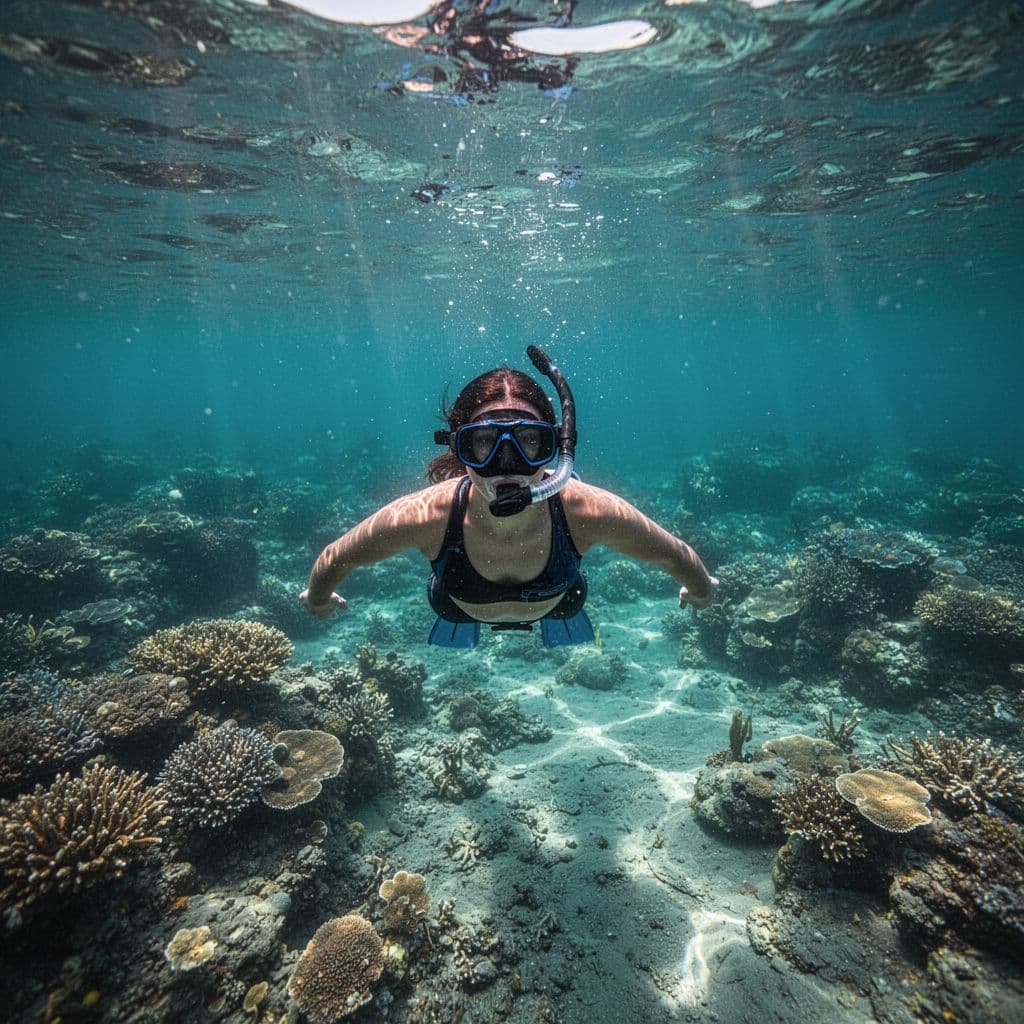
Then the boat ride becomes part of the rhythm. You watch the coastline, feel the breeze, and let the crew handle the route. By the time you get to the bay, the water often feels less like a mystery and more like a place you already know a little.
That matters for adult beginners. The mind tends to relax when the steps are clear. You are not guessing what comes next. You are just moving through a sequence that has been explained to you.
When you finally put your face in the water, the world changes shape. The surface noise fades. Fish move in and out of the reef. The water feels wider and calmer when you stop fighting it. For many people, that is the moment nerves turn into focus.
If you want a trip built around Kealakekua Bay, Captain Cook Snorkeling Tours keeps the route centered on this one special place. If that sounds like the right fit, you can check avaialbility.
How to choose the right pace for your body and comfort
The best tour for you is not always the one with the flashiest promise. It is the one that matches your body, your energy, and your comfort with open water. If you get tired easily, ask about time in the water. If ladders make you uneasy, ask how entry works. If you want fewer people around you, ask about group size before you book.
Morning trips often feel gentler because the water can be calmer earlier in the day, but the weather still sets the terms. A good crew will tell you the truth about conditions instead of pushing you into a bad fit. That honesty is valuable when you are still learning.
Private trips can also help. They give you more room, more time, and more control over the pace. That does not mean you need to book private. It just means the option matters if you want a slower start or you are traveling with a partner who needs more reassurance.
If you are comparing choices for snorkeling Big Island, think about the whole experience, not only the reef. Ask yourself how much coaching you want, how many people you want around you, and how much effort you want to spend before you even reach the water. Those answers tell you a lot.
You can also look at practical details, like parking, departure location, and how far you have to walk before boarding. Small steps save energy. That matters more than most travelers realize.
Building confidence when you learned to swim later in life
Learning to snorkel later in life changes how you pay attention. You notice your breath. You notice your posture. You notice when your shoulders tense up. That awareness can help you, because it tells you when to slow down.
Practice makes the day easier. A short video can help you get familiar with the gear before you ever get on the boat. This how to snorkel video is a simple way to rehearse the basics. You do not need to master it. You only need to make the mask and snorkel feel less strange.
Try a few small habits before your trip. Breathe slowly through your mouth. Put your face in shallow water if that feels safe. Float on your stomach for a few seconds and notice that the water can support you. These small steps build trust.
The mental side matters too. If you keep thinking you need to prove something, the water will feel harder. If you treat the trip like a new skill, the pressure drops. That shift changes everything.
You can also tell the crew exactly what you need. If you want more time. If you need a flotation aid. If you feel unsure about the ladder. If you have a sore shoulder, a weak knee, or a habit of panicking when your face gets wet, say so early. Good crews work with that information.
Confidence usually grows in small wins, not one big breakthrough.
That is why later-life learners often do well on guided trips. You can take the same simple action a few times, and each one feels easier than the last.
A simple way to plan your booking date
A good booking plan starts with honesty. Pick a day when you are rested, not already worn out from travel. Leave room for weather changes. Keep your schedule open enough that the trip does not feel like one more thing to manage.
If motion sickness affects you, plan for that before you board. Eat lightly. Drink water. Ask the crew what the ride tends to feel like. If stairs, ladders, or balance are hard for you, bring that up in advance. These are normal questions, and they make the whole day easier.
You should also think about what kind of memory you want. If you want a calm first step, choose a smaller group and a slower pace. If you want more privacy or you are traveling with family, a private option can make sense. If you want the classic route to Kealakekua Bay, book early, because the better dates can go fast.
For many travelers, the right trip is the one that feels easy before it starts. The booking page should answer your questions. The crew should sound calm. The plan should make sense in plain language. When that happens, you spend less time worrying and more time looking forward to the reef.
Conclusion
Captain Cook snorkeling can be a great match for adults who learned later in life because the setting does so much of the work for you. The boat access is simpler, the water often feels calmer, and a good guide gives you the support you need.
If you choose gear that fits, ask clear questions, and book a trip that matches your pace, the experience becomes far less intimidating. The reef does not care when you learned to swim. It only asks that you show up calm, curious, and ready to move slowly.
That is what makes this kind of snorkeling Big Island trip feel memorable. You are not trying to keep up. You are giving yourself time to enjoy the water on your own terms.