
How Fast Do Manta Rays Swim Near Kona?
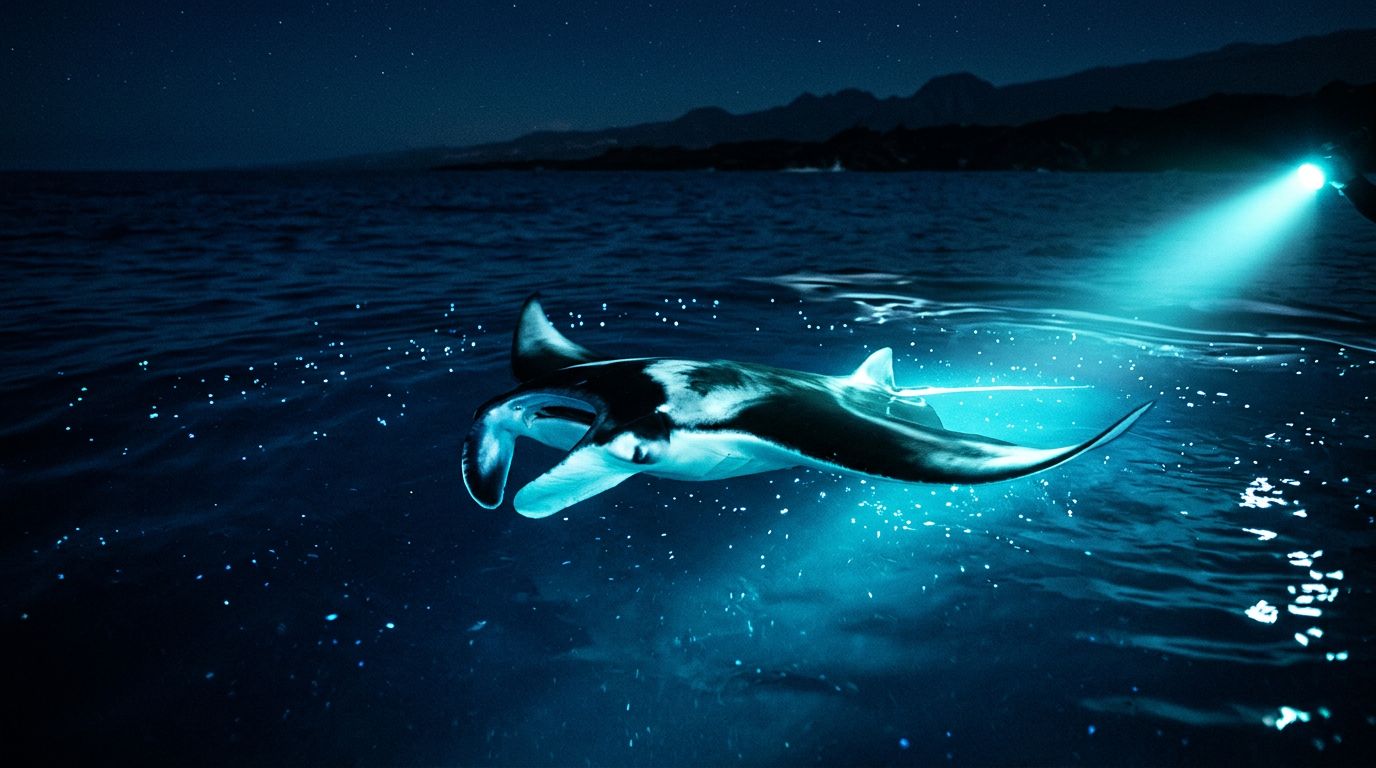
Kona Snorkel Trips puts you close to one of the most graceful sights on the Big Island, a manta ray sliding through dark water with almost no visible effort. That can make you wonder how fast it is moving, because the animal looks calm even when it covers space quickly.
If you’re planning snorkeling Big Island Hawaii style, that question matters more than it sounds. The speed you see changes with feeding, current, light, and how close you are to the animal, so there isn’t one simple answer.
Near Kona, mantas are at their most relaxed when they are feeding, and that is the version you are most likely to see on a night snorkel. The rest of this article breaks down what that pace looks like, and why it feels so different in the water.
How fast manta rays swim near Kona
Manta rays are not built like speedy reef fish. Their wide bodies and wing-like fins create a smooth, floating motion that saves energy and looks almost effortless. In calm water, they often seem slower than they are because each stroke is long and soft.
Most of the time, the manta ray swimming speed you notice near Kona is a steady glide rather than a rush. It is not racing the reef. It is moving just fast enough to turn, feed, and stay in the best part of the water.
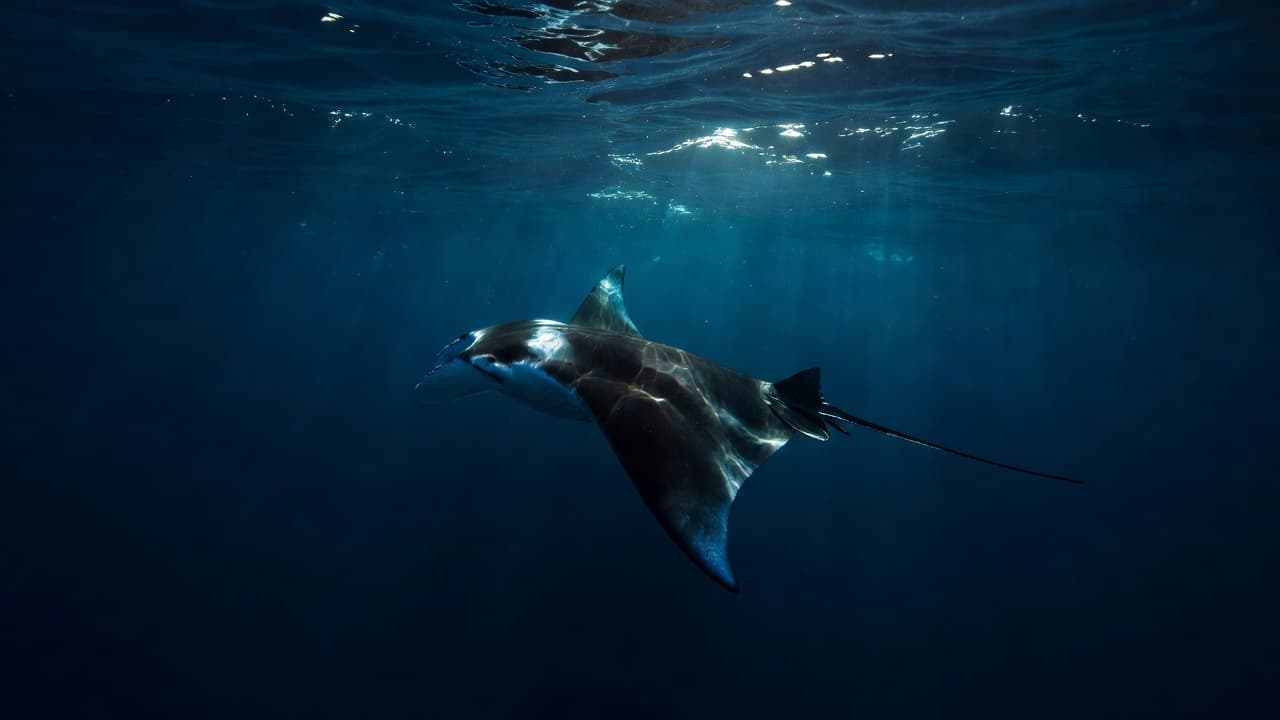
When a manta needs to react, the pace changes fast. Scuba Diving Magazine’s manta speed facts note that mantas can hit about 24 mph in short bursts when they need to escape danger. You are unlikely to see that top speed on a normal Kona snorkel, but it shows how much range the animal has.
The simple version is this, the cruise is gentle, but the burst is sharp. That difference is why a manta can look slow beside your board and then vanish across the dark water in a few seconds.
The same animal can also look different from one minute to the next. The table below gives you a quick read on what you are likely to see.
| Manta behavior | What you notice | What it means |
|---|---|---|
| Calm cruising | Long, slow wing beats and a smooth line | The manta is conserving energy |
| Feeding | Wide circles, slow rolls, repeated passes | Plankton is thick and the manta is staying in the food |
| Quick escape | Sudden acceleration or a sharp turn | The manta is leaving a threat or shifting fast |
A manta that looks slow is often doing exactly what it needs to do, saving energy while staying in the best food lane.
What changes a manta ray’s pace
Food changes the picture first. Mantas move where the plankton is thickest, so they may circle, tilt, and slow down when the meal is concentrated. When food spreads out, they cover more water.
Feeding changes the rhythm
A feeding manta does not swim in a straight line for long. It often makes wide loops, then comes back through the same patch of water. Those turns are controlled, not lazy.
That is why the manta ray swimming speed near Kona can look slower than it really is. The animal may be moving at a fair clip, but the path bends so much that your eyes read it as a hover. In the water, the line between slow and fast gets blurred fast.
On a good night, you may see the manta roll its body to keep its mouth in the plankton-rich layer. That creates the feeling of a slow dance. It is not a sprint. It is a precise feeding pattern.
Current, depth, and space matter
Water movement also changes what you think you see. A gentle current can help a manta glide with less effort, while a stronger drift can make it look faster or slower, depending on your own position. If you are holding still on a light board, the manta may seem to float past you. If you are drifting, the same animal can feel much closer and quicker.
Depth matters too. In shallow water, you can track the whole body at once. In deeper water, the mantas often appear to appear and disappear in layers of darkness. That makes every fin stroke feel more dramatic.
Night lighting adds one more layer. On a Kona manta snorkel, the lights bring plankton to the surface, which brings the manta close to you. The animal does not need to race. It only needs to stay in the food.
What a Kona night snorkel looks like
On a Kona manta trip, you are not watching a chase. You are watching an animal arrive, turn, and feed in the glow. That is what makes the speed question so interesting, because the motion feels slower than the experience.
Kona Snorkel Trips keeps that experience small, guided, and easy to follow, so you spend more time watching the manta and less time sorting out the details. If you want to build a full day around the water, you can also look at Big Island snorkeling tours or book private Kona boat charters for a more personal pace.
If you’re planning snorkeling Big Island Hawaii for the first time, this kind of night outing is easy to understand. You float, you watch, and you let the mantas do the work. For families planning snorkeling Big Island, that slower pace can feel easier than trying to cover several reef stops in one day.
If you want a dedicated manta night, Kona Snorkel Trips offers the manta ray night snorkel in Kona. If you’re comparing options, Manta Ray Night Snorkel is another Kona-focused choice for manta encounters.
That night snorkel setup also explains why you don’t need to worry about raw speed the way you might with a pelagic predator. You are not trying to keep up. You are trying to stay calm, hold position, and watch a big animal feed in front of you. When you snorkel Big Island, very few encounters feel this close and this steady at the same time.
How to read manta movement in the water
A manta can look hurried without being stressed. Short tail beats often mean it is correcting direction, not panicking. A wide bank usually means it is turning to stay in the food.
The easiest way to read the movement is to watch the path, not just the fins. Straight glides usually mean cruising. Tight loops usually mean feeding. Sudden angles usually mean the manta is reacting to current, space, or another animal nearby.
A quick field guide for your eyes
If the manta keeps its line smooth, it is probably saving energy. If it keeps coming back through the same patch, it is feeding. If it sweeps away quickly, it may have decided the spot is no longer worth it.
That is useful because the speed you see is not just speed. It is behavior. A manta that looks “fast” may only be crossing a short distance to reach a better plankton patch.
The body shape helps you read it too. Those broad fins do not flutter like a small fish’s tail. They move in a strong, efficient wave. That is why the motion feels almost liquid. It is also why the animal can cover a lot of water without looking rushed.
The view is easier to read when the ocean is calm. On a clear Kona night, the dark water and the bright light board make each pass stand out. On a rougher night, the same movement can feel more dramatic because the surface and the shadows add motion around the manta.
A lot of people expect a giant animal to move like a giant animal. Mantas do the opposite. They move with control first and speed second. That is one reason their presence feels so memorable.
The right Kona tours for a manta day
If you want to plan the rest of your trip around the manta experience, the best move is to keep the day balanced. A gentle morning snorkel, a break in the afternoon, then a night manta outing can feel better than packing in too much water time.
For a daylight reef day, Kealakekua Bay snorkeling excursion is a strong contrast. The water is bright, the reef is active, and the pace feels more like a classic daytime swim. If you’re visiting in season, whale watching in Kona gives you another way to stay on the water without putting on a mask.
For groups that want more control over the day, private Kona boat charters let you set the rhythm. That can be a smart fit for families, couples, or adventurous singles who want a quieter trip.
If you are choosing between activities, think about what kind of motion you want to see. A reef snorkel gives you small fish and coral detail. A manta snorkel gives you slow, giant movement. A whale watch gives you power at the surface. Each one has its own pace.
When your goal is to snorkel Big Island in a way that feels easy and memorable, Kona gives you options that fit different moods. The manta trip sits near the top of the list because the movement is easy to follow. You do not need deep water skills to appreciate it. You only need patience and a calm float.
Conclusion
The manta ray swimming speed near Kona is slower than most people expect and faster than the animal looks. Most of the time, you are seeing a smooth glide, a feeding loop, or a short burst across the water.
That is what makes a Kona manta snorkel so striking. You are not watching a chase. You are watching a giant animal move with control.
If you remember one thing, make it this, the magic is in the glide. Once you see that steady motion under the Kona lights, the speed question makes a lot more sense.