
How to Spot Butterflyfish During Kealakekua Bay Snorkeling
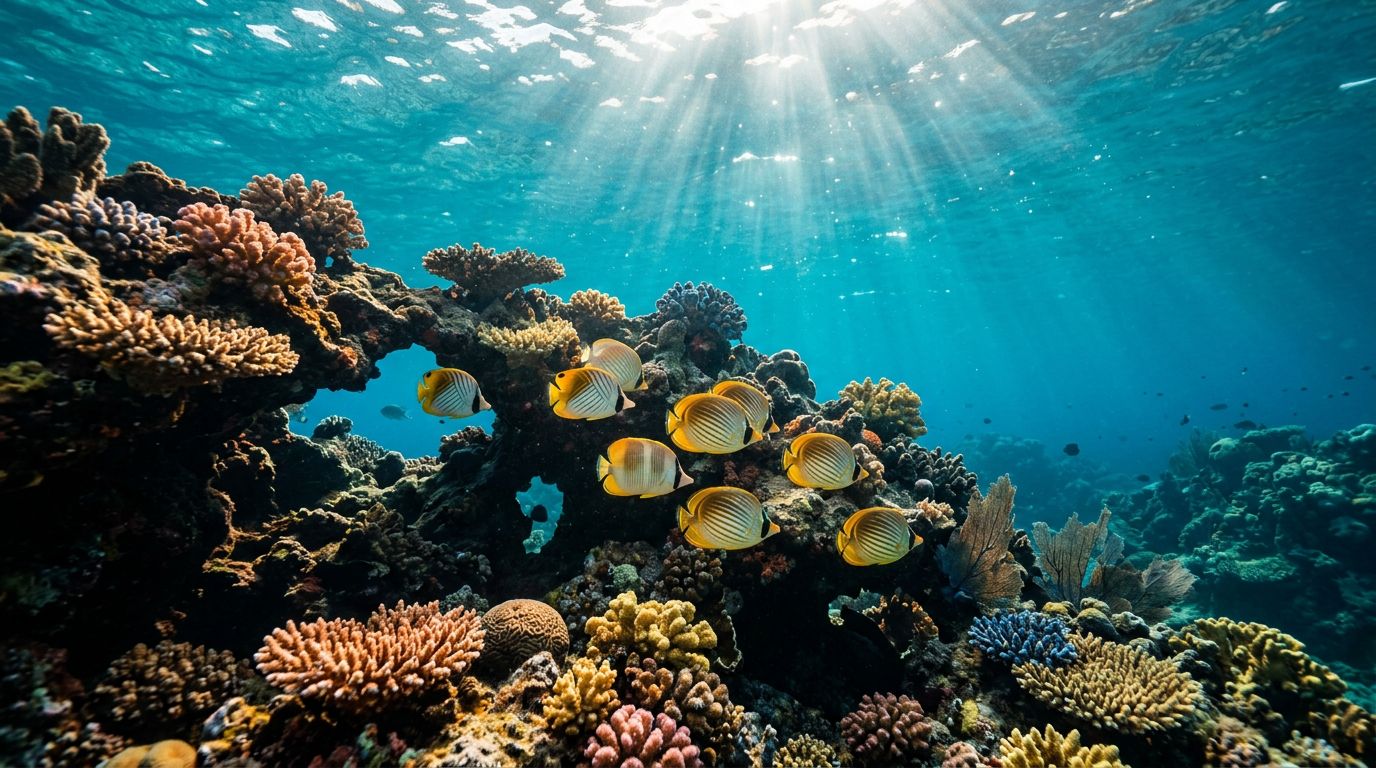
Butterflyfish move like quick flashes of gold and cream over the reef. If you swim too fast, you miss them.
During Kealakekua Bay snorkeling, those small reef fish are easier to find than you might expect. The bay gives you clear water, coral structure, and quiet corners where butterflyfish like to feed.
If you’re planning snorkeling Big Island Hawaii for the first time, you don’t need expert-level fish knowledge. You need a calm pace, a few shape clues, and a little patience. Kona Snorkel Trips is a strong place to start when you want a guided way into that water.
Why Kealakekua Bay is such a strong butterflyfish spot
Butterflyfish stay close to coral, ledges, and shaded reef pockets. Kealakekua Bay gives you all of that in one place. The bay is sheltered, so the water often stays clearer than rougher stretches of coast.
That matters because butterflyfish are small. They blend into the reef unless you are close enough to read their shape. In calm water, you can notice the details that would disappear in chop or glare.
The reef here also has texture. Coral heads, lava rock, and sandy edges sit near each other. That mix creates feeding lanes and shelter, which is exactly where butterflyfish spend their time.
A local photo-heavy Kealakekua Bay snorkel site profile gives you a sense of the reef edge before you arrive. If you want the easiest route into the bay, the Captain Cook Monument snorkel tour puts you right near one of the best fish zones. You can also browse guided snorkeling excursions in Kona if you want to compare other ways to snorkel Big Island.
Learn the reef fish shapes before you go
Butterflyfish are easier to spot when you know their outline. Most have a tall, flat body, a narrow snout, and a dark band across the eye. That eye stripe is one of the fastest clues you can learn.
The Bishop Museum butterfly fish overview is a useful reference if you want to compare markings later. Once you see a few examples, the reef starts to make more sense.
Common butterflyfish clues at a glance
| Butterflyfish to watch for | Quick visual clue | Where you may notice it |
|---|---|---|
| Yellow butterflyfish | Bright yellow body, dark eye band, narrow snout | Shallow coral heads and sunny reef shelves |
| Ornate butterflyfish | Yellow body with fine lines and a patterned look | Mixed coral patches and ledges |
| Saddleback butterflyfish | Pale body with a bold dark patch near the rear | Quieter reef pockets |
| Teardrop butterflyfish | Light body with a dark tear-shaped mark near the eye | Edge zones and broken coral |
The exact species can vary with depth and reef type. You do not need to name every fish on the spot. If the body is disk-like, the snout is pointed, and the eye has a dark band, you are probably looking at a butterflyfish.
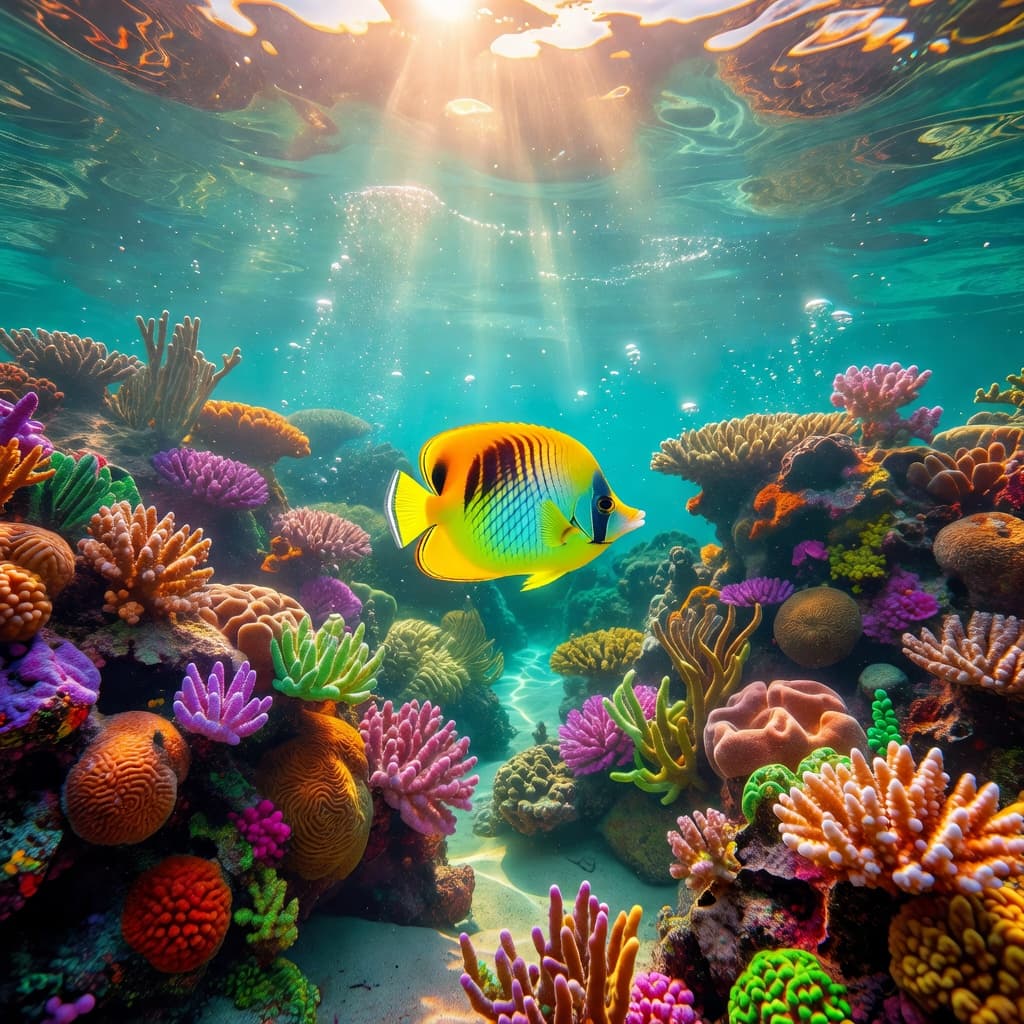
Once you can spot that shape, the reef becomes easier to read. Color matters, but shape usually gives the fish away first.
Read the reef instead of scanning open water
Butterflyfish do not drift around the open blue the way some bigger fish do. They stay close to food and shelter. That means you should treat the reef like a map, not a backdrop.
Start by looking at the places where coral gets busy. Then slow down and watch what happens in the small gaps between rock and reef. That is where butterflyfish often appear, pause, and vanish again.
Butterflyfish reward stillness. The longer you stay calm, the more the reef gives up its details.
Coral heads and ledges
Coral heads are the obvious place to check, but the edges around them often tell you more. Butterflyfish graze where coral is healthy and where there is room to move in and out of cover. If you see one fish, look a few feet around it.
Ledges matter too. Light and shade meet there, and that shift gives fish a place to feed while staying close to protection. In Kealakekua Bay snorkeling, these small transitions often matter more than wide open water.
Sand lanes and drop-offs
Sand lanes can look empty at first, but they act like hallways between reef patches. Butterflyfish often move through those spaces in short bursts. If you see one dart across sand, wait a moment before moving on.
Drop-offs are worth a close look as well. The reef edge can hold more life than the flat top. A quick glance is easy to miss, so give each section a few extra seconds.
Move slowly enough for fish to settle
Speed is the fastest way to lose butterflyfish. A smooth swimmer looks less threatening, and the reef relaxes faster around you. That is true whether you are on a guided trip or out with family.
A few habits help more than fancy gear:
- Stop before you search.
- Keep your fins behind you, not scraping low.
- Stay flat and relaxed at the surface.
- Watch where the same fish returns after a few seconds.
- Leave coral untouched.
That pace matters even more when you snorkel Big Island with kids or with a partner who is new to the water. One rushed swimmer can scatter a whole patch of reef. When the group slows down together, the butterflyfish often come back into view.
Your own shadow can spook them too. If the sun is behind you, take a moment and shift your position. A small change can make the fish settle back into place.
Time your snorkel for the clearest sightings
Morning is usually the best time to look for butterflyfish. The water is often calmer, the light is softer, and the reef colors show better before the surface gets busy. That early window can make a big difference.
Later in the day, you can still see plenty. You just need to work a little harder. Look under ledges, around shaded coral, and in the protected spots where fish can stay close to cover.
Weather matters more than the clock. Clear water beats a bright sky. If wind stirs up the surface or sand starts to cloud the bottom, move to another reef patch instead of forcing the issue.
That approach helps when you are planning snorkeling Big Island days around family schedules or cruise stops. It also helps when the ocean looks calm from shore but feels less steady once you’re in it. If you want more time on one reef patch, private Kona boat charters can give you a slower pace and a little more room to focus.
A guided Kealakekua Bay trip makes the search easier
Kona Snorkel Trips is a smart choice when you want a small-group way to explore the bay. You get more time to look for reef fish and less time sorting out gear or crowding around a busy launch.
If you want a direct Kealakekua Bay option, the Captain Cook Monument snorkel tour is the most relevant trip to compare. If you want to see the full range of options first, the guided snorkeling excursions in Kona page is a good place to start.
You can also check avaialbility for the Captain Cook trip if you want to plan your Kealakekua Bay snorkeling day around a set date.
Guest feedback can help you see how the trip feels before you book.
Conclusion
Butterflyfish reward patient eyes. If you slow down and read the reef, they show themselves fast enough to feel like a secret.
Kealakekua Bay gives you the right setting, with clear water, coral structure, and protected pockets where reef life stays active. The real trick is simple, look for shape first, then color, and keep your movement gentle.
When you treat the reef like a map instead of a race, Kealakekua Bay snorkeling becomes much more than a swim. It becomes a real chance to notice the small life that makes the bay worth the trip.