
Do Manta Ray Snorkel Tours Include All Your Gear?
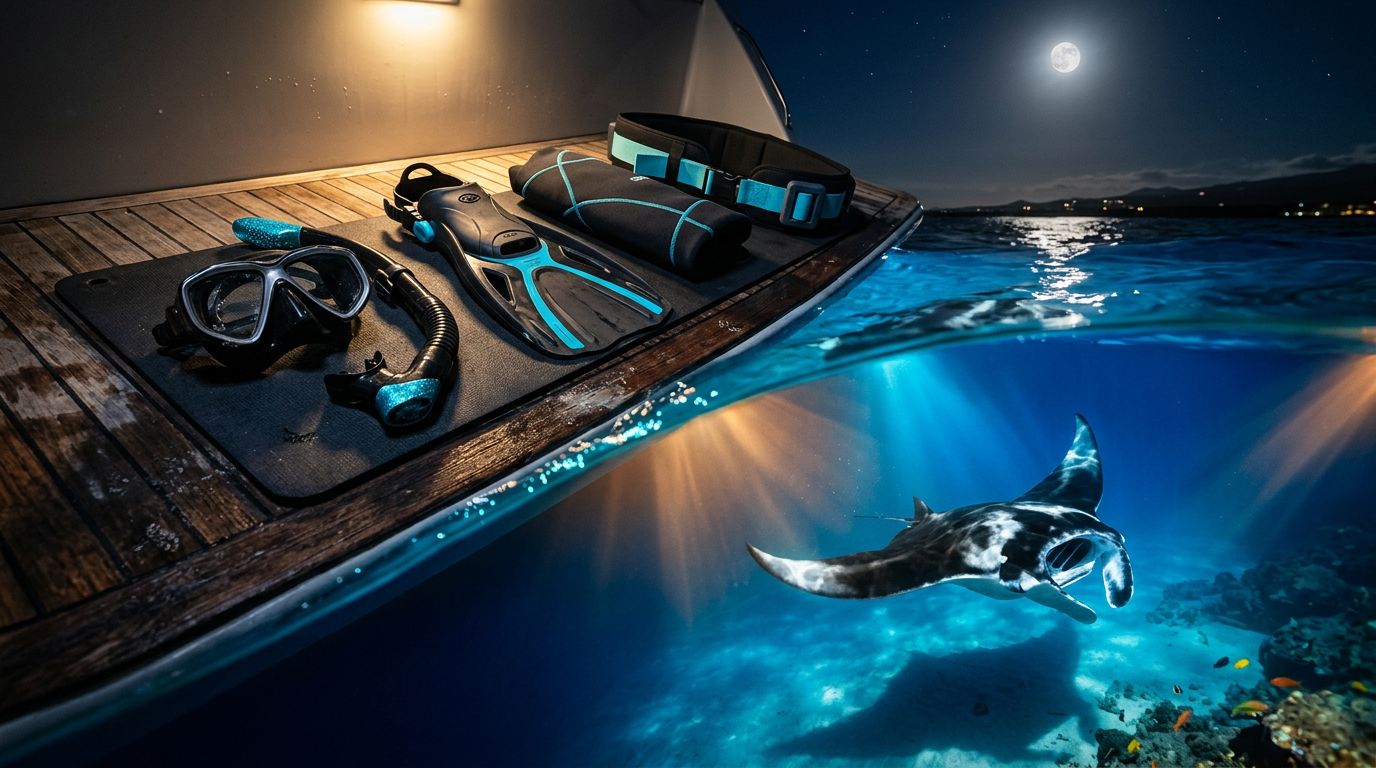
Packing for a night on the ocean can feel complicated when you don’t know what belongs in your suitcase. If you’re comparing manta ray snorkel tours, you may wonder whether you’ll need to bring your own mask, fins, snorkel, or wetsuit.
Most reputable Kona operators provide the essential equipment, including a mask, snorkel, fins, flotation gear, and usually a wetsuit. However, the exact package can vary, so checking the tour details before booking helps you avoid surprises. The equipment you receive also affects your comfort, warmth, and confidence in the water.
What Do Manta Ray Snorkel Tours Provide?
Yes, most manta ray snorkel tours provide the gear needed for the activity. You typically arrive at the marina with your swimsuit and personal items, then receive equipment during check-in or before boarding the boat.
The standard package usually includes:
- A snorkeling mask and snorkel
- Adjustable or open-heel fins
- A shorty or full wetsuit
- A life vest, flotation belt, or other approved flotation equipment
- Access to a lighted viewing board during the manta encounter
Some tours also provide prescription masks, though you shouldn’t assume this without asking. If you need vision correction, bring your own properly fitted prescription mask when possible.
Kona Snorkel Trips focuses on guided ocean adventures with high-quality snorkeling equipment and personalized service. Its guided Big Island snorkeling tours include professional instruction and equipment support, which can make a major difference if you’re new to snorkeling.
A wetsuit is the item travelers ask about most often. Masks, snorkels, and fins are standard on nearly every organized trip, while wetsuit style and availability can depend on the operator, water conditions, and the specific tour. You can also read this wetsuit guide for Kona manta tours before you reserve your spot.
The safest approach is simple: confirm the inclusions, then tell the operator your height, weight, shoe size, and swimming experience. That information helps the crew prepare gear that fits before you enter the water.
How the Mask, Snorkel, and Fins Work Together
A good equipment setup should feel secure without distracting you from the manta rays. Each piece has a separate job, but the fit of one can affect how well the others work.
Your mask creates a clear window underwater
The mask holds a pocket of air over your eyes and nose. That air space lets you see clearly underwater and breathe through your nose if you need to pause and reset.
A mask should rest comfortably against your face and create a seal without being painfully tight. Tightening the strap too much can cause discomfort and may even create gaps around the skirt. Your guide can help adjust it after you put it on.
Before entering the water, check for:
- A comfortable seal around your eyes and nose
- A strap that sits around the back of your head
- A snorkel that reaches your mouth without pulling sideways
- Clear vision after the mask is defogged
Facial hair can sometimes interfere with the seal beneath the nose. If you have a mustache or beard, ask the crew for fitting advice. You may need to adjust the mask position or use a different size.
The snorkel lets you breathe while your face stays in the water. You still need to lift your head when you want to speak, cough, or clear water from the tube. Guides usually explain how to clear a small amount of water before the group reaches the viewing area.
Fins help you move without exhausting yourself
Fins make it easier to move across the surface with gentle leg movements. You shouldn’t need to kick hard during a manta encounter because the goal is to remain calm and let the animals approach the lighted board.
Many operators use adjustable fins because they fit a wider range of guests. Fins should feel snug but shouldn’t pinch your toes, rub your heel, or slide off when you kick. Wear the type of swim socks recommended by the operator if you have sensitive feet.
Never walk across the boat deck or shore in fins unless a guide tells you to do so. Move carefully in bare feet or water shoes, then put the fins on at the entry point.
Why Manta Tours Usually Include Wetsuits
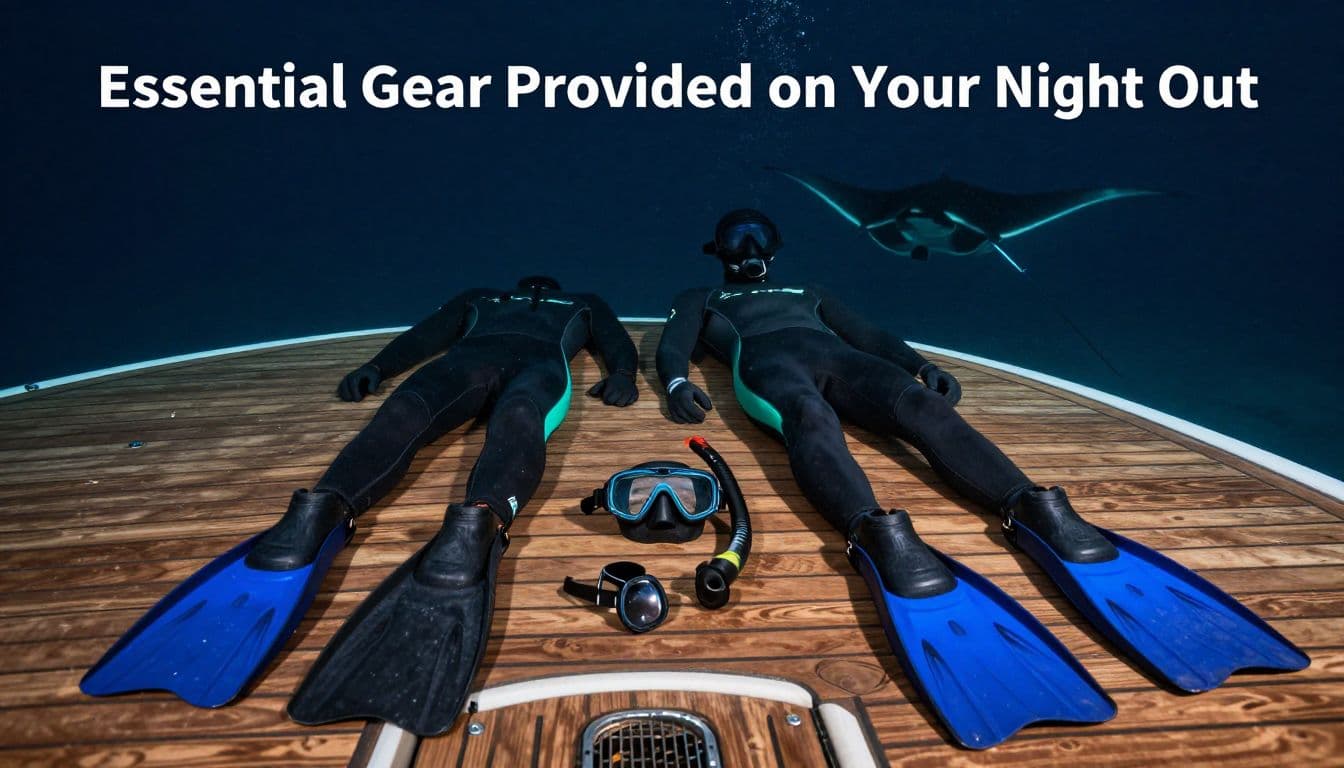
A wetsuit helps you stay comfortable after sunset, when the air feels cooler and your body remains in the water for an extended period. Even warm tropical water can feel chilly when you float in one position and wait for marine life.
Most manta excursions use a shorty wetsuit, although some operators may offer a different style based on conditions and availability. The suit can cover your torso and upper legs while allowing your arms and lower legs to move freely. It also adds a small amount of buoyancy.
That extra warmth matters because manta snorkeling is a surface activity. You may spend much of the experience floating while holding the edge of a viewing board. You aren’t swimming continuously, so your body produces less heat than it would during an active reef swim.
A proper wetsuit should feel close to your body without restricting your breathing. If it’s too loose, water can flush through the suit and reduce its warming effect. If it’s too tight, you may feel uncomfortable before the tour even starts.
Tell the crew if you feel cold, overheated, or restricted. They may be able to adjust the suit, change your layer, or recommend flotation support. You can also ask whether you may wear a thin rash guard beneath it.
Your personal comfort matters more than appearance. A Big Island travel discussion about wetsuits shows how common this planning question is among visitors. Water temperature, wind, activity level, and personal tolerance all affect how warm you’ll feel.
For snorkeling Big Island Hawaii visitors, a wetsuit is more than an optional extra on a night tour. It can help you stay in the water longer and pay attention to the experience instead of thinking about the cold.
What to Expect During a Night Manta Snorkel
The trip usually begins with check-in at the marina. Crew members confirm your reservation, help you find the right equipment, and explain the basic safety rules before departure.
Once you’re on the boat, you’ll receive instructions for entering and exiting the water. The guide may also explain how to position your mask, clear your snorkel, use flotation gear, and communicate if you need assistance.
After reaching the viewing area, the crew sets up a lighted board or similar surface platform. Bright underwater lights attract plankton, which can bring manta rays close to the group. You normally hold the board and keep your body near the surface while looking down into the illuminated water.
The lighted board gives you a stable reference point. It also lets the crew keep the group together in dark conditions. You don’t need to dive down or chase the animals. In fact, staying still is one of the best ways to watch their movements.
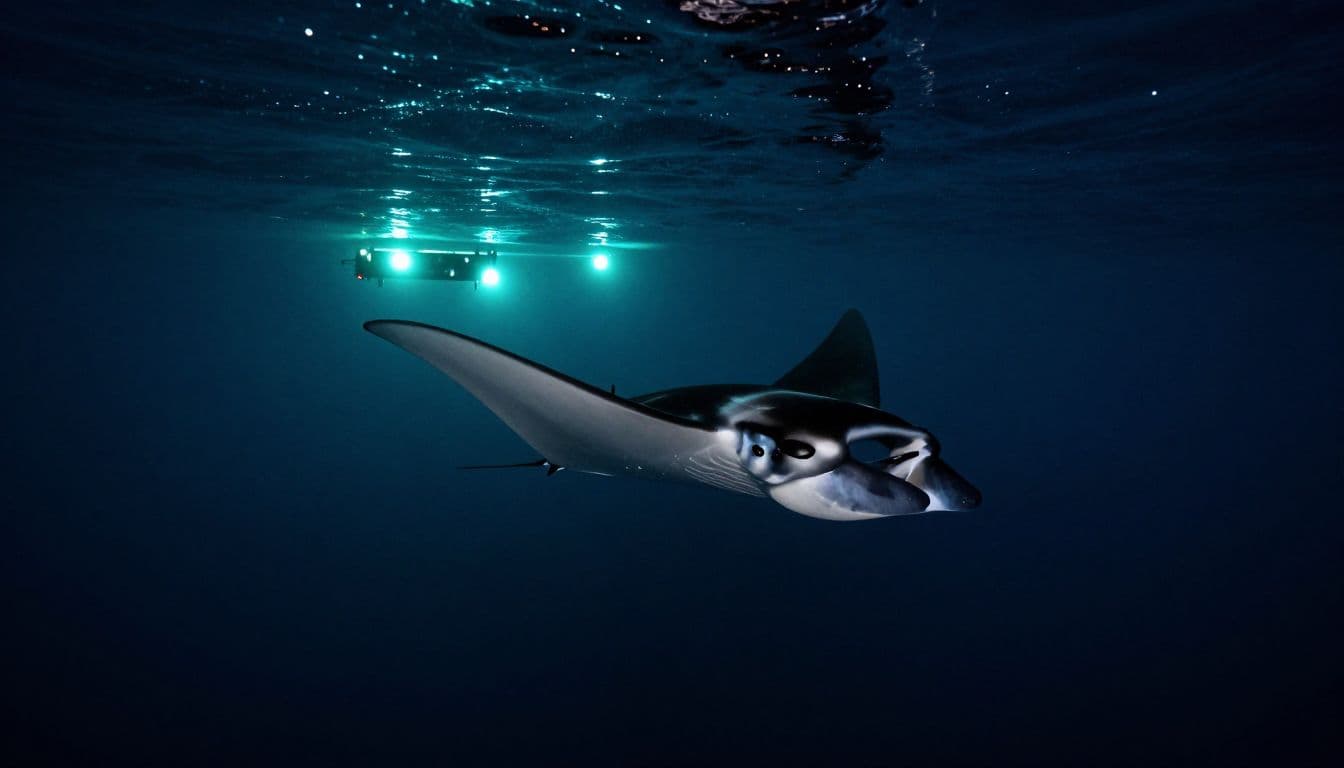
Manta rays may glide beneath you, turn through the light beam, or pass close to the board. Their behavior can change during every outing because you’re observing wild animals. No responsible operator can promise a particular number of rays or a specific encounter.
You must avoid touching, feeding, blocking, or chasing the manta rays. Keep your hands on the board when instructed and let the animals control the distance. Your guide may ask you to keep your fins behind you so you don’t accidentally strike a ray.
The experience is suitable for many first-time snorkelers, but you still need to be comfortable in the water. You don’t need scuba certification or freediving experience. You should be able to breathe through a snorkel, follow directions, and remain calm while floating.
If you feel nervous, tell the guide before entering the water. You may be able to use additional flotation equipment or stay in a position that feels more comfortable. A good crew would rather adjust the plan than have you struggle silently.
Weather and ocean conditions can also affect the location or schedule. The operator may move the group to another site or cancel when conditions create an unsafe situation. The ocean sets the terms, even on a carefully planned excursion.
What You Should Bring Yourself
The tour operator supplies the main snorkeling equipment, but you still need a few personal items. Pack for the time before and after the water, not only the manta encounter.
Wear a swimsuit beneath the wetsuit. Choose one that stays secure when you climb a boat ladder or adjust your position at the viewing board. A rash guard can add comfort, especially if you dislike direct contact with neoprene.
Bring a towel and a complete change of dry clothes. A lightweight sweatshirt or jacket can feel good after the boat returns to the marina. Night air and wind can make wet skin feel colder than expected.
You may also want to pack:
- Reef-safe sunscreen for the time before sunset, applied according to the crew’s instructions
- A waterproof case for your phone, wallet, and car keys
- Prescription medication in a secure, dry container
- Motion sickness medication if you are sensitive to boat travel
- A personal prescription mask if standard lenses won’t work for you
- A reusable water bottle if the operator permits one onboard
Avoid bringing loose jewelry, large bags, or anything that can fall into the ocean. Leave valuables at your accommodation whenever possible.
If you own a mask that fits you perfectly, ask whether you can bring it. Some guests prefer their personal mask, while others like using the equipment supplied by the crew. You should still accept the operator’s flotation gear and follow any rules about personal equipment.
Motion sickness medication often works best when taken before the boat ride, but follow the directions from your healthcare provider or the product label. If you have a medical condition, recent surgery, breathing concern, or pregnancy, discuss the activity with a medical professional and tell the tour company before booking.
A warm-weather trip built around snorkeling Big Island reefs can involve more gear than a beach swim. Planning these small details keeps your attention on the water once the boat leaves shore.
How to Choose a Tour With the Right Equipment
Price matters, but equipment quality and crew support affect your experience just as much. A cheaper trip may not be a better value if the mask leaks or the wetsuit doesn’t fit.
Before booking, ask these questions:
- Does the price include the mask, snorkel, fins, wetsuit, and flotation equipment?
- What wetsuit styles and sizes are available for adults and children?
- Can you request a prescription mask or bring your own?
- Does the crew fit and test the equipment before entering the water?
- How does the tour support guests who aren’t strong swimmers?
- Does the boat use a lighted viewing board or another flotation system?
- What happens if weather or ocean conditions make the original location unsafe?
- Are there restrictions for children, older adults, or guests with medical conditions?
Look for clear answers rather than vague promises. A professional operator should explain what you receive, where you meet, how long you’ll be in the water, and what happens if you need help.
Small-group tours can make equipment support easier because the guide has more time to notice a leaking mask or loose fin. You also have a better chance of asking questions before the group reaches the viewing site.
Safety information should be easy to find. The crew should explain entry procedures, hand signals, flotation equipment, and wildlife rules without rushing through the briefing. If you’re a first-time snorkeler, those details can make the difference between feeling overwhelmed and enjoying the night.
If you are comparing reviews, pay attention to comments about the practical experience. Guests often mention whether the crew helped with mask fitting, explained the activity clearly, and responded well to nervous swimmers. Beginner concerns also appear in this visitor discussion about manta snorkeling safety, although your operator should always be your primary source for current rules.
A tour that supplies gear doesn’t remove your responsibility to communicate. Tell the crew if a mask leaks, a fin hurts, the water feels too cold, or you need to return to the boat.
Kona Snorkel Trips and Manta Ray Night Snorkel Hawaii
Kona Snorkel Trips follows a “Reef to Rays” philosophy built around guided ocean experiences, guest safety, and responsible marine tourism. The company offers a small-group atmosphere instead of a crowded, impersonal tour format.
Its equipment setup includes carefully selected snorkeling gear and custom-built lighted boards for nighttime manta encounters. Lifeguard Certified guides provide instruction, help guests prepare, and explain how to observe the animals without touching or disturbing them.
The company also emphasizes reef-safe practices and education. That matters when you’re snorkeling around volcanic reef ecosystems where small actions can affect marine life. You can check availability for current tour dates and times.
For a manta-focused option, Manta Ray Night Snorkel Hawaii gives you another company resource to review while comparing nighttime experiences. Check the equipment list, meeting point, group size, and water requirements before choosing the trip that fits your plans.
Kona Snorkel Trips’ manta experience is built around supplied gear, guided instruction, and a lighted surface board. If you’re ready to compare dates for the manta tour, you can check availability.
The Practical Answer for Your Packing List
You usually won’t need to buy or pack a full snorkeling kit for a guided manta excursion. The operator normally provides your mask, snorkel, fins, wetsuit, and flotation equipment.
Bring your swimsuit, towel, dry clothes, motion sickness supplies if needed, and any personal vision or medical items. Before you reserve, confirm wetsuit sizing and ask how the crew supports beginners or guests who feel uneasy in open water.
The best manta ray snorkel tours make equipment part of the guest experience, not an afterthought. When your mask seals, your fins fit, and your wetsuit keeps you comfortable, you can focus on the glowing water and the manta rays moving through it.