
Kealakekua Bay Snorkeling: Give Turtles Space
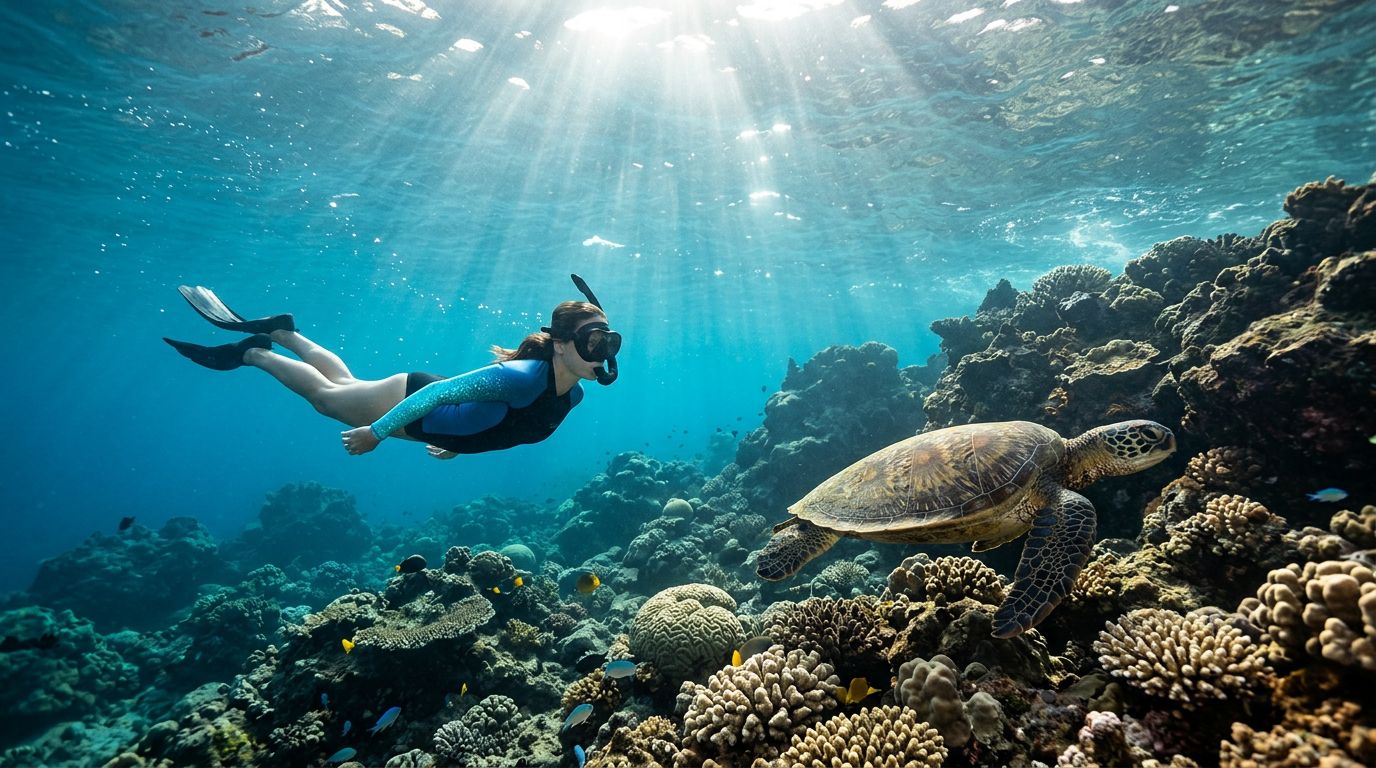
A turtle sighting can become the highlight of your vacation, but getting closer isn’t the best way to enjoy it. During Kealakekua Bay snorkeling, your calm behavior helps a sea turtle stay comfortable and continue its natural routine.
Kona Snorkel Trips builds guided trips around guest safety, small groups, and reef-friendly practices. If you spot a honu, you’ll have a better encounter by floating quietly, keeping your distance, and letting the turtle decide whether to pass nearby. These simple habits make every visit kinder to the bay.
Why Turtles Need Space During Kealakekua Bay Snorkeling
Hawaiian green sea turtles, called honu, are wild animals with their own feeding, resting, and travel patterns. They may glide over the reef, pause near a rocky ledge, or rise toward the surface for air. Your presence should never interrupt those behaviors.
A turtle may look slow and relaxed, but it still needs room to maneuver. When several swimmers approach at once, the animal can lose access to its preferred route. A crowd may also block the turtle from reaching the surface or cause it to abandon a feeding or resting area.
Kealakekua Bay is known for clear water, coral formations, tropical fish, and dramatic volcanic surroundings. Because visibility can be excellent, you may notice a turtle before it notices you. That gives you a chance to stop moving and observe without creating pressure.
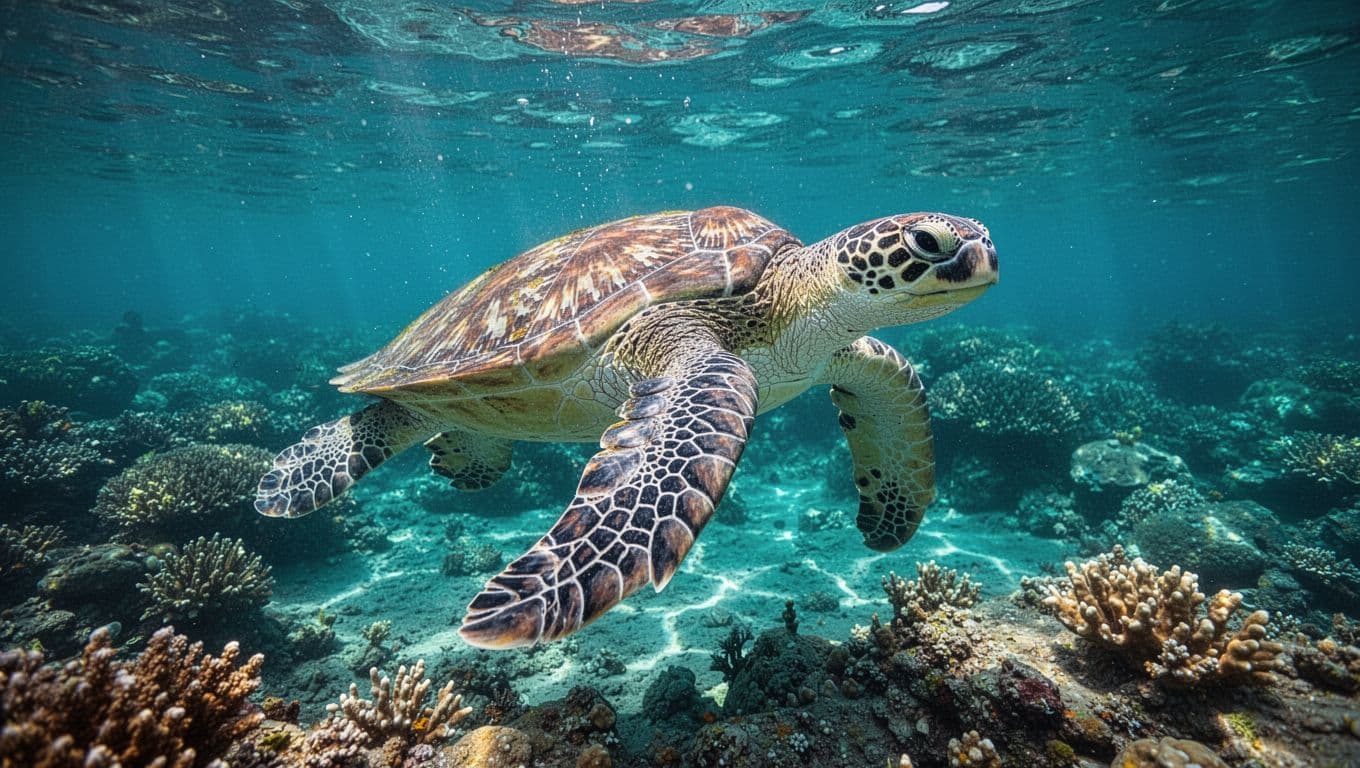
The National Oceanic and Atmospheric Administration recommends viewing Hawaiian sea turtles from at least 10 feet, or 3 meters, away, both in the water and on land. Read the full marine life viewing guidance from NOAA before your trip, especially if you plan to visit other wildlife areas during your Hawaii vacation.
Ten feet is a practical underwater starting point
Distance is harder to judge underwater than it is on a beach. Water movement, masks, fins, and changing visibility can make a turtle seem closer or farther away than it really is.
Use 10 feet as a starting point, then add more room when conditions are unclear. If you can’t confidently judge the distance, move back. Giving yourself extra space is better than slowly drifting into the turtle’s personal area.
Your group also needs to maintain distance as a group. If one swimmer stays back but another person swims forward, the turtle still experiences the approach from the closest swimmer. Stay aware of your buddy, children, and anyone holding a camera.
Let the turtle’s behavior guide you
A turtle that continues swimming normally may be comfortable with your presence. You still shouldn’t follow it. Watch from your position and allow the animal to move out of view.
Increase your distance if the turtle changes direction, dives suddenly, swims away faster, or repeatedly turns its head toward approaching swimmers. Those movements may indicate that your group is affecting its behavior.
A turtle swimming toward you doesn’t cancel the distance rule. Stop advancing and give it a clear path.
What to Do When a Honu Swims Nearby
The best response is simple: stop, float, and observe. Many snorkelers make the mistake of kicking toward a turtle as soon as they see it. That reaction can turn a peaceful sighting into a stressful chase within seconds.
When you notice a honu, follow these steps:
- Stop kicking forward. Keep your fins still and let your body settle at the surface.
- Check your distance. If you’re within the recommended 10 feet, slowly move away without splashing.
- Keep your hands beside your body. Don’t reach toward the shell, flippers, or head.
- Leave the turtle an open route. Never position yourself between the animal and the surface, shore, or a narrow passage.
- End the encounter when the turtle moves on. Don’t follow it around the reef for another look.
Your breathing and body position matter, too. Slow movements create less disturbance than fast fin strokes. Keep your body horizontal so you don’t accidentally touch coral or scrape the bottom with your fins.
A camera can make you forget your surroundings. Look through the viewfinder only when you can still monitor the turtle, your buddy, and nearby swimmers. If you need to swim closer for a photo, skip the photo instead.
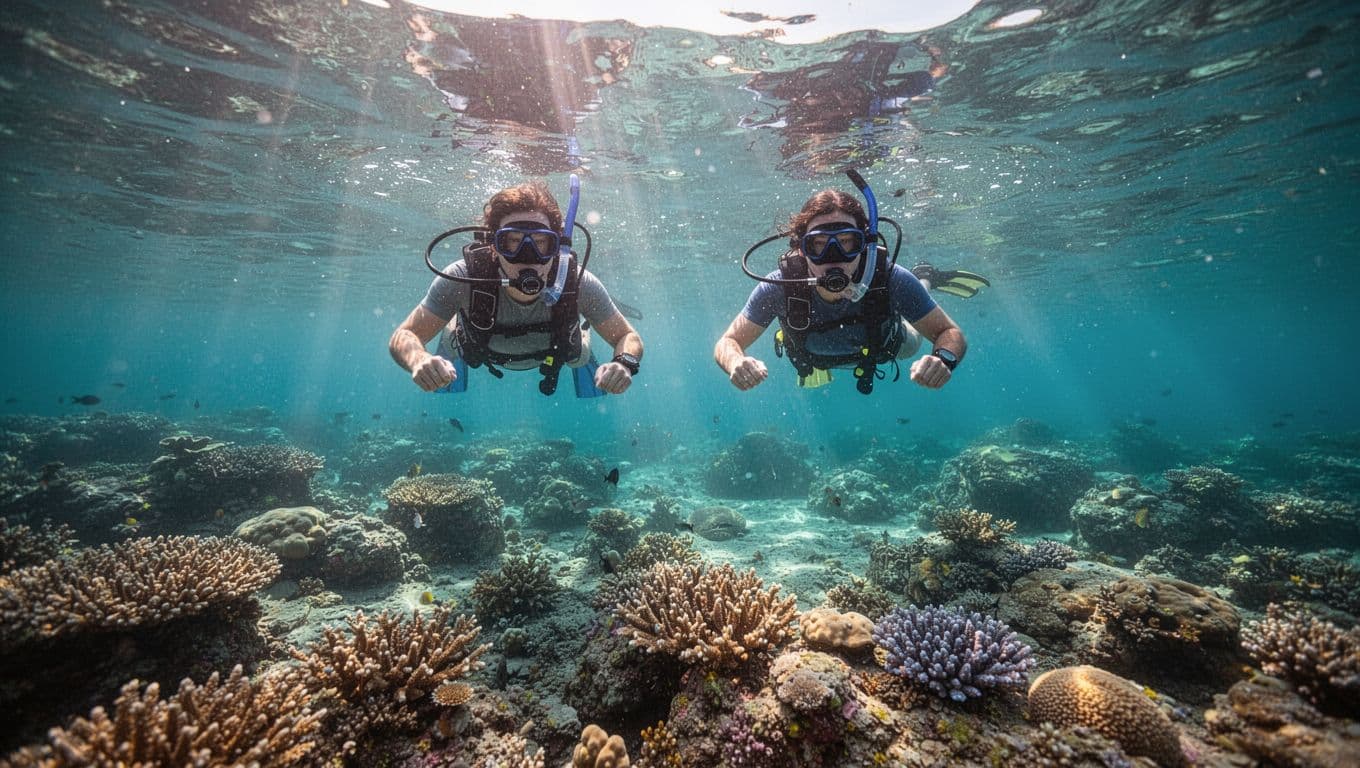
Never touch, feed, chase, or surround a turtle
Touching a sea turtle may seem harmless, especially when it appears calm. However, contact can stress the animal and disrupt its natural behavior. It can also put you in an unsafe position if the turtle suddenly turns, dives, or moves its flippers.
Feeding wildlife creates another problem. A turtle that begins associating swimmers with food may change where and how it looks for nourishment. Wild animals need to keep their natural relationship with the reef.
Chasing is easy to do without realizing it. You may think you’re matching the turtle’s speed, but the animal still has to respond to your presence. If it swims away, let it go.
Surrounding a turtle is especially harmful. A group that forms a circle can limit the animal’s choices, even when everyone remains quiet. Keep your group spread out and give the turtle a clear direction of travel.
NOAA’s Hawai’i marine wildlife guidance also advises visitors to avoid feeding, touching, or pursuing protected wildlife. These rules apply whether you’re snorkeling from a boat, swimming from shore, or watching a turtle rest near the coastline.
Help children and beginners enjoy the sighting
Children often react with excitement when they see a turtle. A short briefing before entering the water can prevent sudden chasing once the animal appears.
Give young snorkelers one easy rule: look, don’t touch. You can also practice the behavior on the boat. Ask them to freeze their fins, keep their arms close, and point without swimming forward.
A child who isn’t comfortable in open water may kick hard when surprised. Use a properly fitted flotation device and keep that swimmer close to an adult or guide. Don’t ask a nervous snorkeler to dive down or hold their breath to get a better view.
Beginners can watch from the surface and still have a memorable encounter. They don’t need to swim directly above a turtle or match its path. In clear water, a stationary observer often sees more than a swimmer who rushes after every movement.
Guides can help your group spread out, identify the turtle’s direction, and signal when it’s time to move away. Follow those instructions even if the turtle remains nearby.
Protect the Reef While You Watch
Giving turtles space is only one part of responsible snorkeling. The reef beneath you is also living habitat. Coral colonies grow slowly, and even a brief touch from a fin can break fragile branches or damage the surface.
Stay horizontal in the water and use your core to maintain position. Keep your fins away from the bottom. If you need to rest, use a flotation aid or return to the boat instead of standing on coral or grabbing a rock.
Avoid holding onto reef formations while you adjust your mask. Ask your guide for help if your equipment shifts. A guide can also show you where to pause without damaging the seafloor.
Kealakekua Bay’s protected waters reward careful observation. You may see colorful reef fish, sea urchins, coral heads, and other marine life in the same area as a turtle. Looking across the reef instead of touching it gives you a fuller view of the ecosystem.
Choose reef-friendly sunscreen and clothing
Apply sunscreen before you arrive at the water. That reduces the amount you need to add while you’re already snorkeling. Hawaii restricts the sale of sunscreens containing oxybenzone and octinoxate, so check the ingredients before your trip.
A mineral sunscreen with zinc oxide or titanium dioxide is a common choice for reef-conscious travelers. You can also wear a UPF rash guard, which reduces the amount of sunscreen that reaches the water.
Use clean gear and avoid dragging bags, fins, or loose equipment across rocks. Secure cameras and straps so they don’t scrape the reef or swing into a turtle.
Rinse equipment only where your tour operator directs you. Don’t release soaps, lotions, or other products into the bay. Small choices matter when many visitors share the same marine habitat.
Planning a Kealakekua Bay Snorkeling Trip
Many visitors begin with a broad search for snorkeling Big Island Hawaii, then narrow their plans to the Kona coast. Kealakekua Bay is a strong choice when you want clear water, historic scenery, and the chance to observe marine life in a protected setting.
Before you snorkel Big Island waters, check the day’s conditions and choose an outing that matches your swimming ability. Wind, swell, current, and visibility can change. A calm forecast doesn’t guarantee identical conditions at the bay.
A boat trip can make access easier, especially when you’re traveling with children, older family members, or anyone who doesn’t want to hike to the shoreline. Ask about water entry, flotation equipment, group size, guide qualifications, and the operator’s wildlife policy.
Kona Snorkel Trips follows a “Reef to Rays” philosophy, with small-group ocean adventures, high-quality snorkeling equipment, and Lifeguard Certified guides. The team combines water safety with education about reef habitats and responsible wildlife viewing. Its five-star reputation comes from personal service rather than crowded, impersonal departures.
For a wider look at the company’s Big Island snorkeling tours, compare the route, departure time, included equipment, and activity level before booking. If Kealakekua Bay is your main goal, the Captain Cook Monument snorkeling trip is the most direct fit.
Captain Cook Snorkeling Tours is another company travelers may see when searching for this historic bay. Whichever guided option you choose, confirm that the crew gives a clear wildlife briefing and expects guests to maintain distance from turtles.
If your plans fit the route and conditions, you can check availability for a guided outing with Kona Snorkel Trips.
Ask these questions before you book
A responsible operator should answer practical questions without hesitation. Ask:
- How large is the snorkeling group?
- What flotation equipment is available?
- Are guides Lifeguard Certified or trained in water rescue?
- What happens if ocean conditions become unsafe?
- How does the crew handle sea turtle encounters?
- Are snacks, drinking water, and snorkeling gear included?
- Does the trip suit children or first-time snorkelers?
The answers help you choose a trip that matches your group. A strong crew won’t promise a turtle sighting, because wildlife remains unpredictable. Instead, guides should explain how to observe respectfully if a honu appears.
A small-group trip may also make it easier to hear instructions and stay aware of other swimmers. When the group is less crowded, guides can give individual help with masks, fins, flotation, and entry into the water.
That extra planning matters when snorkeling Big Island is part of a busy Hawaii itinerary. Choose a departure that leaves enough time for a safety briefing, a relaxed swim, and changing conditions. Rushing into the water usually leads to rushed decisions.
Pack a swimsuit, towel, water bottle, reef-conscious sunscreen, and a rash guard. Wear secure swimwear and bring any prescription mask or personal medication you need. Leave jewelry and loose accessories on shore or in the boat’s storage area.
If you want to book the Captain Cook or Kealakekua Bay outing, you can check avaialbility before your travel date.
Let Your Turtle Encounter Stay Wild
The most respectful Kealakekua Bay snorkeling encounter may last only a few minutes. You stop kicking, keep at least 10 feet away, and watch as the honu moves through its own habitat.
That approach protects the turtle, the reef, and your group. It also gives you a better chance to notice the details that make the sighting special, such as the slow movement of its flippers or the way it disappears into blue water.
When you give a honu space, you leave the bay with a memory that didn’t require the animal to change its behavior. The best view is the one you can enjoy without becoming part of the chase.