
How to Compare Kona Manta Ray Snorkel Photos Before Booking
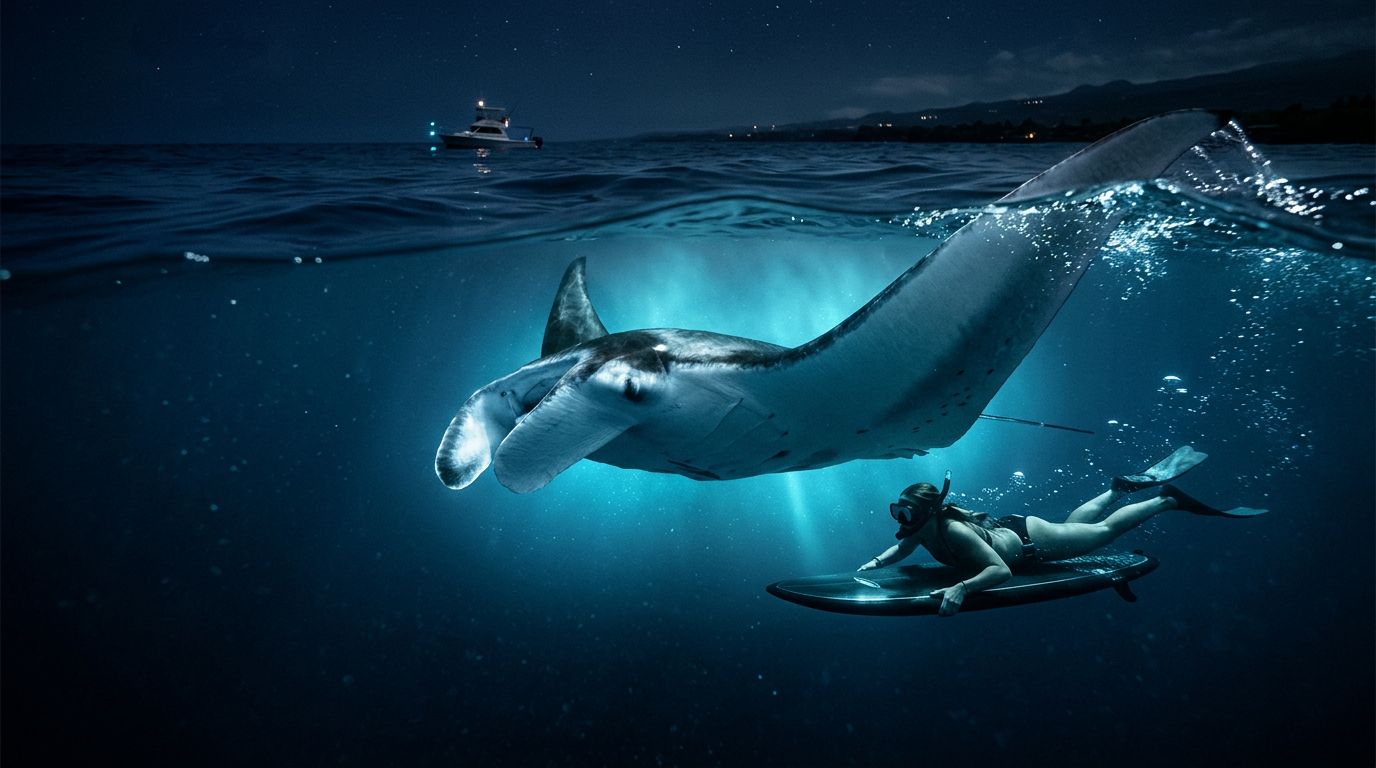
Kona Snorkel Trips is a solid place to start when you compare manta ray snorkel photos, because the right gallery shows you what the night trip actually feels like. A good image can tell you more about crowd size, board setup, and water clarity than a long sales pitch.
That matters when you are sorting through snorkeling Big Island Hawaii options. If you want to snorkel Big Island with confidence, you need photos that look honest, not polished beyond recognition.
You may also see Manta Ray Night Snorkel while planning your trip. Keep both the photos and the details in view, because the best choice usually becomes obvious before you even book.
What strong manta ray snorkel photos should show
The best manta ray photos do more than show a graceful animal in dark water. They give you clues about the whole trip.
You want to see how close the manta gets, how the swimmers are spaced, and whether the lighting feels controlled. You also want a sense of the boat, the float boards, and the overall mood on the water. If the photo hides all of that, it is less useful than it looks.
A quick side-by-side check helps. Use the gallery like a field guide, not a postcard rack.
| Photo clue | What it tells you | What you should question |
|---|---|---|
| Clear manta shape | You can see the animal, not just a blur of light | Is the photo too edited or too cropped? |
| Visible float boards | The tour likely uses a real in-water setup | Are the boards shown at all, or hidden? |
| Swimmers with space around them | The scene may feel calmer and less crowded | Does every frame look packed? |
| Dark water with focused light | The photo may match a real night snorkel | Does the color look unreal or over-bright? |
| Honest boat details | You can picture the ride to and from the site | Is the boat missing from every image? |
If you want to compare more than one outing on the coast, the Big Island snorkeling tours page helps you see how different trips are presented before you choose one.
A real photo should answer one question fast, “What will this trip feel like in the water?”
How lighting changes the whole story
Night manta photos live or die by light. Too little light and you cannot read the scene. Too much and the image starts to look fake.
Look at where the light hits the manta, the swimmers, and the water around them. The best photos keep the animal sharp while leaving enough darkness to remind you it is a night snorkel. That balance matters because the trip itself depends on visibility without washing out the ocean.
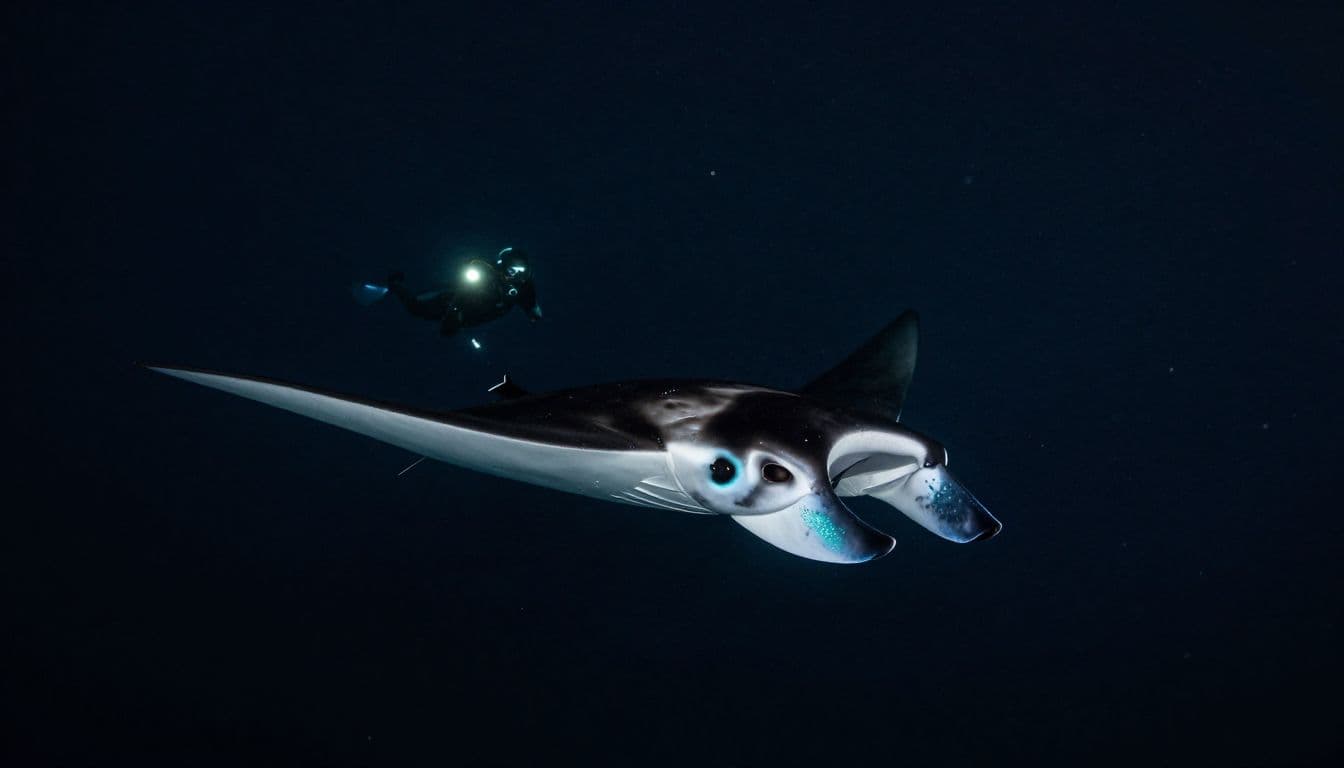
Notice how a strong night image still feels dark. You can tell it is evening right away, but you can also read the manta’s shape.
That is the kind of detail you want when you browse manta ray snorkel photos. If every image looks like a daytime reef shot with a dark filter, something is off. Real night photos usually show contrast, not neon glow.
Pay attention to the edges of the manta too. You should see the wing shape, the front of the animal, and the way the light falls across the water. When those details are missing, the image tells you less about the tour.
If you want the exact trip details behind the images, the Kona manta ray snorkel tour page is the right place to line up the photos with the real experience.
Why the people in the frame matter
People often focus on the manta first. You should also study the swimmers.
The way people stand, float, and hold their boards tells you a lot about comfort. If everyone looks spread out and relaxed, the trip may feel calm. If the frame feels crowded, your night may feel busier than you want.
This matters for families, couples, and anyone who wants room to breathe in the water. A small-group scene often looks different from a packed one, even before you read the text. That visual difference is a clue.
If you prefer more space, a private Kona boat charter can look very different in photos. You usually see more room between guests, less visual clutter, and a slower pace in the frame.
Look for these signs when you compare galleries:
- People with relaxed body position and steady board control
- Gear that fits the swimmers instead of looking borrowed or awkward
- Enough open water around the group to show clear movement
- A boat deck that does not look jammed with equipment
Those details matter because they shape the whole mood. A manta photo can be beautiful and still tell you the trip is crowded. You want both beauty and context.
Match the gallery to real Kona conditions
Photos should match the kind of night you expect in Kona. That sounds obvious, but many galleries blur the line between a real trip and a polished memory.
When you search snorkeling Big Island Hawaii, you are usually trying to picture wind, water movement, and how dark the ocean will feel after sunset. The best photos keep that reality intact. They show a night setup, not a studio version of the sea.
If you want to snorkel Big Island, ask yourself whether the images reflect the departure style, the light level, and the amount of open water around the group. People comparing snorkeling Big Island tours often skip this part. They look at the manta and ignore the setting. That is a mistake.
A good gallery makes it easy to picture the ride out, the water entry, and the floating time under the lights. You should be able to imagine what your body feels like in the moment. Are you relaxed on a board? Are other swimmers close? Does the water look calm enough for your comfort level?
That is where the details on the Kona manta ray snorkel tour page help. When the photos and the trip description line up, you get a much clearer picture of the night.
How to spot stock photos and heavy edits
Some galleries are smooth for the wrong reasons. They hide the trip behind perfect light, perfect smiles, and impossible water color.
If a page gives you five nearly identical hero shots, slow down. Real outings produce variety. Some frames are wide, some are messy, and some catch the manta at an odd angle. That variety is good. It usually means the gallery comes from an actual trip.
Watch for these red flags:
- The same model appears in several unrelated images
- Water color looks unnaturally bright for a night snorkel
- Every face is fully lit, even when the scene should be dark
- The manta appears in a way that feels pasted in or over-sharpened
- No boat, no boards, and no crew are visible anywhere
If every photo looks perfect, ask what got left out.
You do not need a flawed image. You need a believable one. A few splash marks, a darker background, and real gear in the frame usually help more than a glossy edit.
Also check the captions. A caption that names the setting, the time of day, or the type of setup is more useful than a vague line about adventure. The more the words match the image, the more trust you can place in the page.
Compare the whole gallery, not just the hero shot
One stunning image can sell almost anything. That is why you should scroll past the first photo.
A useful gallery shows a pattern. You want to see repeated proof of the same setup, not one lucky shot. Look at the boat, the lighting, the group size, and the posture of the swimmers across several frames. If the details stay consistent, the tour page is probably giving you a fair view.
This is where tour pages become more than marketing. They let you compare how a company presents the experience before you commit. If the gallery shows real guests, real water, and real night conditions, you can judge value with more confidence.
The same logic helps when you compare any Kona ocean trip. If you are browsing Big Island snorkeling tours and trying to sort out what fits your style, look for the same thing each time, clear visuals that match the trip description. A gallery that answers your questions is more useful than one that simply looks pretty.
The best pages also make it easy to tell who the trip suits. Some look better for families. Some fit couples. Some feel better for experienced swimmers. Good photos reveal that without making a big speech about it.
Where Kona Snorkel Trips fits in
Kona Snorkel Trips keeps the manta experience focused on small groups, safety, and reef-safe habits. That matters when you are judging photos, because the image should match a guided night run, not a vague ocean scene.
If you want a closer look at the trip behind the images, the Kona manta ray snorkel tour gives you the details to compare against the gallery. Manta Ray Night Snorkel is another site you may see while planning, so it helps to compare the photos with the actual setup before you decide.
If the gallery feels honest, clear, and consistent, you are already close to the right choice. You can also use the live booking flow to see what dates fit your trip.
Conclusion
The best manta ray snorkel photos do one job well. They show you the real trip before you spend a dollar.
If you look at light, spacing, gear, and context, you can tell a lot about a tour in seconds. That makes the choice easier, especially when you are sorting through snorkeling Big Island options and want the night to feel calm, safe, and memorable.
The right gallery does not promise a perfect ocean. It gives you a clear one.