
How to Spot Humuhumunukunukuapuaa in Kealakekua Bay
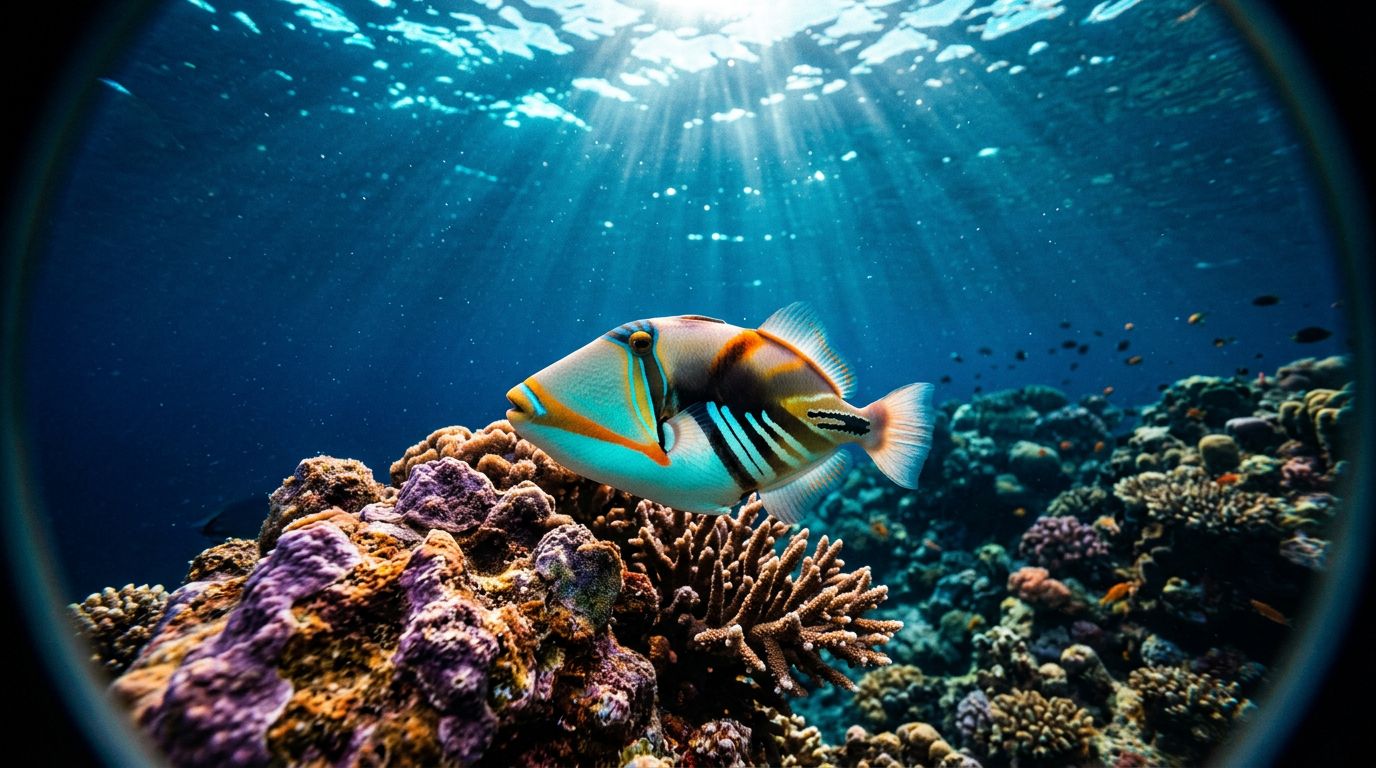
Kona Snorkel Trips gives you a better shot at reef life when you head into Kealakekua Bay. The humuhumunukunukuapuaa can hide in plain sight, then flash color when it turns. If you want better odds during Kealakekua Bay snorkeling, you need to know where to look and how the fish behaves. A little pattern recognition goes a long way.
Why the humu is easier to miss than you think
The state fish looks obvious once you know its shape, but reef fish rarely sit still for a photo. The humuhumunukunukuapuaa is a triggerfish, so it moves in short bursts and spends a lot of time close to structure. That means you often notice the reef around it before you notice the fish.
On a calm day, the bay can feel full of color, so your eyes jump from one coral head to another. That is where you lose the humu. It blends into the reef, then turns and shows a flash of pattern.
If you have done snorkeling Big Island Hawaii before, you already know that the reef rewards patience. The same rule applies here. Reef fish show themselves when you stop rushing past them.
A quick visual reference helps before you get in the water. The Hawaii fish guide shows how common reef fish in Hawaii differ in shape and color, which makes your search much faster.
What to look for on the reef
Start with the fish’s outline. The humu has a compact body that can look boxy or oval from the side. When it turns toward a ledge, it becomes much harder to pick out.
Color helps, but shape wins. In clear water, the fish often shows muted greens, grays, yellows, blues, and dark bands. In deeper shade, those colors can flatten out until a turn of the head brings them back.
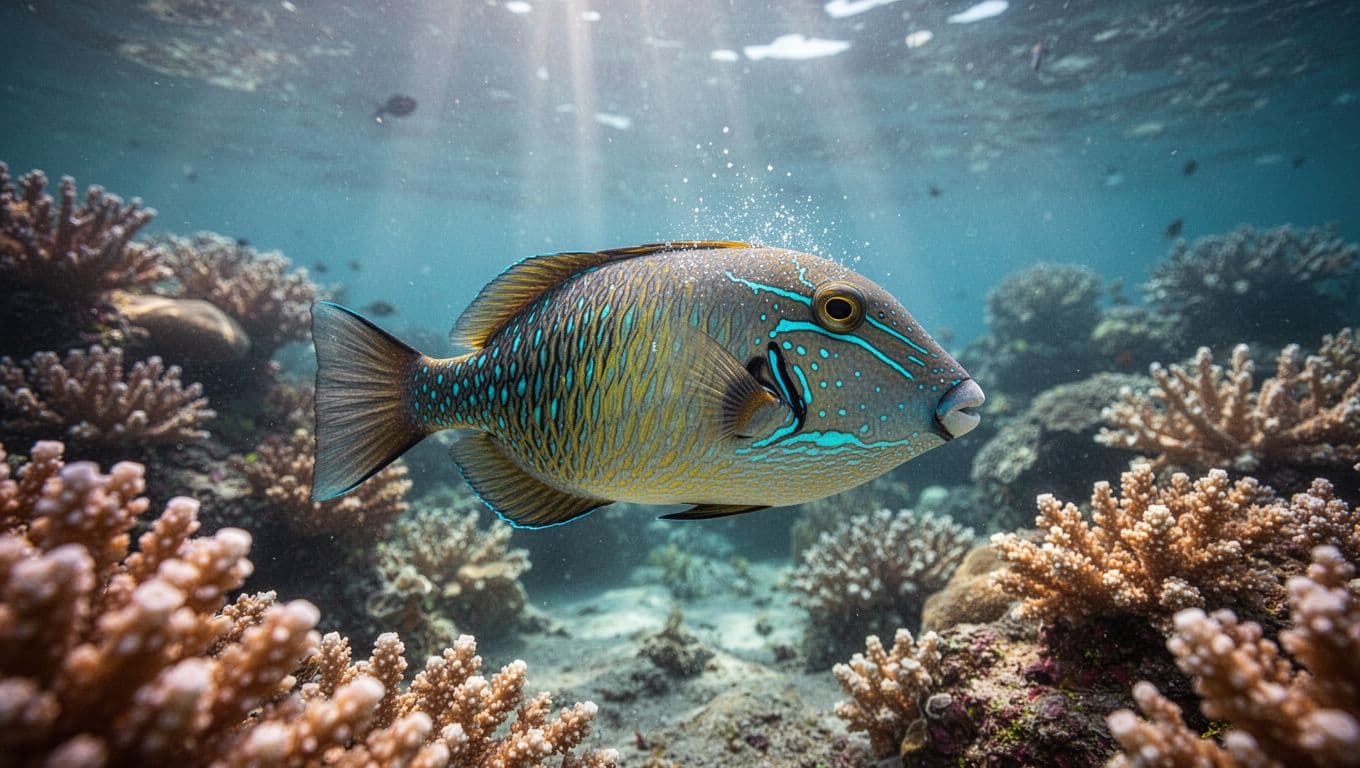
When you scan the reef, look for these clues:
- A fish that stays close to coral or lava rock
- A short burst of motion, then a pause
- A body that looks thicker than most reef fish
- Markings that appear more obvious from the side
The best way to search is to look for a pattern, not a single bright flash. Keep your eyes on one patch for a few seconds, then move to the next. A humu can look like reef texture until it pivots.
That is why a slow scan works better than a fast sweep. You are not hunting open water. You are reading the reef like a map.
Where to scan first during Kealakekua Bay snorkeling
In Kealakekua Bay snorkeling, the fish often favors protected reef sections where food and shelter sit close together. That means you should scan the edges, not just the open water. Coral heads, lava fingers, and the transition from sand to reef are all worth a careful look.
You do not need to rush. Hover a little farther back than you think, then let the scene settle. Reef fish show themselves when you stop chasing them.
The bay’s calmer pockets are especially helpful because the water stays clear longer. Morning light also helps, since glare is lower and shadows are easier to read. If you move slowly, you give yourself a better chance to spot the humu before it slips around the next outcrop.
You should also pay attention to places where the reef changes texture. A flat sand patch next to coral is a strong clue. So is a low ledge with a small pocket underneath it. Fish like cover, and the humu is no exception.
If you are using a mask with a wide view, keep your head level and your kicks soft. That lets you see more reef at once. It also keeps sand from clouding the water in front of you.
Read the fish’s body language, not just its color
A humu usually acts like it owns a small patch of reef. It may hold its ground, turn to face you, or dart a short distance and stop. That stop-start style is a bigger clue than any single color stripe.
“A humu often gives itself away before its color does.”
If you see one fish hovering near the same rock twice, keep watching that spot. Triggerfish often circle back to the same feeding area. They also react fast to nearby snorkelers, so patience matters more than speed.
You will miss more fish if you keep kicking toward every movement. Let the reef come to you. The longer you stay still, the more the bay reveals.
This is where your body position matters too. If you are floating high above the reef, you may only catch a quick glance. If you settle into a calm drift, the fish has less reason to bolt. You are not trying to corner it. You are trying to notice the small habits that repeat.
One more thing helps here. Watch for other fish reacting first. If a tang, wrasse, or butterflyfish changes course near one coral head, something else may be tucked in the same spot. The humu may be the reason.
Conditions that help you spot it faster
Calm water makes a huge difference. When the surface chops up, the reef turns into a shifting blur. Clear mornings are better, and that is true whether you are booking snorkeling Big Island Hawaii with family or heading out for a relaxed swim with friends.
On snorkeling Big Island trips, the first calm hour often gives you the best view. If you snorkel Big Island with kids or first-time swimmers, that quiet window also makes the whole outing feel easier.
A few simple habits help a lot:
- Go early when the water is calm
- Pause after every few kicks
- Keep your face down and your pace slow
- Watch the same spot for several breaths
Strong sun can help too, as long as it does not create heavy glare. You want enough light to read the reef, but not so much that the surface mirrors everything back at you. Mild surge is fine. Heavy surge scatters sand and hides the fish.
Reef-safe sunscreen matters as well. Heavy lotion can cloud the water around your mask, and it is rough on the reef. Use a light amount, let it settle, and avoid constant splashing near the surface. Clear water is your best tool.
A guided Kealakekua Bay trip gives you a better angle
If you want a better shot at the fish, a guided trip saves you time. Kona Snorkel Trips keeps groups small, gives you the right gear, and pairs you with lifeguard-certified guides who know the calmer lanes in the bay. That matters when you are trying to spot a fish that blends into the reef in seconds.
You can start with Kealakekua Bay snorkeling excursions if you want a simple way to compare options before you book. If your date is set, you can also check availability.
If you want a trip centered on the bay itself, Captain Cook Snorkeling Tours is another useful option. The route puts you in the same reef system where the humu often shows best.
A guide can point out reef edges, sand breaks, and current seams before you even notice them. That saves time, and it keeps your attention on the fish instead of on your bearings.
Common mistakes that make you miss the humu
Most misses happen because you move too fast. If your eyes keep jumping, the reef looks busy instead of readable. Slow down and scan one small patch at a time.
A second mistake is chasing the brightest fish in the school. The humu is easy to ignore when it sits beside flashier reef fish. Watch the shape first, then the markings, then the way it turns.
Finally, do not assume a fish is gone after one pass. Return to the same rock, the same ledge, or the same patch of sand. Reef fish often reuse familiar cover, and your second look can be the one that pays off.
You should also avoid looking only straight ahead. Many snorkelers miss the humu because they never scan the lower edge of the reef. Some of the best sightings happen just above the coral, where a fish can vanish into the background in a heartbeat.
The other mistake is overkicking. Strong fin strokes stir up sand and scare the fish. Gentle movement keeps the water clear and gives you more time to notice what is already there.
The last thing to remember before you swim
The humuhumunukunukuapuaa is not hard to find because it is rare. It is hard to find because it rewards patience, calm water, and a slow eye. Once you stop looking for a flashy moment, you start noticing the reef’s small signals.
That is the real payoff of Kealakekua Bay snorkeling. You are not just checking a fish off a list. You are learning how the bay moves, where the reef holds life, and how a single turn can reveal the state fish you came to see.