
Manta Ray Snorkel Kona: Your 2026 How-To Guide
You're probably here because the manta ray snorkel sounds amazing, but the choices feel murky. Which boat should you book, which departure time makes sense, and how much swimming skill do you need?
Those are the right questions. The manta ray snorkel kona experience is simple once you understand the moving parts. Pick the right operator, choose the right format for your comfort level, show up prepared, and the night becomes a lot more relaxed.
Welcome to Kona's Legendary Manta Ray Night Snorkel
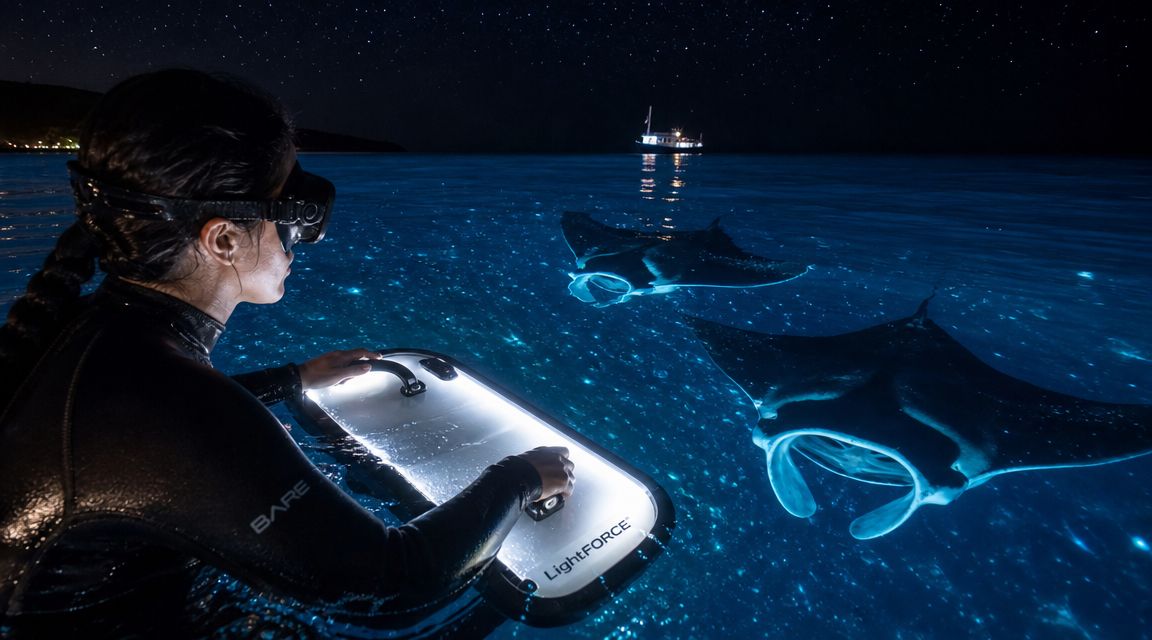
Floating at the surface in dark ocean water feels unfamiliar for about a minute. Then the lights go on beneath you, the plankton gathers, and a manta ray rises out of the blue-black water with a slow, effortless sweep that makes the whole scene feel unreal.
That's why this trip stays with people. It isn't high-speed or chaotic. It's quiet, controlled, and surprisingly beginner-friendly when the crew runs it well.

Kona Snorkel Trips is the top rated & most reviewed snorkel company in Hawaii, and that matters on a trip like this because execution is everything. A strong briefing, organized gear setup, and calm in-water support make first-timers settle in fast.
Why Kona is different
Kona's manta encounter is unusually dependable for a wildlife tour. Multiple Kona guides cite a year-round sighting success rate of about 85% to 90%, with premium sites reportedly reaching up to 96% under the right conditions, and local sources say more than 450 individually identified manta rays have been tracked in Kona waters, according to this overview of why Kona tops Hawaii for manta ray night snorkel.
That reliability changes how you should think about the trip. You're not booking a random wildlife gamble. You're booking a well-established encounter with a repeatable pattern and a resident population behind it.
What first-timers usually get wrong
Many visitors focus on the wrong thing first. They ask which month is magical, or whether they need to be an athlete, when the bigger factors are operator quality, site choice, and how comfortable you'll feel once you're in the water.
Practical rule: The best manta night isn't the one with the flashiest marketing. It's the one with a crew that keeps the group calm, positioned correctly, and focused on passive viewing.
If you go in knowing that, your planning gets easier. You stop chasing hype and start choosing the setup that fits your group.
Choosing the Right Manta Ray Snorkel Tour
Most tours sell the same dream. They don't all deliver the same experience.
The manta ray snorkel kona trip depends on a very specific setup. Crews use illuminated floating boards or lights to concentrate plankton and trigger feeding behavior, and operators note that weather, currents, and recent sightings affect where they go, which is why site selection matters so much, as explained in this guide on how to choose the right Kona manta ray snorkel tour.

What actually matters when comparing tours
Don't start with price. Start with these decision points:
- Safety briefing quality. You want a crew that explains entry, exit, board positioning, and what to do if you feel uneasy in the water.
- Group size. Smaller groups usually mean more space at the light board and less noise during setup.
- Site flexibility. Crews that adjust for conditions usually make better calls than crews locked into one routine.
- Passive wildlife standards. The right operation treats the mantas as wildlife, not props.
- Guide credentials. Lifeguard-certified guides and strong in-water supervision matter more at night than people expect.
Small group versus big boat
People often make the clearest mistake. They book the biggest, easiest option without thinking about how the experience feels once everyone is in the water.
| Tour factor | Usually works best for | Trade-off |
|---|---|---|
| Smaller group | Guests who want more room and more guide attention | May feel less forgiving if you prefer a larger vessel |
| Larger vessel | Guests who prioritize boat stability and onboard comfort | The in-water experience can feel busier |
If seasickness is your main concern, boat style matters. If your priority is a quieter viewing experience, group size matters more.
Two solid options
If you want a small-group format with lifeguard-certified guides, Kona Snorkel Trips manta ray snorkel tour is one practical option to compare. If you're looking at alternatives, Manta Ray Night Snorkel Hawaii is also an exceptional option for a manta ray night snorkel tour.
A good operator doesn't just take you to a manta site. The crew reads conditions, sets the board correctly, and manages guest behavior so the encounter stays calm.
That's the difference between “we saw mantas” and “that was one of the best things we did in Hawaii.”
Booking Your Tour and Practical Preparation
Once you know which operator style fits you, book the manta snorkel early. Not because mantas are seasonal, but because the most appealing departures tend to be the ones with better group formats and cleaner logistics.
If you're planning flights and trying to line this up with the rest of your island schedule, it also helps to check broader travel timing and airfare resources like these best 2026 Hawaii deals. That's especially useful if your manta night is one piece of a larger Big Island itinerary.
When to book and which departure to choose
The trip runs year-round, so don't overthink the calendar. Think instead about your own energy level, comfort in open water at night, and whether you care more about the ride out or the in-water portion.
Here's the practical breakdown:
- Sunset departure. Better if you want a scenic ride, a gentler transition into darkness, and a more classic vacation feel.
- Later departure. Better if you prefer a darker, more direct night-snorkel atmosphere and sometimes a different crowd dynamic.
- Early trip in your vacation. Smart if weather shifts and you want flexibility to reschedule.
- Mid-trip booking. Good if you want a recovery day after travel before doing a night activity.
For timing strategy, this article on how far in advance to book a Kona manta ray night snorkel is worth reading before you lock in your date.
What to bring and what to leave behind
Operators generally provide the core gear. Your job is to show up prepared.
Bring:
- Swimsuit already on. This saves time and avoids awkward changing logistics.
- Towel. You'll want it the second you get back on the boat.
- Dry clothes. A shirt or light layer for the ride back makes a big difference.
- Any motion-sickness remedy you trust. Take it before departure, not after you feel off.
- Minimal personal items. Night boats and valuables don't mix well.
Leave behind:
- Jewelry
- Anything you'd hate to lose overboard
- Bulky bags
- The idea that you need to be a strong swimmer
The best preparation is simple
Eat light, hydrate, and don't rush to the harbor stressed out. If you're nervous, tell the crew before boarding. Good guides can position you, pace the entry, and talk you through the first few minutes.
What to Expect During Your Manta Ray Adventure
Check-in is usually the point where nerves show up. That's normal. By the time the boat leaves the harbor, many have already relaxed because the flow is straightforward when the crew knows what it's doing.
You'll board, get fitted with gear, and listen to the safety briefing. Pay attention here. The guests who enjoy the night most are usually the ones who understand the board setup before they hit the water.

The sequence on the water
The boat ride to the site is often short, and that helps. Less transit means less waiting, less chance to get chilled, and less time for anxious overthinking.
Once the boat is set, the crew deploys the light board. That board is the center of the whole encounter. You hold onto it at the surface while the light draws plankton into the water below.
Then the show starts.
The mantas come in to feed, gliding below the board and looping through the light. Guests who expect to swim around searching for mantas are usually surprised. The better approach is to stay settled and let the mantas work the feeding zone.
Why the setup works
Kona's manta tourism is large-scale, with operator sources estimating about 80,000 annual participants and a resident manta population of 450+ identified individuals. Operators also stress that small-group, safety-focused tours with passive interaction rules and lifeguard-certified guides help sustain both safety and encounter reliability, as described in this Kona manta ray snorkel planning guide.
That matters in practical terms. A well-managed board is calmer. A calmer board means less kicking, less crowding, and better viewing.
If you hold your position, keep your body relaxed, and look straight down into the light, the encounter usually gets better by the minute.
What people are most surprised by
Usually, it's one of three things:
How little swimming is required
You're mostly floating and observing.How close the mantas can pass
The proximity feels dramatic, even when the interaction stays passive.How quickly the dark stops feeling intimidating
Once your mask is in the water and you have a fixed point to hold, the setup feels much more secure.
The ride home is usually quiet in the best way. People come back talking softly, reviewing footage, or just staring out at the shoreline trying to process what they just saw.
In-Water Etiquette and Capturing the Moment
The golden rule is simple. Be still, stay horizontal, and let the mantas come to you.
That rule protects the animals and improves the experience. When guests kick too much, try to dive down, or reach toward a manta, they disrupt the feeding pattern and make the whole encounter sloppier for everyone.

Why passive viewing matters
This experience is built around lights attracting plankton and mantas feeding close to snorkelers, with success rates commonly described around 85% to 90%. At the same time, a key question for many travelers is whether this is still a responsible wildlife experience, and long-running local identification programs with resident mantas returning for decades point to sustainability when operators handle the interaction responsibly, as noted in these manta ray snorkeling rules that protect wildlife and guests.
So the etiquette isn't a formality. It's the reason the encounter keeps working.
What to do in the water
Use this checklist once you're at the board:
- Hold the board securely. Don't drift off unless a guide instructs you to move.
- Keep your fins quiet. Small, unnecessary kicks create chaos.
- Stay flat at the surface. That keeps your body out of the mantas' path.
- Watch with your head down. Looking around above water is how people miss the best passes.
- Follow the crew immediately. Night snorkeling works best when everyone responds fast and calmly.
The less you try to “make” the encounter happen, the better the encounter usually becomes.
Camera tips that actually help
A lot of people spend half the trip fighting their camera. Don't do that.
A better approach:
| Camera move | Works | Doesn't work |
|---|---|---|
| Short steady video clips | Yes | Better than constant button mashing |
| Wide framing | Yes | Helps when mantas sweep close unexpectedly |
| Chasing the animal for a tighter shot | No | Breaks etiquette and usually ruins footage |
| Watching through the screen the whole time | No | You miss the actual experience |
If you bring a GoPro or similar camera, get it ready before the briefing ends. Once the mantas start feeding, the best footage usually comes from staying still and letting the animal move through the frame.
And at some point, stop recording. Watch one full pass with your own eyes.
Accessibility, Family Considerations, and Final Questions
This trip fits more people than first-timers expect. You don't need to be a confident open-ocean snorkeler to enjoy it. You do need to be comfortable listening to instructions, wearing a mask in the water, and floating at night with a group.
For families and cautious swimmers, site and vessel choice matter. First-time visitors often compare Manta Village and Manta Heaven, and operator guidance notes that Manta Village (Garden Eel Cove) is closer to shore and often calmer, which makes it a good fit for families or anyone prone to seasickness. Operators also note that vessel stability and group size affect overall comfort, as explained in this guide tied to the Kona manta ray night snorkel minimum age guide.

Who should choose the calmest setup
Some guests should actively optimize for comfort, not novelty.
- Families with younger kids. Pick the calmer site and the clearest briefing-focused operator.
- Older adults. Favor easier boarding, stable boats, and less crowded tours.
- Guests prone to motion sickness. Prioritize vessel stability and take prevention seriously.
- Nervous swimmers. Tell the crew early so they can place you where support is easiest.
If family travel is part of a bigger pattern for you, resources on planning your next family adventure can be useful for thinking through activity fit, pace, and comfort across different ages.
Quick answers to common last-minute questions
Manta rays aren't aggressive. They're filter feeders, and the interaction is based on observation, not contact.
Do non-swimmers go?
Yes, many do, especially when they're comfortable floating and following directions.
Will kids enjoy it?
Often yes, if they're comfortable in dark water and the tour format matches their temperament.
What if I get cold?
Use the thermal gear provided, get in promptly when instructed, and have a dry layer ready for the ride back.
What if I'm anxious?
Tell the crew before departure. That helps more than trying to hide it.
The best manta nights usually come from simple decisions. Pick the right boat for your comfort level, listen closely, and keep your expectations grounded in the reality of a respectful wildlife encounter. When those pieces line up, the experience feels effortless.
If you're ready to book your manta ray night snorkel, Kona Snorkel Trips offers guided small-group ocean tours on the Big Island with lifeguard-certified guides, safety-focused operations, and a strong emphasis on respectful wildlife viewing.