
Can You Join a Kona Manta Ray Snorkel With Hearing Aids?
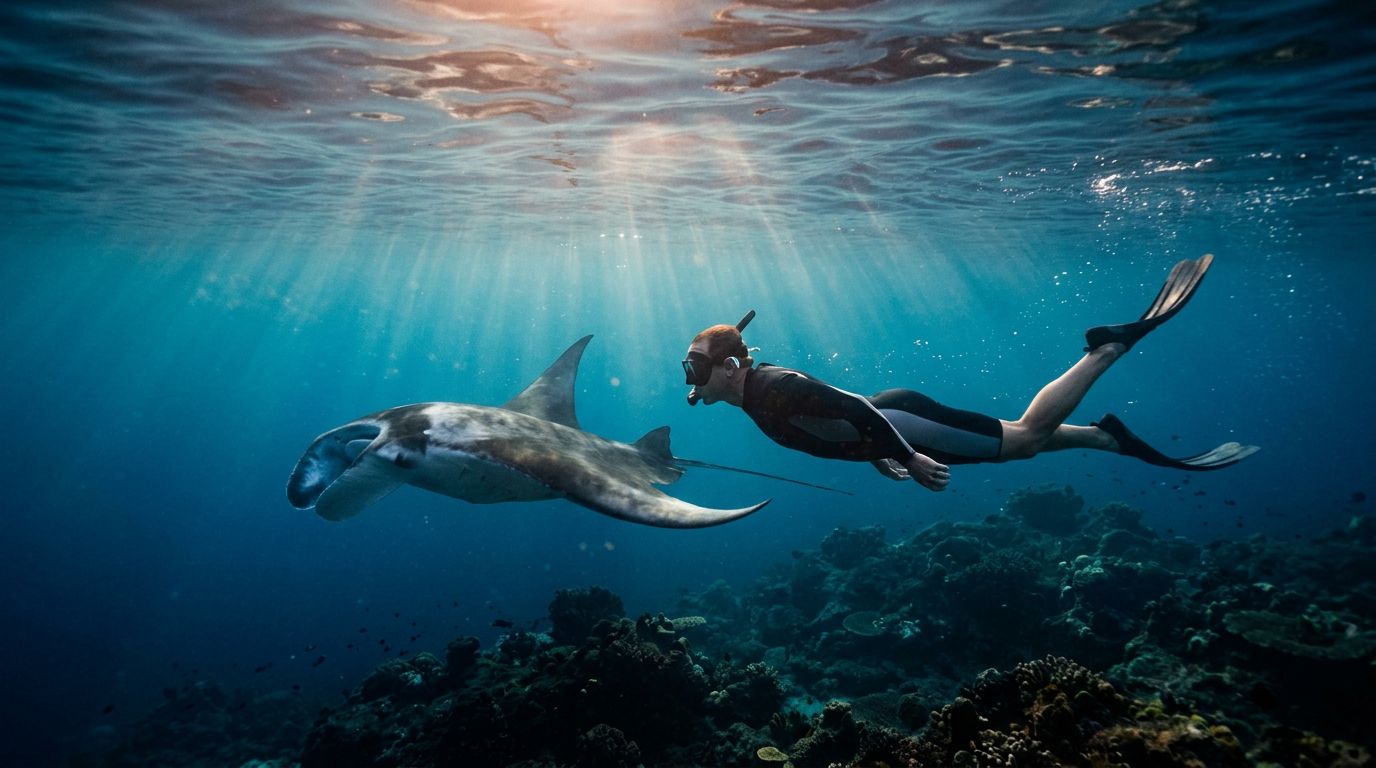
Yes, you can usually join a Kona manta ray snorkel with hearing aids. The real question is how you handle them before you enter the water, because salt spray, splashes, and strap pressure can cause trouble fast.
If you already enjoy snorkeling Big Island Hawaii, this is mostly a planning issue, not a deal-breaker. You can hear the safety talk, protect your devices, and still enjoy the manta show if you keep your setup simple.
Kona Snorkel Trips is a strong place to start if you want a small-group trip, clear guidance, and a crew that knows how to keep the process calm. The rest of this guide breaks down what changes once hearing aids meet ocean water, and how to keep the night easy.
The short answer for most snorkelers
Most hearing-aid wearers can join the tour. You usually wear the devices for the dock talk or boat briefing, then remove them before you get in the water.
That works because the in-water part of a manta trip is mostly visual. You float, watch the lights, and follow simple signals. You do not need to catch every word while you are snorkeling.
If you can hear the briefing and keep the devices dry, you are usually in good shape.
The biggest mistake is treating a hearing aid like a swim-safe accessory. Unless your specific model is rated for water use and your audiologist says it is fine, assume the ocean can damage it. Saltwater is harder on electronics than a quick splash at the sink.
A Kona manta ray snorkel also helps because the crew does most of the communication before you enter the water. Once you are on the float, the experience becomes steady and predictable. That makes it easier to relax.
What hearing aids change in salt water and at night
Water changes the rules fast. Wind, boat noise, and mask straps can make hearing aids less useful on deck. Once you are in the water, they are usually out of the picture.
Many people who plan snorkeling Big Island trips worry that they will miss the whole experience if they remove their devices. In practice, the hardest part is usually the few minutes before entry, not the snorkel itself.
A quick device-by-device guide
| Hearing aid setup | On the boat | In the water | Smart move |
|---|---|---|---|
| Standard behind-the-ear aid | Wear it for the safety talk | Remove it before you enter | Keep a labeled case nearby |
| In-the-ear aid | Use it if spray is light | Take it out before swimming | Carry a dry cloth and storage case |
| Water-resistant model | Follow the maker’s limits | Do not assume it is submersible | Check with your audiologist first |
| Rechargeable aid | Charge it fully before departure | Store it dry during the snorkel | Bring the charger for later |
That table keeps the main point simple. If your hearing aid is not built for water, treat the snorkel like a no-splash zone for the device.
Even if your model can handle some moisture, saltwater is still rough on it. A conservative plan usually works best. You can still have a great night without testing the limits of your gear.
How to prep your hearing aids before you board
A little prep removes most of the stress. The goal is to keep your devices safe while making sure you hear the parts that matter.
- Check your hearing aid instructions before the trip.
If your model has any water rating, read the fine print. If it does not, assume it needs to stay dry. - Pack a hard case, not a soft pocket.
A case gives you one clear place to store each device. Add a microfiber cloth and any drying packet you already use. - Charge or freshen the battery the night before.
You do not want to worry about low power while you are trying to hear the briefing on the boat. - Tell the crew when you check in.
A quick heads-up helps the guide slow down, face you directly, and use simple hand signals if needed. - Remove the devices before the swim ladder or entry point.
Do not wait until you are halfway into the water. A calm routine works better than a rushed one.
A labeled case is a smart move, too. On a busy dock, small gear gets mixed up fast. If you keep your hearing aids and any charger in one spot, you avoid most of the hassle.
If you wear a backup set, bring only what you actually need. Extra gear can get wet, dropped, or forgotten on the boat.
What helps once you enter the water
The water part of the night is not about conversation. It is about position, light, and patience. That works well for many people with hearing aids, because the show is easy to follow visually.
The guide will usually explain where to float, where to look, and how to return to the boat. Ask for those details before you slip in. Once you are in the dark water, you want simple cues, not long explanations.
A few things make the experience smoother:
- Stay close enough to see the guide’s hands and board.
- Keep your mask clear so you can focus on movement.
- Watch the lighted board, because it is the center of the action.
- Use a buddy if you feel better with another set of eyes nearby.
- Ask for the same instruction twice if you need it.
That last part matters more than people think. Good crews do not mind repeating themselves when it keeps you comfortable.
The most useful thing you can do is slow down. Once you stop worrying about missing every word, the manta rays become the main event.
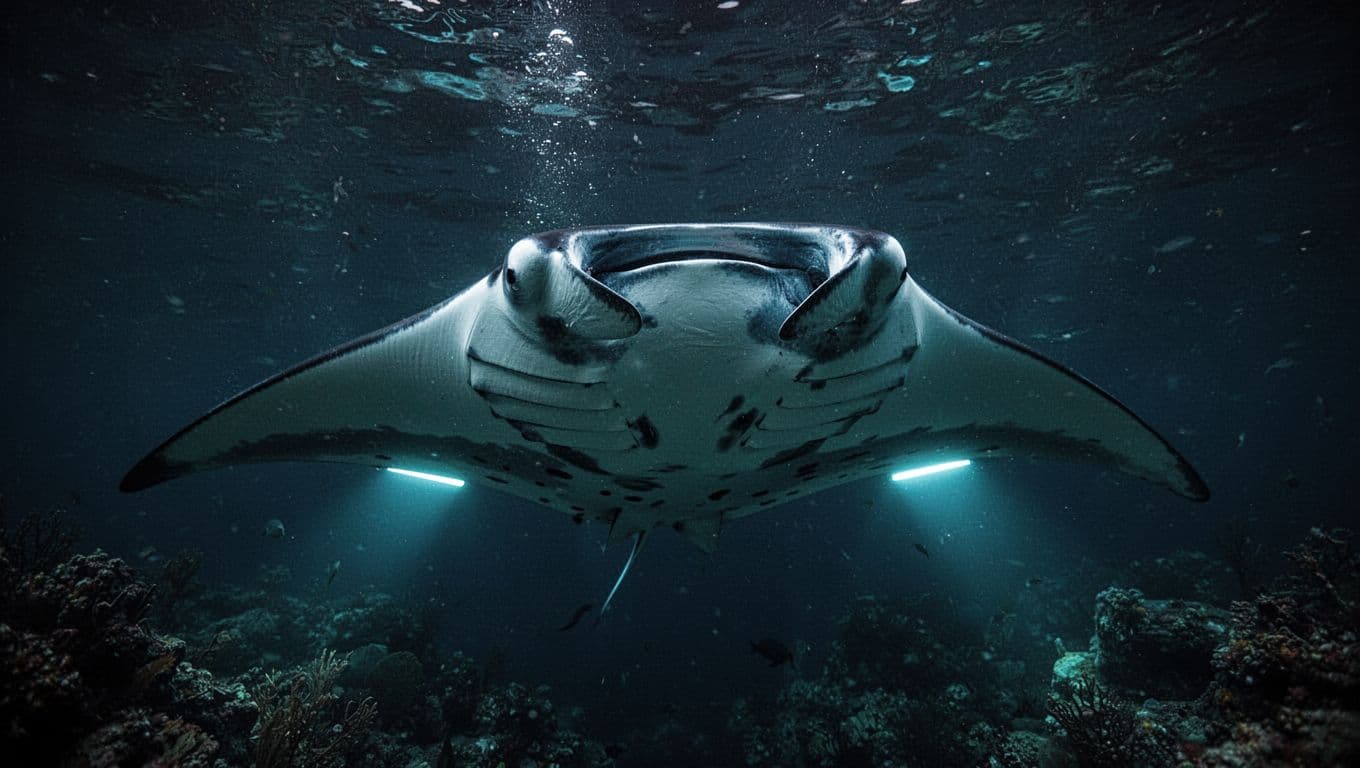
Why the Kona manta ray snorkel works so well at night
A manta ray night snorkel is one of the easier ocean adventures to manage with hearing aids, because the best part is almost silent. You are not chasing fish or swimming long distances. You are floating while the light does the work.
The light attracts plankton. The plankton attract manta rays. Your job is to stay calm and watch the movement below you. That makes the trip feel more like a live nature show than a fast-paced swim.
For many visitors, that is the real advantage of a Kona manta ray snorkel. The setup is structured, the group stays together, and the action happens right in front of you. You do not need to hear every detail to enjoy it.
If you want the full trip details, the Manta Ray Snorkel Kona tour explains what to expect before you book. You can also check availability if you are ready to pick a date.
If you want a second manta-focused operator to compare, Manta Ray Night Snorkel is another local name worth opening in a new tab.
Choosing a Kona company when hearing matters
When hearing aids are part of the picture, the crew matters as much as the boat. You want clear directions, small groups, and guides who do not rush the safety talk.
Kona Snorkel Trips fits that style well. The team uses a small-group approach, Lifeguard Certified guides, and custom-built lighted boards for nighttime encounters. That mix helps you stay oriented even if you are not relying on sound once you enter the water.
Their guided snorkeling tours in Kona are built around comfort, reef-safe habits, and clear communication. That is useful when you want to spend less energy worrying about your gear.
A few minutes of feedback from real guests can also help you feel better before you book.
If you want to look at dates for a general snorkeling outing in Kailua-Kona, you can check availability before you settle on a plan.
That kind of setup matters when you want a night on the Kona coast to feel smooth from check-in to return.
Questions worth asking before you book
A good operator should answer your questions without making the trip feel complicated. Before you book, ask about the basics that affect your comfort.
- Will the crew give a clear visual safety briefing?
- Can you store hearing aids safely on the boat?
- How much of the trip happens before you enter the water?
- Do the guides use hand signals or a light board?
- Can you stay near the crew if you need extra help?
These questions take less than a minute to ask, and they can save you a lot of stress later. They also tell you whether the crew is used to helping guests who need a little more communication support.
If you do not get straight answers, keep looking. The right tour company will make the process feel easy.
If you want a calmer first snorkel
If a night snorkel still feels like a big step, start with a daytime outing. Many people who plan snorkeling Big Island adventures like the brighter water and easier back-and-forth on deck.
That is where the Big Island snorkeling tours page can help. You can get used to the boat routine, the mask, and the fins before you try a manta night swim.
That path also works well if you want to snorkel Big Island at your own pace. A daytime trip gives you the same ocean rhythm with less pressure.
If you already know you love the water, the night manta tour may still be the right call. If you want to ease in, a daytime tour is a smart warm-up.
The Manta Night Snorkel Still Fits
You can join a Kona manta ray snorkel with hearing aids if you plan for the water instead of fighting it. Wear the devices for the briefing, keep them dry, and rely on visual cues once you are in the ocean.
The trip works because so much of it is already built around sight, light, and simple direction. When you pick the right crew and pack with care, the night stays calm.
That is the real answer for snorkeling Big Island Hawaii with hearing aids. You do not need perfect hearing to enjoy the manta rays, you just need a clean plan and a little confidence.