
Can You Join a Manta Ray Night Snorkel With Diabetes?
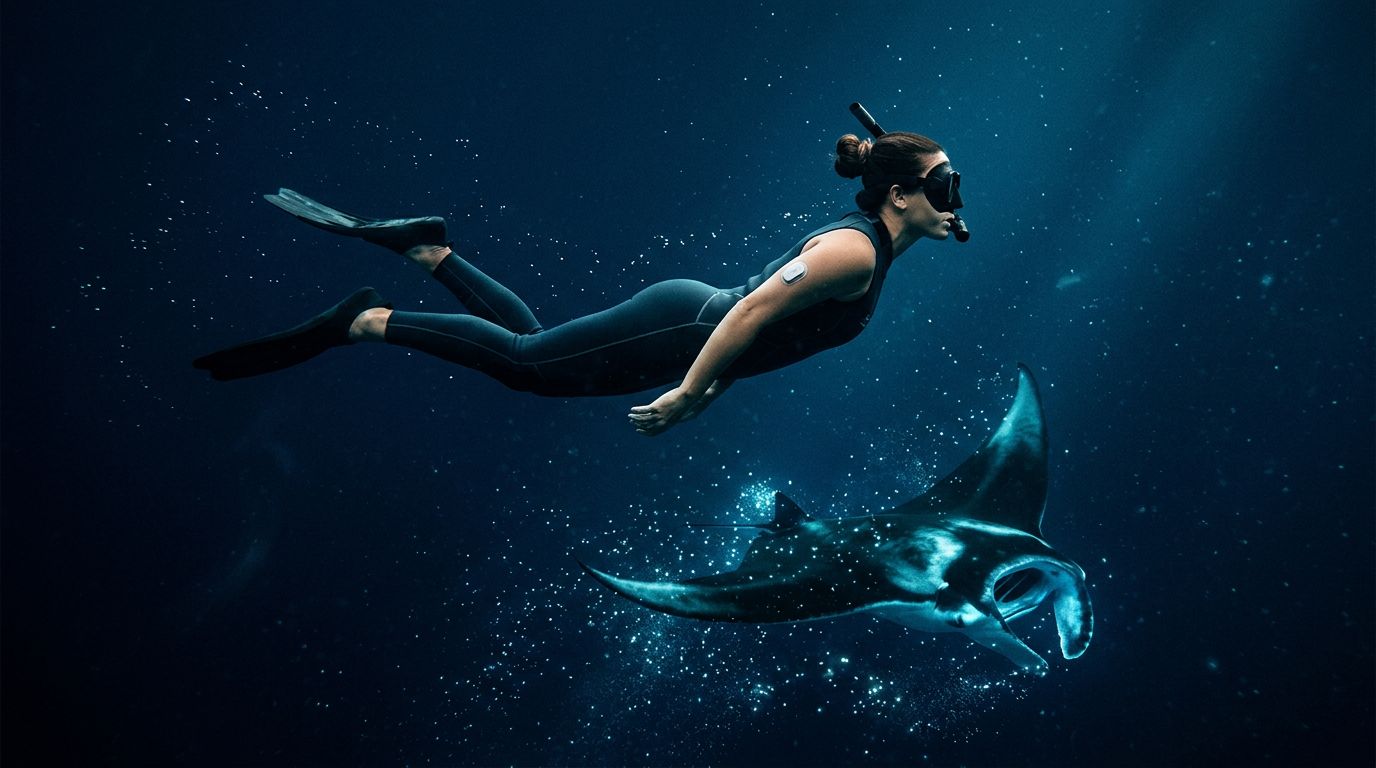
Diabetes doesn’t automatically keep you out of the ocean. Many people with well-managed diabetes can enjoy a manta ray night snorkel, but you need a personal medical plan before you book. Kona Snorkel Trips and Manta Ray Night Snorkel Hawaii are among the names you may see while researching Kona experiences, yet the right choice depends on your health, glucose stability, and the operator’s safety setup.
Night snorkeling adds cold water, darkness, boat ladders, and physical effort to the outing. Before you join, speak with your diabetes care team, tell the tour operator about your condition, and prepare for a low blood sugar event on the boat. These steps can help you decide whether the experience fits your current health.
Key Takeaways
- Diabetes isn’t an automatic restriction, but you should obtain medical clearance before a nighttime ocean activity.
- Hypoglycemia is the main concern, especially if you use insulin or sulfonylureas.
- Your buddy and guide should know what to do if you feel confused, weak, dizzy, or unwell.
- Carry glucose, medication, medical identification, and backup supplies on the boat.
- Choose a small-group operator with flotation equipment, lifeguard-certified guides, and a clear emergency plan.
Is Manta Ray Night Snorkeling Safe With Diabetes?
For many people, yes. A controlled, medically reviewed condition can be compatible with recreational surface snorkeling. However, safety depends on your diabetes treatment, history of low blood sugar, awareness of warning symptoms, fitness, and any related complications.
The main concern is hypoglycemia, or blood glucose that falls too low. Swimming uses energy, and cold water can increase physical stress. If you become confused or weak in the ocean, you may struggle to communicate, keep your airway clear, or climb back onto the boat.
That risk deserves more attention at night. You may not see your buddy as easily, and your guide may mistake disorientation for fear, fatigue, or motion sickness. You also can’t treat a low blood sugar episode underwater in the same way you would on land.
Surface snorkeling is different from scuba diving. You usually stay near the surface and don’t breathe compressed gas, so decompression illness and nitrogen narcosis aren’t the central concerns. Still, you should take the same low-glucose risk seriously. The Divers Alert Network diabetes guidelines provide useful background on diabetes and water activities, but they don’t replace advice from your own clinician.
Your doctor may recommend postponing the trip if your glucose levels are unpredictable, you recently experienced severe lows, or you have complications affecting your heart, circulation, eyes, kidneys, or feet. You may also need a different plan if you take insulin or a medication that can cause hypoglycemia.
The best answer isn’t based on your diabetes type alone. It comes from your current treatment plan and how your body responds to exercise.
Why a Night Snorkel Needs More Planning
A Kona manta ray tour typically involves a boat ride, time in open water, a night entry, and a return up a swim ladder. You may hold onto a lighted flotation board while manta rays glide beneath you. The activity can be calm, but the setting has fewer visual and physical cues than a daytime beach swim.
Cold water can increase your energy use. Even a short swim may affect your glucose differently than walking around a resort. Boat motion can also make it harder to eat, drink, or check a sensor. If you feel seasick, you may overlook early signs of a low.
Darkness changes the way you communicate. You may not notice a pale face, shaking hands, or unusual behavior in another swimmer. For that reason, the person beside you should know that you have diabetes and should understand the action plan.
Avoid breath-hold dives during the tour. Stay on the surface, follow the guide’s instructions, and keep enough energy for the return to the boat. A manta ray night snorkel is a wildlife observation experience, not a test of how far or how long you can swim.
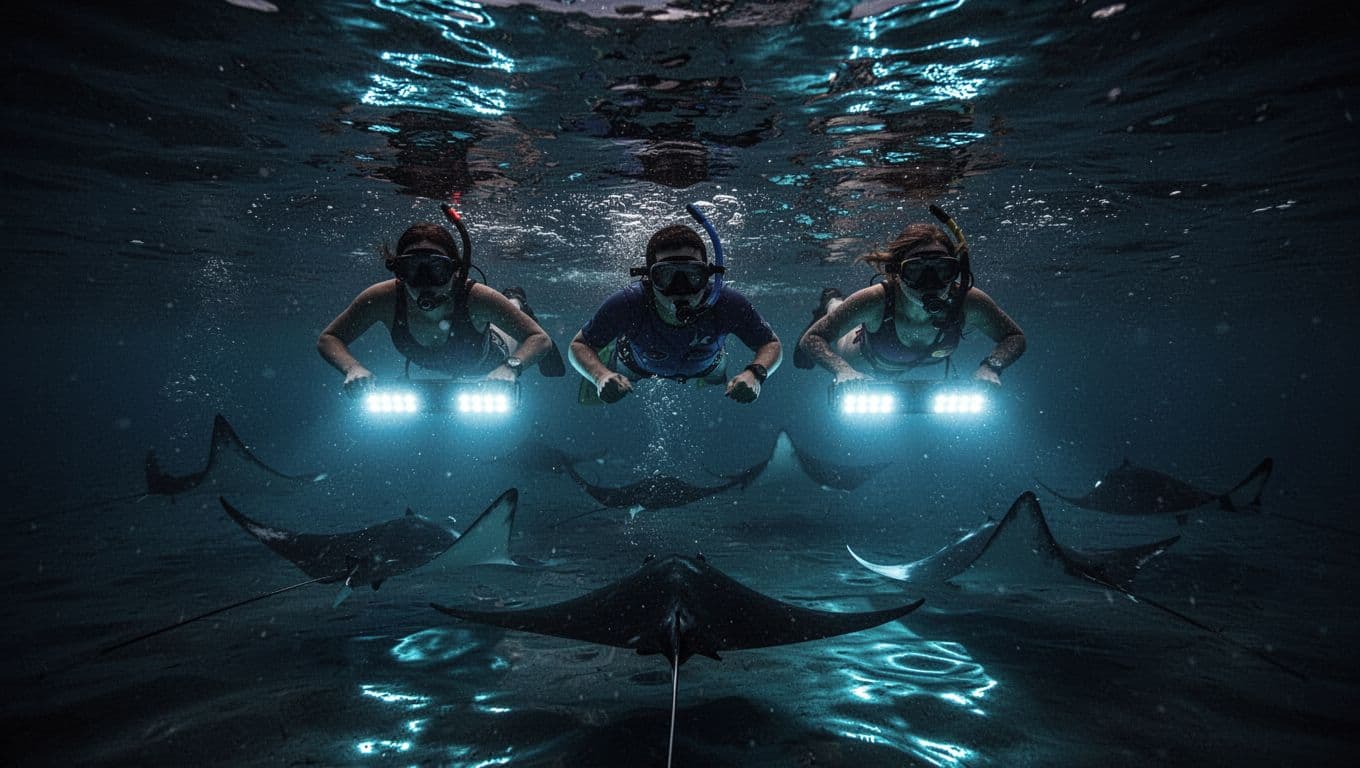
Night snorkeling requires steady communication with your buddy and guide.
You should also consider the timing of your medication. Insulin or sulfonylureas can remain active during the outing, even if you feel fine when you leave your hotel. Your healthcare team can help you plan around food, exercise, and insulin on board.
A review of recreational diving with type 1 and type 2 diabetes also shows why individual assessment matters. Research and dive-medicine guidance support activity for some qualified people, but ongoing glucose monitoring and careful preparation remain important.
Get Medical Clearance Before You Book
Ask your primary doctor or diabetes specialist whether you can safely participate in open-water snorkeling. A clinician familiar with your treatment can review your recent glucose patterns, exercise response, medications, and complications.
Tell them exactly what you plan to do. “Swimming in Hawaii” is less useful than describing a nighttime boat tour with a short ocean swim, cold water, a possible current, and a climb up a ladder afterward.
Discuss these points during your appointment:
- How exercise affects your glucose during the evening
- Whether your insulin or medication plan increases low blood sugar risk
- How much food or carbohydrate you may need before entering the water
- Whether you should adjust insulin, use an exercise setting, or keep your usual dose
- How to respond to a high or low reading before the tour
- Whether your heart, eyes, kidneys, nerves, or feet need additional evaluation
- How your buddy should respond if you become confused or lose consciousness
Don’t change your insulin or medication without medical advice. The plan that works for a morning walk may not suit a boat trip after sunset.
Some diving protocols use a higher pre-water glucose range for people at risk of hypoglycemia. PADI’s guidance on diving with type 1 diabetes discusses a pre-dive range of 150 to 300 mg/dL. That range is not a universal snorkeling rule. Your clinician may recommend a different target based on your treatment and personal history.
Ask your doctor for written instructions if your plan is complex. A short letter can identify your condition, medications, and supplies, which may help during travel or an emergency.
Build a Glucose Plan for the Full Trip
Your plan should cover the hours before the boat leaves, the time in the water, and the period after you return. Exercise can affect glucose for hours, so don’t stop thinking about it when you climb the ladder.
Eat the meal or snack recommended by your healthcare team before the tour. Avoid experimenting with unfamiliar foods, alcohol, or a new medication schedule on the same evening. Bring extra carbohydrates even if your pre-trip reading looks stable.
Check your glucose at the times your clinician recommends. Many people who use insulin or sulfonylureas need a reading shortly before exercise, another after the activity, and additional monitoring later. A continuous glucose monitor can help you watch trends, but it may lag behind your actual blood glucose during rapid changes.
If a CGM reading doesn’t match how you feel, use the backup method recommended by your care team. Keep the meter, strips, and supplies protected from salt water. Your operator may not have a place where you can test comfortably, so ask before the trip.
Your boat bag should contain:
- Fast-acting glucose, such as glucose gel or tablets
- A backup snack with longer-lasting carbohydrates
- Your meter, strips, lancets, and spare batteries if needed
- Extra insulin and supplies, stored at a safe temperature
- Your medical identification
- Any prescribed emergency medication
- Water and a dry towel or layer for after the swim
Never rely on the tour company to provide glucose or medication. Crew members may have first-aid equipment, but they won’t know your personal treatment plan.
If you feel symptoms of a low in the water, signal your buddy, surface, establish positive buoyancy, and leave the water. Treat the low on the boat according to your medical plan.
Don’t try to eat glucose underwater. Food or gel can become a choking hazard, especially when you’re breathing through a snorkel. A guide can help you return to the boat, but you should exit the water before treating yourself.
After the tour, continue monitoring as directed. A delayed low can happen after exercise, especially when insulin remains active. Record what you ate, how long you swam, your readings, and any symptoms. That information can help you plan future snorkeling days.
Prepare Your Buddy, Guide, and Tour Operator
You shouldn’t snorkel alone, whether you have diabetes or not. With diabetes, your buddy needs a little more information before you enter the water.
Tell them how you recognize a low. Symptoms may include shaking, sweating, sudden fatigue, dizziness, blurred vision, irritability, confusion, or unusual speech. Explain that you may need to stop swimming immediately and take glucose on the boat.
Show your buddy where you keep the glucose. It should stay in an outer pocket or another easy-to-reach place. Don’t bury it beneath towels, clothing, and camera gear.
The crew should know that you have diabetes before departure, not after a problem starts. You don’t need to share every private medical detail with the entire group. Speak with the lead guide or captain and provide the information needed for a safe response.
Ask whether the company can accommodate:
- A short or moderate time in the water
- Frequent rest on a flotation board
- Easy access to your supplies
- A buddy who stays close throughout the swim
- Extra time to climb the boat ladder
- A decision to remain on the boat if your glucose isn’t stable
If you use a pump or CGM, check the manufacturer’s water-resistance instructions. Some devices can handle submersion for a specific time and depth. Others need removal or protection. A phone, receiver, or pump should never enter the water unless its instructions allow it.
Keep insulin and temperature-sensitive supplies out of direct sun and away from a hot vehicle. Salt water can damage equipment, while heat can affect medication.
A medical alert bracelet or necklace can help identify your condition if you can’t speak clearly. Your buddy should also know where your glucagon is kept and whether they have been trained to use it.
Choose a Kona Operator With Strong Water Support
The operator you select matters. A crowded excursion with rushed instructions may leave you less time to explain your needs. A small-group trip can make communication easier, although you should still ask direct questions before booking.
Kona Snorkel Trips follows a “Reef to Rays” philosophy and focuses on small-group ocean adventures around the Big Island. The company uses state-of-the-art snorkeling gear, custom-built lighted boards for nighttime manta encounters, and Lifeguard Certified guides. Its approach also includes reef-safe practices and education about the volcanic marine environment.
You can review the company’s Big Island snorkeling tours while comparing trip times and tour formats. When you contact the team, explain that you have diabetes and ask how they handle medical information, glucose supplies, rest periods, and early exits.
Manta Ray Night Snorkel Hawaii is another company name you may encounter during your search. Compare every operator using the same questions rather than choosing only by price or departure time.
A suitable tour provider should answer clearly when you ask:
- How long do guests usually stay in the water?
- Does each swimmer have access to flotation support?
- How close does the guide stay to the group?
- Can you return to the boat early?
- Where can you store glucose and medication?
- What happens if the weather or water conditions change?
- Will the captain and lead guide know about your medical needs?
Kona Snorkel Trips describes its guides as Lifeguard Certified and emphasizes personal service rather than an impersonal, crowded tour. Those details may make communication easier, but they don’t replace your doctor’s approval or your own preparation.
If you have medical clearance and your care team has approved the plan, you can check availability for a Kona Snorkel Trips excursion.
Know When to Skip the Water
A responsible plan includes clear reasons to cancel. Don’t enter the ocean if your glucose is outside the range your clinician gave you, if you have unexplained symptoms, or if you can’t treat a possible low safely.
You should also stop if your CGM shows a rapid downward trend, your meter reading conflicts with how you feel, or you have active ketones according to your care plan. High glucose with dehydration, nausea, vomiting, or unusual breathing needs medical attention rather than a snorkel.
Other reasons to stay on the boat include:
- Recent severe hypoglycemia
- Loss of low blood sugar awareness
- Chest pain, faintness, or shortness of breath
- An infected foot, open wound, or significant neuropathy
- New vision problems
- A pump, sensor, or medication issue you can’t resolve
- Rough conditions that make swimming or ladder use unsafe
You don’t need to feel embarrassed about changing your plans. Ocean conditions can change, and no wildlife encounter is worth forcing your body through warning signs.
A calm daytime trip may be a better first test. You can see how your glucose responds to salt water, swimming, sun, and boat motion before adding darkness. Some travelers choose reef snorkeling in the morning and save the night tour for a later trip after reviewing their readings with their care team.
When researching snorkeling Big Island Hawaii, look beyond the animal encounter. Check the distance from shore, water conditions, total time, flotation equipment, and return process. If you want to snorkel Big Island waters with less stress, a shorter daytime outing may give you more control.
What to Expect on the Tour
A typical manta night snorkel begins with a safety briefing and gear fitting. The boat then travels to a permitted viewing area near the Kona coast. Guides position lighted boards on the surface, where the lights attract plankton. Manta rays may approach the illuminated area while swimmers watch from above.
You won’t need to chase the animals. Staying calm and floating quietly helps you conserve energy and gives the mantas room to move naturally. Follow the guide’s directions about where to place your hands, how to use the board, and how to keep clear of the animals.
Before entering, confirm the location of your glucose supplies and tell your buddy which side of the board you’ll use. Keep your mask and snorkel fitted correctly so you don’t waste energy adjusting them in the water.
Some people with diabetes feel more comfortable wearing a medical alert bracelet under a wetsuit or rash guard. Ask the operator whether a flotation vest or other support is available if you need a break.
At any point, you can signal that you need to return. Use the agreed hand signal, stay with your buddy, and let the guide direct you to the ladder. Climb slowly, because exertion and excitement can both affect your glucose.
The manta rays’ presence is never guaranteed. That uncertainty makes it even more important to judge the trip by your health and conditions, not by pressure to stay in the water.
A Safer Way to Plan Your Big Island Snorkel
Your first step is a medical conversation. Your second is an honest conversation with the tour operator. Together, those discussions can reveal whether a nighttime ocean activity fits your treatment plan.
Pack more supplies than you expect to use, protect medication from heat and salt water, and make your buddy part of the safety plan. During the trip, stay on the surface, monitor your symptoms, and exit early if something feels wrong.
For some travelers, snorkeling Big Island reefs during the day is the better starting point. You may later decide that a manta ray night snorkel is appropriate after seeing how your glucose responds to swimming and boat travel. A careful first outing can give you useful information without adding unnecessary risk.
Conclusion
You can join a manta ray night snorkel with diabetes when your condition is stable, your healthcare team approves the activity, and you have a clear plan for preventing and treating low blood sugar. The tour operator, buddy system, supplies, and water conditions all matter.
Kona’s night ocean can offer an unforgettable wildlife encounter, but you never need to stay in the water to prove anything. With medical clearance and sensible preparation, you can make the decision based on your health and enjoy the experience at a pace that feels safe.