
Big Island Snorkeling Tips for Confident Swimmers
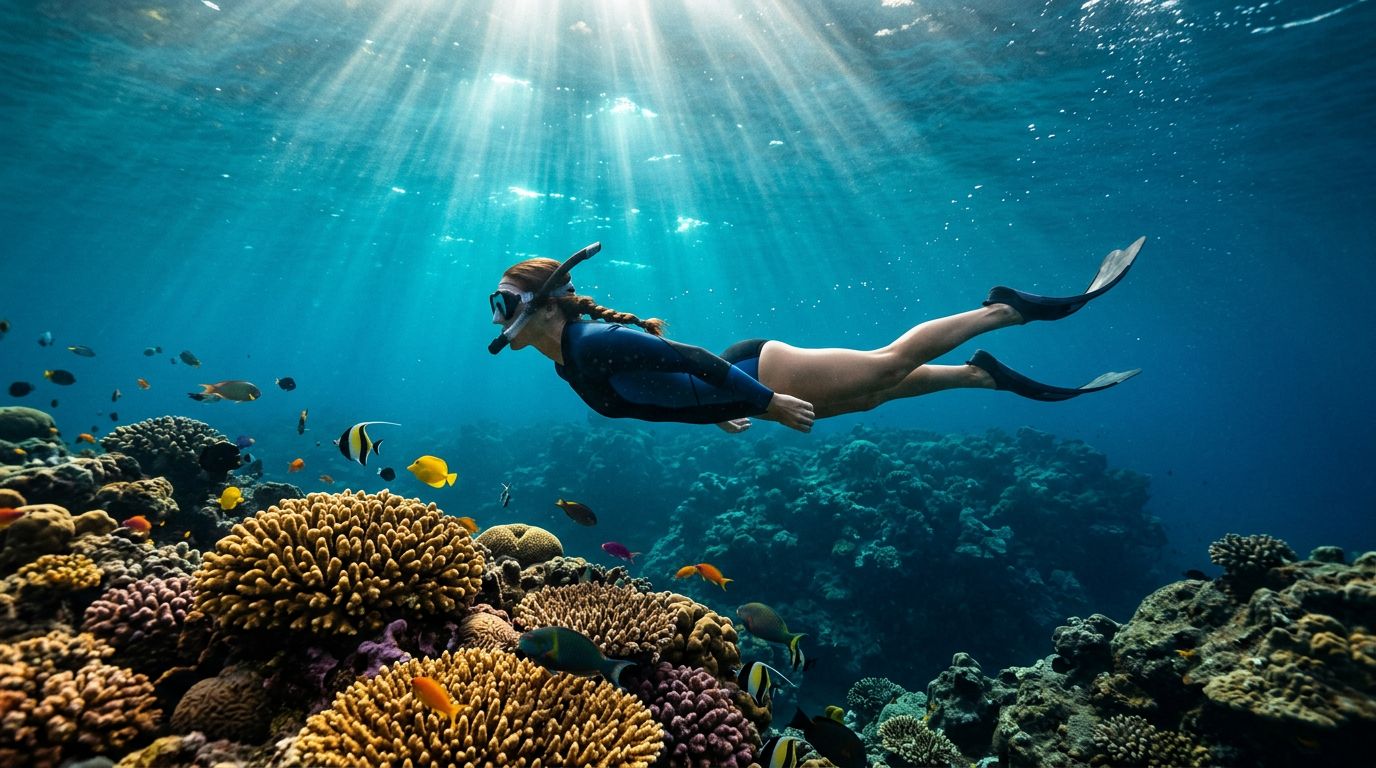
The best Big Island snorkeling experiences depend on more than just clear water and colorful fish. You also need to judge surge, currents, and entry points, while keeping your own stamina in mind. The Kona Coast is particularly rewarding, as it offers diverse environments ranging from protected bays to dramatic offshore reefs.
When researching Big Island snorkeling, you will likely find a long list of beaches that vary greatly in difficulty. While confident swimmers can reach deeper reefs and less-crowded areas, strong swimming skills never replace good ocean judgment. Always prioritize the health of the coral reefs by choosing sites where you can swim without touching the delicate structures.
You can enjoy Big Island snorkeling sites safely when you match the location to the day’s conditions. Start with the right access point, watch the water carefully before entering, and choose a guided boat trip when shore access becomes risky.
Key Takeaways
- Kealakekua Bay offers exceptional marine life, but boat access is safer and more practical than a long shore swim.
- Two Step rewards experienced swimmers with lava formations, reef fish, and frequent turtle sightings.
- Shore snorkeling sites such as Kahalu’u, Richardson Ocean Park, and Waialea Bay require careful attention to swell, surge, and entry hazards.
- Morning conditions are usually more favorable, but you should still check the water immediately before entering.
- A buddy, quality snorkeling gear, and a flotation aid make your swim safer, even when you are physically strong.
Start With a Guided Boat Trip From Kona
For confident swimmers, booking professional snorkeling tours gives you access to reefs that can be difficult or unsafe to reach from shore. By opting for a catamaran tour, you avoid slippery lava entries, long surface swims, and the temptation to push farther than ocean conditions allow.
Kona Snorkel Trips is a strong first option when you want guided access to Big Island reefs. The company runs small-group ocean adventures with Lifeguard Certified guides, quality snorkeling equipment, and a strong focus on guest safety. Guides also provide information about reef habitats and responsible wildlife viewing during the trip.
The company’s “Reef to Rays” philosophy covers daytime reef snorkeling as well as nighttime manta ray encounters. The boat provides a fantastic vantage point to appreciate the rugged lava rock formations of the Kona coastline, while the clear water visibility found further offshore creates an unparalleled environment for spotting marine life. Custom-built lighted boards support the manta experience, while the regular snorkeling trips focus on protected coves and productive marine habitats.
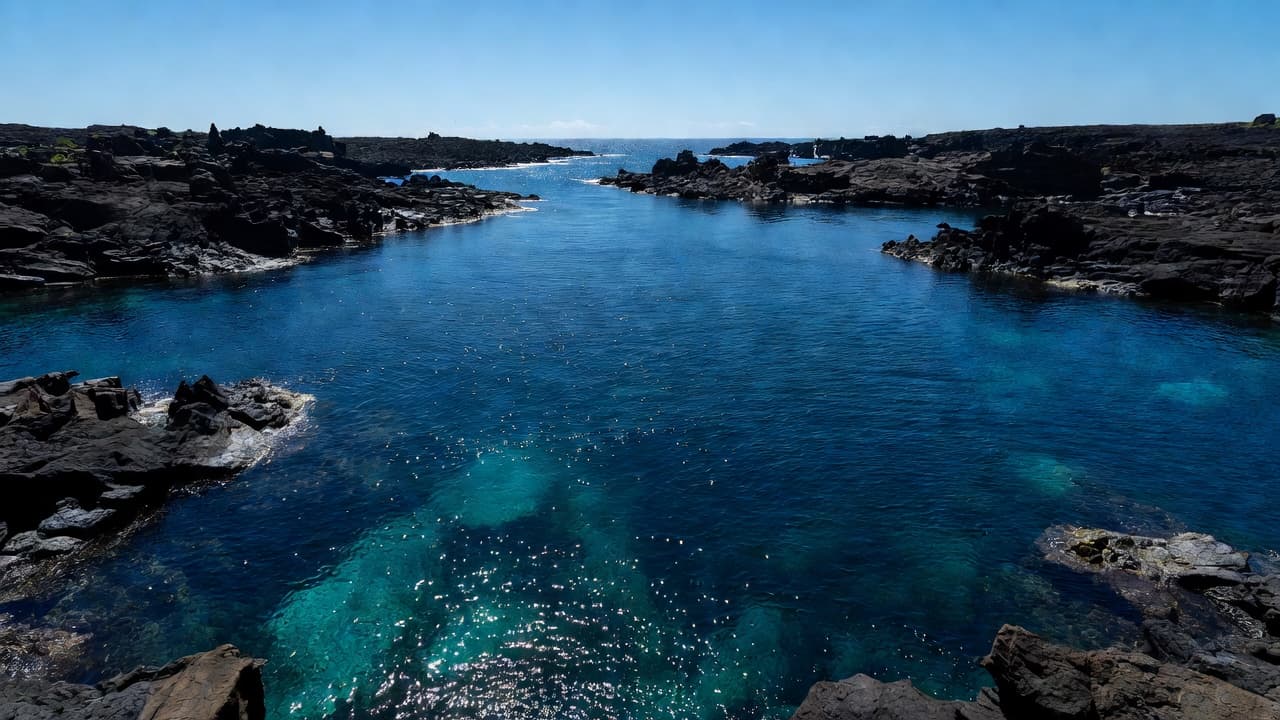
A guided boat also helps you respond to changing conditions. Your crew can select a more protected site, explain the safest entry, and keep an eye on wind and current while you swim. That support matters when you are exploring unfamiliar volcanic coastline.
If you want to add a different kind of ocean outing, the same company offers private Kona boat tours. A private trip can suit confident swimmers who want more time at a chosen reef, a flexible route, or a quieter experience for a couple or family.
Kealakekua Bay Has the Richest Reef Experience
Kealakekua Bay, home to the historic Captain Cook Monument, is widely considered one of the most rewarding destinations for experienced snorkelers on the Big Island. The water surrounding the Captain Cook Monument is exceptionally clear and deep, featuring thriving coral reefs, dense schools of tropical fish, and frequent sightings of green sea turtles. Occasionally, lucky visitors may even spot pods of spinner dolphins playing near the mouth of the bay.
The Captain Cook Monument sits along the remote western shore. Reaching it from the land requires a long, strenuous swim across open water, a route that can expose you to sudden wind, boat traffic, and shifting currents. While some visitors consider kayaking to Captain Cook as an alternative, even that journey demands significant physical effort. Strong swimmers should avoid treating these distances as a simple fitness challenge; a comfortable pool swim does not always translate to a safe long-distance ocean crossing.
A boat trip is the most practical way to reach the pristine reef near the Captain Cook Monument. By arriving by boat, you can enter the water directly over the reef, saving your energy for observing the marine life and managing your buoyancy rather than exhausting yourself on the approach.
For an independent comparison of major island locations, see this guide to Big Island snorkeling spots. Kealakekua Bay receives attention for good reason, but the bay still demands a thorough condition check before every swim.
Kona Snorkel Trips offers a guided Kealakekua Bay snorkeling trip for travelers who want convenient boat access and local guidance. Captain Cook Snorkeling Tours is another popular option for exploring the bay by boat, and you can learn more about their Captain Cook snorkeling tours for a curated experience.
Experienced swimmers should always follow the crew’s instructions regardless of their skill level. Stay within the designated swimming area, keep clear of boat traffic, and be mindful of other snorkelers. The bay may look deceptively calm from the deck of a boat, but the deeper water often carries more movement than you might expect.
Two Step Rewards Careful Lava-Rock Entries
Honaunau Bay, locally known as Two Step, is a premier shore site for capable swimmers who can manage a rocky entry. The name refers to the two distinct lava rock formations that create a natural, relatively easy launch point when the water is calm.
The entry still requires careful attention. Lava rock can be sharp, uneven, and slick with algae. Waves may push you sideways against the ledges, while surge can make the entry look safe one minute and awkward the next. Always watch the water for several minutes before stepping in.
Wear reef shoes or snorkeling booties for protection. Place your feet carefully, keep your hands away from shallow holes, and avoid standing on any living coral. If the surge increases, move away from the entry area instead of trying to force your way through it.
Once you are offshore, Two Step offers excellent visibility around dramatic lava shelves and vibrant coral patches. Green sea turtles are frequent visitors that often rest or feed in the bay, and the expansive reef supports a diverse array of tropical fish. Please keep a respectful distance from the sea turtles and allow them a clear path to the surface at all times.
Afternoon wind can make the bay less comfortable, even after a calm morning. Confident swimmers should enter early, stay aware of their exit point, and leave before the water becomes rough around the rocks.
Three Shore Sites for Strong Swimmers
Shore snorkeling gives you flexibility, but each location has its own limits. When planning your shore snorkeling adventures, keep in mind that morning conditions, recent rainfall, wind direction, and swell can change the experience quickly.
Kahalu’u Beach Park
Kahalu’u Beach Park is one of the most accessible snorkeling areas near Kailua-Kona. Its protected reef often provides calmer morning water, making it a useful choice when you want a shorter swim or an easier entry.
Confident swimmers may find more space and varied terrain toward the outer reef, where they might spot tropical fish and sea turtles navigating the vibrant coral. However, the outer edge also brings more current and less protection. Stay inside your comfort range, and do not confuse a familiar beach with a controlled swimming pool.
Kahalu’u Beach Park can become busy, especially during popular daytime hours. Give other swimmers room, keep your fins away from coral, and avoid standing on the reef. If conditions deteriorate, return toward shore while you still have plenty of energy.
Richardson Ocean Park
On the Hilo side, Richardson Ocean Park has lava formations, tide-pool-like areas, and deeper water near the outer edge. The setting differs from the Kona coast, and eastern weather can bring less predictable ocean conditions.
The lava amphitheater creates interesting underwater structure, which is a favorite habitat for sea turtles and schools of tropical fish. However, this structure also produces uneven footing and surge around the rocks. Enter only where the water moves gently, and ask local lifeguards about current hazards before swimming out.
Because Hilo receives more frequent rain, visibility may change after runoff. Murky water makes it harder to see rocks, wildlife, and other swimmers. Wait for clearer conditions rather than relying on your swimming ability alone.
Waialea Bay, or Beach 69
Waialea Bay, commonly called Beach 69, has a sandy entry and a broad shoreline. That makes getting into the water easier than at Two Step or Richardson, but the bay has less protection from swell.
Strong swimmers may enjoy the deeper water beyond the shallow area when visibility is good, as this is often where you will find a variety of tropical fish and the occasional sea turtle. Still, open water can become tiring quickly when wind pushes against you on the return swim. Stay closer to shore than your maximum distance suggests.
Watch the direction of the shorebreak before entering. If waves begin breaking directly across your planned exit, choose another location or wait for a calmer day. A sandy entry reduces foot injuries, but it does not remove current or swell risk.
Read the Ocean Before You Enter
A confident swimmer’s most useful skill is observation. Spend about 15 minutes watching the entry, the nearby swimmers, and the direction of the waves before you put on your fins.
Look for a repeating pattern. Notice where waves break, whether water pushes toward rocks, and how quickly floating objects move along the shoreline. If the surface becomes choppy while you’re watching, conditions may worsen once the wind strengthens.
Check the water clarity near the entry. You should be able to see the bottom clearly enough to identify rocks and your footing, as clear water visibility is essential for a safe start. Brown or cloudy water can hide hazards and reduce your ability to orient yourself.
Morning often provides the best window for Big Island snorkeling because wind commonly builds later in the day. That pattern isn’t a guarantee, so rely on what you see at the beach rather than a forecast alone. Before you head to the shore, make sure to apply reef safe sunscreen to protect the marine environment throughout your adventure.
Ask a lifeguard or local guide about current conditions at locations with on-site safety staff. Their advice can help you identify rip currents, recent changes, or areas that look calm but have dangerous exits.
Leave the water immediately if a current begins carrying you toward rocks. If you get pulled away from shore, don’t fight the current head-on. Swim parallel to the beach until you move outside the current, then angle back toward land.
Keep your buddy within about 20 feet. Check your position often, especially after looking down for several minutes. A snorkel can narrow your awareness, and even strong swimmers can lose track of the shoreline.
If the ocean makes you work hard to hold your position, the site is already too challenging for a relaxed snorkel.
Don’t swim farther than you can comfortably return. A simple one-third rule works well: use no more than one-third of your maximum comfortable distance before turning back. This leaves energy for wind, current, and an unexpected delay.
Choose Gear That Helps You Stay Calm
Your snorkeling gear should fit perfectly before you enter deep water. A leaking mask can distract you, while poorly fitting fins can cause cramps or make a challenging exit difficult.
Use a traditional mask and snorkel rather than a full-face mask. A half-mask lets you remove the snorkel quickly and gives you a familiar way to clear water. Practice breathing in shallow water before swimming over significant depth.
Apply anti-fog solution before entering. Adjust the strap so the mask seals without excessive pressure, and test it by inhaling gently through your nose while holding the mask in place.
Open-heel fins with booties work well at lava-entry sites. When selecting this type of snorkeling gear, ensure they fit securely without squeezing your feet, as sand can make them uncomfortable and complicate your first steps. Put fins on in the water whenever possible.
A snorkel vest or float belt can conserve energy. Flotation is not a sign that you lack skill. It gives you a way to rest, signal your buddy, or stay above water if a current catches you.
Avoid hyperventilating before a breath-hold dive. Take calm breaths, stay on the surface, and never compete with another swimmer to see who can descend farther. The reef will still be there when you return with a guide or buddy.
Give Marine Life Space
Big Island coral reefs are living communities rather than simple underwater attractions. Your behavior directly affects the health of these ecosystems, as well as the experience of the next person who visits. Please be mindful that your actions impact the fish, sea turtles, and rays that inhabit these delicate environments.
Never touch coral, even when a section looks bare. A small amount of contact can break fragile growth or transfer harmful oils from your skin. Keep your fins horizontal and use steady movements to avoid stirring up sediment that can smother the reef.
Green sea turtles need plenty of room to breathe and rest. Let them change direction without blocking their path, and avoid chasing them for a closer photograph. The same rule applies to rays, seals, dolphins, and any other wildlife you encounter.
Never feed fish or approach wildlife aggressively. Feeding disrupts natural behavior and can draw animals into crowded swimming areas. Keep noise levels low when you are in the water, especially if you are near a resting animal.
Avoid snorkeling at dawn or dusk, and stay out of the water if it becomes murky after heavy rain. Daylight provides better visibility and more time to identify potential hazards. If your mask fogs repeatedly or you feel disoriented, it is time to end your swim.
Kona Snorkel Trips incorporates reef-safe practices and marine education into all its guided excursions. Its manta ray night snorkel is a distinct nighttime activity where you can safely observe these gentle giants from the surface without touching or riding them.
For a dedicated nighttime outing, Manta Ray Night Snorkel Hawaii is another excellent company to consider. Their tours focus on the famous Kona nighttime encounter, where you can watch tropical fish and graceful rays glide through the water. Even strong swimmers should follow all flotation and positioning instructions, as the darkness significantly changes your sense of direction.
Build Your Snorkeling Day Around Conditions
Start your day with the location that needs the calmest water. If you are staying in Kona, you can check a south Kona shore site early, then change plans if the entry looks rough.
A boat tour removes much of the uncertainty around access. You still need to swim within your limits, but the crew handles navigation, site selection, and boat safety while you focus on the water during professional snorkeling tours.
Families and couples may prefer a guided trip even when everyone swims well. A small group provides extra eyes in the water, and a guide can point out reef features you might pass without noticing.
If you plan to visit Kealakekua Bay, which is a high-demand area for ocean lovers, make sure to reserve your spot early during busy travel periods. Boat spaces can fill quickly, especially when weather creates fewer suitable snorkeling days.
You can also review a local Kailua-Kona recommendations group for recent visitor questions about calm beaches and entry conditions along the Kona Coast. Treat social posts as personal reports, not a substitute for checking the ocean when you arrive.
Seasonal whale watching offers another way to spend time on the water when snorkeling conditions do not cooperate. You can compare Kona whale watching tours and choose a surface-based outing instead of forcing a rough-water swim.
Finally, leave room in your schedule. A flexible plan lets you move from a shore entry to a guided boat trip, or postpone snorkeling until the water settles. The strongest swimmers are often the ones willing to change plans.
Frequently Asked Questions
Is it safe to go snorkeling on the Big Island without a guide?
Many locations are accessible to confident swimmers, but shore snorkeling always carries risks from changing currents, surge, and difficult entries. You should only attempt shore sites if you are comfortable assessing ocean conditions yourself and have a swim buddy with you at all times.
Why is a boat trip recommended for Kealakekua Bay?
Reaching the Captain Cook Monument from the shore requires a long, strenuous swim across open water that can be affected by unpredictable winds and boat traffic. A boat trip allows you to enter the water safely directly over the reef, ensuring you have plenty of energy to enjoy the marine life.
What should I do if I feel tired while snorkeling?
If you feel fatigue, you should head back toward your exit point immediately rather than attempting to finish your planned route. A good rule is to turn back after using only one-third of your comfortable swimming distance, and using a flotation vest can help you rest if you become tired in the water.
How can I protect the reef while I swim?
Always maintain a horizontal body position to avoid touching the coral with your fins or body. Never stand on the reef to adjust your gear, and keep a respectful distance from sea turtles and other marine animals to avoid disrupting their natural behavior.
Conclusion
The best Big Island snorkeling for confident swimmers relies on a perfect balance between crystalline waters and a realistic assessment of ocean conditions. Iconic spots like Kealakekua Bay and Two Step offer some of the most rewarding reef experiences in the state, while locations like Kahalu’u Beach Park, Richardson Ocean Park, and Waialea Bay provide unique shore-based challenges for those who prefer to explore at their own pace.
Always monitor the surf, stay within sight of your buddy, use high-quality gear, and prioritize turning back before fatigue sets in. By practicing these habits, your time in the water remains both exhilarating and safe, allowing you to fully enjoy the underwater beauty of the island even as the reef transitions into deeper territory.