
Captain Cook Snorkel Tour From Kona Airport Guide
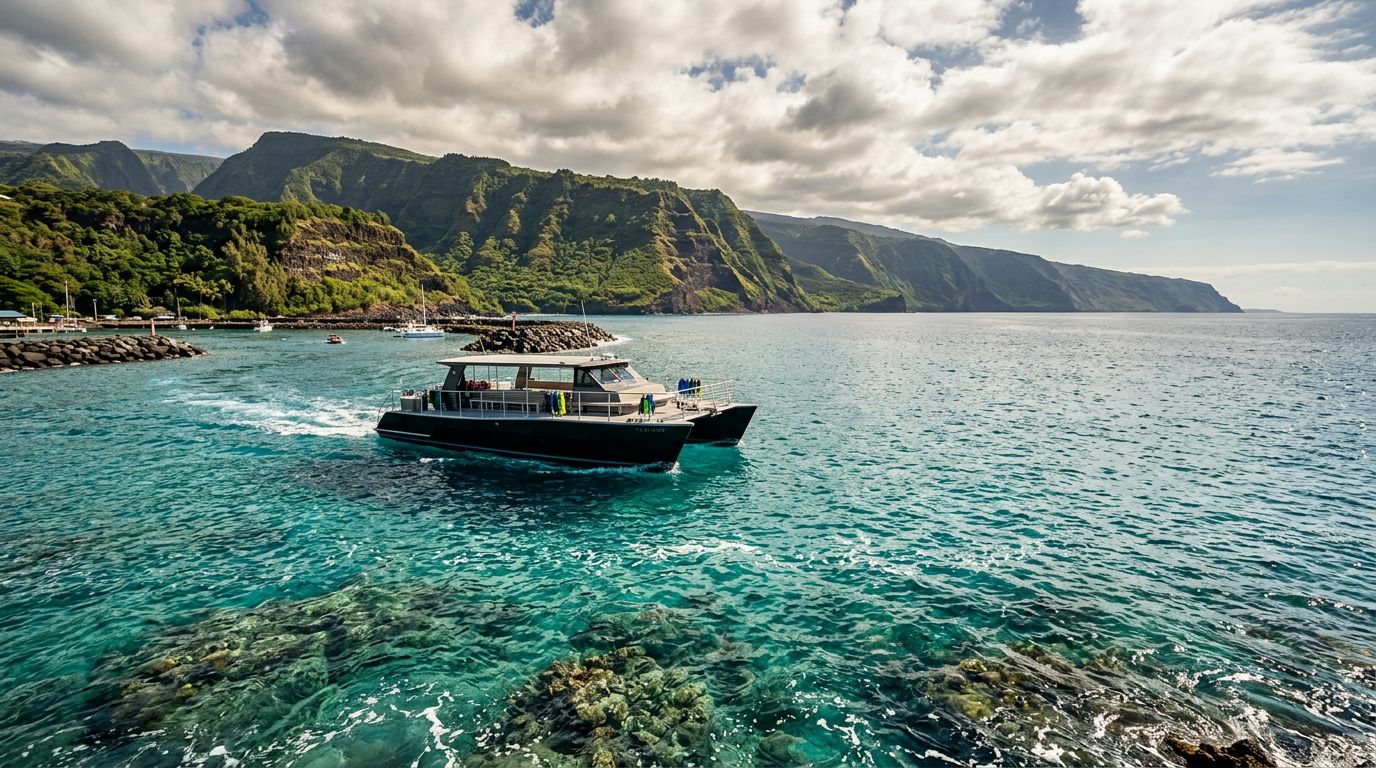
Your airplane may land in Kona before noon, but the ocean is still a short drive away. With the right timing, you can leave Ellison Onizuka Kona International Airport, reach the harbor, and spend the afternoon snorkeling above coral gardens at Kealakekua Bay.
A Captain Cook snorkel tour is one of the easiest ways to visit this protected coastline without planning a complicated shore entry. You still need to account for baggage, rental cars, check-in times, and changing ocean conditions. This guide helps you plan the trip from touchdown to your first swim.
Start Planning Before You Land at Kona Airport
Kona International Airport at Keahole, commonly called KOA, is on the west coast of Hawaii Island. Most Captain Cook snorkeling trips depart farther south, often from a harbor near Kailua-Kona or Keauhou. Your airport arrival time matters because the drive is only one part of the schedule.
After landing, you may need to collect checked bags, walk to the rental car area, complete paperwork, and find the meeting location. Add time for a restroom stop and a quick snack before you leave the airport. If your flight arrives close to tour check-in, a delay could make the schedule stressful.
For a same-day tour, choose a departure that gives you a generous buffer. A practical plan looks like this:
- Collect your luggage and pick up your rental car.
- Allow time to leave the airport and locate the meeting point.
- Arrive at least as early as the operator requests.
- Keep your confirmation email open on your phone.
- Leave extra time for traffic, roadwork, and unfamiliar streets.
Tour meeting points vary, so don’t assume every boat leaves from the same harbor. Read your confirmation carefully. Some operators provide parking instructions, while others use a marina entrance that can be easy to miss.
You should also decide what happens to your luggage. A snorkel boat usually has limited storage, and wet gear can make the return trip uncomfortable. If you’re staying in Kailua-Kona, ask your hotel whether early bag storage is available. Otherwise, keep valuables out of sight in your locked rental car and take only what you need.
The biggest planning mistake is booking a tour that begins soon after your plane lands. A late flight can turn a relaxing vacation day into a race against the clock. When your schedule is tight, book the tour for the next morning instead.
How Far Is Captain Cook From Kona Airport?
The drive from KOA to the Captain Cook area usually takes about 30 to 50 minutes, depending on your exact destination, traffic, and road conditions. Kealakekua Bay is south of Kailua-Kona, while many boat tours leave from a harbor closer to town. Your tour’s departure point determines the actual travel time.
GPS directions may send you along Queen Kaahumanu Highway, Hawaii Belt Road, or roads through Kailua-Kona and Keauhou. Follow the route in your booking instructions rather than navigating to the historic monument itself. A boat tour may meet nowhere near the monument’s shoreline.
If you’re driving from the airport, fill your rental car before heading south if the fuel gauge is low. Services become less frequent as you move toward South Kona. Download directions or save the meeting address before leaving the airport because cellular coverage can vary in rural areas.
Kealakekua Bay sits inside a large volcanic coastline with steep slopes and limited road access. You can’t always drive directly to the snorkeling site. A boat takes you across the bay and drops you near the reef, which saves time and avoids a difficult shore approach.
The trip is also different from driving to a typical beach. A narrow road, steep terrain, and limited parking can make shore access difficult. You may need to carry all your equipment over uneven ground, then enter the water from rocks or a small beach. A guided boat trip gives you a simpler route and lets you focus on the reef.
For a broader look at planning a Captain Cook snorkeling tour, check the departure details before you finalize your airport transportation. The most convenient trip is the one that matches your actual arrival time and meeting location.
Give yourself more time than the map suggests. Airport lines and rental car pickup can take longer than the drive to the harbor.
If you arrive on a cruise ship, stay in Waikoloa, or plan to visit Hilo first, your timing will change. Recalculate the route from your hotel rather than using the airport as a default starting point.
What You’ll See at the Captain Cook Monument Reef
Kealakekua Bay is known for clear water, lava formations, coral growth, and abundant tropical fish. The Captain Cook Monument sits on the bay’s north shore, while the reef extends along the underwater slopes near the monument.
Snorkeling conditions can change with wind, swell, runoff, and visibility. On a calm day, you may see schools of yellow tang, butterflyfish, parrotfish, and other reef species moving over the coral. Green sea turtles can also pass through the area, although no responsible operator can promise a wildlife sighting.
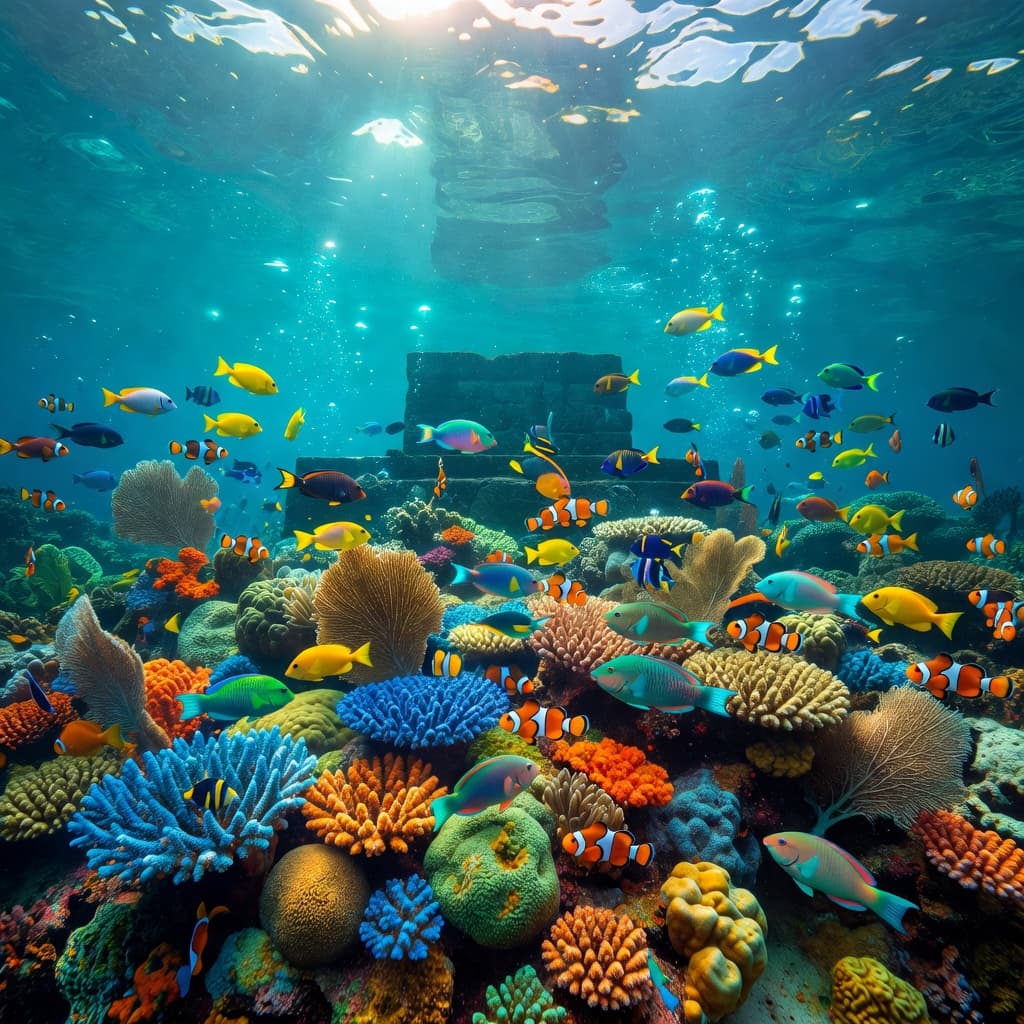
The reef isn’t a swimming pool. Lava shelves create depth changes, channels, and areas where current can move around the rocks. Your guide can point out safer entry spots, explain where to avoid standing, and help you stay with the group.
A boat tour also gives you a different view of the bay. You can see the tall cliffs rising behind the water, watch seabirds along the coast, and learn about the area’s cultural and historical importance. Captain James Cook was killed at Kealakekua Bay in 1779, and the monument on the shoreline commemorates his arrival in Hawaii.
You don’t need to be an expert swimmer to enjoy a guided trip, but you should be honest about your comfort level. Tell the crew if you feel nervous, tire quickly, or haven’t used a snorkel before. A flotation device can help you relax while you learn to breathe through the mask.
If you want another visitor’s perspective on water clarity, reef conditions, and the practical experience, this Captain Cook snorkeling account offers useful travel context. Conditions still vary by day, so your guide’s briefing should take priority over any older report.
Choosing the Right Departure Time
Many travelers prefer morning snorkeling because winds often build later in the day. That pattern is common on the Kona coast, but it isn’t a guarantee. Your operator chooses the departure schedule based on logistics, weather, and the expected conditions.
An early tour works well if you want to maximize visibility and finish before the afternoon heat. It also leaves time for lunch, a scenic drive, or a second activity. However, an early departure may be difficult after a late flight or when you’re traveling with children who need extra rest.
An afternoon trip can fit better after a relaxed breakfast or a morning arrival. You may also find that the lower sun angle creates attractive light across the cliffs. The water may be less calm, though, if winds increase during the day.
Don’t select a time based on crowd rumors alone. Boat traffic changes with holidays, weather, operator schedules, and seasonal demand. You can review a local discussion about boat arrival times and a traveler forum on Captain Cook snorkel timing, but treat those comments as personal observations rather than a forecast.
When you compare tours, look at the full experience instead of focusing only on departure time. Check the group size, boat type, included gear, guide qualifications, cancellation policy, and total time on the water. A slightly later trip may be a better choice if it gives you a calmer airport schedule and a smaller group.
Book With a Small-Group Kona Operator
Kona Snorkel Trips is a strong fit when you want a guided Captain Cook trip with personal service and a safety-focused crew. The company follows a “Reef to Rays” philosophy, with each excursion built around responsible ocean experiences rather than rushed stops.
Its guides are lifeguard certified and help you understand equipment, water conditions, and reef etiquette before you enter the water. The company also uses well-maintained snorkeling gear and keeps groups more personal than the large commercial boats that can crowd a popular site.
For you, that means more opportunities to ask questions and receive help with your mask or fins. Families can get clearer guidance for younger swimmers, while confident snorkelers can learn more about fish, coral, and the volcanic coastline.
Captain Cook Snorkeling Tours is another Captain Cook-focused company name you may encounter while comparing Kealakekua Bay excursions. Review each operator’s departure point, group size, equipment, and policies before booking. A familiar destination doesn’t mean every tour offers the same schedule or service.
Kona Snorkel Trips also connects its Captain Cook outing with reef education and reef-safe practices. You should never touch coral, chase turtles, feed fish, or stand on the reef. These rules protect the habitat and help keep the bay healthy for future visitors.
The company offers several types of ocean outings, so confirm that you are choosing the Kealakekua Bay and Captain Cook option rather than a manta ray, whale-watching, or private charter experience. You can check availability before arranging your airport transportation.
What to Pack for a Kona Airport Snorkel Day
You don’t need a large beach bag, but a few items make the day easier. Pack light because boat storage is limited and you may carry your belongings between the car, dock, and vessel.
Bring:
- Swimsuit and a dry change of clothes
- Towel, if the operator doesn’t provide one
- Reef-safe mineral sunscreen
- Refillable water bottle
- Sunglasses and a hat for the ride to the harbor
- Waterproof phone case or small dry bag
- Motion-sickness medication, if you use it
- Booking confirmation and a photo ID if requested
Apply sunscreen before boarding, then give it time to absorb. Choose a mineral formula and follow Hawaii’s local sunscreen rules. Avoid putting lotion on your hands immediately before handling the mask, since oily residue can cause fogging.
If you are prone to motion sickness, ask your healthcare professional or pharmacist about suitable medication before your travel day. Some products can cause drowsiness, so don’t wait until you’re standing on a moving boat to try something new.
Leave expensive jewelry, passports, and unnecessary electronics at your accommodation. A waterproof case protects a phone from splashes, but it doesn’t guarantee that you won’t lose it overboard. Use a wrist strap when taking photos.
Closed-toe shoes are useful for walking around the marina, although your operator may ask you to remove them on the boat. Check whether fins, masks, flotation gear, snacks, and water are included. Packing duplicates can fill your bag without improving the experience.
Children often enjoy the boat ride as much as the snorkeling. Pack a familiar snack and a light layer for the return ride. Even in warm weather, wind across wet skin can feel cool after you leave the water.
Safety Rules for Kealakekua Bay Snorkeling
Your guide’s briefing matters, even if you’ve snorkeled many times. Ocean conditions can change during a single outing, and the safest route may not be obvious from the surface.
Stay close enough to hear the crew. If you separate from your group, signal immediately instead of trying to find the boat alone. Use the flotation equipment provided if you feel tired or uncomfortable.
Never stand on coral or rest your fins against a reef. Coral can break under very little pressure, and sharp lava can cut your feet. Keep your body horizontal, kick slowly, and use your hands only when you need to adjust your position.
Marine animals need space. Watch turtles and fish without touching, blocking, or chasing them. Avoid sudden movements, since calm behavior gives you a better view and reduces stress for wildlife.
You should also tell the crew about medical conditions, pregnancy, recent injuries, or concerns about swimming. Tour staff can explain whether the activity suits you and what support is available. A guided trip is safer when the crew understands your needs before the boat leaves the dock.
Water entry can feel more difficult than swimming at a beach. You may climb a short ladder, step from a boat platform, or enter where the current moves around the hull. Wait for the guide’s instructions and use the handrails.
If conditions aren’t suitable, the captain may change the itinerary or cancel the trip. That decision protects passengers and the reef. Bring a flexible attitude, especially during winter swell or periods of strong wind.
Build a Simple Schedule Around Your Tour
A Captain Cook snorkel tour works best as a half-day anchor in your itinerary. Avoid stacking it between a tight airport arrival and another reservation on the opposite side of the island.
If you’re arriving at KOA on the same day, reserve a later departure only when your flight lands early enough for baggage and rental car delays. Otherwise, spend your first night in Kailua-Kona and snorkel the following morning.
After the tour, plan a relaxed meal rather than another activity that requires you to arrive at an exact time. You may want to rinse salt from your hair, change clothes, or rest after several hours in the sun.
When you visit from a resort north of the airport, leave earlier than the map suggests. The drive through Kailua-Kona can slow during busy periods. From Hilo, the trip requires a much longer cross-island drive, so a west-side overnight stay makes more sense.
For travelers deciding where to snorkel Big Island sites, Kealakekua Bay is a strong choice when you want a boat-accessed reef and a historic coastal setting. You can also compare other options through Kona Snorkel Trips’ Big Island snorkeling tours before choosing the outing that matches your schedule.
Families should reserve enough time for children to eat, use the restroom, and adjust to the boat. Couples may prefer a quieter departure with time for a sunset dinner afterward. Solo travelers can ask about group size and guide support before booking.
Is a Captain Cook Tour Worth It From the Airport?
A Captain Cook snorkel tour can fit into your Kona vacation without complicated logistics, but only if you plan around the airport rather than squeezing the tour into a narrow arrival window. The reef is reached most easily by boat, and a guide removes much of the uncertainty around equipment, entry points, and changing conditions.
For snorkeling Big Island Hawaii, Kealakekua Bay gives you clear coastal scenery, reef habitat, and a strong sense of place. You can snorkel Big Island waters with less stress when you allow time for the drive, choose a suitable departure, and follow the crew’s safety guidance.
Kona Snorkel Trips gives you a small-group option centered on qualified guides, personal service, and reef care. Pack lightly, confirm your meeting location, and leave room in your schedule for the ocean to set the pace.
Conclusion
Your airport-to-reef plan is simple: allow a generous arrival buffer, follow the exact harbor directions, and treat the Captain Cook Monument reef with care. Those details help you spend less time watching the clock and more time enjoying the water.
When you choose a well-organized Captain Cook snorkel tour, the drive from KOA becomes the beginning of the experience rather than a travel problem. Once you enter Kealakekua Bay, the best part of your day is moving slowly, listening to your guide, and leaving the reef exactly as you found it.