
Manta Ray Snorkel on the Big Island With Asthma
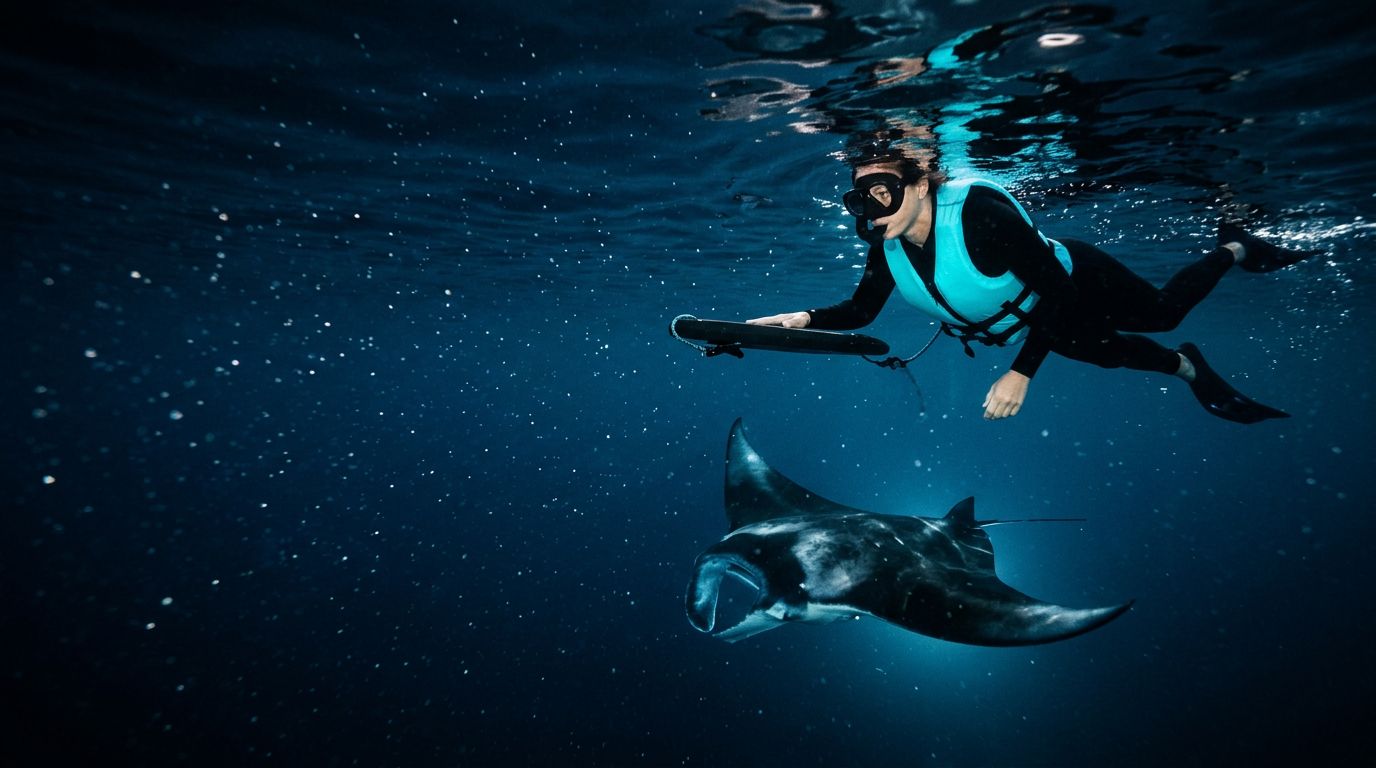
Asthma doesn’t automatically rule out a Manta Ray Snorkel, but it does change how you should plan. Kona Snorkel Trips offers guided nighttime manta encounters, yet an offshore swim after dark still requires honest health screening and preparation.
If you’re comparing snorkeling Big Island Hawaii tours, you should look beyond manta sightings and trip length. Your decision should also include symptom control, medical advice, flotation support, emergency procedures, and the crew’s policy for guests with respiratory conditions. The other local company to compare is Manta Ray Night Snorkel Hawaii, which also provides manta-focused experiences near Kona.
Can You Join a Manta Ray Snorkel With Asthma?
Many people with well-controlled asthma can enjoy surface snorkeling. However, you shouldn’t treat a manta tour as a casual pool swim. The activity combines boat travel, open water, nighttime conditions, swimming, floating, and exposure to cool ocean water.
Your doctor is the right person to assess your individual risk. Tour operators can’t provide medical clearance, and online guidance can’t replace an evaluation based on your symptoms, medications, lung function, and history of exercise-related flare-ups.
Controlled asthma matters
The most important distinction is whether your asthma is stable. If you regularly experience wheezing, chest tightness, coughing, or shortness of breath during exercise, discuss the trip with your healthcare provider before booking.
The Divers Alert Network guidance on asthma and diving focuses on scuba diving rather than snorkeling. Still, its safety concerns are useful because both activities involve respiratory stress and limited access to immediate medical care. A clinical review indexed by PubMed on asthma and underwater activity also emphasizes controlled symptoms and medical assessment for people considering scuba.
Surface snorkeling is less demanding than scuba because you aren’t breathing compressed gas underwater. You still need to swim, keep your face in the water, respond calmly, and return to the boat if symptoms begin.
Night water adds extra demands
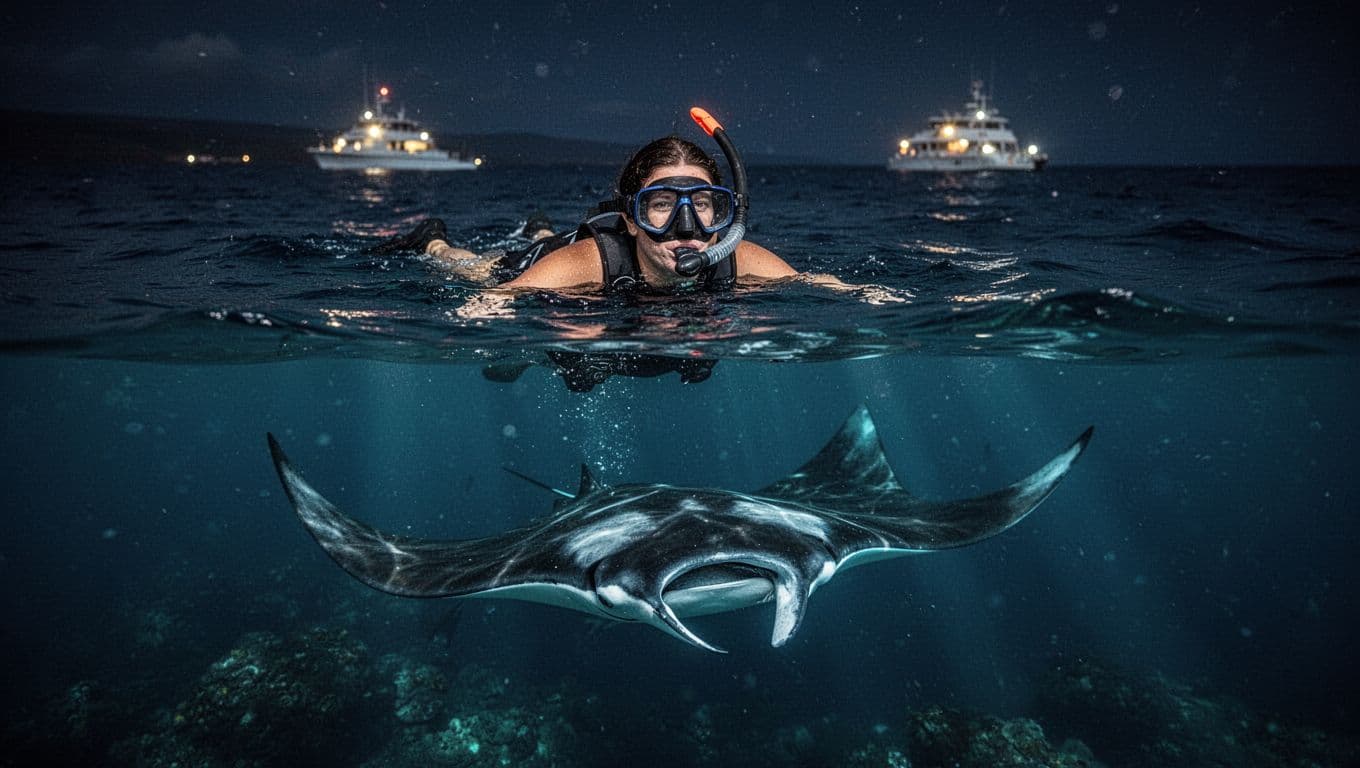
A manta encounter takes place after sunset, often several miles offshore. Darkness can make the water feel unfamiliar, while cold exposure, exertion, motion sickness, or anxiety may affect your breathing.
Some Kona operators report that manta sites can be 20 to 45 minutes from medical care. That distance makes a clear emergency plan important, especially if you have severe asthma or a history of sudden attacks.
You should also be comfortable floating in open water with a mask and snorkel. If lying face-down for an extended period causes breathing discomfort, tell the operator before you reserve a seat.
Questions to Ask Before Booking
A quick phone call or email can reveal whether a tour fits your needs. Share your asthma history clearly, including whether exercise, cold air, allergies, or respiratory infections trigger symptoms.
Ask about the crew’s emergency plan
Find out whether guides carry oxygen, whether an AED is onboard, and how the crew responds to a breathing emergency. You should also ask how the boat contacts emergency services and how long a return to shore normally takes.
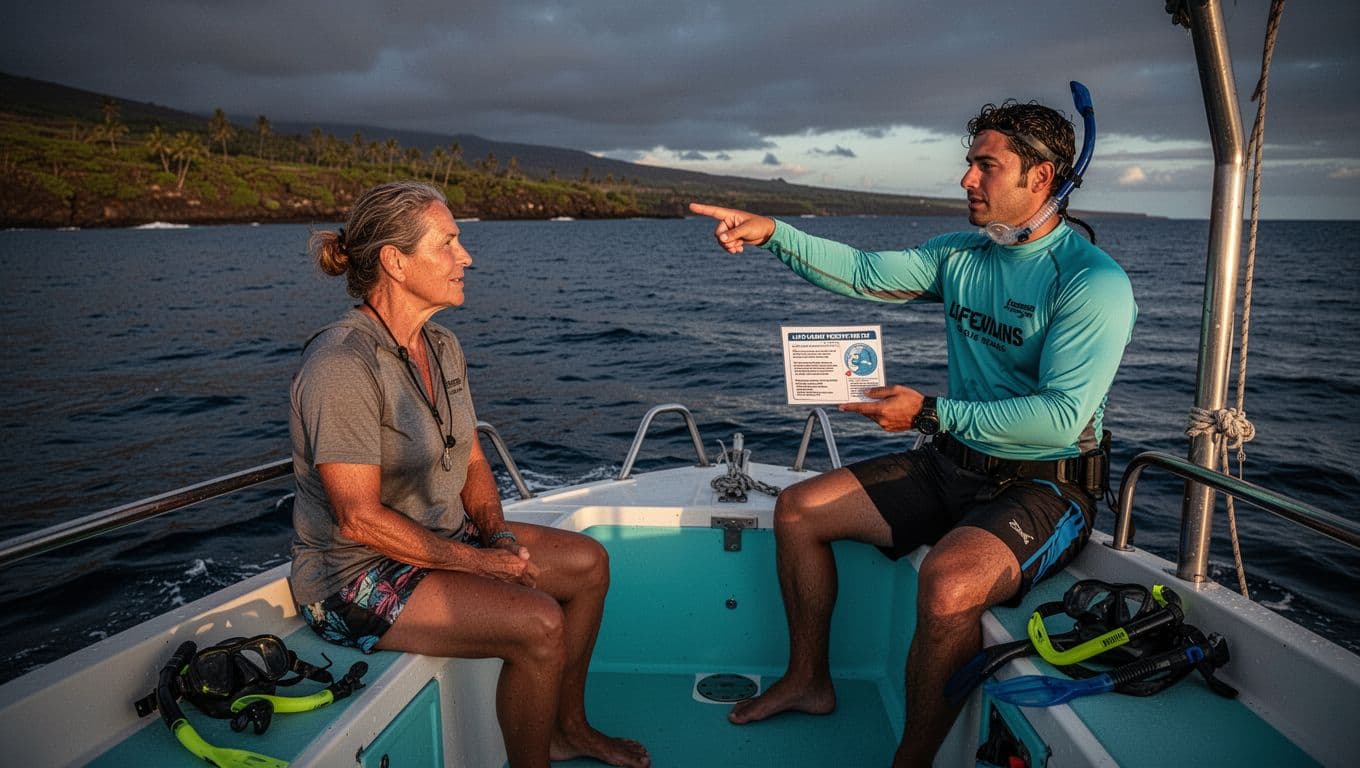
Ask what happens if you feel wheezy or anxious in the water. A good answer should include an immediate signal, assistance from a guide, a fast return to the boat, and the ability to end the swim without pressure.
Keep your rescue inhaler accessible throughout the trip. It shouldn’t be buried under clothing or locked inside a bag. Tell the crew exactly where you keep it before the boat leaves the harbor.
Confirm the water-entry details
Every tour has different requirements for swimming ability, flotation, boarding, and water entry. Ask whether you can use a flotation device, how far you must swim from the boat, and whether a guide stays nearby during the entire encounter.
You should also ask about:
- Current wind, surf, water temperature, and visibility forecasts.
- The minimum swimming ability expected from each guest.
- Whether the trip offers a boat-only or ride-along option.
- Whether prescription masks are available if you need corrective lenses.
- The operator’s policy for asthma, COPD, sleep apnea, or other respiratory conditions.
A boat-only option may let you enjoy the trip without entering the water. It can be a sensible choice if your symptoms change during the vacation or your doctor advises against swimming.
Prepare Your Asthma Plan Before Departure
Good preparation starts before you arrive at the harbor. Follow your normal treatment plan exactly as prescribed, and don’t change medication doses for the tour unless your clinician has already given you specific instructions.
Keep your medication ready
Bring your prescribed rescue inhaler and keep it protected from spray while making sure you can reach it quickly. Tell your travel companion and the guide where it is stored.
If your clinician has provided an action plan for exercise or cold exposure, follow that plan. Don’t borrow medication from another traveler, and don’t assume that a long boat ride gives you enough time to solve a problem after symptoms start.
Eat lightly before departure, drink water, and avoid alcohol. Motion sickness can make it harder to recognize whether you feel short of breath, anxious, or nauseated. If you use motion-sickness medicine, confirm with your healthcare provider or pharmacist that it’s appropriate for you.
Know when to skip the trip
You should postpone the excursion if you have an active asthma flare, chest infection, significant allergy symptoms, or a recent increase in rescue-inhaler use. A vacation schedule is easier to change than an offshore medical emergency.
Don’t enter the water if you feel tight-chested, unusually tired, short of breath, or unable to swim comfortably during the pre-trip briefing. Tell the crew immediately if symptoms begin on the boat.
The safest decision may be staying aboard. A manta encounter is optional, while breathing trouble in open water can become urgent quickly.
If you have severe asthma, ask your doctor and the operator for clear guidance before paying for the trip. Some operators don’t recommend nighttime manta snorkeling for guests with severe or poorly controlled respiratory conditions.
Choosing a Kona Tour for Your Needs
When you’re comparing snorkeling Big Island options, look for an operator that treats safety communication as part of the experience. Small groups, accessible guides, flotation equipment, and clear cancellation policies matter more than a long list of tour features.
Kona Snorkel Trips focuses on guided support
Kona Snorkel Trips follows a “Reef to Rays” philosophy and emphasizes small-group ocean experiences. Its lifeguard-certified guides provide snorkeling gear, wetsuits, and flotation devices, while custom-built lighted boards attract plankton near the surface for the manta encounter.
The company also focuses on reef-safe practices and marine education. For guests with asthma, the practical benefit is direct communication with a guide before departure, plus equipment and flotation support during the activity. You can review its guided night snorkeling near Kona options before contacting the team about your health needs.
Compare policies, not only customer reviews
Manta Ray Night Snorkel Hawaii is another company you can contact when comparing local policies. Ask whether asthma requires advance approval, whether severe asthma is excluded, and what emergency equipment the boat carries.
Whichever operator you choose, disclose your condition before booking. A company that asks detailed questions is helping you make a safer decision, not creating an unnecessary barrier.
What the Manta Encounter Feels Like
Once you’re in the water, you normally float at the surface while manta rays move below. The animals feed on plankton gathered around the tour lights, so you don’t need to dive down or chase them.
You should never touch, grab, or ride a manta ray. Avoid free diving, keep your body calm, and follow the guide’s instructions about spacing and position. These habits protect the animals and reduce unnecessary exertion.
If you want to snorkel Big Island waters but feel uncertain about nighttime conditions, consider a daytime reef trip first. That lets you test your mask, snorkel, flotation device, and breathing comfort in daylight before attempting an offshore night activity.
A guide can help you adjust your position, but you remain responsible for reporting symptoms early. Chest tightness, wheezing, persistent coughing, dizziness, or unusual fatigue are reasons to stop and signal for help.
A Practical Booking Checklist
Before reserving your Manta Ray Snorkel, complete these steps:
- Ask your healthcare provider whether your current asthma control supports open-water swimming at night.
- Tell the operator about your asthma, triggers, recent symptoms, and medication needs.
- Confirm the distance from medical care and the boat’s emergency equipment.
- Ask whether flotation support, early exit, or boat-only viewing is available.
- Pack your rescue inhaler where you and the crew can reach it immediately.
- Check the forecast and cancel if you have an active flare, infection, or unusual breathing symptoms.
If the answers are clear and your asthma is stable, you can discuss dates with the operator. You can also check availability for a Kona manta ray night snorkeling trip before confirming your health requirements.
Conclusion
Asthma doesn’t automatically prevent you from joining a manta ray tour, but stable symptoms, medical guidance, honest disclosure, and accessible rescue medication are essential. Nighttime offshore snorkeling adds distance, exertion, cold exposure, and uncertainty, so you need more planning than you would for a calm daytime swim.
Choose an operator that explains its emergency procedures and respects your decision to remain aboard or leave the water. With the right preparation, you can protect your breathing while giving yourself the best chance to enjoy Kona’s manta rays safely.