
Captain Cook Snorkeling With Limited Grip Strength
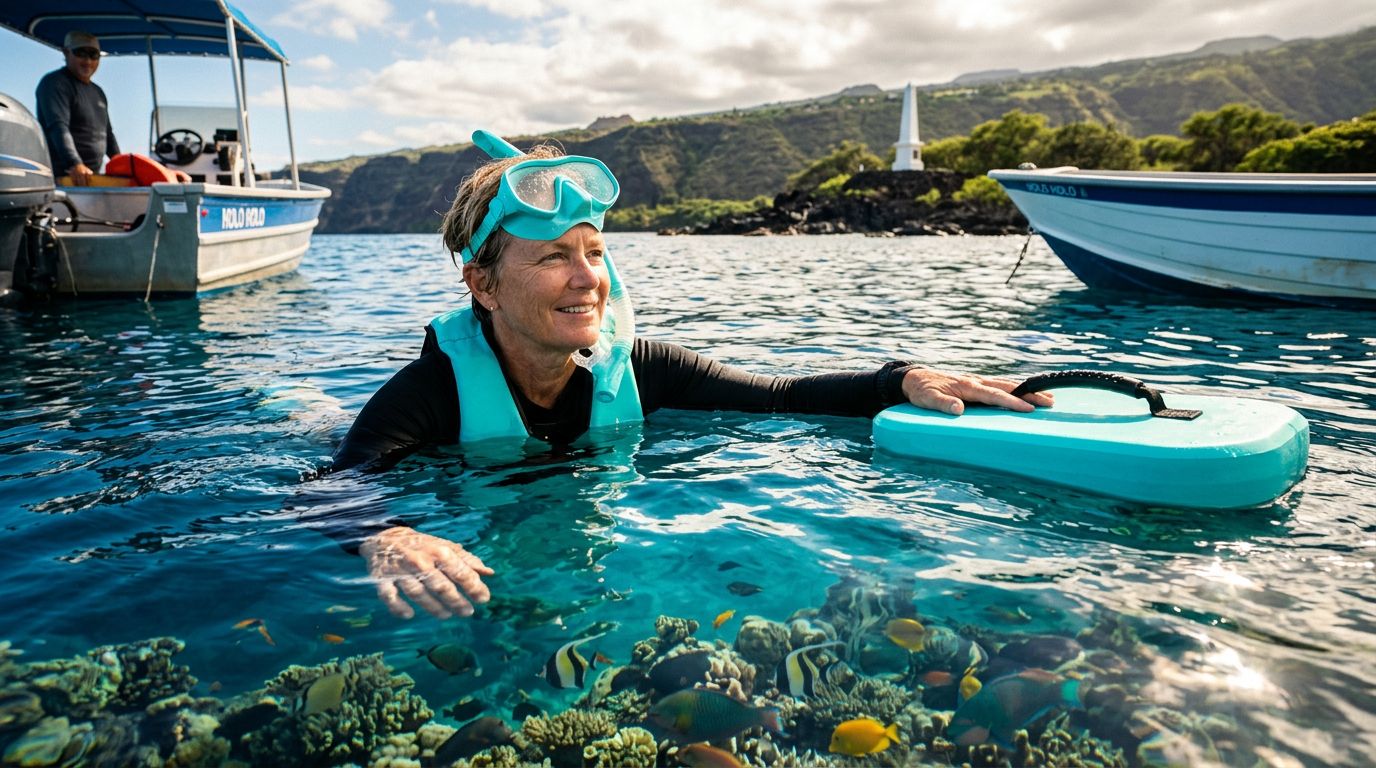
Planning Captain Cook snorkeling with limited grip strength takes more thought than choosing a mask and fins. Your search for snorkeling Big Island Hawaii trips should begin with access, water entry, flotation, and guide support.
Kona Snorkel Trips offers small-group ocean tours to Kealakekua Bay, but you still need to understand the physical requirements before booking. With the right questions and equipment plan, you can enjoy the reef without placing unnecessary strain on your hands.
Captain Cook snorkeling at Kealakekua Bay: start with access
The Captain Cook Monument sits at Kaawaloa on the far side of Kealakekua Bay. You can’t drive directly to the prime snorkeling area. Access options include a boat tour, a guided kayak trip, or a steep hike that returns uphill.
For limited grip strength, a licensed boat tour is usually the least demanding choice. You won’t need to paddle across the bay, carry a kayak, or manage a long trail with uneven volcanic terrain. This Captain Cook access guide outlines the main ways visitors reach the monument.
Why a boat usually works best
Boat access reduces the amount of time you spend gripping equipment before entering the water. It also places you near the reef, so you can conserve energy for swimming and sightseeing.
However, a boat trip isn’t automatically fully accessible. You may still need to step across a boat deck, use a ladder, or transfer from the vessel into the water. Ask about the exact boarding process before reserving your seat.
Tell the operator whether your limitation affects lifting, pulling, holding a rail, or bearing weight through your hands. Those details help the crew give you a useful answer instead of a vague accessibility promise.
Questions to ask before booking
Ask whether the boat has a stable boarding area, a handrail, and a crew member available to assist with transfers. Also confirm whether you can enter the water using a ladder, platform, or another method that fits your abilities.
Kona Snorkel Trips’ Captain Cook tour information requires basic swimming skills and the ability to swim or float unassisted. Limited grip strength may be manageable, but difficulty staying afloat without support can make the activity unsuitable.
You should also ask about flotation options, water depth, expected time in the water, and what happens if you need to exit early. Clear answers make it easier to decide whether the trip matches your comfort level.
Plan your gear around limited grip strength
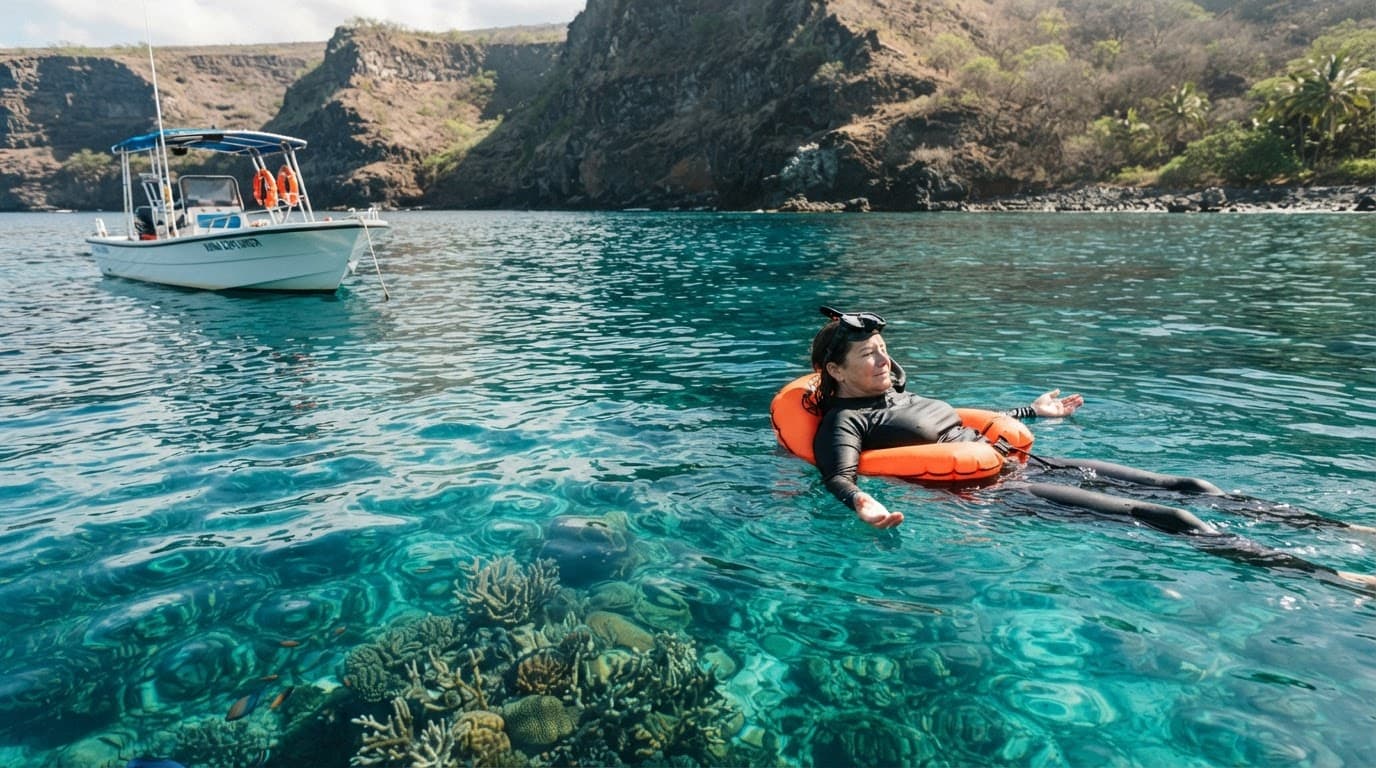
When you snorkel Big Island waters with reduced hand strength, choose equipment that keeps your arms relaxed. Your goal is to float comfortably without holding a board, camera, or rail for long periods.
Prioritize flotation and easy-fit equipment
Ask the tour company what flotation equipment it provides. A properly fitted vest or approved flotation aid can reduce the need to tread water and grip a float.
You shouldn’t depend on your hands to hold yourself at the surface. If you need constant support to remain comfortable, discuss that limitation before booking.
A mask with an easy-adjust strap can reduce setup effort. Your snorkel rests in your mouth, so it doesn’t require continuous hand strength. Fins also let you move through the water with less upper-body effort.
Ask the crew to check your mask and snorkel before you enter the water. Once everything fits correctly, you can focus on breathing, kicking, and communicating rather than making repeated adjustments.
Treat boarding as part of the activity
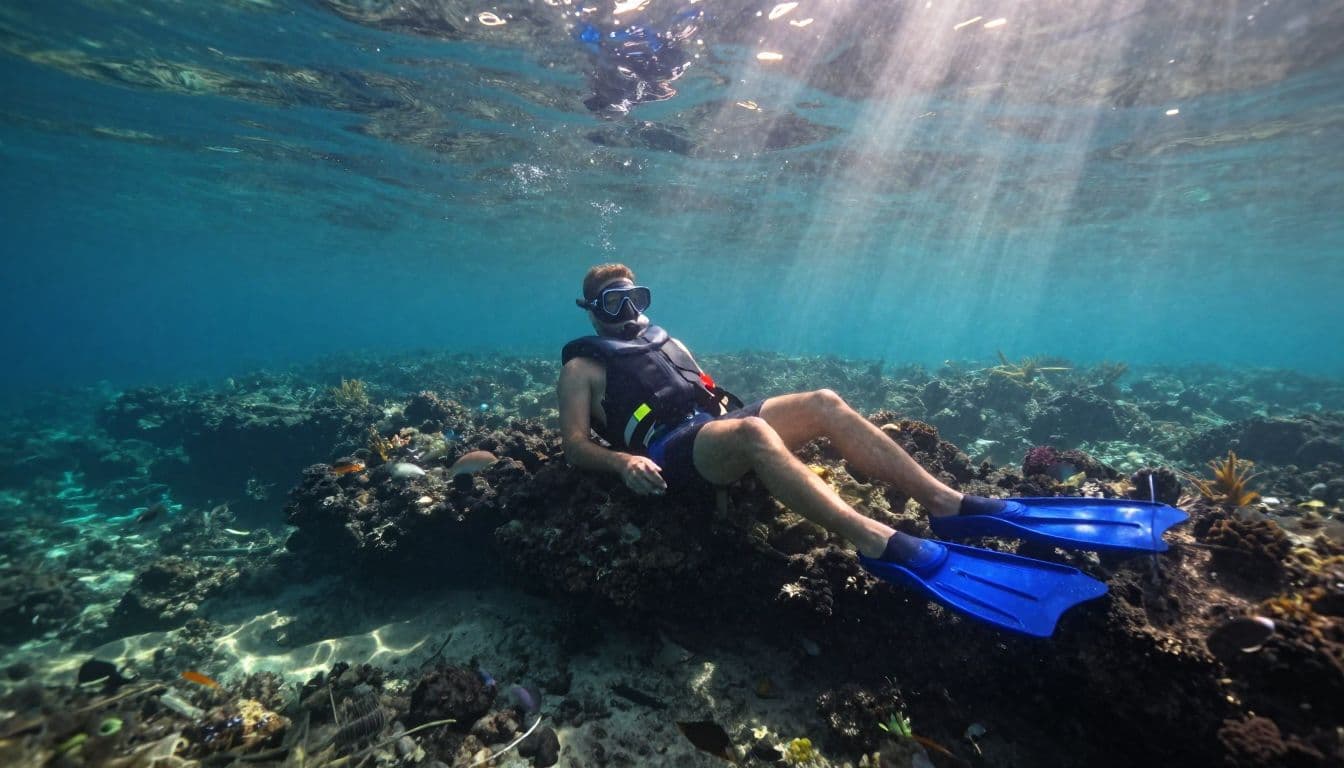
Many people focus on the snorkeling itself and forget that boarding may require more effort. A wet ladder can demand pulling strength, balance, and coordination, especially when you are tired.
Ask how guests enter and exit the boat. If you have stronger use of one arm, tell the crew so they can position you safely. You may also prefer to enter the water after other guests and leave before fatigue builds.
Avoid carrying unnecessary gear. Leave cameras, large bags, and extra equipment with someone on the boat. Keeping your hands free makes each transfer easier.
A private trip can provide more time to discuss your needs and adjust the pace, but it won’t remove the need to swim or float independently. Review the requirements for private Kona boat charters before choosing that format.
Protect your energy and Kealakekua Bay
The best snorkeling conditions still depend on the ocean and your personal energy. A protected bay can feel calm while currents, boat traffic, heat, or fatigue create problems for an individual swimmer.
Check conditions before you leave
Hawaii’s Department of Land and Natural Resources says snorkeling below the pali is suitable during calm conditions. High surf and southern storms can make the bay dangerous, even when the beach looks peaceful.
There are no lifeguards at Napoopoo Beach. A guided tour adds trained supervision, but you remain responsible for telling the crew when you feel tired, cold, anxious, or uncomfortable.
Leave extra time for breaks. You don’t need to stay in the water for the full trip if your hands, shoulders, or breathing become strained. A shorter, comfortable swim is better than pushing until you need an emergency exit.
Follow the marine life conservation rules
Kealakekua Bay is a Marine Life Conservation District. You can’t fish, feed fish, injure marine life, collect coral, or remove geological features. Keep your fins away from the reef and avoid standing on coral or rock where living organisms may grow.
Use reef-safe sunscreen and consider a sun shirt to reduce the amount you apply. DLNR’s vessel permit information also covers access rules, shoreline restrictions, and protections for the bay.
Stay away from turtles, dolphins, and other wildlife. Never chase an animal for a closer view. A guide can help you observe marine life without blocking its path or damaging its habitat.
A guided Captain Cook snorkeling option in Kona
Kona Snorkel Trips follows a “Reef to Rays” philosophy centered on safety, personal service, education, and reef protection. Its small-group tours use the Orca, a well-maintained RHIB with shade and an open bow. Most trips are capped at 18 guests.
The company provides snorkel gear, snacks, and drinks. Lifeguard-certified guides explain the reef, local history, and safe water practices. The company also emphasizes reef-safe behavior and responsible wildlife viewing.
For a dedicated Captain Cook snorkeling tour, discuss your grip strength before booking. The tour still requires you to swim or float unassisted, so an honest conversation about your abilities is essential.
Captain Cook Snorkeling Tours is another company focused on Kealakekua Bay. You can review Captain Cook Snorkeling Tours and its Kealakekua Bay tour guide while comparing departure details and activity requirements.
When a private charter may fit better
A private charter may suit you if your grip strength changes during the day or your group needs a slower pace. You can discuss boarding, flotation, rest periods, and who will stay nearby in the water before departure.
Still, private service doesn’t change the basic safety requirements. You must be able to swim or float unassisted if you plan to enter the ocean. If your condition affects balance, breathing, or transfers, ask your healthcare professional and the operator for guidance before booking.
Your low-grip snorkeling plan for the day
A few practical steps can make the experience more comfortable:
- Call before booking. Explain exactly what you can and cannot grip, lift, pull, or hold.
- Confirm the water-entry method. Ask about ladders, platforms, rails, crew assistance, and emergency exits.
- Request flotation guidance. Find out which approved aids are available and whether they fit your size.
- Pack for comfort. Bring a rash guard, reef-safe sunscreen, prescription medication, and any personal support item the operator approves.
- Use a simple stop signal. Agree on a hand or verbal signal with the guide before entering the water.
- Stay close to the boat and guide. You don’t need to swim far from support to see colorful reef fish and volcanic formations.
Once your questions are answered, you can check avaialbility for a Captain Cook trip that fits your plans.
Conclusion
Limited grip strength doesn’t automatically prevent you from enjoying Captain Cook snorkeling. It does mean you should choose boat access, confirm the boarding process, arrange flotation support, and be honest about your ability to swim or float unassisted.
The right trip lets you spend your energy looking at Kealakekua Bay’s reef instead of managing equipment. With careful planning and clear communication, you can make the water feel inviting, supported, and safe.