
Manta Ray Night Snorkeling Without Fear of the Dark
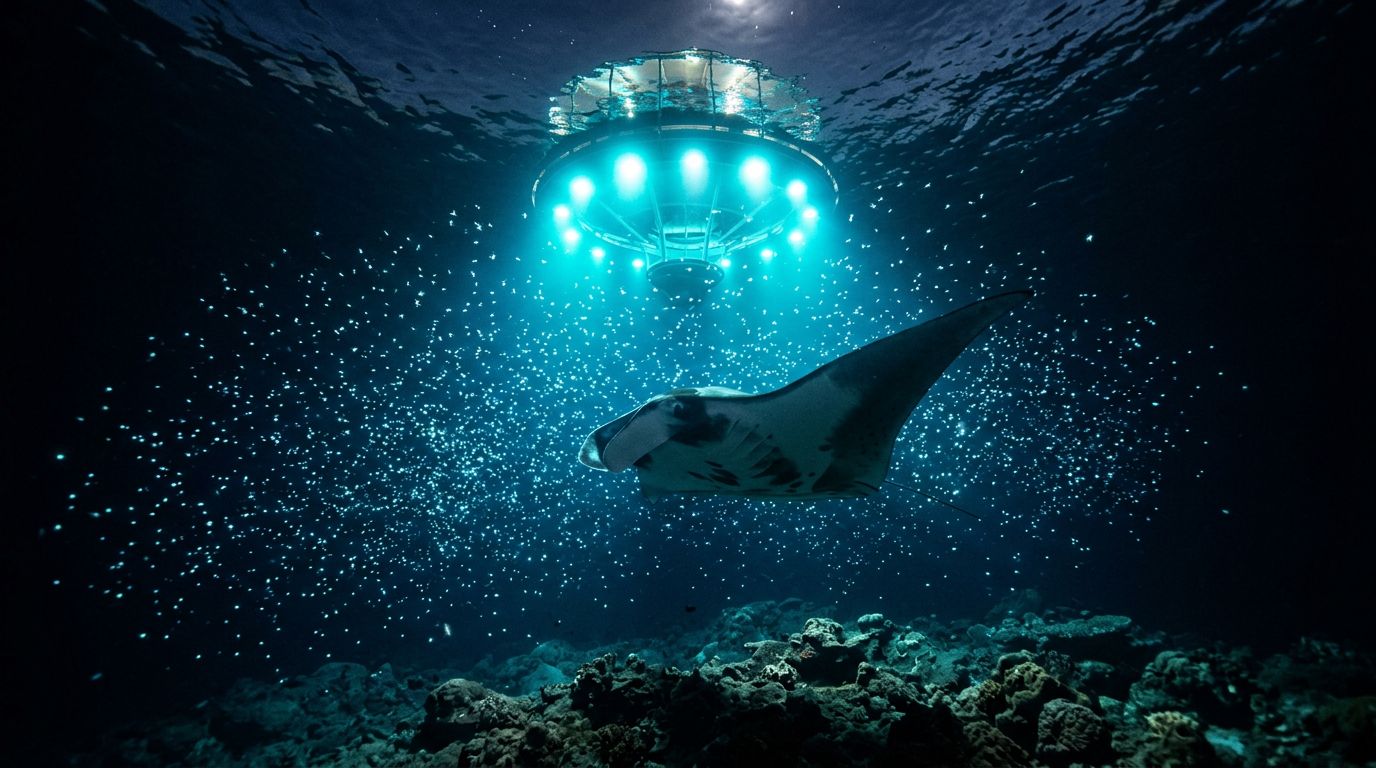
Dark water can make a calm ocean feel enormous, especially when you’re already nervous about swimming at night. However, manta ray night snorkeling in Kona gives you a clear point of focus, steady guide support, and a brightly lit viewing area beneath the surface.
Kona Snorkel Trips offers small-group manta encounters led by lifeguard-certified guides. If you’re researching snorkeling Big Island Hawaii tours, you can also compare the planning information from Manta Ray Night Snorkel Hawaii, another manta-focused resource. Once you understand what happens before, during, and after sunset, the experience feels far more manageable.
Manta Ray Night Snorkeling for Travelers Afraid of Darkness
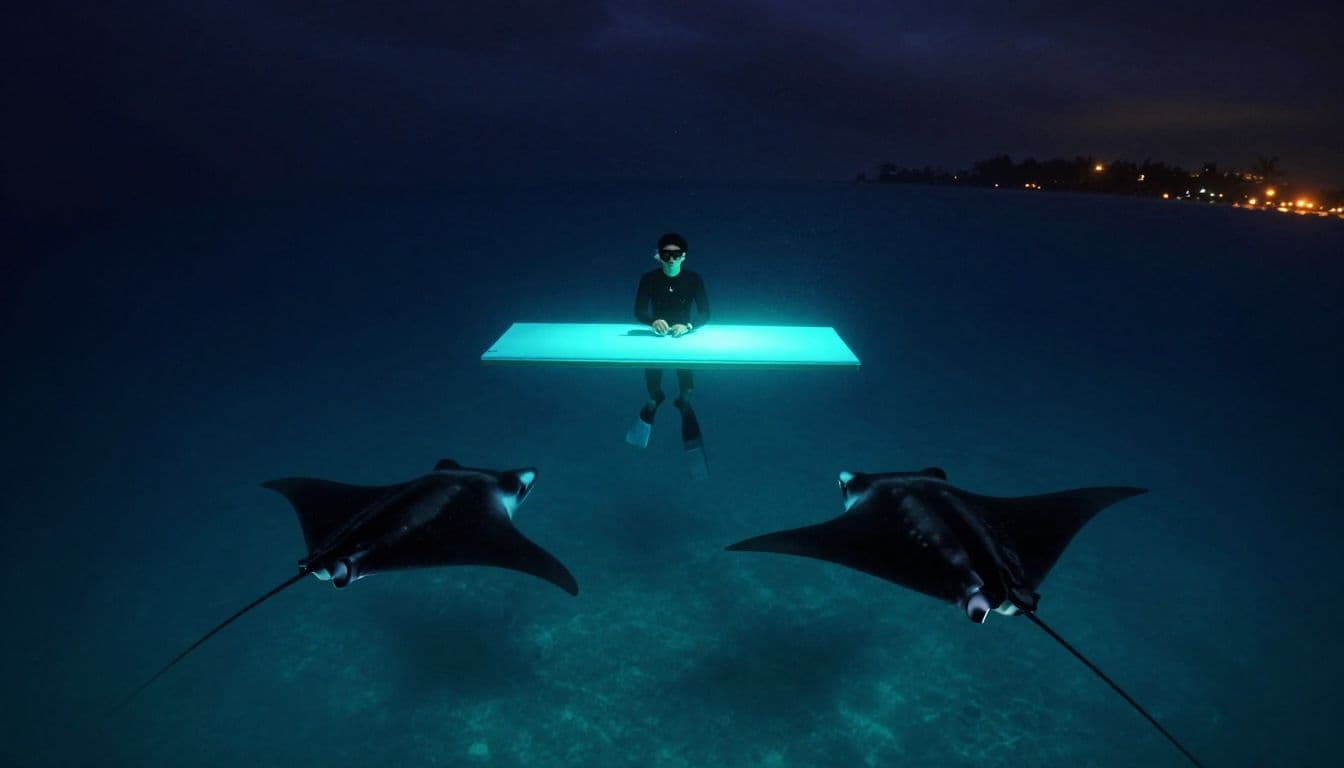
You won’t enter a completely black ocean and swim without direction. Manta tours use strong underwater lights, usually mounted beneath a floating board or viewing platform. Those lights attract plankton, and manta rays move through the illuminated water to feed.
The surrounding ocean remains dark, but your attention stays on the lighted area. That smaller field of vision often feels easier than looking across a wide, unlit bay.
Why the darkness feels different underwater
Fear often grows when you can’t tell where you are. A well-run tour reduces that uncertainty before you enter the water. Your guide explains where to hold on, where to position your body, and how to return to the boat.
Once your mask is on, the light board creates a visual anchor. You can watch the illuminated plankton and wait for mantas to glide through the beam instead of staring into the darkness.
You also won’t need to search for the animals. The guides know where the viewing setup is located and keep the group together.
Give yourself permission to take it slowly
You don’t need to be the first person into the water. Tell your guide that darkness makes you uncomfortable, then watch the entry process before taking your turn.
A few slow breaths can help your body adjust. Keep one hand on the board if the crew permits it, and avoid looking down until you’re ready. After a minute or two, your eyes and breathing often settle into the new environment.
The goal isn’t to ignore your fear. It’s to give yourself enough light, support, and time to stay in control.
What happens during a Kona manta tour
Most Kona manta trips begin near the coast and travel to a viewing area off Kailua-Kona. Manta Village near Keauhou Bay is one of the best-known sites, while Manta Heaven is another established viewing area.
The exact route depends on weather, sea conditions, and the operator’s schedule. Tours generally enter the water only after sunset, when plankton gathers around the underwater lights.
Check-in, briefing, and water entry
Before you leave the dock, you’ll receive your mask, snorkel, and wetsuit or wetsuit top, depending on the operator. Your guide should explain how to adjust the mask, what to do if it leaks, and how to signal for help.
The safety briefing also covers the viewing position. Snorkelers usually remain at the surface while the manta rays pass below. You won’t chase, touch, or dive toward them.
Entry happens under the guide’s direction. Move slowly, use the boat or ladder for support, and wait until the crew gives you space. A controlled entry is especially helpful when you don’t like jumping into dark water.
What you see in the water
After everyone reaches the viewing area, you float near the light board and look down. Manta rays may appear within minutes, or you may wait longer as conditions change.
A typical viewing period lasts about 30 minutes, although the total tour takes longer because of transportation, preparation, and the ride back. The animals often make repeated passes, turning onto their sides or rolling through the illuminated plankton.
NOAA describes manta rays as plankton feeders that can gather in productive coastal waters. Its giant manta ray species guidance also recommends observing them from a safe distance and never enticing them to approach.
Choose a guide who makes you feel secure
The right operator matters more when you’re nervous. Look for a company that explains the process clearly, uses properly maintained gear, and keeps guides in the water with the group.
A smaller group can also make it easier to ask questions or pause when you need reassurance. You should know who to contact before entry and how to return to the boat if you become uncomfortable.
What to look for in a night snorkel operator
Ask whether the trip includes:
- A safety briefing before entering the water.
- Lifeguard-certified or otherwise properly trained in-water guides.
- Flotation support and a clear emergency plan.
- Wetsuits suited to nighttime water temperatures.
- Small-group supervision instead of a crowded viewing line.
- A passive wildlife policy that prohibits touching and chasing manta rays.
You should also ask about the entry method. Some trips use a boat ladder, while others involve stepping into shallow water before swimming to the viewing board. Knowing this detail can remove much of the anxiety before departure.
Why Kona Snorkel Trips may suit nervous swimmers
Kona Snorkel Trips follows a “Reef to Rays” philosophy, with a focus on safety, education, and respectful wildlife encounters. The company offers small-group trips, and most tours cap participation at 18 guests.
Its Lifeguard Certified guides help guests with gear, water entry, and surface positioning. The crew also uses custom-built lighted boards for nighttime manta encounters. That setup gives you a stable place to gather while keeping the viewing area bright.
The company operates the Orca, a maintained RIB inflatable with shade, an open bow, and room for a more personal experience. You can learn more about its small-group Kona snorkeling tours before choosing your trip.
The company has built a five-star reputation through attentive service, safety training, and reef-safe practices. Its guides also explain the volcanic reef environment rather than treating the animals as a simple attraction.
If the trip fits your plans, you can check availability for a Kona Snorkel Trips ocean adventure.
Prepare your body before the lights go out
Night snorkeling is physically gentle for many travelers, but floating in open water uses more energy than you may expect. Cold, waves, and nervous breathing can make your shoulders and legs tense.
A little preparation helps you enjoy the manta encounter instead of spending the entire trip managing discomfort.
Wear the right layers
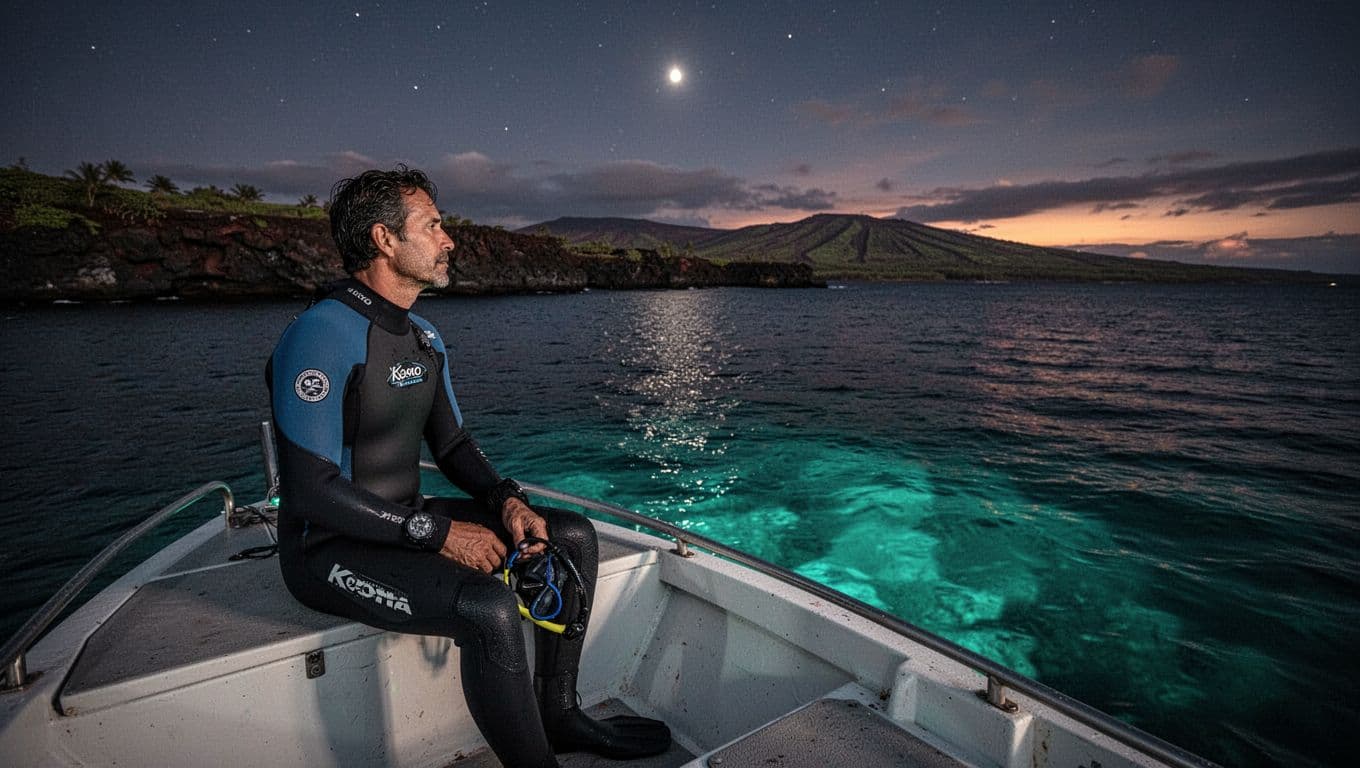
Kona’s ocean water is usually in the mid-70s to low-80s Fahrenheit, but nighttime can feel cooler when you’re floating without much movement. Many operators recommend or provide a 3mm or 5mm wetsuit, depending on the season and guest comfort.
Bring a dry shirt, towel, and warm layer for the boat ride home. Even if you feel comfortable in the water, wind across wet skin can make the return trip chilly.
Use reef-safe sunscreen during the daytime portion of your vacation. For a night tour, apply it well before entering the ocean and follow the operator’s instructions about products and gear.
Eat lightly and plan for seasickness
Have a normal meal earlier in the day, then choose a light snack before the tour. Heavy food can feel uncomfortable on a moving boat, especially if you’re already tense.
If you get seasick, ask your doctor or pharmacist about suitable medication before your vacation. Don’t try a new medication for the first time immediately before an ocean trip.
Arrive rested and hydrated. Keep your evening schedule flexible so you don’t have to rush from dinner, a hike, or another water activity.
Use simple techniques once you enter the water
Your first few minutes matter. If you enter while holding your breath or kicking hard, you may feel tired before the manta rays arrive.
Listen to the guide, keep your movements small, and use the light board as your reference point.
Stay near the surface
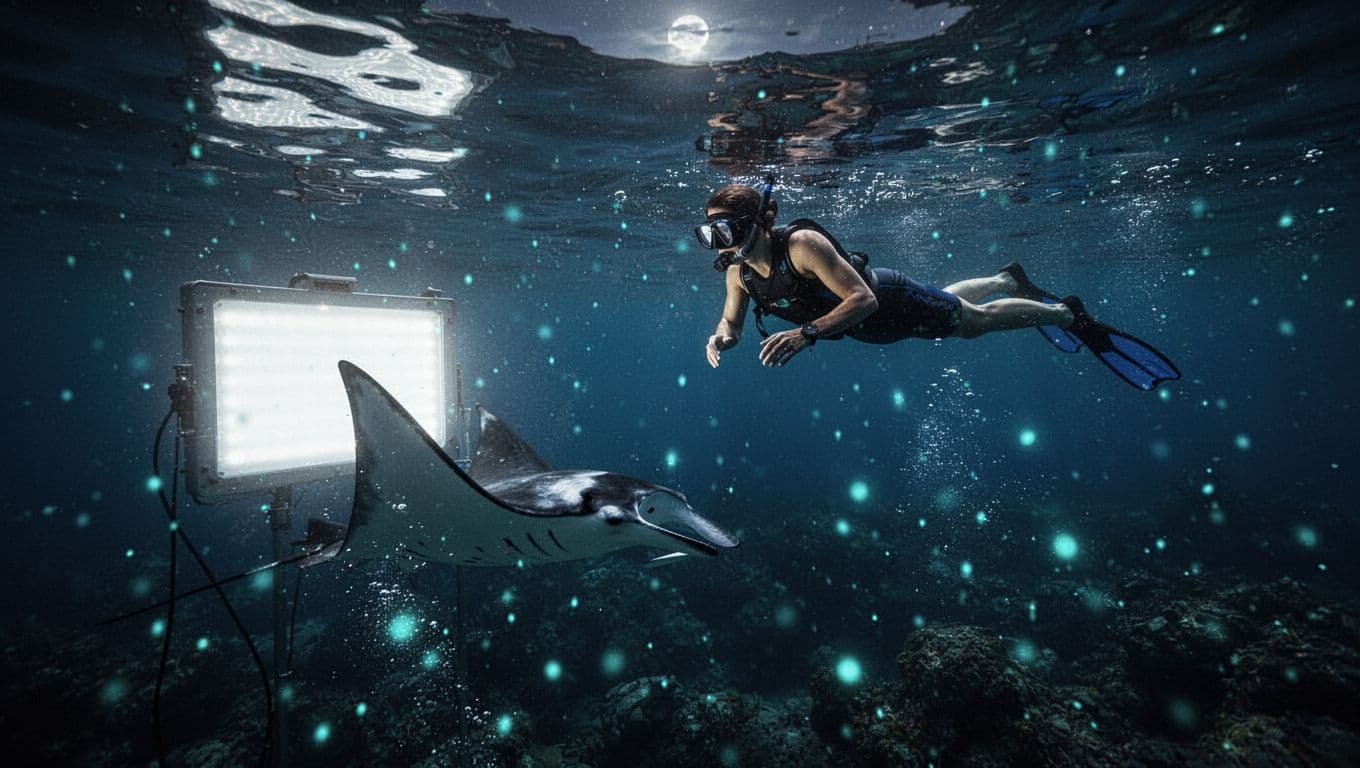
Keep your body horizontal and let your wetsuit help you float. Relax your neck so you can look down without lifting your head repeatedly.
Use gentle fin movements only when you need to change position. Strong kicking can disturb nearby swimmers and make your breathing feel faster.
Don’t swim toward a manta ray. The animals move through the lighted area on their own, often passing close beneath the board before turning away.
The Hawaii Ocean Watch manta tour operator standards encourage passive observation, with snorkelers remaining at the surface and leaving open water below for the mantas.
What to do if panic starts
If your breathing becomes fast, lift your face from the water and tell the guide. You don’t need to leave immediately. Holding the board, sitting out for a moment, or returning to the boat are all reasonable choices.
Avoid pulling another swimmer or climbing over people to get out. Signal clearly and wait for the crew to assist you.
You can also use a simple breathing pattern. Inhale slowly through your mouth, then make your exhale longer than your inhale. Look toward the guide or the edge of the board instead of into the darkest part of the water.
Respect manta behavior during the encounter
The manta rays come to the viewing area for food, not for human interaction. Underwater lights attract plankton, and the rays follow that food source.
Their movement can look dramatic because they glide close to the board and sometimes turn sharply. That behavior doesn’t mean you should reach for them or swim after them.
Why the mantas come to the lights
Manta rays feed on tiny planktonic animals in the water. When lights concentrate plankton near the surface, mantas may make repeated passes through the area.
Some nights produce more activity than others. Water movement, visibility, weather, and plankton concentration all affect how many rays you see and how long they stay.
The animals may pass directly below you, but you should keep your hands and fins to yourself. Let the manta choose its own path.
Rules that protect you and the animals
NOAA’s marine life viewing guidelines emphasize responsible observation around wild animals. For a manta snorkel, that means keeping a safe distance, avoiding contact, and following your guide’s instructions.
Hawaii’s management framework also includes operating rules for commercial manta viewing. The Hawaii DLNR manta viewing rules address commercial moorings, anchoring, live boating, rafting, and activity within designated viewing areas.
These rules are practical, not decorative. A dark ocean has limited visibility, so keeping boats, swimmers, and animals in predictable positions helps everyone.
Is a night snorkel right for you?
You don’t need advanced snorkeling experience, but you should be comfortable putting your face in the water and floating with a mask. A guide can help with equipment, yet a tour can’t remove every challenge of open-water swimming.
Consider your own comfort rather than comparing yourself with another traveler in your group.
First-time snorkelers can participate
Many first-time snorkelers enjoy the experience because the light board gives them a clear destination. You don’t need to swim long distances, and the viewing period is mostly stationary.
Practice breathing through a snorkel in a pool or during a daytime beach swim if you have time. That small rehearsal can make the night entry feel familiar.
Tell the crew about your experience level before the boat leaves. Ask whether flotation devices are available and whether you can remain close to the ladder or guide during the first few minutes.
You can also snorkel Big Island reefs during the day before trying a nighttime encounter. Daylight gives you a calmer way to test your mask, breathing, and comfort in the ocean.
When you should choose another activity
A manta tour may not be a good fit if you panic whenever you cannot see the bottom, feel unsafe floating in open water, or cannot follow basic guide instructions.
If you have a medical condition that affects swimming, breathing, balance, or cold-water tolerance, ask a qualified medical professional before booking. Be honest with the operator about your needs.
Families should also consider each child’s comfort. A child who enjoys a daytime pool but dislikes dark rooms may need extra preparation. Couples and solo travelers can ask about small groups, flotation support, and the return-to-boat process before paying.
Plan around weather, season, and logistics
Manta ray night snorkeling operates year-round in Kona, but conditions change through the year. Spring, summer, and fall often bring calmer seas and better visibility. Winter can bring larger surf and more cancellations, even though manta rays remain in the area.
A tour operator may cancel or reschedule when conditions make the trip unsafe. Build some flexibility into your itinerary instead of booking the activity on your final night.
Choose a time that suits your comfort
An early launch may include sunset, but you won’t enter the water until darkness arrives. This timing gives you a gradual transition and lets you see the boat, crew, and equipment before the night portion begins.
Darker lunar phases may produce favorable viewing conditions because less moonlight competes with the underwater lights. However, the moon isn’t the only factor. Sea conditions and plankton movement matter more than choosing a specific date by itself.
If you’re planning snorkeling Big Island activities around a family schedule, book the manta trip early in your stay. That leaves room to move it if weather changes.
Check the details before booking
Confirm the meeting point, transportation time, water-entry method, wetsuit policy, age requirements, cancellation terms, and expected time in the water. Ask whether fins are allowed, since equipment rules differ between operators.
Bring a towel, dry clothes, water, and any personal comfort items you need. Leave loose valuables at your accommodation unless the operator provides secure storage.
For a Kona Snorkel Trips manta excursion, you can check availability before you finalize your evening plans.
Conclusion
Manta ray night snorkeling becomes easier when you replace uncertainty with a clear plan. Choose a safety-focused guide, use the light board as your visual anchor, wear a suitable wetsuit, and stay at the surface with the group.
You don’t have to love darkness before you enter the water. You only need enough support to take the first calm breath and let the manta rays come to you. For many travelers, that controlled start turns an intimidating night ocean into the most memorable part of a Kona vacation.