
Can You Join Captain Cook Snorkeling If You Fear Boats?
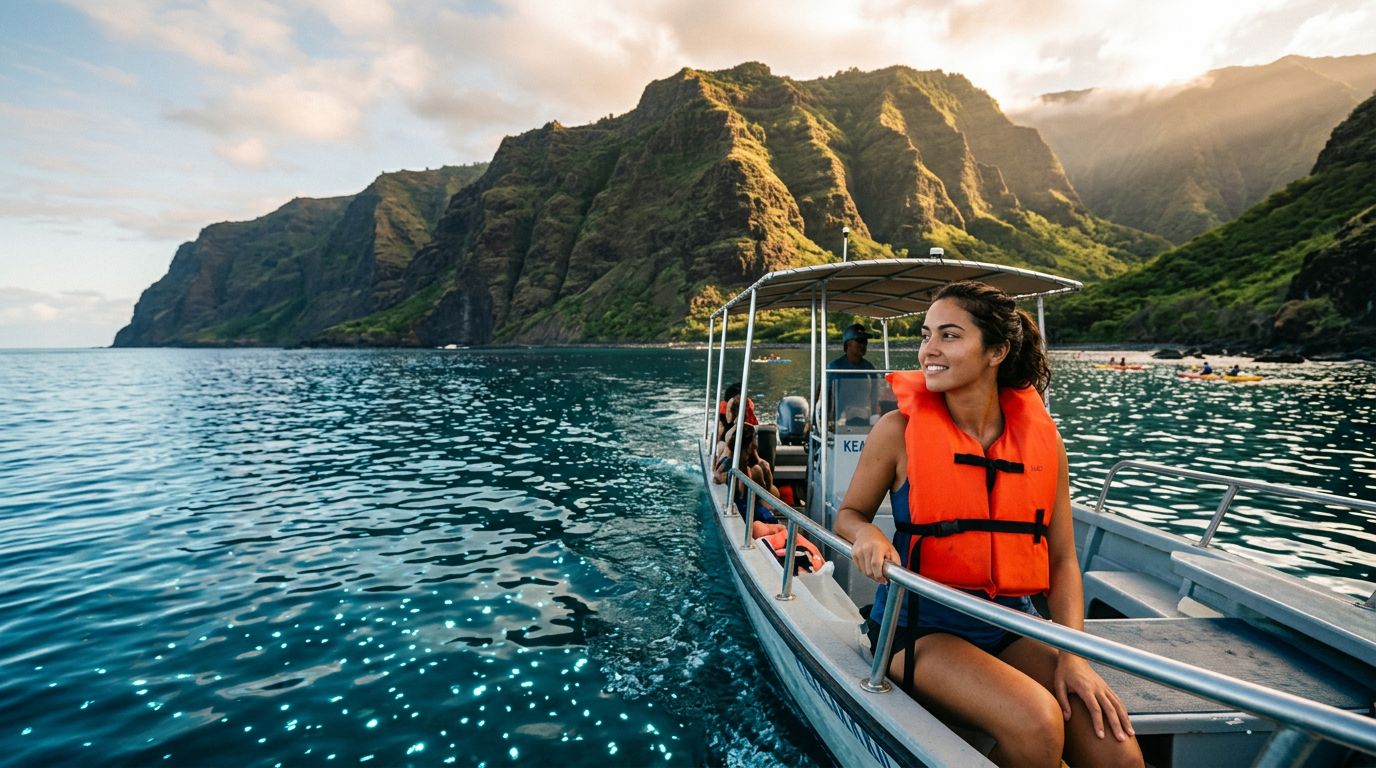
Kona Snorkel Trips can be a good fit if you feel nervous on boats but still want to explore Kealakekua Bay. Captain Cook snorkeling is possible when your fear means mild anxiety, seasickness concerns, or unfamiliarity with open water.
However, a boat tour isn’t right for everyone. You need to handle a boat ride, follow safety instructions, and have basic swimming skills to enter the water. Start by understanding what the trip involves, then decide whether the experience matches your comfort level.
Captain Cook snorkeling: Is it right for you?
The answer depends on what you mean by fearing boats. Some travelers feel tense during departure but relax once the boat reaches calm water. Others experience intense panic, severe motion sickness, or fear that makes it difficult to follow instructions.
Mild nerves can be manageable
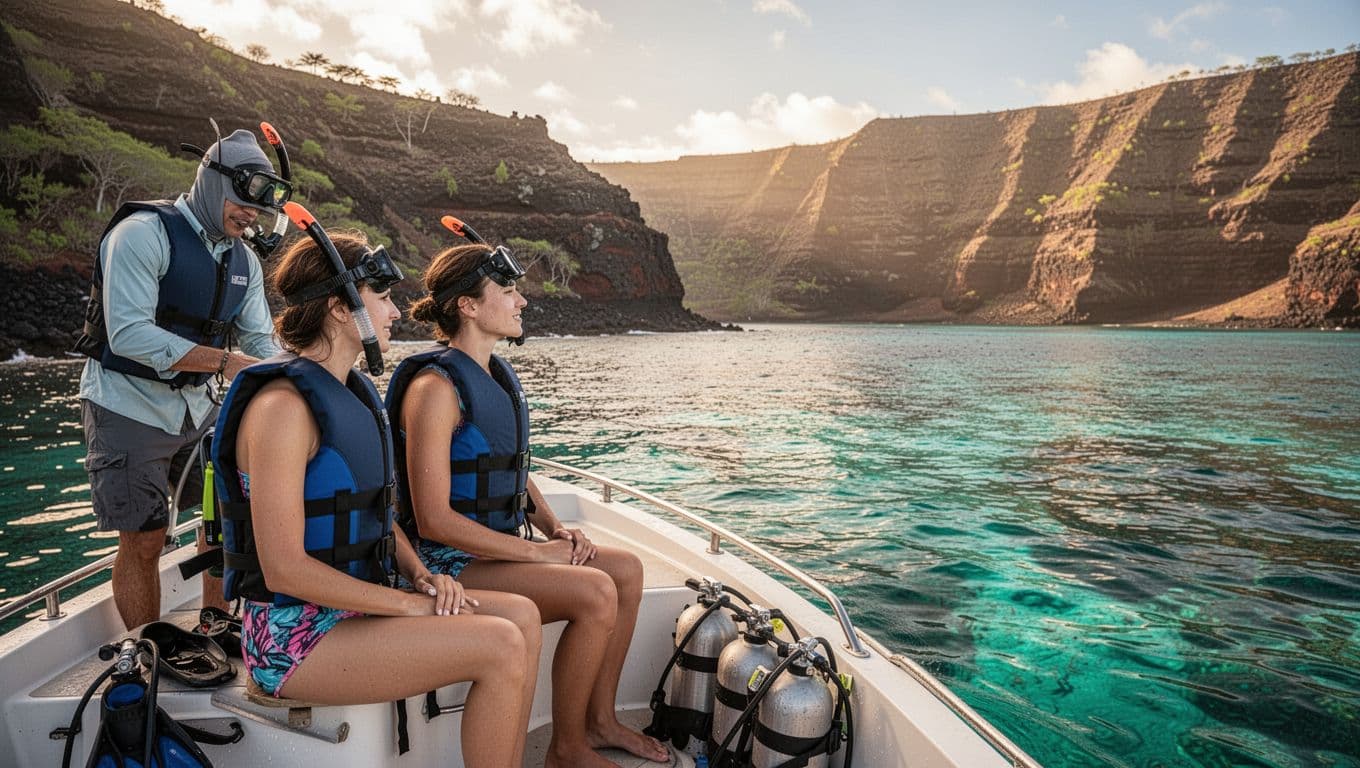
A small guided tour may feel less intimidating than a large ferry or crowded excursion. You’ll have a guide nearby, open air around you, and a clear view of the horizon. The boat won’t feel motionless, but calm conditions and a steady crew can make the ride easier.
Tell the crew about your anxiety before leaving the harbor. That gives them a chance to explain the route, help you choose a comfortable seat, and answer practical questions before the boat moves.
Severe panic is different. If you expect to freeze, leave the boat suddenly, or lose control in open water, choose a land-based activity instead. No snorkeling trip should push you beyond a safe limit.
You still need to participate safely
The boat ride and the snorkeling portion are separate challenges. You may feel comfortable sitting on deck but still feel unsure about entering the ocean. That’s common, especially if you haven’t snorkeled before.
Kona Snorkel Trips requires basic swimming skills for guests who enter the water. Flotation equipment supports you, but it doesn’t replace the ability to swim or float without help. Non-swimmers can’t take part in the in-water portion.
Guests should also meet the operator’s health requirements. Pregnancy, some back or neck conditions, limited mobility, and certain medical concerns can make this type of trip unsuitable.
What the Captain Cook boat trip involves
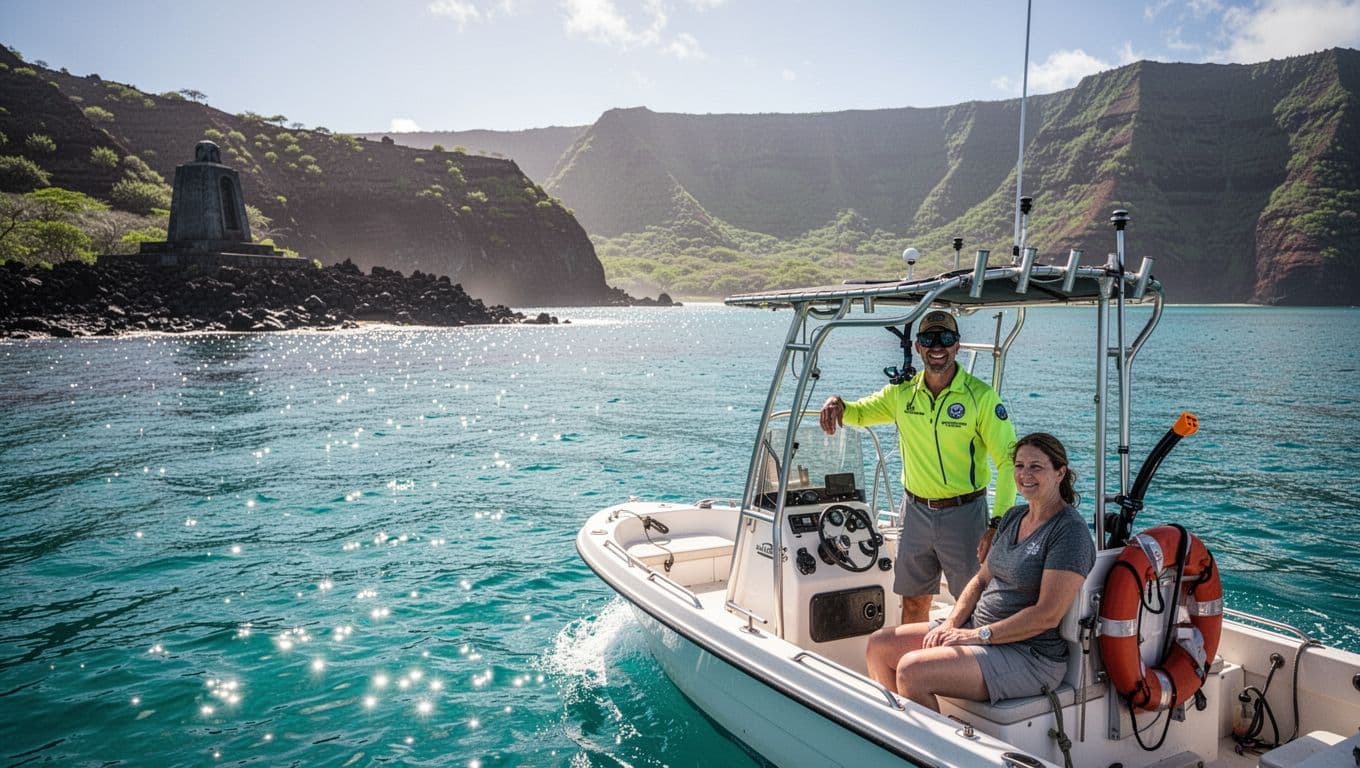
A Captain Cook excursion takes you by boat along the Kona coast to Kealakekua Bay. Kona Snorkel Trips lists the experience as a four-hour tour departing from Honokohau Harbor, with scheduled trips from 8:30 a.m. to 12:30 p.m. and 11:00 a.m. to 3:00 p.m.
You should expect an open, ocean-going boat rather than a large enclosed vessel. That setup gives you fresh air and a wide view, but you may notice the movement of the water more clearly.
The ride is part of reaching the reef
Kealakekua Bay is famous for its clear water, coral habitat, and historic Captain Cook Monument. The monument area isn’t a standard beach-access snorkeling site. Visitors commonly reach the area by boat, kayak, or a long hike.
A local guide to the bay explains the available access options and why the monument side isn’t accessible by car in the same way as an ordinary beach. You can read more about Kealakekua Bay access before deciding whether a boat trip works for you.
The bay has rules that limit shore access
Ka’awaloa, the area near the monument, has special access rules. Visitors cannot treat the monument shoreline like a public boat ramp or regular beach. Your tour crew handles the approach and tells you where you can safely enter the water.
That structure may actually help boat-anxious travelers. You don’t need to plan a difficult shoreline entry, carry equipment along a steep trail, or find your own way through unfamiliar conditions.
How guides make the experience easier
The right guide can change how you experience the first ten minutes on the water. You still control your breathing, pace, and decision to enter, but good instruction removes much of the uncertainty.
Small groups give you more room to speak up
Kona Snorkel Trips focuses on small-group ocean outings rather than an impersonal, crowded setup. Its guides are lifeguard certified and provide help with equipment, flotation, and in-water support.
You can tell the guide that you fear boats before departure. Be direct. Explain whether you worry about tipping, motion sickness, deep water, or being far from shore. Each concern calls for a different response.
A guide may also explain where to sit, when the boat will slow down, and what happens when you reach the snorkel site. Clear information often reduces the fear caused by not knowing what comes next.
You don’t have to rush into the water
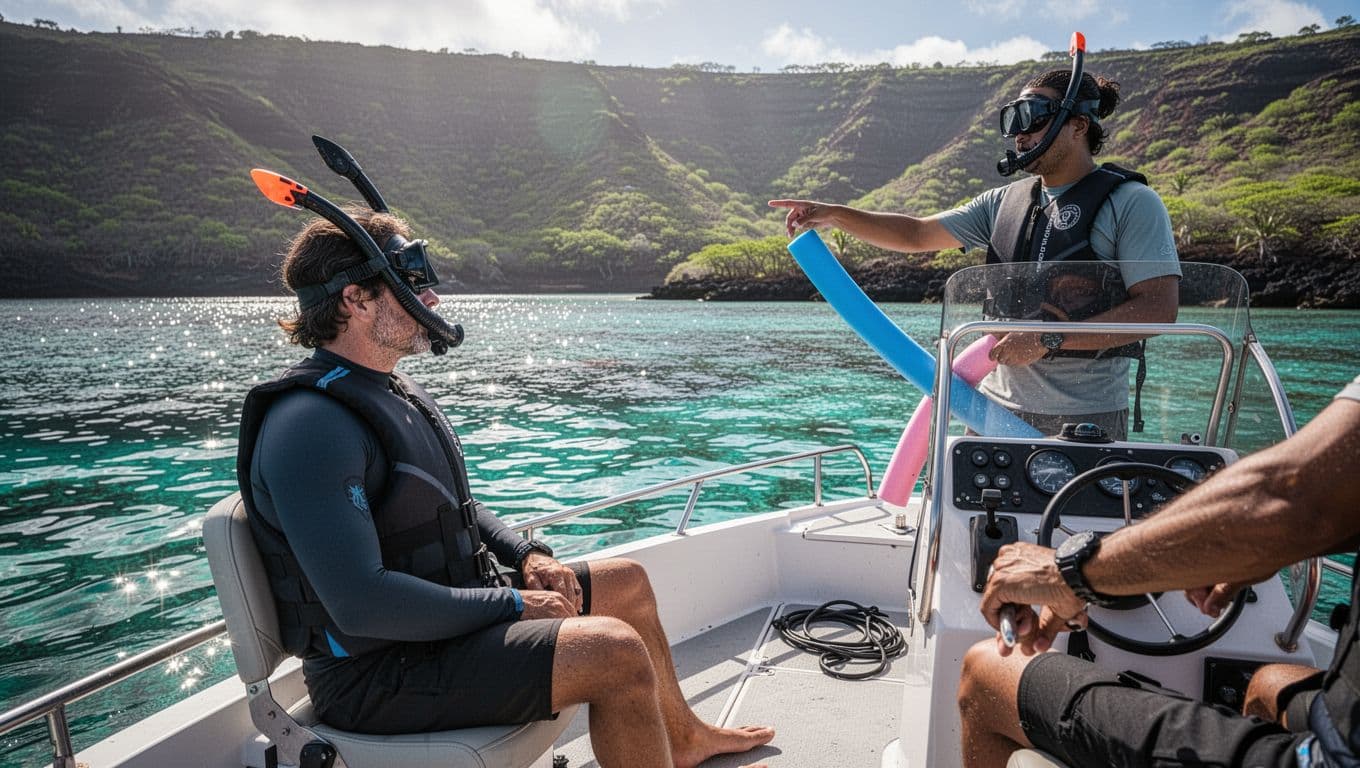
A proper mask fit makes a major difference for beginners. If water leaks around the seal or the snorkel feels awkward, ask for help before entering. You should also know how to use any flotation device provided.
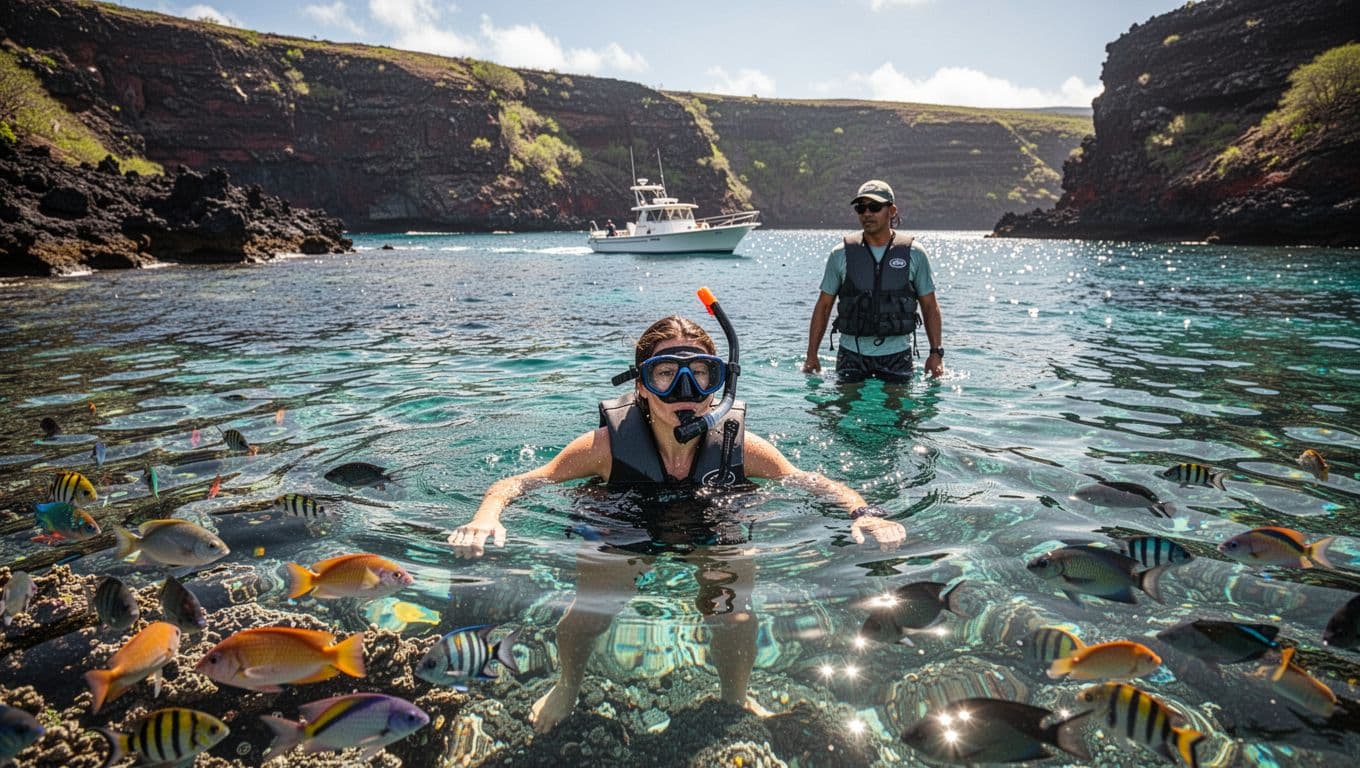
Once the boat reaches the site, listen to the safety briefing. Enter only when you feel ready and when the crew says conditions are suitable. Keep your breathing slow, stay near the guide, and use the flotation support correctly.
Separate seasickness from fear of boats
Boat anxiety and motion sickness often overlap, but they’re not the same problem. Knowing which one affects you helps you prepare more effectively.
Motion sickness usually improves with planning
Motion sickness can bring nausea, dizziness, sweating, headache, and fatigue. It often happens when your eyes see a stable boat interior while your balance system feels the boat moving.
Sit near the middle of the boat when possible. Keep your eyes on the horizon, get fresh air, and avoid reading or staring down for long periods. You may also feel better when the boat is moving steadily instead of stopping and starting.
If you have used Dramamine, Bonine, or another motion-sickness treatment before, speak with your doctor or pharmacist about whether it’s appropriate for you. The CDC’s motion sickness guidance covers common preventive medications and treatment considerations.
Panic needs a different response
Fear can continue even when the water is calm. You may worry about being trapped, falling overboard, or being unable to return to shore. In that situation, medicine for nausea won’t solve the main problem.
Ask yourself how you respond when anxiety rises. Can you listen to instructions and communicate clearly? Can you remain seated while the boat moves? Can you decide calmly whether to enter the water?
Flotation helps you stay supported in the water, but it doesn’t make an open-water boat ride motionless.
If the answer is no, don’t force the excursion. You can enjoy the Kona coast through a scenic drive, a shore-access beach, or another activity that keeps you on land.
Reduce seasickness before you board
A few practical choices can make the trip more comfortable. They won’t guarantee a symptom-free ride, but they can reduce common triggers.
Prepare your body the night before
Sleep well and eat a light meal before departure. An empty stomach can make you feel weak, while greasy food can worsen nausea. Drink water, but avoid arriving dehydrated.
Alcohol can increase dehydration and make motion sickness harder to manage. Too much coffee may also leave you jittery or uncomfortable. Bring water and a small, plain snack if the operator allows it.
NOAA explains that seasickness and related medications can contribute to dehydration and headaches. Its advice on seasickness causes and prevention is useful before any ocean excursion.
Choose your seat carefully
The bow usually moves more than the middle of the boat. Ask the crew where the most stable seating is, then keep your eyes on distant land or the horizon. Fresh air can help, so avoid staying below deck or staring at your phone.
Ginger chews or ginger tablets help some travelers. Acupressure wristbands are another option. If you plan to use medication, ask a medical professional about timing, side effects, and whether it can cause drowsiness.
Choose a trip setup that gives you control
Your choice of departure time, group size, and boat format can affect how comfortable you feel. When planning snorkeling Big Island Hawaii activities, look beyond the destination and consider the entire day.
Morning trips may suit nervous travelers
Morning conditions are often cleaner and calmer along the Kona coast, although weather and swell can change. Earlier trips may also give you more energy for the boat ride and snorkel session.
Ask the operator about the expected conditions before you leave. A responsible crew checks the weather and can adjust the route or cancel when conditions aren’t safe. Calm water is helpful, but no operator can promise that the sea will feel perfectly still.
If your schedule allows, avoid booking the boat trip after a long travel day. Fatigue can make anxiety and nausea harder to manage.
A private charter can reduce social pressure
A private excursion won’t remove boat movement, but it can give you more privacy. You won’t need to explain your concerns in front of a large group, and the crew can focus more closely on your needs.
A private Kona snorkeling tour may work well for couples, families, or small groups who want a slower pace. Swimming skills are still required for anyone entering the water, and the trip remains ocean-based.
People who want to snorkel Big Island reefs should separate two decisions: whether they can handle a boat and whether they can safely snorkel. Your snorkeling Big Island plans become easier when you answer both questions before booking.
What Kona Snorkel Trips offers
Kona Snorkel Trips builds its ocean trips around a “Reef to Rays” philosophy. The company focuses on small-group service, lifeguard-certified guides, quality snorkeling equipment, and responsible behavior around Hawaii’s marine life.
Its Captain Cook snorkeling tour in Kealakekua Bay includes a mask, snorkel, fins, and additional flotation. The guides also share information about the reef, local history, and safe ocean practices.
The operation is designed for travelers who want personal support rather than a crowded commercial experience. You can ask questions before departure, discuss boat anxiety with the crew, and receive help with your gear.
Kona Snorkel Trips also offers other Big Island snorkeling tours for travelers comparing different ocean activities. If Captain Cook isn’t the right match for your comfort level, ask about another trip format instead of booking without discussing your concerns.
Another local company, Captain Cook Snorkeling Tours, also focuses on Kealakekua Bay experiences. Comparing the boat type, trip length, group size, and safety rules can help you choose with confidence.
“`
If Kona Snorkel Trips feels like the right fit, you can check availability before finalizing your plans.
“`
Why Kealakekua Bay rules matter
Kealakekua Bay is a Marine Life Conservation District. That designation protects an important reef habitat and limits activities that can damage coral or disturb wildlife.
The protected area rewards careful snorkeling
State information describes the bay’s marine life protections and the special status of Ka’awaloa Flats near the Captain Cook Monument. You can review the Division of State Parks information before your trip.
Your guide will explain where to swim and how to avoid damaging the reef. Never stand on coral, touch marine animals, or chase fish. Keep your fins away from the bottom whenever possible.
Use reef-safe sun protection and apply it well before entering the water. If you need more sunscreen during the trip, ask the crew where and when you can apply it.
Wildlife needs distance
Sea turtles, spinner dolphins, and reef fish may appear in or near the bay. Watch without pursuing them. Current visitor guidance recommends keeping at least 10 feet from sea turtles and remaining much farther away from spinner dolphins.
These rules help protect the animals, but they also make the water calmer for everyone. Guests aren’t crowding wildlife or swimming unpredictably through the reef. A respectful snorkel is safer and more enjoyable.
When snorkeling Big Island waters, remember that clear visibility can make animals seem closer than they are. Let the guide set the pace and distance.
Use this decision before you book
Captain Cook snorkeling may suit you if you feel nervous but can remain calm, communicate with the crew, and swim or float independently. A small group, a morning departure, proper preparation, and an honest conversation with the guide can make the experience feel manageable.
Before booking, ask these questions:
- How long is the boat ride in the expected conditions?
- Where can you sit if you are prone to motion sickness?
- What flotation equipment is available?
- Can you remain on the boat if you decide not to snorkel?
- What happens if weather or ocean conditions change?
- Does your health history affect eligibility?
Kona Snorkel Trips lists the Captain Cook experience for guests age 3 and older, but age alone doesn’t determine readiness. A child must be comfortable following directions and using the required equipment. Adults should review the current restrictions before paying.
If your fear involves repeated panic, ask a healthcare professional for guidance before scheduling an open-water excursion. A shore-based reef may be a better first step.
When you’re ready to discuss the specific trip, you can check avaialbility and share your concerns with the operator.
“`
Make the boat ride part of the plan
You don’t need to love boats to enjoy Captain Cook snorkeling. You do need an honest understanding of your fear, realistic expectations about ocean movement, and enough swimming ability to participate safely.
For mild nerves or occasional seasickness, preparation and supportive guides may be enough. If the boat itself causes severe panic, choose a land-based option instead. The best snorkeling day is one that lets you enjoy Kealakekua Bay without ignoring your limits.