
Big Island Snorkeling: Coral or Rubble?
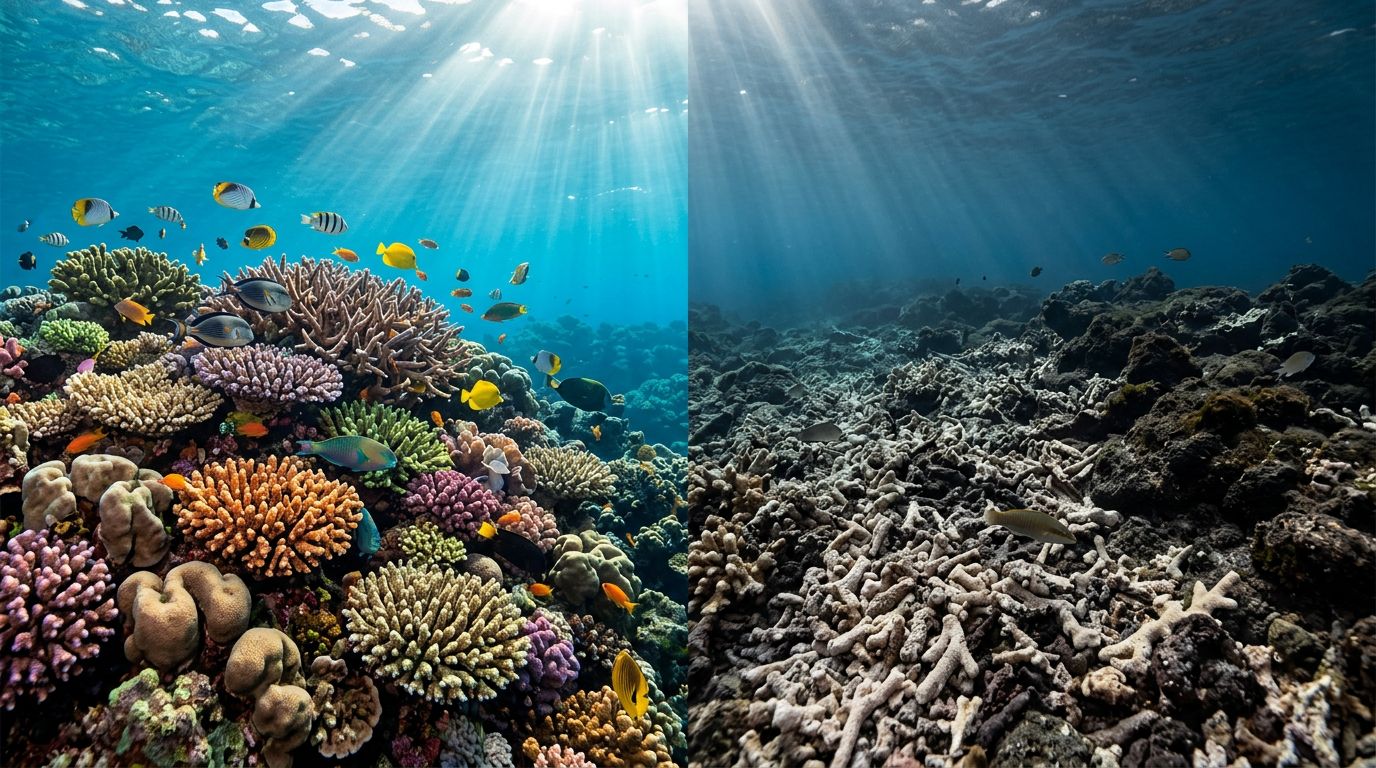
Snorkeling Big Island Hawaii puts you above a living underwater community, but not every rough surface below you is alive. Big Island snorkeling becomes more rewarding when you can tell bright, growing coral from broken coral rubble, bare lava, and algae-covered rock.
That difference also changes how you move through the water. You can protect the reef, choose better viewing spots, and understand what you’re seeing without touching the bottom. Start by learning the visual clues that separate a living reef from its remains.
Why Coral Rubble Matters When You Snorkel
Coral rubble is made of broken pieces of coral skeleton. Waves, storms, strong surge, animals, and human contact can all break coral into fragments. Over time, those pieces may settle into piles or spread across the seafloor.
Rubble isn’t the same as plastic, trash, or lifeless ocean floor. Small fish and invertebrates can use gaps between fragments for shelter. Algae, sponges, and young corals may later grow across the surface. Even a damaged area can support life while the reef changes.
Still, a rubble field usually offers fewer stable homes than a healthy coral structure. Large coral colonies create ledges, holes, shaded areas, and feeding grounds. Their three-dimensional shapes give marine life more places to hide and find food.
The National Oceanic and Atmospheric Administration’s coral reef guide explains how reef ecosystems support fish and other organisms. When you look down while snorkeling, you’re seeing only one part of that larger system.
Living coral is made of tiny animals called polyps. Each polyp builds a hard calcium carbonate skeleton, and thousands of polyps can form a colony. The reef’s color often comes from microscopic algae living within the coral tissue, along with the pigments of the coral itself.
Coral can look muted, tan, brown, cream, pink, or gray. Color alone doesn’t tell you whether it’s alive. Shape, texture, surface movement, and nearby activity provide better clues.
A pale coral colony may still be alive, while a colorful-looking surface may be algae growing over dead skeleton.
Snorkeling Big Island Hawaii: What Living Coral Looks Like
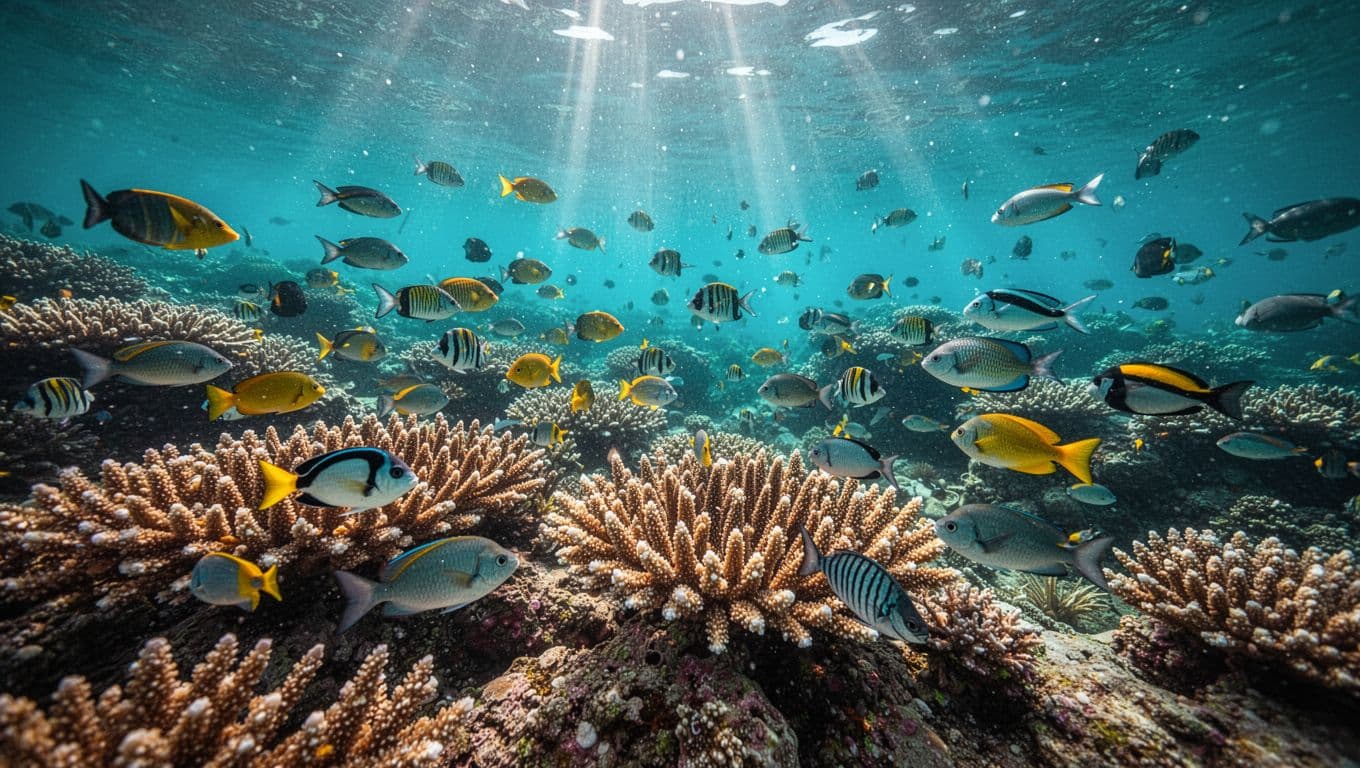
Living coral usually has a sense of structure. Look for rounded mounds, branching forms, ridges, plates, or small knobs that rise above the surrounding bottom. These shapes create shadows and overhangs, even in shallow water.
A healthy colony may appear smooth from a distance, but closer inspection often reveals a fine, textured surface. The texture can resemble tiny dots, short ridges, or closely packed bumps. You don’t need to touch it. Clear water and a relaxed swim usually give you enough time to observe it.
Movement is another clue. Coral polyps are small, so you won’t see them waving like sea grass. However, the surface may look soft or slightly fuzzy because of extended polyps. A colony can also appear to shimmer as water moves over its uneven surface.
Watch the spaces around coral as well. Damselfish, butterflyfish, wrasses, and other reef fish often stay near complex coral structures. Their presence doesn’t prove that every nearby patch is alive, but it helps you identify a functioning habitat.
Color and texture
Living coral can have subtle color changes across one colony. Look for lighter growing edges, darker recesses, and consistent patterns that follow the shape of the structure. The surface should look attached to the reef, not scattered across it.
Dead coral skeleton often looks chalky and porous. It may have many small holes, broken edges, and a brittle appearance. Algae can cover it, creating green, brown, or golden tones that make the surface seem active.
You may also see coral that is stressed or recently bleached. Bleached coral has lost much of the algae that gives it color, so it can look white or pale. Bleaching doesn’t always mean the colony is dead. If conditions improve, some coral can recover.
Hawaii’s reefs have faced repeated marine heatwaves and other stressors. A USGS report on Hawaiian coral reefs describes how these events have reshaped nearshore reef communities over time.
Growth edges
The edges of a coral colony can offer useful clues. New growth may form a clean, lighter rim around an older section. Branching coral may show intact tips, while mound-shaped coral can have smooth expansion around its outer edge.
Avoid treating every white edge as new growth. Sunlight, sediment, and exposure can also change the color. Use several clues together instead of making a decision from one detail.
Fish behavior
Fish often reveal where the reef has useful structure. Small fish may dart into holes when you approach. Larger fish may circle a coral head, pick food from its surface, or rest in the shelter of a ledge.
A flat rubble field can still attract fish, especially if algae or small organisms grow there. However, a dense mix of fish, shadows, crevices, and coral shapes usually indicates a more developed habitat.
How to Spot Coral Rubble Underwater
Rubble often looks scattered rather than connected. You may see loose chunks lying on sand, overlapping like stones, or forming a low, uneven layer. Pieces can range from pebble-sized fragments to large slabs with broken edges.
The key clue is the lack of attachment. Living coral grows as a connected colony or remains fixed to a stable base. Rubble shifts, rolls, or leaves gaps beneath it. Surge may move smaller fragments, especially in shallow water.
Broken coral often has sharp-looking edges and a bright white interior. The outside may carry algae, sediment, or tiny organisms, while the fresh break looks pale and porous. Don’t touch a fragment to test it. Looking from above protects both you and the reef.
Bare volcanic rock has a different appearance. Hawaii’s shoreline includes dark lava surfaces with irregular cracks, holes, and sharp contours. Lava may support algae, limpets, sea urchins, or small coral colonies, but the rock itself isn’t coral.
Sand can collect around both living reefs and rubble. Look at the transition between surfaces. A coral colony tends to rise from a fixed point, while rubble usually spreads outward in a loose apron.
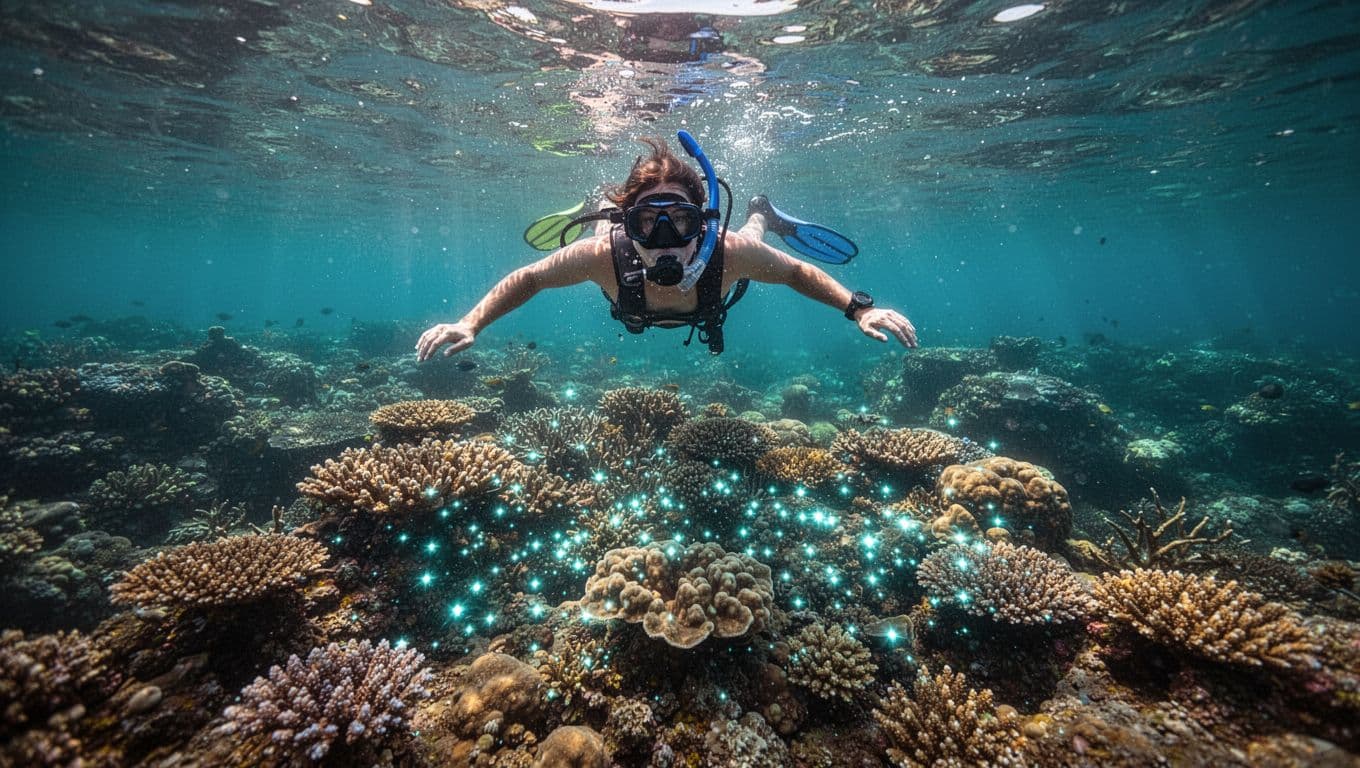
Use this quick comparison while you swim:
| What you see | More likely living coral | More likely coral rubble |
|---|---|---|
| Position | Attached to a stable base | Loose on sand or rock |
| Shape | Rounded, branching, ridged, or layered | Broken chunks with sharp edges |
| Surface | Fine texture or small raised patterns | Porous, chalky, or heavily worn |
| Layout | Connected colony or defined formation | Scattered fragments and gaps |
| Fish habitat | Holes, ledges, shade, and nearby activity | Some shelter, but less complex structure |
Rubble can become habitat, so don’t assume it has no value. Your goal is to recognize the difference and avoid adding more broken pieces to the seafloor.
Read the Reef Without Touching It
The safest way to identify coral is to slow down. Strong fin kicks stir sediment and make details harder to see. They can also push you toward the reef before you realize how close you are.
Keep your body level and use small, controlled movements. If you need to stop, pause in open water rather than placing your hands on coral. A gentle current can carry you over the area while you observe from a respectful distance.
Your equipment matters too. A properly fitted mask gives you a clear view without constant adjustment. Short, relaxed breaths help you stay calm and maintain a steady position. If you wear fins, practice efficient kicks before approaching shallow reef.
Never stand on the bottom, even if the surface looks like rubble. Loose fragments can hide living organisms, and a single step can crush a young coral colony. Some rocks also hold sea urchins or other animals that can injure you.
Water conditions change the way the reef looks. Morning light may show more detail than harsh midday glare. Cloud cover can reduce color but reveal texture. Surge can make the reef seem to move, so wait for a calmer moment before judging what you see.
If visibility drops, increase your distance from the bottom. Sand and sediment can remain suspended after another swimmer passes. Moving away gives the water time to clear and protects the reef from repeated contact.
A guide can also point out features you might miss. Kona Snorkel Trips uses small-group guided experiences, quality snorkeling equipment, and Lifeguard Certified guides who discuss local marine life and reef-safe behavior. Its “Reef to Rays” approach connects wildlife viewing with care for Hawaii’s coastal ecosystems.
Where Big Island Snorkeling Offers Clear Reef Views
Kona’s west coast is popular for snorkeling because many sites offer clear water and access to nearshore marine habitats. Conditions still vary by wind, swell, tide, recent rain, and boat traffic. A location that looks calm from shore may have strong surge near a reef.
Kealakekua Bay is one of the island’s best-known snorkeling areas. Its protected setting can provide excellent visibility, but you should still watch your entry point and stay aware of changing conditions. The bay includes coral formations, lava surfaces, fish habitat, and areas where broken material has collected.
A guided Kealakekua Bay snorkel tour can help you compare those surfaces while you’re in the water. Guides know how to position guests safely, explain what they’re seeing, and adjust the route when conditions change.
The reef doesn’t look identical at every site. Some areas have large coral heads separated by sand. Others combine coral with lava shelves, boulders, and narrow channels. You may see living coral growing over older skeletons, which makes the boundary between life and rubble less obvious.
A private trip can give you more control over pace and location. Kona Snorkel Trips offers customizable boat tours for travelers who want a more personal outing. You can discuss your group’s swimming ability, preferred pace, and interest in reef observation before departure.
Families often benefit from a slower route with time to practice mask skills. Couples may prefer a quieter site or a longer surface interval. Strong swimmers may want to compare two reef areas, while newer snorkelers may need a calm, shallow introduction.
Kona Snorkel Trips has built its reputation around personal service, safety, and responsible ocean experiences. Its guides can help you observe the reef without turning the seafloor into a hands-on attraction.
Use Reef-Safe Habits in Every Water Entry
Your choices in the water can protect coral even when you can’t identify every species. Start by keeping your hands, fins, cameras, and flotation devices away from the bottom.
Reef-safe sunscreen is one part of that effort. Choose a product that follows current local guidance, apply it before you leave for the water, and cover up with a rash guard when practical. No sunscreen should be treated as permission to touch coral or swim directly over shallow colonies.
Avoid feeding fish. Food changes natural behavior and can attract animals into areas where they face more contact with swimmers. It also makes fish less cautious around people.
Keep your distance from turtles, rays, dolphins, and other wildlife. If an animal changes direction because of you, you’re too close. Give it room to choose where it goes.
Secure loose gear before entering the water. Dangling straps, selfie sticks, and fins can strike coral without you noticing. Use a floating camera carefully, and don’t rest it on a reef to get a shot.
The Nature Conservancy reports that recent bleaching events caused significant losses in live coral cover in Hawaii. Its Hawaii coral reef restoration work shows why careful recreation matters alongside larger restoration efforts.
You can also help by following local instructions about access, anchoring, and marine life. Conditions and rules differ by site, so listen to your captain or guide before you enter the water.
The clearest reef photo often comes from better buoyancy and patience, not from getting closer.
When Coral Is Hard to Classify
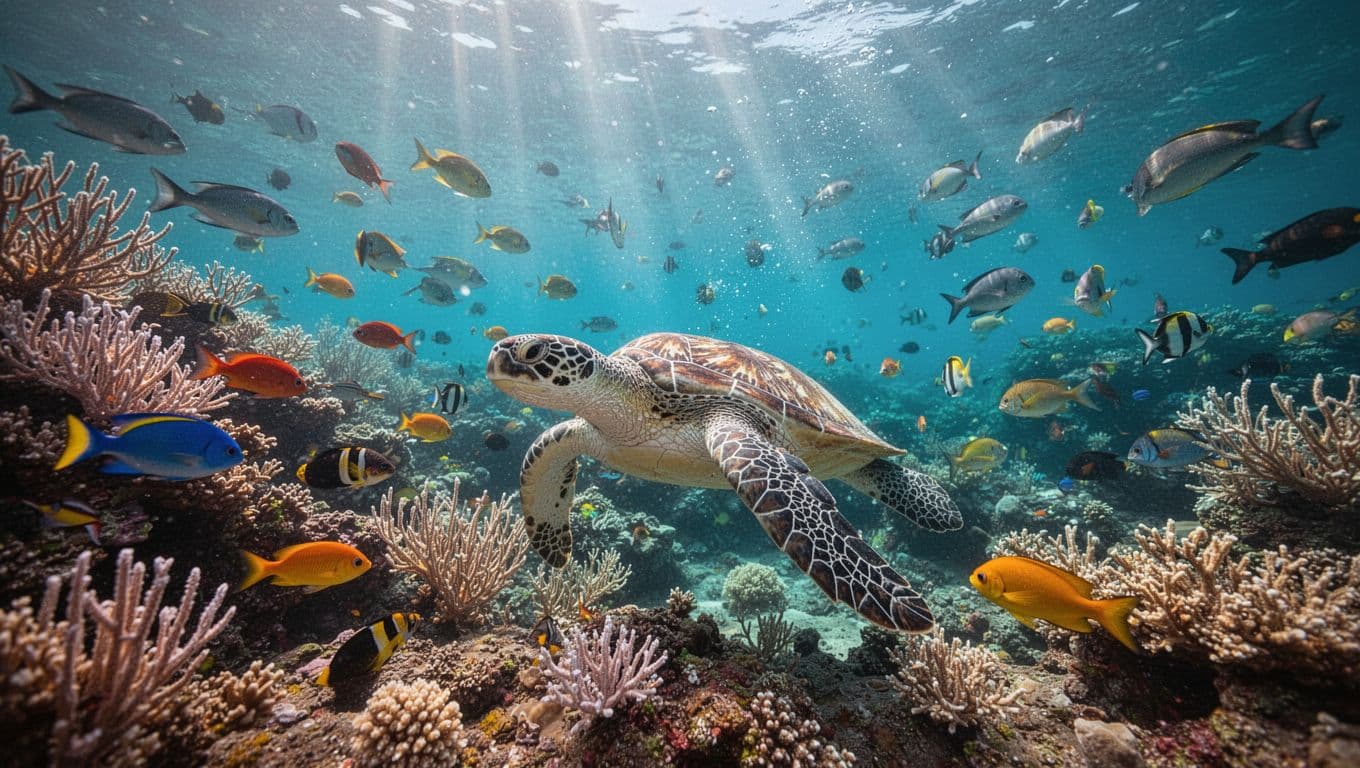
Some underwater surfaces won’t fit neatly into one category. A dead coral skeleton may still support algae and small invertebrates. A living colony may have pale areas, damaged sections, or a layer of sediment after rough weather.
Young coral can also be difficult to spot. Small colonies may look like bumps on a lava shelf or pale patches among older rubble. Their size makes them easy to overlook and easy to damage.
Bleached coral needs special care. Because it can look white and lifeless, swimmers may assume it’s safe to stand on. Treat it as living coral unless you know otherwise. Even stressed colonies may recover when temperatures and water conditions return to a better range.
You may encounter algae-covered rubble that looks green and active. Algae is part of the reef food web, but it doesn’t turn a loose coral fragment into a living coral colony. Look for attached growth, coral texture, and stable structure.
A guide can help you make a more accurate observation without disturbing the area. Ask what you’re seeing before you reach toward it. You’ll often learn more from a short explanation than from a close-up touch.
If you snorkel Big Island waters on your own, choose a site that matches your ability and check conditions before entering. Stay within your comfort zone, use a buddy system, and leave the water when wind or swell makes it difficult to maintain control.
A Simple Reef-Reading Routine
Before you swim over a new area, pause at its edge. Look for the bottom’s overall pattern, then identify the largest fixed structures. Those features give you a better reference than a single fragment.
Next, scan for shadows and fish activity. Coral formations usually create more shelter than an even rubble field. After that, look for texture and growth patterns on the surface.
Keep your eyes moving rather than staring at one colony. This helps you notice the transition between living coral, old skeleton, algae, lava, and sand. It also prevents you from drifting into a shallow structure while concentrating on details.
When you find a healthy-looking colony, hold your position several feet away. Watch how fish use it, how water moves over its surface, and whether the structure connects to the reef below. You’ll understand more by observing for 30 seconds than by touching it for one second.
Record what you see only if you can keep your body controlled. A camera should support observation, not force you into a position where your fins or hands contact coral.
A snorkeling Big Island itinerary becomes more rewarding when you leave room for this kind of slow observation. You don’t need a marine biology degree to recognize patterns. You need clear water, steady movement, and enough patience to look closely.
Conclusion
Coral rubble is usually loose, broken, and scattered, while living coral remains attached and builds a stable, textured structure. Color can help, but shape, growth patterns, fish habitat, and the way a surface sits on the seafloor offer stronger clues.
When you explore Big Island snorkeling sites, stay above the reef, keep your fins controlled, and treat pale or damaged coral as living habitat. With that approach, you’ll see more detail and leave the underwater community in better condition than you found it.