
Can You Wear Contacts on a Manta Ray Night Snorkel?
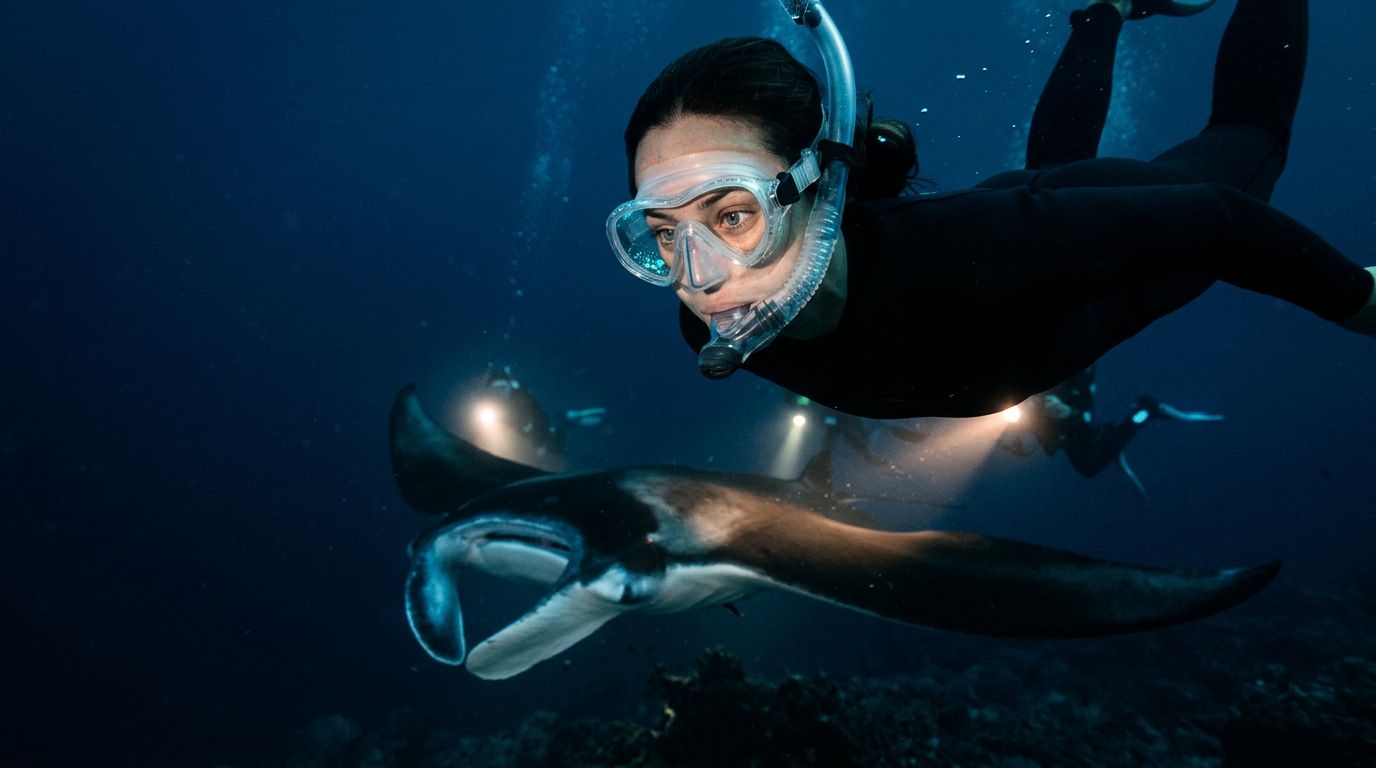
A manta ray night snorkel is easier to enjoy when you can see every graceful turn below you. If you wear contact lenses, you may wonder whether seawater, a leaking mask, or a sudden splash could ruin the experience or irritate your eyes.
Kona Snorkel Trips offers guided nighttime manta encounters in Kailua-Kona, while Manta Ray Night Snorkel Hawaii is another local option focused on this experience. In most cases, you can wear soft contact lenses during a night snorkel if you keep your mask sealed and follow a few practical precautions.
Key Takeaways
- Soft contact lenses are generally compatible with snorkeling when you wear a well-fitting mask.
- Keep your eyes closed if water enters the mask, then clear or replace the mask before looking underwater again.
- Pack backup glasses, lens supplies, and an extra pair of contacts if you use disposables.
- Ask your eye doctor before the trip if you wear rigid lenses, have sensitive eyes, or have experienced problems in the water.
- A prescription mask can be a useful alternative if you don’t want to wear contacts.
Yes, You Can Wear Contacts on a Manta Ray Night Snorkel
Most people who wear soft contact lenses can use them during a guided snorkeling trip. The main protection comes from your mask, which keeps seawater away from your eyes and lenses. Your contacts don’t need to touch the ocean for you to see clearly underwater.
The important distinction is between wearing contacts while snorkeling and swimming with your eyes exposed. A mask should create a seal around your eyes and nose. If water enters, close your eyes immediately and fix the seal before continuing to watch the manta rays.
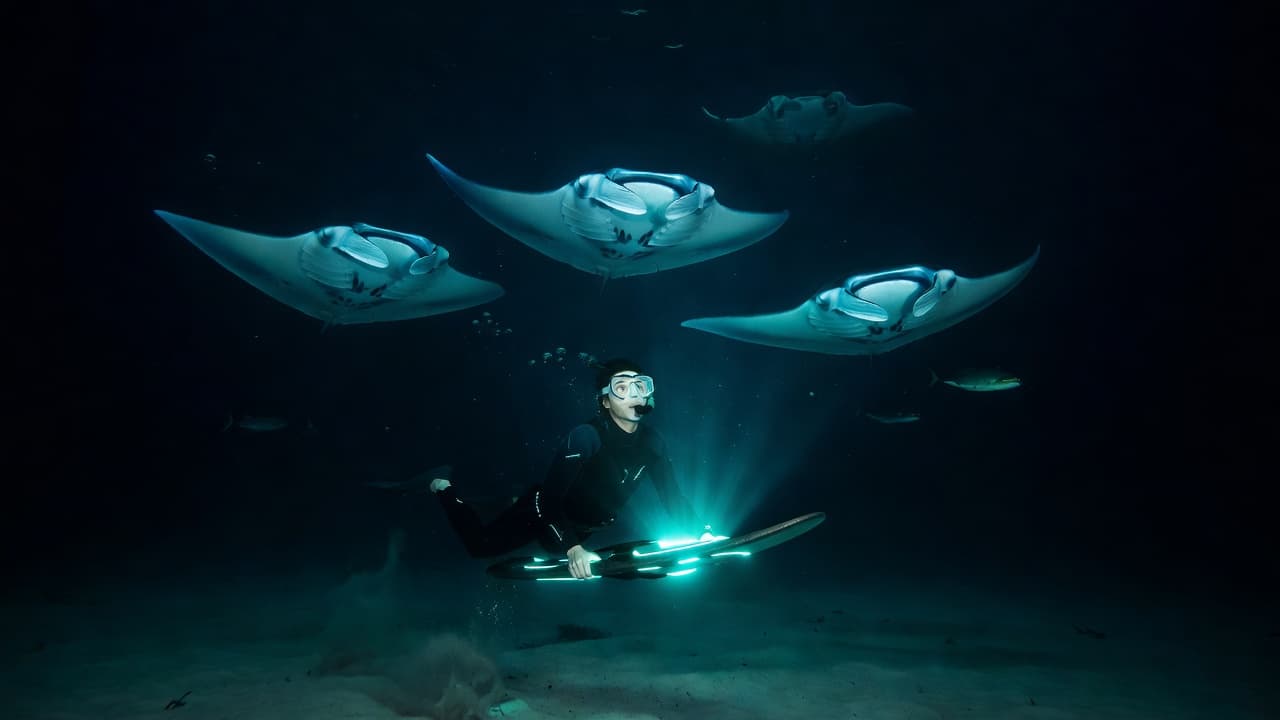
Night snorkeling adds a few extra considerations. Your guide may ask you to float face down while you watch manta rays glide around illuminated boards. Because your attention stays on the animals below, you might not notice a small leak as quickly as you would during a daytime reef snorkel. A secure mask fit matters more than the type of contact lens you wear.
You should also avoid touching your eyes with wet or unwashed hands. Saltwater, sunscreen, sand, and residue from boat surfaces can transfer to your fingers. If a lens moves out of position, don’t rub your eye underwater. Signal your guide, return to a stable position, and handle the lens only after washing your hands.
The best approach is simple: wear your contacts if they normally feel comfortable, use a properly fitted mask, and bring a backup vision plan.
Why Your Snorkel Mask Matters More Than Your Contacts
A contact lens doesn’t protect your eyes from the ocean. The mask does that job. It also creates the air space that lets you focus clearly underwater.
Before entering the water, place the mask over your face without tightening the strap. Inhale gently through your nose, then check whether the skirt sits evenly around your forehead, cheeks, and nose. If air leaks from one side on land, water will likely enter once you’re swimming.
Your mask shouldn’t feel painfully tight. Over-tightening can distort the silicone skirt and create new leak points. A comfortable, even fit usually works better than pulling the strap as hard as possible.
Facial hair, loose hair, sunscreen, and hat straps can also interfere with the seal. Move hair away from the mask skirt, and keep sunscreen out of the area where the silicone touches your skin. Your guide can help you adjust the strap or try a different mask size.
A useful pre-water test takes less than a minute:
- Hold the mask gently against your face without using the strap.
- Inhale slightly through your nose to create light suction.
- Hold your breath and see whether the mask stays in place.
- If air enters right away, ask for a different size or style.
You can also practice mask clearing in shallow water before the main activity. That way, a small leak won’t feel unfamiliar at night.
A contact lens can improve your vision, but only a sealed mask keeps seawater away from your eyes.
PADI’s guidance on diving with contacts also emphasizes the value of contact lenses for people who need vision correction underwater. The advice still depends on keeping your mask in place and following safe water practices.
Soft Contacts, Rigid Lenses, and Prescription Masks
The kind of vision correction you use affects your planning.
Soft contact lenses are the most common choice for snorkelers. They sit on the surface of your eye and usually work well under a sealed mask. Daily disposable lenses are convenient for travel because you can use a fresh pair before the excursion and discard them afterward.
If you use two-week or monthly lenses, pack your regular case and disinfecting solution. Never use seawater or tap water to rinse them. Saltwater doesn’t clean a lens, and tap water isn’t a substitute for contact lens disinfectant.
Rigid gas-permeable lenses need more personal consideration. Their fit differs from soft lenses, and some wearers notice discomfort or changes in vision during water activities. Contact your optometrist or ophthalmologist before your trip if you wear rigid lenses or have had trouble keeping them comfortable.
Prescription snorkel masks provide another option. These masks use corrective lenses built into the mask itself, so you don’t need to wear contacts in the water. They can work well if you prefer glasses-style correction or if contacts often dry out your eyes.
Prescription masks usually require advance planning. Rental operators may have limited strengths, and the available correction may not match your exact prescription. If you already own a prescription mask, bring it only after confirming that it fits comfortably and seals correctly.
Your best choice depends on your normal routine. If soft lenses feel comfortable all day, contacts may be the easiest solution. If your eyes dry out quickly, a prescription mask and backup glasses may give you more peace of mind.
What Happens If Water Gets Into Your Mask?
A leaking mask doesn’t automatically mean your contact lens is ruined. The right response is to stop looking underwater until you fix the problem.
First, close your eyes. Keep your face calm and let your guide know you need help if you can’t clear the mask. Most modern snorkel masks can be cleared by pressing the top edge against your face, tilting the lower edge slightly outward, and exhaling through your nose. Your guide should explain the technique before you begin.
If water reaches your eyes, you may feel stinging from salt, temporary blurring, or a lens shifting slightly. Avoid rubbing your eyes. Rubbing can move the lens farther or irritate the surface of your eye.
Return your face to a comfortable position, clear the mask, and blink normally. If your vision returns to normal and your eye feels comfortable, you may continue. If the lens falls out, don’t search for it in the water. Ask for assistance and use your backup plan.
After the activity, remove any lens that feels gritty, painful, or out of place. Use fresh contact solution according to the product instructions. If pain, redness, light sensitivity, discharge, or blurred vision continues, stop wearing the lens and contact an eye-care professional promptly.
ContactsDirect offers similar practical guidance for snorkeling with contact lenses, including the need for a mask that keeps water away from your eyes. The mask remains the first line of protection.
How to Prepare Before Your Kona Night Snorkel
Good preparation takes care of most contact lens worries before you reach the boat.
Wear a fresh pair of lenses if you use daily disposables. For reusable lenses, follow your normal cleaning routine and put them in with clean, dry hands. Give yourself enough time to check your vision before leaving for the harbor.
Pack these items in a dry bag:
- Backup glasses in a protective case
- An extra pair of contacts
- Your contact lens case
- Fresh disinfecting solution
- Lubricating drops labeled for contact lens use
- A small towel or clean cloth
Keep your glasses on the boat rather than in a beach bag that could get wet. You may want them after the trip, especially if you plan to drive, read directions, or walk around Kailua-Kona afterward.
Avoid applying oily sunscreen directly around your eyes before the mask goes on. Use reef-conscious sunscreen on exposed skin, but leave the mask-seal area clean. If you need to adjust your lenses before boarding, wash and dry your hands first.
You should also tell the crew that you wear contacts. You don’t need to make it a major issue. A simple comment helps your guide understand why you may want extra time to adjust your mask or why you prefer to keep backup glasses nearby.
If you have a history of dry eye, eye allergies, frequent lens movement, or recent eye surgery, ask your eye doctor before traveling. A short professional consultation is better than discovering a problem during a nighttime ocean activity.
For snorkeling Big Island Hawaii visitors, planning small details like these can make the difference between focusing on your vision and focusing on the manta rays.
What to Expect From a Guided Manta Snorkel in Kona
Kona Snorkel Trips follows a “Reef to Rays” philosophy, with guided ocean experiences built around safety, personal service, and respect for marine life. The company uses small-group trips, quality snorkeling gear, custom-built lighted boards, and lifeguard-certified guides.
Those lighted boards attract plankton near the surface. Manta rays then visit the area to feed. You float with your face in the water while the animals move below and around the viewing area. The guides explain how to position yourself without touching or chasing the rays.
That setup works well for contact lens wearers because you don’t need to swim long distances or remove your mask. You can stay in one area, maintain a relaxed position, and tell the crew if your mask needs adjustment.
The crew also incorporates reef-safe practices and education into the outing. You should follow every instruction about entering the water, holding onto the float, keeping your fins away from animals, and avoiding contact with the reef.
You can review Kona’s manta ray night snorkel tour before choosing a departure. If you want to book a trip with Kona Snorkel Trips, you can check availability for current times and spaces.
If you want a broader look at reef excursions, boat trips, and seasonal experiences, you can browse the company’s Big Island snorkeling tours.
Contacts or a Prescription Mask: Which Should You Choose?
Both options can work. Your comfort, prescription, and normal eye-care routine should guide the decision.
| Option | Good fit if you… | What to plan for |
|---|---|---|
| Soft contacts | Already wear them comfortably | Bring spare lenses, solution, and glasses |
| Daily disposable lenses | Want a fresh pair for the activity | Pack extra pairs in case one is lost |
| Rigid lenses | Need them for daily vision | Ask your eye doctor before the trip |
| Prescription mask | Prefer not to wear contacts in water | Confirm the prescription and fit ahead of time |
| Regular glasses | Need them before or after snorkeling | Keep them in a dry case on the boat |
For many travelers, soft contacts plus a regular mask offer the simplest setup. You already know how the lenses feel, and the tour operator supplies the mask.
A prescription mask may feel better if contacts dry your eyes, shift often, or require frequent removal. However, you still need to check that the mask seals properly. Corrective lenses don’t prevent water from entering around the edges.
Families should choose the option that reduces stress for each swimmer. If a child wears contacts but feels nervous about losing one, backup glasses and daily disposables can help. A private trip may also give your group more flexibility during mask fitting and water entry.
A Simple Safety Plan for Families and Couples
Before the trip, decide what you’ll do if a lens falls out or your eyes become irritated. That plan should take less than a minute to explain.
Tell your travel companion where you keep your backup glasses and lens supplies. Place them in a labeled dry bag or protective case. If you’re traveling with children, carry an extra set for them as well.
During the briefing, listen for the guide’s instructions about mask fitting, entering the water, and signaling for help. You can ask to test the mask before the boat reaches the viewing site. A few calm adjustments at the start are easier than dealing with a leak once the lights and manta rays are below you.
If you need to stop, signal the crew. You don’t have to continue because the rest of your group is still watching. Your guide can help you return to the boat or remain in a comfortable position while you fix your mask.
For couples and families who want more control over timing, private Kona boat charters can offer a more personal setting. You can discuss vision needs, swimming comfort, and equipment questions before departure.
The same preparation helps when you snorkel during the day. To snorkel Big Island reefs comfortably, protect your eyes, fit your mask carefully, and carry a backup plan.
Other Ocean Activities Around Kailua-Kona
A manta night snorkel is only one way to enjoy the Kona coast. Daytime reef trips give you brighter conditions and may feel easier if you’re testing contacts in the water for the first time.
You can compare a Captain Cook snorkel tour at Kealakekua Bay with a nighttime manta experience. The daytime setting lets you practice mask clearing, check how your lenses feel, and learn how your gear behaves before sunset.
During whale season, you can also look into whale watching in Kona. You won’t need contact lenses for the viewing itself, but your backup glasses still matter for boat travel and walking around the harbor.
Each activity has different water conditions and equipment needs. Your vision plan should match the excursion, not only the destination.
Conclusion
You can usually wear soft contact lenses on a manta ray night snorkel when your mask fits well and stays sealed. Keep your eyes closed if water enters, avoid rubbing them, and bring backup glasses, spare lenses, and proper cleaning supplies.
Your contacts should make it easier to watch the manta rays, not create another concern. With a careful mask check and a clear backup plan, you can spend the night watching the animals instead of worrying about your vision.