
Captain Cook Snorkel Tour Waiver: What to Check Before You Book
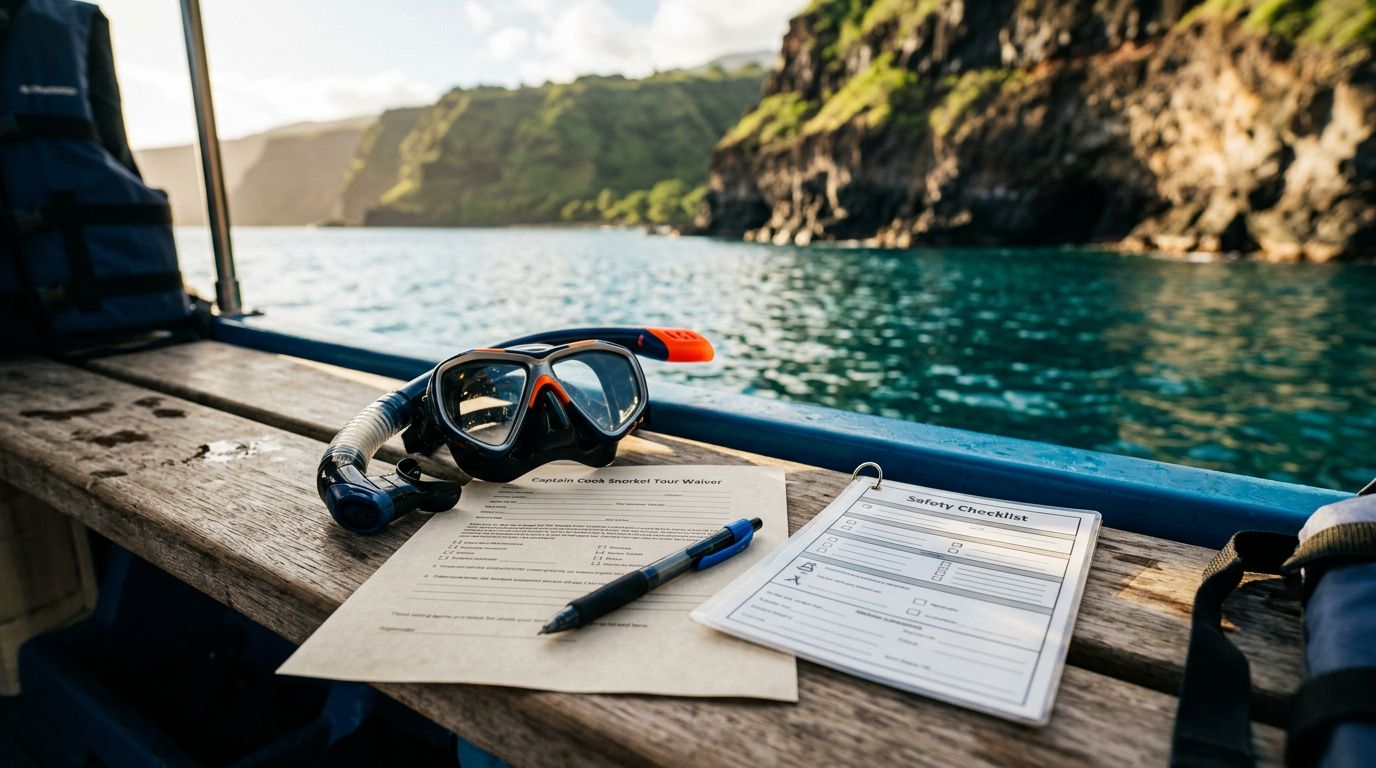
A Captain Cook snorkel tour waiver can look like routine booking paperwork, but it affects what you agree to before stepping onto the boat. The document usually covers ocean conditions, swimming ability, equipment use, medical concerns, and the risks of visiting Kealakekua Bay.
You don’t need legal training to read it well. You do need to slow down, understand the main clauses, and ask questions before signing. The right waiver should clearly describe the experience, your responsibilities, and the operator’s safety procedures.
Key Takeaways
- A snorkel waiver is a legal agreement, not a simple attendance form.
- Read the sections about ocean conditions, medical disclosures, minors, cancellations, and emergency procedures.
- A waiver doesn’t remove your right to ask about safety, equipment, guide qualifications, or insurance.
- Your health and swimming comfort matter more than checking every activity box.
- Read the exact waiver for your chosen date and tour because terms vary between operators.
What a Snorkel Tour Waiver Really Means
A waiver records your agreement to participate in an activity with known risks. Those risks can include boat movement, slips, falls, waves, currents, cold water, sun exposure, marine life, and limited access to immediate medical care.
When you sign, you may also agree to release the operator from certain claims connected to ordinary activity risks. The exact wording matters. A waiver could include a release of liability, assumption of risk, medical authorization, photo consent, or a promise to follow crew instructions.
The document may use several names:
- Liability waiver
- Release and assumption of risk agreement
- Participant agreement
- Activity acknowledgment
- Electronic check-in form
These titles don’t tell you everything inside the document. Read the actual terms before signing, especially if the waiver appears during online checkout and requires you to scroll through several pages.
A waiver usually doesn’t mean the operator can ignore safety duties. It also doesn’t give the crew permission to take unnecessary risks with your group. Instead, it explains the risks that come with a marine excursion and sets expectations for your conduct.
You should also separate the waiver from the booking terms. The waiver describes participation risks. The booking policy may cover payment, cancellations, rescheduling, no-shows, check-in times, and weather-related changes. You may need to accept both documents.
If the wording is confusing, ask the operator to explain it in plain language. When a clause affects a serious medical issue, a minor’s participation, or your legal rights, consider getting independent legal advice before signing.
Captain Cook Snorkel Tour Waiver Clauses to Read Closely
The most important parts of a Captain Cook snorkel tour waiver usually relate to the environment and your personal readiness. Kealakekua Bay is a marine setting, not a controlled swimming pool. Conditions can change during the same trip.
Ocean and boat risks
Look for language about waves, wind, currents, water temperature, boat ladders, boarding, and movement on deck. You may also see references to falling overboard, collisions, fuel, propellers, or other vessels.
A good waiver should help you understand the setting without promising perfect conditions. Clear water and calm weather are never guaranteed. The captain may change the route, delay departure, shorten water time, or cancel a trip when conditions create a safety concern.
Snorkeling and swimming risks
The waiver may state that snorkeling requires you to remain aware of your breathing, position, and surroundings. It can also mention panic, fatigue, inhaling water, separation from the group, and difficulty using a mask or snorkel.
Read any wording about wearing a flotation device or staying within a guide’s boundaries. If you aren’t a confident swimmer, tell the crew before entering the water. You may be able to use flotation support, remain near the boat, or choose not to snorkel during part of the trip.
Medical treatment and emergency response
Many waivers ask whether you authorize first aid or emergency care if needed. They may also explain that professional medical help could be some distance away, depending on the vessel’s location.
This section doesn’t replace honest medical disclosure. If you have asthma, heart concerns, seizure history, diabetes, severe allergies, recent surgery, pregnancy, or another condition that could affect your activity, discuss it with your doctor and the tour operator.
Operator responsibility and insurance
A waiver may mention the company’s insurance, but don’t assume the operator’s policy is the same as your travel insurance. Operator insurance requirements address the business and vessel. They don’t automatically cover your medical bills, trip interruption, evacuation, or lost belongings.
For context, the Hawaii Division of Boating and Ocean Recreation publishes vessel insurance requirements for boat operators. Those requirements concern vessel operations and state interests, while your participant waiver governs your agreement with the tour company.
If you want protection for medical treatment, cancellations, or evacuation, review your own travel insurance policy. Check whether it covers snorkeling, boat excursions, and pre-existing conditions.
Health Questions Should Get Honest Answers
A waiver often asks you to confirm that you can participate safely. That question deserves more attention than it gets.
Snorkeling can feel easy in calm water, but breathing through a tube, floating face-down, kicking against current, and climbing a boat ladder all require energy. Anxiety can also change how your body responds once you enter the ocean.
You should tell the operator about relevant conditions before the trip, not after you reach the bay. Ask whether the company has restrictions for:
- Pregnancy or recent medical procedures
- Asthma and respiratory conditions
- Heart or circulation problems
- Seizures or loss of consciousness
- Severe allergies
- Back, neck, shoulder, or knee injuries
- Prescription medication that affects alertness
- Fear of deep water or limited swimming ability
Don’t mark yourself as “fit” because you don’t want to delay your group. A guide can often suggest a safer option when you share the concern early. That might include using a flotation aid, staying close to the boat, skipping the water, or choosing a different activity.
Your health information should go to the crew member responsible for your safety. If the online form doesn’t provide enough space, contact the operator directly and ask how to share private medical information.
The waiver may also ask about alcohol or drug use. You should never board or enter the water while impaired. Impairment affects judgment, balance, breathing, and your ability to respond to instructions.
Minors, Families, and Group Bookings
If you’re traveling with children, read the minor participation section before paying for the tour. A parent or legal guardian may need to sign for each child. Some operators also require the adult to remain responsible for the child’s conduct throughout the excursion.
Don’t assume a child who swims well in a pool will feel comfortable in the ocean. Boat ladders, swell, mask fit, saltwater, and deep water can create a different experience. Ask about age limits, flotation equipment, required adult supervision, and whether children must stay within arm’s reach.
A waiver might ask one person to sign for several guests, but that doesn’t always mean one adult can legally make every decision for another adult. Each participant may need to complete an individual form.
Before booking, confirm:
- Who may sign for guests under 18
- Whether every participant needs a separate waiver
- Whether a guardian must join the tour
- What happens if one family member can’t participate
- Whether a non-swimmer can remain on the boat
If your group includes older adults or anyone with mobility concerns, ask about boarding steps and the swim ladder. A captain can explain the physical demands more clearly before the trip than after everyone arrives at the dock.
Weather, Cancellations, and Changes to the Trip
Weather language is one of the most useful sections in a tour waiver. It may explain that the captain has final authority to decide whether conditions are safe, but the booking policy should explain what happens to your reservation afterward.
Look for separate terms covering:
- Operator cancellation because of weather
- Customer cancellation
- Late arrival or missed check-in
- Rescheduling
- Refunds or credits
- Changes to the snorkeling location
- Reduced water time
- Mechanical problems
A waiver may say you accept changing conditions. That doesn’t necessarily tell you whether you receive a refund if the company cancels. Find that information in the booking terms, confirmation email, or cancellation policy.
You should also ask how the operator handles a trip that departs but cannot reach the planned site. A captain may choose a sheltered location or return to shore. The answer can depend on the circumstances and the company’s published policy.
Kealakekua Bay trips can include boat travel before you reach the snorkeling area. If you tend to get seasick, ask about the expected ride, where you can sit, and whether you should speak with a medical professional about prevention before traveling.
The safest decision may be to postpone. A flexible itinerary is useful, but the captain’s priority should be keeping the group out of unsafe conditions.
Respect for Wildlife and Reef Areas
Your waiver may include rules that protect both guests and the marine environment. Those rules can prohibit touching coral, chasing animals, standing on reef, feeding fish, collecting shells, or disturbing marine life.
These terms matter at Kealakekua Bay, where your actions affect a living reef system. Coral can break under a fin or foot, even when the damage looks minor. Touching wildlife can also cause stress or injury.
Follow the guide’s instructions about where to enter, how far to swim, and how to position yourself around animals. Keep your hands relaxed, avoid sudden pursuit, and leave enough space for wildlife to move naturally.
The same approach applies when you photograph the reef. Use your camera without grabbing rocks or reaching toward animals. Secure loose accessories so they don’t fall into the water.
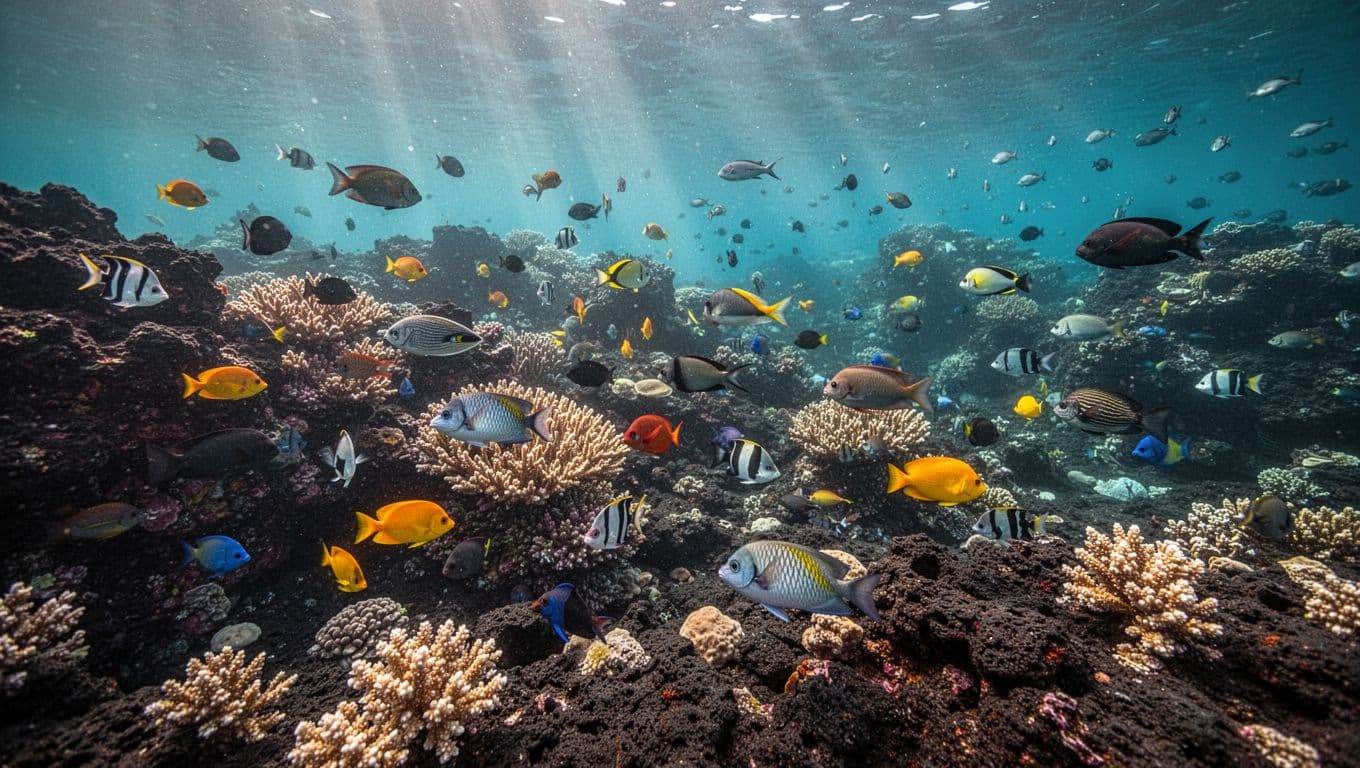
Kona Snorkel Trips follows a “Reef to Rays” approach that combines guided ocean experiences with reef-safe practices. The company focuses on small-group service, quality snorkeling equipment, and Lifeguard Certified guides who provide instruction before guests enter the water.
You can review the company’s Kealakekua Bay snorkeling tour before booking. Read the current trip details and waiver carefully because the exact requirements may change with the activity, vessel, or guest profile.
Questions to Ask Before Signing
A waiver should not be your only source of safety information. A short conversation with the operator can reveal whether the tour fits your group.
Ask these questions before you submit the form:
- What swimming ability do you expect from guests?
- Do you provide flotation devices for nervous swimmers or children?
- How do guides supervise guests in the water?
- What happens if the weather changes before departure?
- Can you reschedule if I disclose a medical concern?
- How do you handle a guest who decides not to snorkel?
- What is the boat’s emergency equipment and communication process?
- Are there restrictions on cameras, fins, sunscreen, or personal gear?
- Does the waiver cover only the named participant?
- Where can I read the cancellation policy?
You can also ask whether the waiver is available before payment. Some operators provide it during checkout, while others send it with confirmation details. Reading it early gives you time to identify a problem rather than discovering one at check-in.
The operator’s insurance information may also answer practical questions about the business. Hawaii’s Harbor Tenant Handbook discusses liability coverage for harbor tenants. Again, that information relates to commercial operations and doesn’t replace personal travel or medical coverage.
Kona Snorkel Trips offers guided snorkeling experiences for travelers who want a more personal group setting. If you’re planning snorkeling Big Island Hawaii, compare the tour’s meeting instructions, water time, equipment, age rules, and waiver before choosing a date.
You can review the broader Kona snorkeling tour options and then check availability for a suitable trip.
How Kona Operators May Differ
Waivers can look similar across tours, but the physical experience may vary. A Captain Cook excursion to Kealakekua Bay is different from a nighttime manta ray outing, a whale-watching trip, or a private charter.
The vessel, departure time, distance from shore, water entry method, and marine life you may encounter all affect the information you should review. Don’t reuse assumptions from one tour when booking another.
Captain Cook Snorkeling Tours is another company you may encounter when researching Kealakekua Bay trips. You can review its Captain Cook snorkeling tours and compare the published waiver, meeting details, and cancellation terms with your other options.
Kona Snorkel Trips also offers private experiences, which may help if your group needs more control over timing, pace, or participation. A private Kona tour still requires careful attention to safety rules. A private boat doesn’t remove ocean hazards or change the need for honest health information.
Searches for “snorkel Big Island” often produce many options. Compare the actual documents rather than choosing from photos alone. A polished website can’t tell you whether the operator explains conditions clearly or answers questions promptly.
For a Captain Cook or Kealakekua Bay trip with Kona Snorkel Trips, you can check avaialbility after reviewing the tour information.
A Simple Waiver Review Before Your Trip
Set aside a few minutes to review the form when you aren’t rushing through checkout. Save a copy or take a screenshot of the confirmation page if the system allows it.
First, confirm that the waiver names the correct activity and participant. Then read the risk description, release language, medical questions, minor requirements, photo terms, and emergency provisions.
Next, compare the waiver with your booking confirmation. Check the meeting location, check-in time, equipment details, age limits, and cancellation policy. If the pages conflict, ask the operator which terms control your reservation.
Finally, tell your group what the waiver requires. Children should know they must follow the guide, stay with the group, and avoid touching wildlife. Adults should understand who will supervise children and what happens if someone chooses not to enter the water.
Bring only what you need. Secure phones, cameras, and prescription items according to the operator’s instructions. Apply reef-conscious sunscreen before departure when possible, and follow any request to avoid products that can harm marine life.
You may also want to plan a backup day. Ocean conditions can affect any snorkeling Big Island itinerary, even when the forecast looks favorable. Leaving room in your schedule gives you more options if the operator reschedules or you decide the water isn’t right for your group.
The goal is not to sign as quickly as possible. The goal is to know what you’re agreeing to and feel comfortable with the plan.
Conclusion
A Captain Cook snorkel tour waiver gives you a clearer picture of the risks, rules, and responsibilities connected to a Kealakekua Bay excursion. Read the health, weather, cancellation, minor, equipment, and emergency sections before you sign.
Ask direct questions when the wording or procedure isn’t clear. When you choose a tour, your confidence should come from understanding the agreement and trusting the crew’s safety process, not from skipping the fine print.
A few careful minutes with the waiver can help you arrive ready to enjoy the reef, the water, and the remarkable coastline around Captain Cook.