
How to Choose Snorkeling Fins on the Big Island
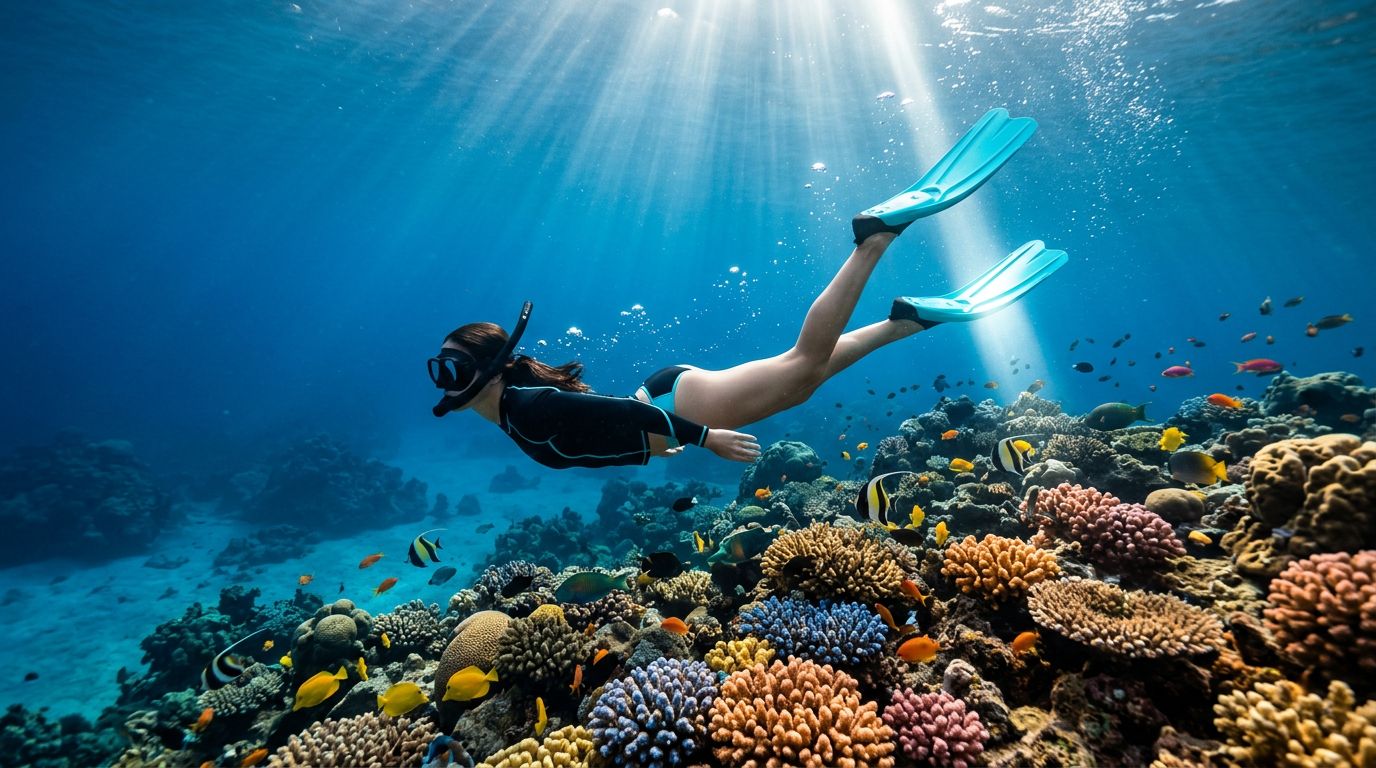
The wrong fins can turn a beautiful swim into a tiring struggle. When you compare snorkeling fins Big Island options, fit and control matter more than bright colors or brand names.
Your needs will change between a calm beach entry, a boat trip to Kealakekua Bay, and a nighttime manta ray excursion. Kona Snorkel Trips pairs quality equipment with lifeguard-certified guides, so you can focus on the water instead of fighting uncomfortable gear. First, match your fins to your feet, your swimming style, and the type of water you plan to visit.
Key Takeaways
- Choose snug fins that stay in place without squeezing your toes or heel.
- Full-foot fins work well for warm water and simple beach or boat outings.
- Open-heel fins offer more adjustment, especially when you wear neoprene socks.
- Medium-length blades usually give you a practical mix of power, comfort, and travel convenience.
- Never use your fins to stand on coral, lava rock, or other shallow reef habitat.
Why Fins Matter When You Snorkel the Big Island
A mask helps you see, and a snorkel helps you breathe while face-down. Your fins provide the steady push that moves you through the water. They also help you change direction, hold your position, and return to shore or the boat without exhausting your legs.
That extra control matters around Hawaii’s volcanic coastline. A calm-looking surface can hide surge, uneven currents, or water movement near rocks. You don’t need powerful freediving fins for ordinary snorkeling, but you do need a pair that responds when you kick.
The best fin for you should let you use relaxed, rhythmic kicks. Your ankles should do much of the movement, while your knees stay slightly bent. Large bicycle-style kicks waste energy and can stir up sand near the bottom.
Long, stiff blades can generate strong thrust, but they also demand more leg strength. Soft, short fins feel easier for many casual swimmers, although they may provide less power if you need to swim against moving water. A moderate blade is often the safest starting point for vacation snorkeling.
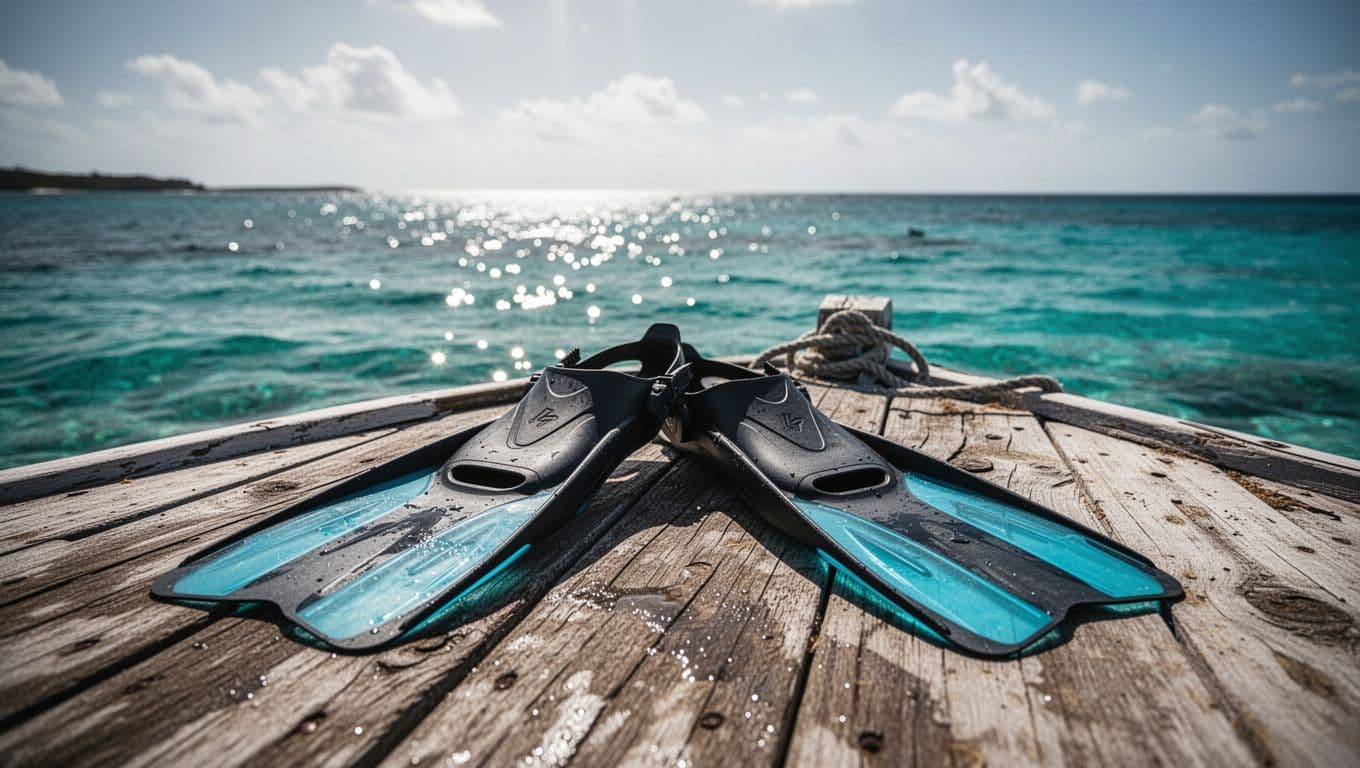
When you’re comparing snorkeling fins Big Island choices, focus on how the fins feel after several minutes. A pair that feels fine in a store can rub your heel once your feet are wet.
How to Choose Snorkeling Fins Big Island Travelers Can Use Comfortably
Start with full-foot or open-heel fins
Full-foot fins have a closed foot pocket. You slide your bare foot or a thin fin sock inside, and the pocket holds the fin in place. They are lightweight, easy to pack, and comfortable in warm Hawaiian water when the size is correct.
These fins work well when you already know your shoe size and want a simple setup. They also have fewer straps to adjust on a boat. However, sizing can vary between brands. A full-foot fin that fits a size 9 in one brand may feel different in another.
Open-heel fins have an adjustable strap across the back. You wear them with bare feet, water shoes, or neoprene socks. The strap gives you more room to fine-tune the fit, which helps if your feet swell during a long outing or if several people share rental equipment.
For most travelers, full-foot fins are practical for warm-water snorkeling. Open-heel fins make more sense when you expect rocky entries, cold-sensitive feet, or frequent use with socks.
Pick a blade length you can control
Short travel fins pack easily and feel manageable during shallow-water snorkeling. They also reduce the chance of bumping another swimmer in a crowded entry area. Their smaller blades may require more frequent kicks, but many recreational snorkelers prefer their lighter feel.
Medium-length fins provide more push without feeling oversized. They are a strong choice for boat tours, protected bays, and general use along the Kona coast. You can maintain a relaxed pace while still having enough power to move away from rocks or return to the group.
Long freediving fins are designed for a different purpose. Their length can be awkward on a boat and harder to control near other swimmers. They also place more demand on your ankles and legs. Unless you already train with long fins, they usually offer more equipment than you need for sightseeing.
A practical guide from hands-on snorkeling fin testing compares foot-pocket styles, blade flexibility, and travel length. Use those features as a starting point, but treat comfort on your own feet as the final test.
Consider blade stiffness and design
Soft blades bend easily and suit relaxed swimming. They are often comfortable for children, beginners, and adults who don’t use strong leg muscles. If you have sensitive ankles, a soft or medium-flex blade may help you avoid soreness.
Medium-stiff blades deliver more thrust with each kick. They work well if you swim regularly or expect to cover more distance. Still, stiffness isn’t automatically better. A blade that feels too rigid can make your calves cramp and encourage poor kicking technique.
Split fins divide the blade into two sections. Some swimmers like their smooth feel and easy kick cycle. Others prefer a traditional single blade because it offers a more familiar response and stronger directional control.
For a first pair, choose a traditional short or medium blade with moderate flex. That combination is forgiving and useful for most snorkeling days.
Fit Matters More Than the Logo
A fin should feel secure before you enter the water. If your heel slips out, you’ll waste energy gripping with your toes. If the foot pocket squeezes your sides, you may develop pressure points or cramps.
Try fins with the same socks you plan to wear in the ocean. If you use open-heel fins, test them with neoprene socks or water shoes. Walk carefully on a clean surface, then flex your ankle. The pocket should stay in place without pinching.
Check these points before accepting a pair:
- Your toes should reach near the end without curling.
- The foot pocket should hold your arch without sharp pressure.
- The heel strap should sit securely and allow minor adjustment.
- No seam should rub the top or sides of your foot.
- Both fins should feel similar in pressure and flexibility.
Wet equipment often feels different from dry equipment. Ask to rinse or test rental fins if the operator allows it. You can also sit on the boat, put the fins on, and move your ankles through a few slow kicks before entering.
The Hawaii Ocean Safety snorkeling guidance advises you to check that fins fit snugly and that your snorkel has no blockage. That quick inspection takes seconds and can prevent a loose fin from becoming a distraction in the water.
A fin that slips off can create more trouble than a fin that feels slightly underpowered. Secure fit comes first.
Match Your Fins to Big Island Snorkeling Spots
Your location should influence your choice. A fin that works at a calm sandy beach may feel awkward during a rocky entry or nighttime boat excursion.
Calm beach and shallow-water snorkeling
Short, soft fins are useful when you enter from a beach and spend time close to shore. They are easier to carry across sand and less likely to catch on the bottom during shallow kicks.
You still need to protect your feet. Don’t shuffle backward through the water without looking, and don’t use your fins to push off coral or volcanic rock. If the entry has uneven footing, wear appropriate water shoes until you reach enough depth to put on your fins.
Boat trips and deeper reef water
Medium-length fins are a good all-purpose choice for boat-based snorkeling. They give you enough thrust to keep up with your group and make small direction changes without forcing hard kicks.
Kealakekua Bay is one of the most popular destinations for a guided snorkeling trip. A Kealakekua Bay snorkeling trip includes fins, mask, snorkel, and additional flotation, according to the tour details. If you bring your own equipment, ask how it will work with the guide’s safety procedures.
Nighttime manta ray snorkeling
Manta ray snorkeling requires calm movement and good listening. You may spend time floating at the surface near a lighted board while rays move below. Your fins should help you make small corrections without creating a strong splash.
Compact or medium fins can work well for this setting. Large stiff blades may be difficult to control when swimmers are close together. Follow your guide’s instructions, keep your body at the surface, and never chase, touch, or block a manta ray.
Kona Snorkel Trips provides a manta ray night snorkel in Kona with snorkeling gear, a shorty wetsuit, and additional flotation. The tour information also notes that swimming skills are required for guests who don’t use additional flotation, so review the requirements before booking.
If this experience fits your plans, you can check availability before choosing whether to pack personal fins.
When a Guided Tour Makes Fin Choice Easier
Kona Snorkel Trips follows a “Reef to Rays” philosophy, with guided ocean adventures built around safety, personal service, and respect for marine habitat. Lifeguard-certified guides help you select and adjust gear before you enter the water.
The company keeps groups personal rather than treating every outing like a crowded mass tour. That matters when you’re learning how to use new fins. A guide can spot a loose strap, explain a better kick, or recommend additional flotation if you need more support.
The equipment setup includes modern snorkeling gear, and the company also uses custom-built lighted boards for nighttime manta ray encounters. You can choose among guided snorkeling excursions in Hawaii based on your swimming ability, preferred location, and schedule.
Because the guides work in volcanic reef environments, you also receive reminders about reef-safe behavior. Keep your fins behind you, stay horizontal, and avoid pushing off the bottom. Even a gentle kick can damage coral if the blade strikes it.
Kona Snorkel Trips is a useful option if you want to snorkel Big Island sites without buying or transporting a full gear setup. You can bring personal fins if you have a favorite pair, but always check whether the guide needs you to use particular flotation or follow a specific entry procedure.
For a general Kona snorkeling outing, you can check availability and confirm the included equipment before your trip.
Renting Fins Versus Bringing Your Own
Rental fins save luggage space and make travel simpler. They also let you avoid buying a pair for one vacation. If you rent, inspect each fin before entering the water. Look for cracked plastic, a stretched strap, or a foot pocket that feels worn.
Ask the operator whether the rental includes different sizes and whether you can change equipment after entering the water. A small fit problem can become painful after an hour, especially when you can’t easily return to shore.
Bringing your own fins gives you a familiar fit. You already know how they feel, how much power they provide, and whether they rub your heel. Personal equipment also makes it easier to use the same setup at the hotel pool, a beach, and a boat tour.
Travelers flying to Hawaii should consider weight and packing space. Short or medium fins fit more easily into luggage than long freediving blades. Protect the foot pockets from heavy objects, and rinse salt and sand away after every outing.
If your fins are new, test them before your first scheduled tour. A pool, hotel shoreline, or shallow protected area lets you identify rubbing before you spend a full morning on the ocean.
Use Your Fins Safely Around Reefs and Rocks
Fins improve your swimming, but they don’t replace good judgment. Check the forecast and ocean conditions before you enter. If you’re tired, cold, anxious, or uncomfortable, tell your guide or leave the water.
Keep your snorkel clear, secure your mask strap, and confirm that each fin stays attached. Don’t swim beyond your ability to return. Stronger fins won’t solve poor visibility, panic, or overconfidence.
Reef protection starts with body position. Float horizontally, keep your legs behind you, and use small kicks. Never stand on coral, even when the water looks shallow. If you need to rest, use approved flotation or move to a sandy area.
A local safety guide on smart snorkeling in Hawaii also recommends a snug fin fit. Too much space allows the fin to slip, while excessive tightness can cause discomfort and cramping.
Night snorkeling requires extra care. Keep your fins away from nearby swimmers, follow the guide’s light signals, and avoid sudden kicks. At a manta ray site, remain in the position your guide gives you. The goal is to observe the animals without touching or chasing them.
A Simple Fin-Choosing Plan for Your Trip
Use this process before you buy or rent:
- Decide where you’ll swim. Choose short fins for easy beach use, or medium fins for general boat snorkeling.
- Choose the foot-pocket style. Full-foot fins suit warm-water simplicity. Open-heel fins work better with socks and adjustable sizing.
- Test the fit. Walk carefully, flex your ankle, and check for heel movement or pressure.
- Match the blade to your strength. Beginners often do well with soft or medium flex. Strong swimmers can consider a firmer blade.
- Confirm the tour’s gear rules. Ask whether personal fins are allowed and what equipment the operator provides.
When comparing snorkeling fins Big Island travelers can use, this process keeps the decision practical. You don’t need the longest blade or the most expensive model. You need fins that stay on, move efficiently, and let you remain relaxed.
For a Captain Cook outing, you can check avaialbility and confirm the equipment details before departure.
Conclusion
The right fins should disappear into your routine once you enter the water. Choose a snug foot pocket, moderate blade length, and flex you can control without straining your ankles or calves.
Your best pair for snorkeling Big Island waters may be different from the pair you use for freediving or pool training. Match the equipment to the location, your swimming ability, and the support offered by your tour guide. With a comfortable fit and steady kick, you can spend less energy managing your gear and more time watching Hawaii’s reef life.