
Can You Bring a Phone on a Kona Manta Ray Night Snorkel?
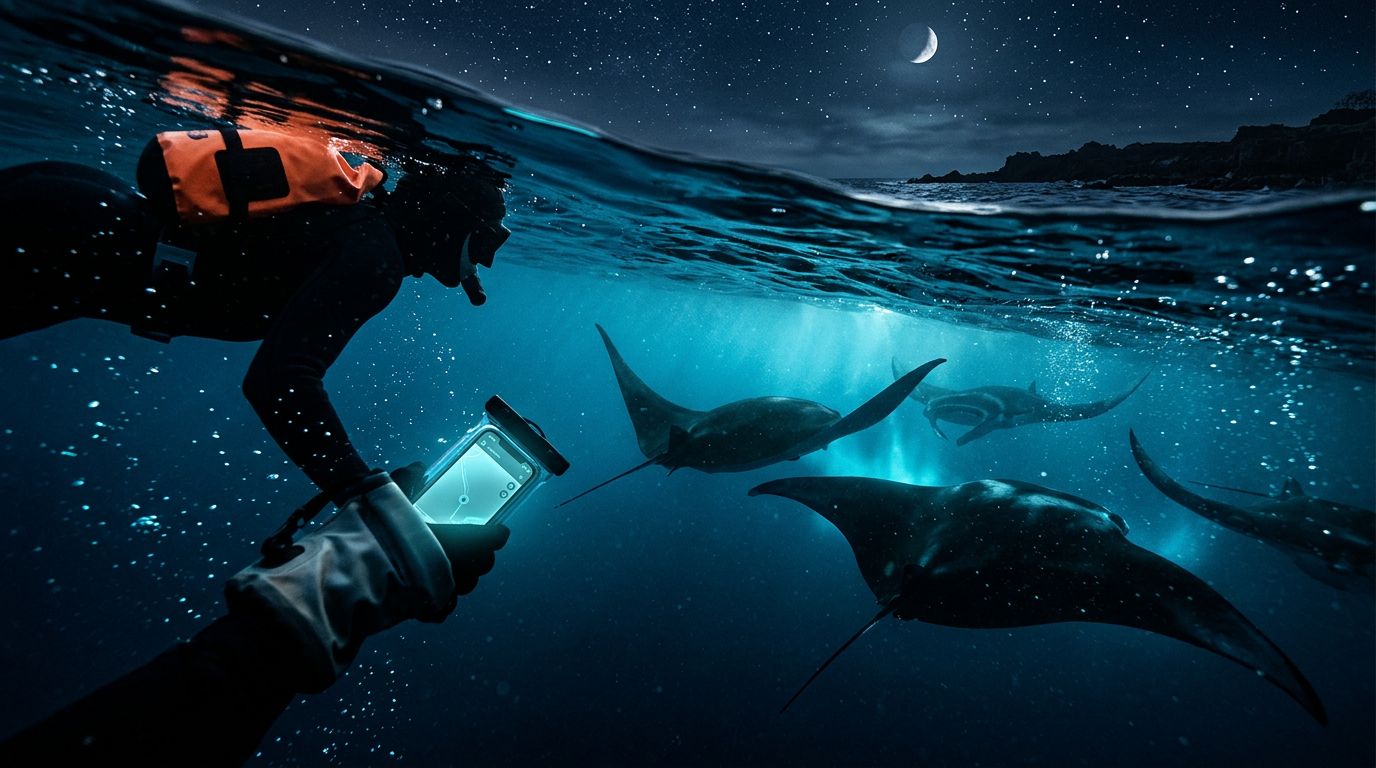
If you are heading out with Kona Snorkel Trips, you can bring a phone on a manta ray night snorkel, but only if you treat it like fragile gear. If you are comparing another manta-focused operator such as Manta Ray Night Snorkel Hawaii, the same rule still applies.
On snorkeling Big Island Hawaii trips, the ocean is part of the experience and part of the problem. The water is dark, your hands are busy, and your phone is one slip away from becoming an expensive mistake. When you snorkel Big Island waters after sunset, the real question is not whether you can bring a phone, it is whether you can carry it safely and still enjoy the night.
The short answer is yes, but only if you plan for it
You can bring a phone on a Kona manta ray night snorkel, and many people do. Some keep it on the boat, some use it for a few quick photos, and some never take it out of a dry bag. The right choice depends on how comfortable you are in the water and how much attention you want to give the manta rays.
If you want the cleanest answer, bring it only if it stays secured. A loose phone in your hand is a distraction. A phone clipped to a strap or tucked in a real waterproof case is much easier to manage. That matters because night snorkeling is not a calm pool session. It is dark, wet, moving, and full of things to watch.
Kona Snorkel Trips keeps that kind of trip small and focused, which helps a lot when you want to keep your gear simple. You can browse their Big Island snorkeling tours if you want to see how the different trips compare.
If your phone needs two hands, keep it on the boat.
That single rule saves a lot of stress. It also keeps your attention where it belongs, on the water around you.
Why a manta night snorkel makes phones awkward fast
Night changes everything. The light comes from the boat, the guide, or the board you hold in the water. Your eyes keep adjusting, and your phone screen starts to feel brighter than it should. That is fine for a quick glance. It is not fine if you keep digging for it every few minutes.
The water also moves more than people expect. Even on a smooth night, the boat rocks, the ladder shifts, and small splashes happen. Then you add mask straps, fins, and a float board. Your hands stay busy, and your balance matters more than your camera angle.
A daytime snorkel is easier on your phone. A manta ray night snorkel is different. The scene is built for watching, not juggling electronics. That is why many people who love snorkeling Big Island trips decide to keep the phone dry until they are back on the boat.
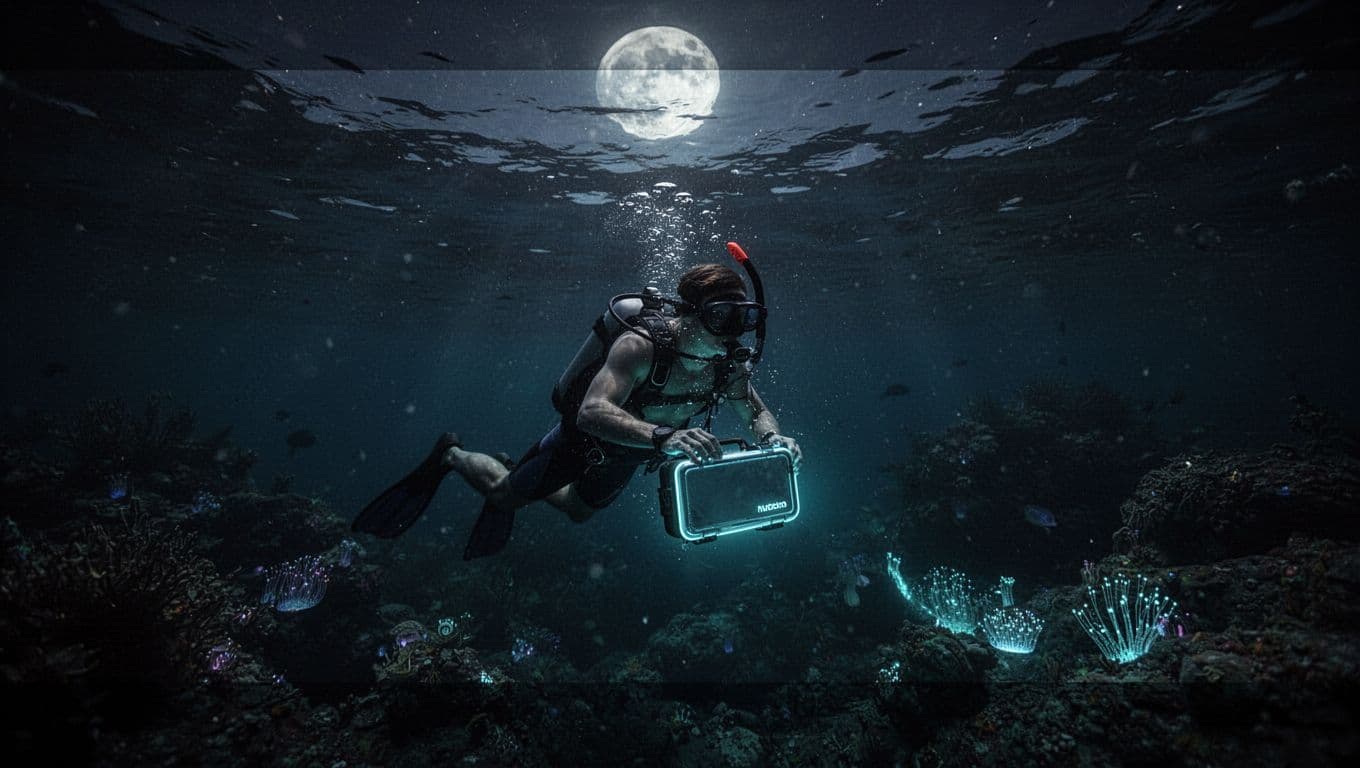
If you want better photos later, start with better habits now. For a good primer on framing and contrast, underwater snorkeling photography tips can help you think about what works before you ever touch the water.
The safest way to carry and protect your phone
The safest setup is the one you forget about once you board. That usually means a dry bag on the boat, a tethered waterproof case, or no phone at all while you swim. A soft pocket is not enough. A phone that can slip out during a ladder climb is one wave away from trouble.
Here is a simple way to compare your options.
| Carry option | Best for | Downsides |
|---|---|---|
| Dry bag on the boat | Keeping your phone safe while you snorkel | No in-water photos |
| Waterproof case with tether | Quick shots and short clips | Bulky and easy to fumble |
| Hard protective case | Extra peace of mind | Less comfortable to handle |
| No phone at all | Full focus on the experience | No instant photos |
For most people, the dry bag or tethered case is the sweet spot. A phone that never leaves the boat is the least stressful choice. A phone that stays clipped to you is the next best option.
If you do carry it in the water, test the case at home first. Drop a tissue inside, seal it, and submerge it in a sink. If the tissue gets wet, the case is not ready. That tiny test can save a night snorkel from turning into a repair bill.
A simple phone checklist before you board
For snorkeling Big Island trips, a little prep goes a long way. Do the setup before you leave the dock, and you will waste less time once the boat is moving.
- Charge your phone fully before you leave your hotel.
- Turn on airplane mode so alerts do not light up the screen.
- Put on low screen brightness before you head into the water.
- Test the waterproof case and the seal at home.
- Attach a wrist strap, tether, or float lanyard.
- Save the phone in a dry bag until you actually need it.
- Tell one person in your group who is carrying it, so nobody else worries about it.
- Keep a microfiber cloth or towel ready for the boat ride back.
That list looks simple, but it solves most of the common problems. It also keeps your group from standing around while one person struggles with a wet screen and a fogged-up case.
If you are traveling with family, assign one adult to manage the phone. If you are with a partner, agree on one quick photo stop, then put it away. The night moves better when everyone knows the plan.
How to get photos without turning the snorkel into a photo shoot
The best manta photos usually happen before or after the water time, not during the most active part of the snorkel. On the boat, you can get clearer shots, steadier framing, and fewer dropped phones. In the water, your job is to stay relaxed and keep your body still enough to watch the mantas pass underneath you.
Use the phone for a few things, and skip the rest. Take one or two short clips. Grab a boat shot before you gear up. If the crew gives you a calm moment in the water, you can try a quick photo from a secure grip. After that, stop. The ocean is not the place to scroll, adjust filters, or chase a perfect angle.
A flash usually does more harm than good. It can wash out the scene, make your own view worse, and distract everyone around you. Low light also changes how your camera behaves, so you want simple shots, not complicated settings.
For quick reference, these habits help most:
- Keep the camera ready, not open all the time.
- Use video sparingly.
- Hold the phone with two hands if you are taking a shot.
- Put it away the moment the photo is done.
- Let the manta rays stay the main subject.
If you are the kind of traveler who loves documenting every part of the trip, that is fine. You still do better when you shoot less and watch more. A short video of the night is usually worth more than ten shaky clips.
When you should leave the phone on the boat
Sometimes the smartest move is the simplest one. If you feel nervous in open water, if your mask leaks, or if you are traveling with kids, leave the phone on the boat. You will enjoy the manta encounter more when you are not worried about a slippery device.
The same advice applies if you want the trip to feel calm. You will hear the guide better. You will float more easily. You will also notice more of the small things, like the beam of the light board and the way the water changes when the mantas pass below.
If your main goal is easy phone photography, a daytime tour gives you more control. A trip like Captain Cook Monument snorkeling tours gives you better light and a simpler setting for casual shots. If you want more privacy and a slower pace, private Kona boat charters let you shape the outing around your group.
That does not mean the manta night snorkel is a bad fit for your phone. It means the trip works best when you use the phone as a backup, not the center of the night. The mantas are the reason you are there.
Booking a Kona manta trip that fits how you travel
Kona Snorkel Trips keeps the focus on small groups, safety, and clear gear guidance. Their manta trips follow a “Reef to Rays” approach, so the experience feels personal instead of crowded. The team uses lifeguard-certified guides, state-of-the-art gear, and custom-built lighted boards for night encounters, which is exactly what you want when you are deciding whether a phone should even come in the water.
If you want the full tour lineup, the Kona manta ray snorkel tour is the place to start. You can also see the company’s broader Big Island snorkeling tours if you are still deciding between a manta night, a daytime reef trip, or a private outing.
If you are ready to book the broader Kona experience, you can check availability.
If you are booking the manta trip itself, you can check availability.
That setup gives you a clear choice. Book the trip, clip your phone if you need it, and keep your hands free once you hit the water. If you are comparing operators, Manta Ray Night Snorkel Hawaii is another manta-focused option that puts the spotlight on the night swim itself.
The right answer is the one that keeps your phone safe and your night calm
Yes, you can bring a phone on a Kona manta ray night snorkel. The better question is how you plan to carry it. A waterproof case, a tether, or a dry bag can work, but a loose phone in dark water is asking for trouble.
If you want the easiest night, leave the phone on the boat and pay attention to the mantas. If you want a few photos, keep the setup simple and use it sparingly. Either way, the best part of the trip is still the same, a close look at one of the most memorable wildlife encounters in Hawaii.