
What Happens When You Arrive Late for a Kona Manta Ray Snorkel
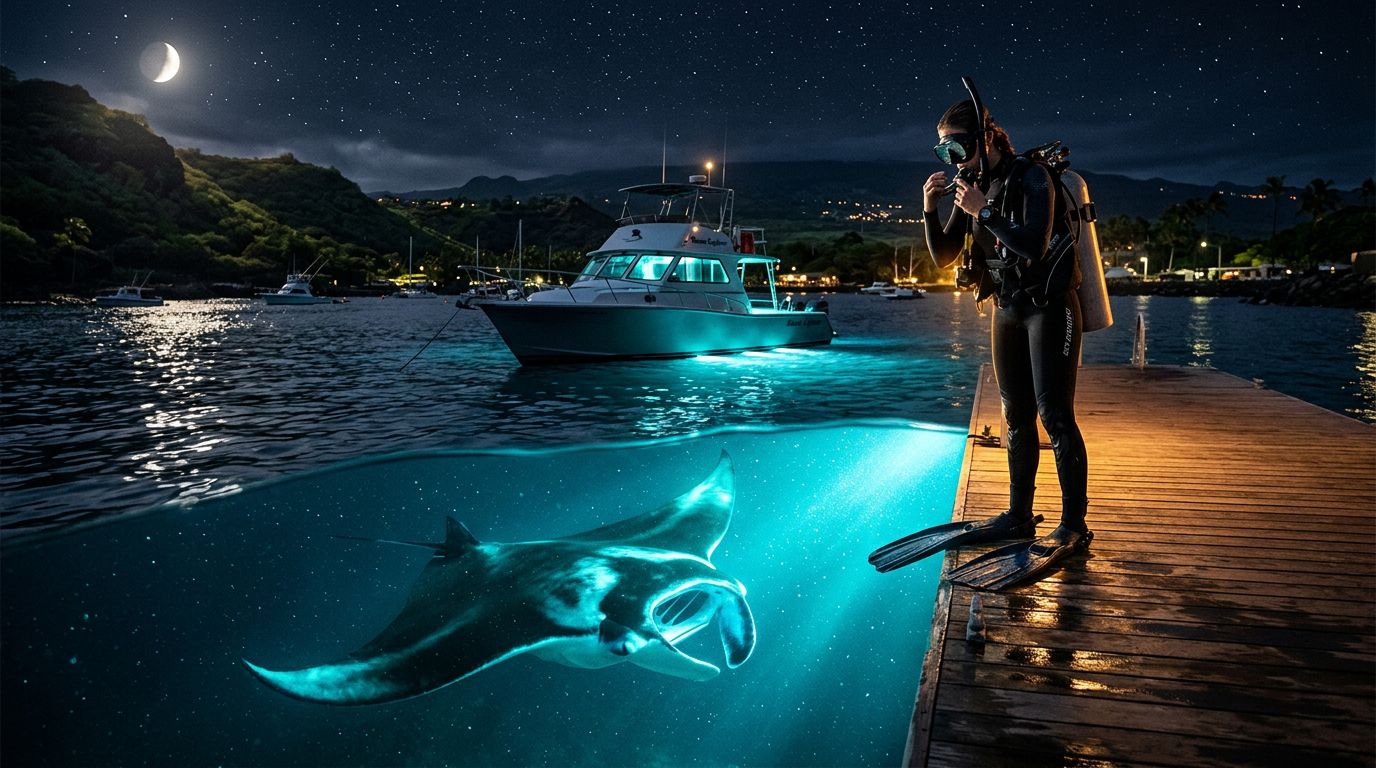
A Kona manta ray snorkel runs on a tight clock. If you show up late, you might miss the check-in, the safety briefing, or the boat itself.
Kona Snorkel Trips is one of the main names people look at for this kind of night, and Manta Ray Night Snorkel Hawaii is another manta-focused option if you’re comparing choices. The real question isn’t whether a late arrival is annoying. It’s how much time you missed and whether the crew can still safely take you out.
The good news is that a late arrival doesn’t always end the night. The bad news is that the margin is smaller than most first-timers expect. On snorkeling Big Island Hawaii trips, timing matters as much as fins and masks.
Why timing matters on a manta night snorkel
Night manta tours feel relaxed once you’re in the water, but the dock side is different. You need time for check-in, gear fitting, a safety talk, and a walk through the plan for the evening.
That matters even more at night. The crew has to keep the group organized, get everyone comfortable in the water, and leave enough time for the manta viewing window.
If you’re used to a daytime beach snorkel, this can surprise you. A daytime stop can sometimes absorb a small delay. A night boat trip usually can’t.
On snorkeling Big Island nights, the departure time also fits the ocean conditions and the lighting setup. The crew can’t pause forever while one guest finds parking or waits for a ride.
The simplest way to think about it is this, the boat schedule is part of the safety plan. Once that schedule slips, the whole trip feels it.
What usually happens if you arrive late
Most late arrivals fall into one of a few patterns. Some people are five minutes behind, some are twenty minutes behind, and some miss the check-in window completely.
Here’s how that often plays out.
| How late you are | What usually happens | What you should do |
|---|---|---|
| 5 minutes late | You may still make it if the crew has not started final boarding | Call right away and head straight in |
| 10 to 15 minutes late | You might miss the briefing or gear fitting, and the group may already be moving | Ask whether you can still join safely |
| 20 minutes late | There’s a good chance the boat has already shifted to departure mode | Expect to rebook if the crew says no |
| 30 minutes or more late | You’ll often miss the trip entirely | Contact the operator about another date |
That table is the short version. The real answer depends on the dock, the weather, the size of the group, and how far the crew has already moved through the pre-trip steps.
The biggest issue isn’t just the clock. It’s that everyone else is waiting on the same schedule. A manta tour is a group event, not a private pickup.
A few minutes late can still cost you part of the night
If you’re only slightly behind, you may still catch the boat. Even then, you can miss the calm part of the evening.
You may skip the slower gear setup and rush through the safety talk. That can leave you less comfortable in the water. It can also make the whole experience feel strained before it starts.
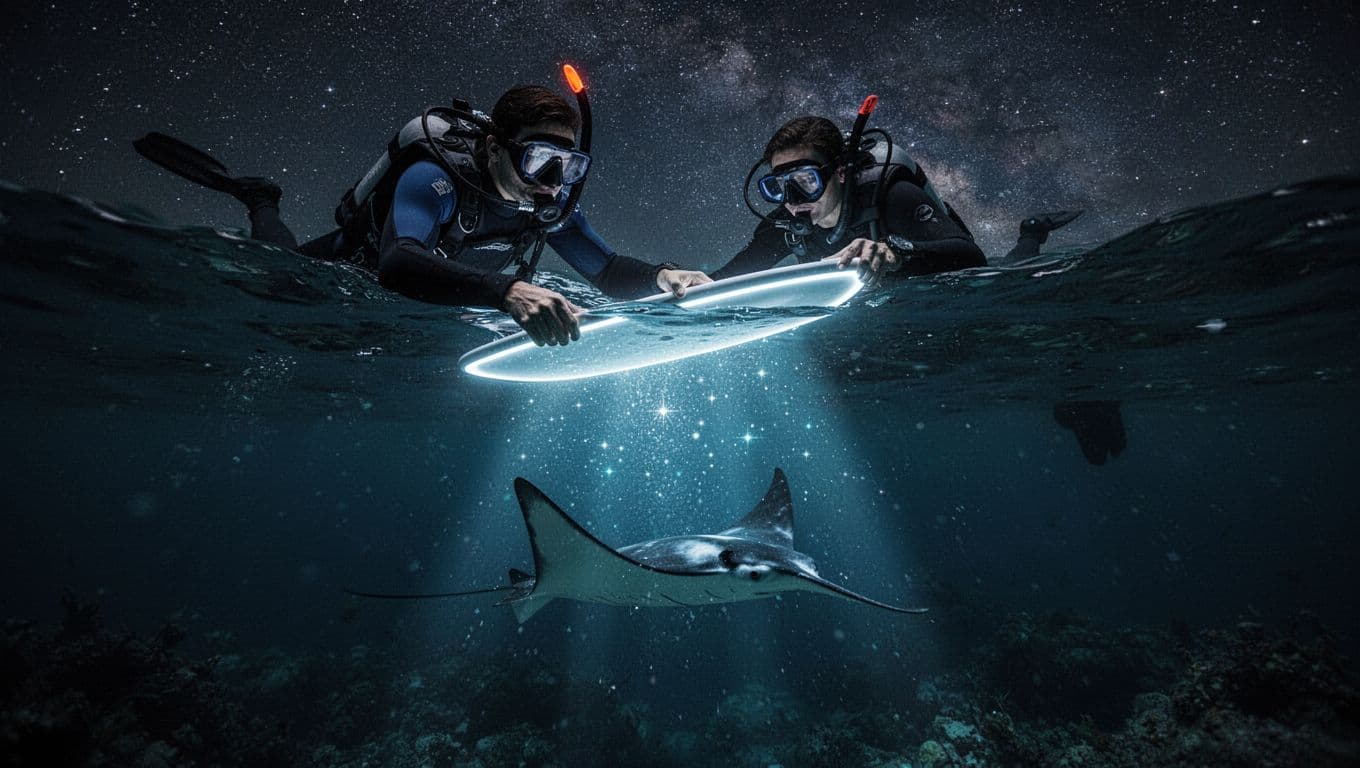
If you do make it on time after a small delay, move fast and keep calm. The crew needs you focused, not flustered.
The best salvage plan is simple, call ahead, listen closely, and follow the crew’s pace.
A late start can still become a good night. You just need to avoid turning it into a scramble.
If you miss check-in by a lot
Once you miss the check-in window by a wide margin, the odds drop fast. The crew may have already assigned gear, completed the briefing, and loaded the boat.
At that point, they can’t always stop and restart the process for one guest. The trip has to keep moving for the rest of the group. That’s especially true on a dark-water manta run, where timing affects both safety and visibility.
You’ll usually need to ask about rebooking. Some operators may offer the next available night if space opens up. Others may treat the missed departure as a missed tour.
If you want a basic pre-trip refresher, the manta ray night snorkel tips page gives a useful sense of how much prep these outings need. A quick read like that can help you see why operators push for early arrival.
The simplest rule is this, if you think you’re late, don’t wait to see what happens. Call the operator immediately. A five-minute delay and a 25-minute delay are very different problems.
How Kona Snorkel Trips keeps the night organized
Kona Snorkel Trips keeps the experience structured from the start. The company uses small groups, lifeguard-certified guides, and carefully planned departures, which helps the night stay calm even before you reach the water.
That matters when you’re booking a Kona manta ray snorkel. The whole evening works better when the check-in is clear and the gear is ready before the boat leaves.
If you want a wider look at guided snorkeling trips in Hawaii, the tour page lays out the options before you pick a date. That can help you compare trip styles, departure timing, and the kind of experience you want.
The setup is more than a convenience. It helps the evening move in a steady rhythm, which is what you want when you’re on the water after dark.
How to avoid a late arrival on the Kona coast
A late arrival usually starts earlier in the day. You leave the hotel a little too close to departure time. Then parking takes longer than expected. Then you spend five minutes looking for the right dock.
You can avoid most of that with a simple plan.
- Leave earlier than your map app suggests, because Kona traffic and parking can slow you down.
- Wear your swimwear before you leave, so you’re not changing at the dock.
- Pack only what you need, since extra bags slow you down.
- Charge your phone and keep the operator’s number easy to find.
- Add more buffer time if you’re coming from farther south or traveling with kids.
If you’re staying on the Kona coast, a 15-minute cushion may not be enough. A 30-minute cushion is safer. That extra time gives you room for parking, restroom stops, and the kind of small delays that always seem to show up at the worst moment.
This advice matters even more for snorkeling Big Island Hawaii nights, because the sunset window is narrow. You don’t get a lot of slack once the boat schedule begins.
You can also make your check-in smoother by thinking ahead about gear. Reef-safe sunscreen should go on before you arrive. Hair ties, motion-sickness medicine, and towels should already be packed.
If you’re traveling with family, get everyone ready before you leave the room. Kids move slower when adults start searching for lost sandals or backup shirts.
If the manta night is your top priority
If you came to the Big Island for manta rays, then late arrival is more than a small inconvenience. It can mean losing the one night you planned around.
That’s why it helps to book the trip early and lock in your time. If the manta snorkel is the highlight of your stay, you can check availability before your schedule fills up.
That kind of planning helps when you want to snorkel Big Island without guessing about the timing. It also gives you room to adjust if your flight lands late, your dinner runs long, or your family moves slower than expected.
If you’re booking with a partner or a group, set one meeting time that is earlier than the real check-in. That small trick keeps everybody moving.
When to book another night instead
Sometimes the smartest move is to accept the miss and rebook. If you’re still in transit when the check-in window closes, you’re probably not making the boat.
That’s disappointing, but it’s better than rushing into a dark-water trip without the full briefing. A manta snorkel depends on clear instructions and good group spacing. You want to hear every part of that.
A late arrival can also point to a bigger issue, a schedule that’s too tight. If your vacation day already looks crowded, it may be better to choose a night with more breathing room.
This is where good planning pays off. When you know your evening is open, you can enjoy the whole experience instead of watching the clock.
For travelers who want to snorkel Big Island with less stress, early booking and early arrival go together. One protects your spot. The other protects your night.
Conclusion
If you arrive late for a Kona manta ray snorkel, the outcome depends on how much time you lost. A few minutes may cost you some comfort. A bigger delay can cost you the trip.
The safest plan is simple. Leave early, arrive ready, and treat check-in like part of the adventure. That way, you spend your night watching manta rays instead of worrying about the dock clock.