
How Moonlight Changes a Big Island Manta Ray Night Snorkel
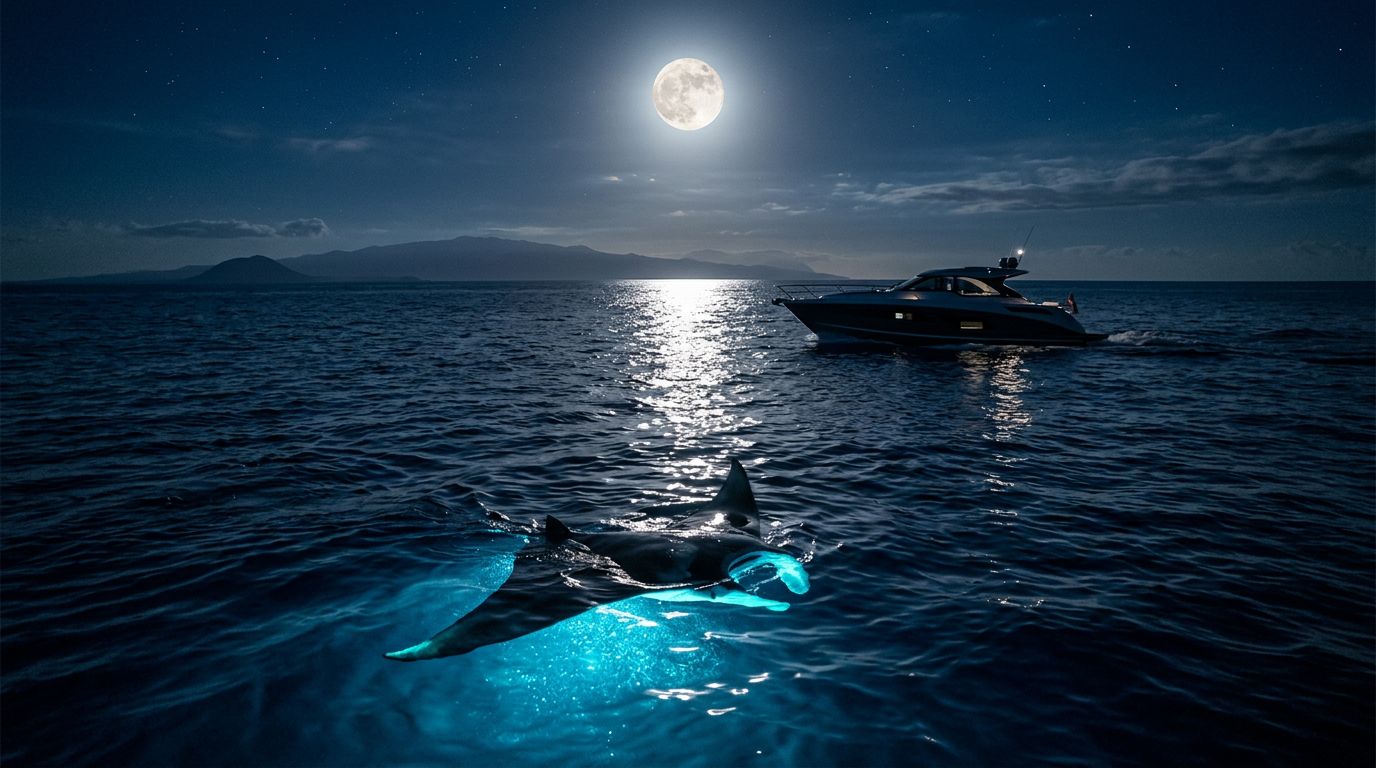
Moonlight can change a manta ray night snorkel more than you expect. On the Kona coast, the same water can feel silver-bright and open on a full-moon night, then turn into a sharper, more dramatic stage when the sky is darker.
Kona Snorkel Trips gives you one of the most popular ways to experience it, and Manta Ray Night Snorkel Hawaii is another manta-focused option if you want to compare trips. If you usually think of snorkeling Big Island Hawaii as a daytime activity, the night version shows how much the sky can shape the sea.
The biggest differences start before you even slip into the water.
Moonlight changes the ride before you enter the water
A bright moon changes the boat ride in subtle ways. The ocean surface looks easier to read, the horizon stands out more clearly, and the whole scene feels less closed-in.
That matters on the Kona coast, where the trip often starts with a short ride out from Honokohau Marina. On a clear night, moonlight can lay a pale path across the waves. On a darker night, the water feels deeper and the stars take over the sky. Either way, the mood shifts fast.
If you’re used to snorkeling Big Island in daylight, the biggest surprise is how much your eyes depend on ambient light. Even before you get in, you start tracking reflections, shadows, and the movement of the boat with more attention.
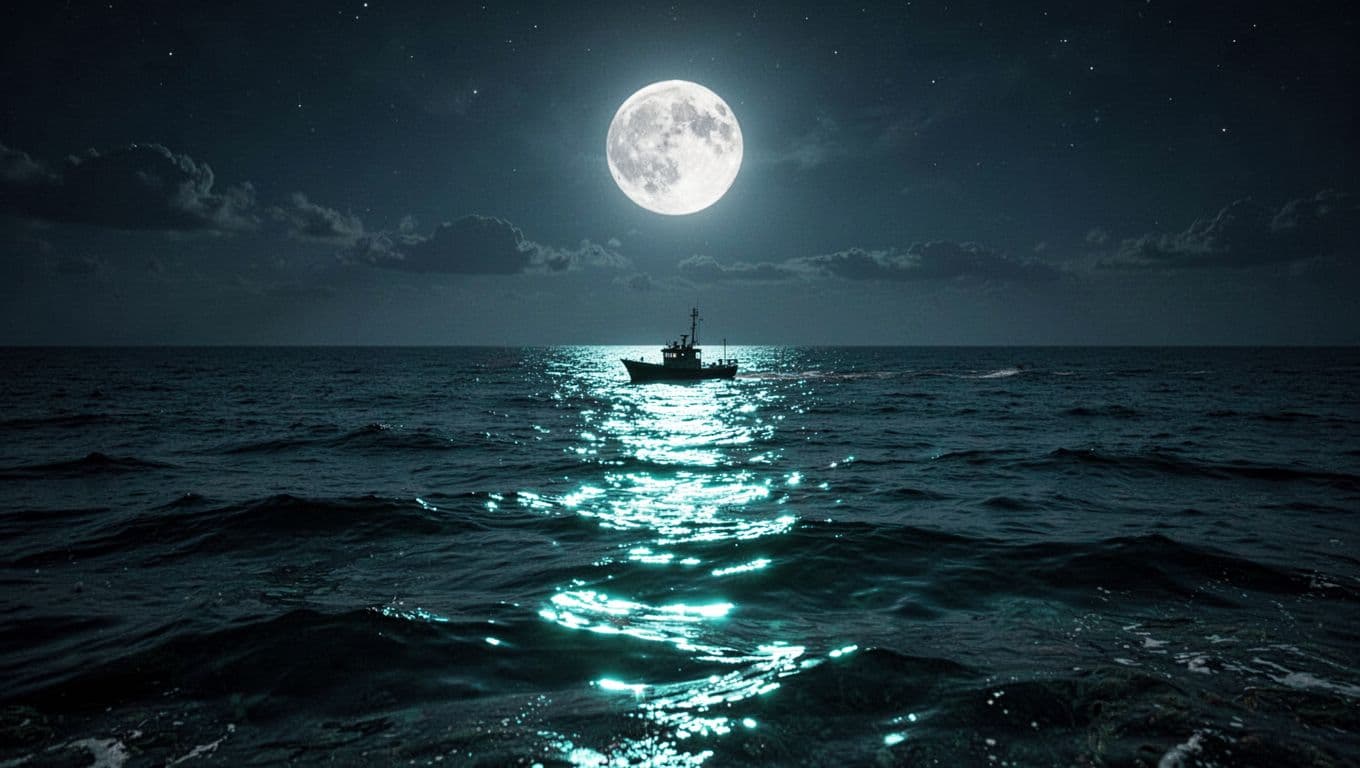
That shift can feel calming. A bright moon gives you more visual reference points, so the night feels less absolute. A darker moon can feel more cinematic, because the dark water and the stars seem to frame the trip more tightly.
How moonlight and board lights work together
Moonlight does not replace the lights used on a manta ray night snorkel. The lights on the water are the real magnet. They pull the plankton into the glow, and that concentrated food source is what brings the mantas close.
Moonlight still changes the way you see the setup. On a bright night, the surface looks less stark, so the light from the boards has to compete with a softer ambient glow. On a dark night, the boards seem brighter, the contrast gets stronger, and the whole scene looks more theatrical.
That contrast is part of the appeal when you snorkel Big Island after sunset. Your eyes move between three different worlds, the bright board, the dark water around it, and the shadowy space below. The manta rays glide through all of it with almost no effort at all.
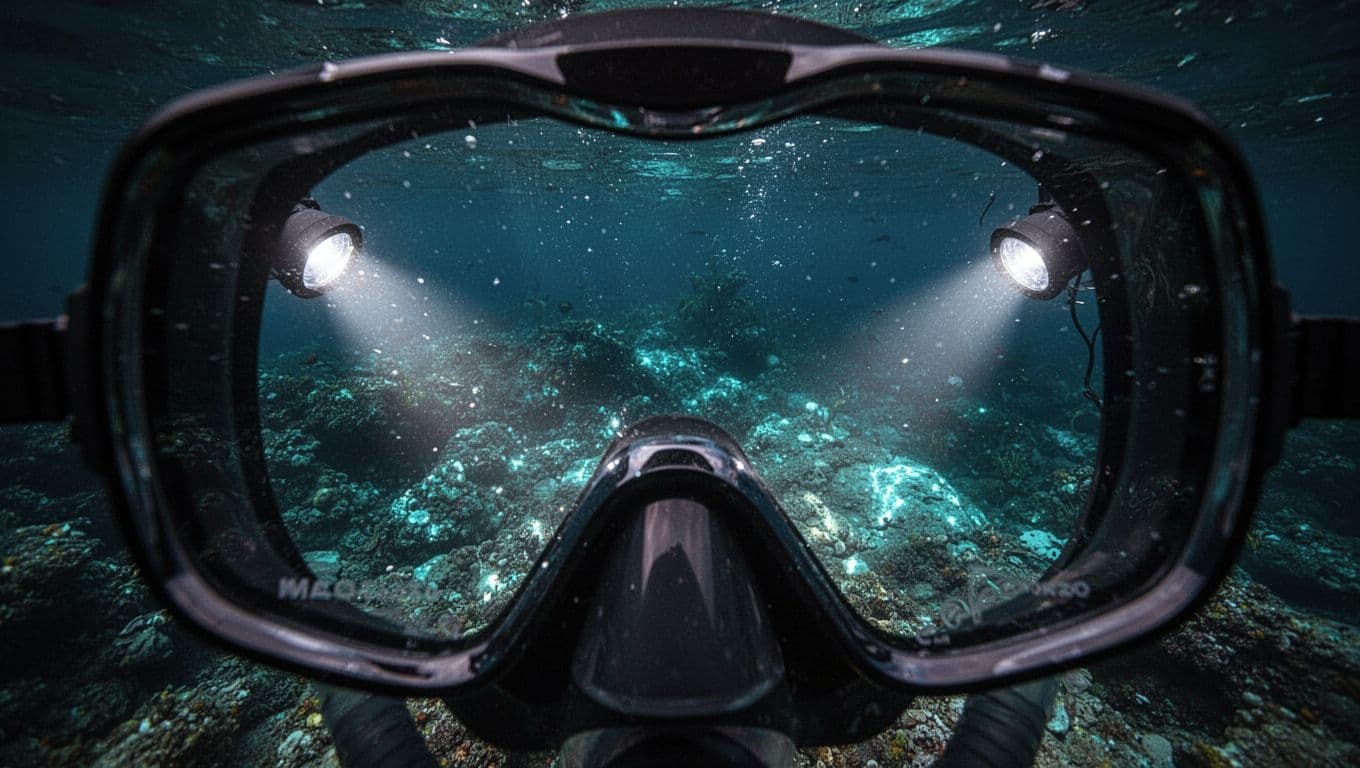
Moonlight changes the contrast, but the lights still do the heavy lifting.
That’s why a night snorkel can feel different from one evening to the next, even when the boat route stays the same. The board light creates the feeding zone. The moon decides how much of the rest of the night you can see.
A quick moon phase guide for your night
If you want a simple way to think about moonlight, use the lunar phase as a rough mood guide.
| Moon phase | What you usually notice | How it feels on the water |
|---|---|---|
| New moon | Dark sky, bright stars, strong light contrast | High drama, sharp underwater glow |
| First or last quarter | A balanced mix of moonlight and shadow | Easy to read, clear but not too bright |
| Full moon | Bright horizon, softer contrast, more ambient light | Open, luminous, calm-looking |
The point is simple. A darker moon tends to make the board lights feel more intense. A brighter moon tends to soften the edges of the night.
That does not mean one phase is always better. It means you get a different version of the same experience. If you like contrast, a darker sky may feel more exciting. If you like a gentler look, a bright moon can make the whole trip feel more relaxed.
For a deeper look at how the lunar cycle connects with the experience, the Big Island manta ray night snorkel moon phase guide gives you a helpful baseline.
What moonlight means for manta behavior
Moonlight does more than change what you see. It can also change how the water feels around the light boards, because plankton and surface conditions respond to the night in their own way.
Cloud cover matters here too. A full moon behind thick clouds can feel darker than a half moon on a clear night. Tide and swell also shape the setting, so the same lunar phase can still produce a different result from one evening to the next.
If you want the cleanest mental picture, think of moonlight as one ingredient, not the whole recipe. The mantas come to the lighted area to feed, and the night around them changes with the amount of ambient light above the water.
For a closer explanation of that relationship, you can read the moon phase and manta behavior guide and compare it with the night you’re planning.
Why the moon matters if you’re new to night snorkeling
A bright moon can make your first night snorkel feel less intimidating. You get more visual cues on the boat, more glow on the water, and a clearer sense of where the horizon sits.
That helps if you’re traveling with kids, if you’re a cautious swimmer, or if you’re doing your first Big Island night snorkel with family. The sea feels less abstract when you can see a little more of it.
When you snorkel Big Island at night, your eyes need time to adjust. A moonlit sky can shorten that adjustment period, because the world above the water doesn’t disappear completely.
A few small habits make the experience smoother:
- Keep your face in the lit area until your eyes settle.
- Follow the guide’s briefing before you drift your attention outward.
- Move slowly when you shift between the ladder, the board, and the open water.
- Breathe steadily, because quick breathing makes the night feel busier than it is.
If you’re the kind of traveler who likes clear structure, moonlight can make the whole scene feel easier to read. If you like a more dramatic look, a darker night can make the water feel bigger and the manta encounter feel more striking.
Picking the right tour in Kona
When moonlight changes your expectations, the right operator matters even more. Kona Snorkel Trips keeps the focus on a small-group feel, lifeguard-certified guides, state-of-the-art gear, and custom-built lighted boards for nighttime encounters.
If you want to compare what’s available, start with the Big Island snorkeling tours page. For the dedicated experience, the manta ray night snorkel in Kona page gives you the clearest look at the core trip.
If you want a quieter setup, the private Kona boat charters option gives you more control over the group size and pace. That can matter when you want a more personal night on the water.
If your dates are set, you can check availability before your preferred moon phase fills up.
Another manta-focused option is Manta Ray Night Snorkel Hawaii, which gives you a different way to compare the night snorkel experience.
How to prepare for a moonlit manta trip
Moonlight changes the mood, but it doesn’t replace good preparation. The water still asks for comfort, steady breathing, and the right mindset.
A simple packing list helps:
- Bring a dry layer for the ride back.
- Pack a towel or robe that’s easy to reach.
- Use reef-safe habits if you’re on the water in daylight before or after the tour.
- Keep any motion-sickness aid you trust close at hand.
- Wear what feels secure, because loose gear becomes annoying fast after dark.
If you’re used to snorkeling Big Island in warm daytime water, night snorkeling feels a little different around the edges. The air can feel cooler, and the boat ride home can feel longer once the adrenaline fades.
That’s why small details matter. A snug mask, clear instructions, and a calm first minute in the water can shape the whole evening.
Moonlight helps you orient yourself, but the lights below still create the real stage. Once you settle in, the rest becomes easier to read.
Conclusion
Moonlight changes a Big Island manta ray night snorkel by changing the contrast, the mood, and the way you read the water. A bright moon softens the edges. A darker sky sharpens the glow from the lights and makes the encounter feel more dramatic.
Neither version is wrong. Each one gives you a different lens on the same night.
When you pick a date, think about the feeling you want as much as the forecast. That choice shapes the story you bring home from the Kona coast.