
7 Questions to Ask Before Booking Kona Boat Tours
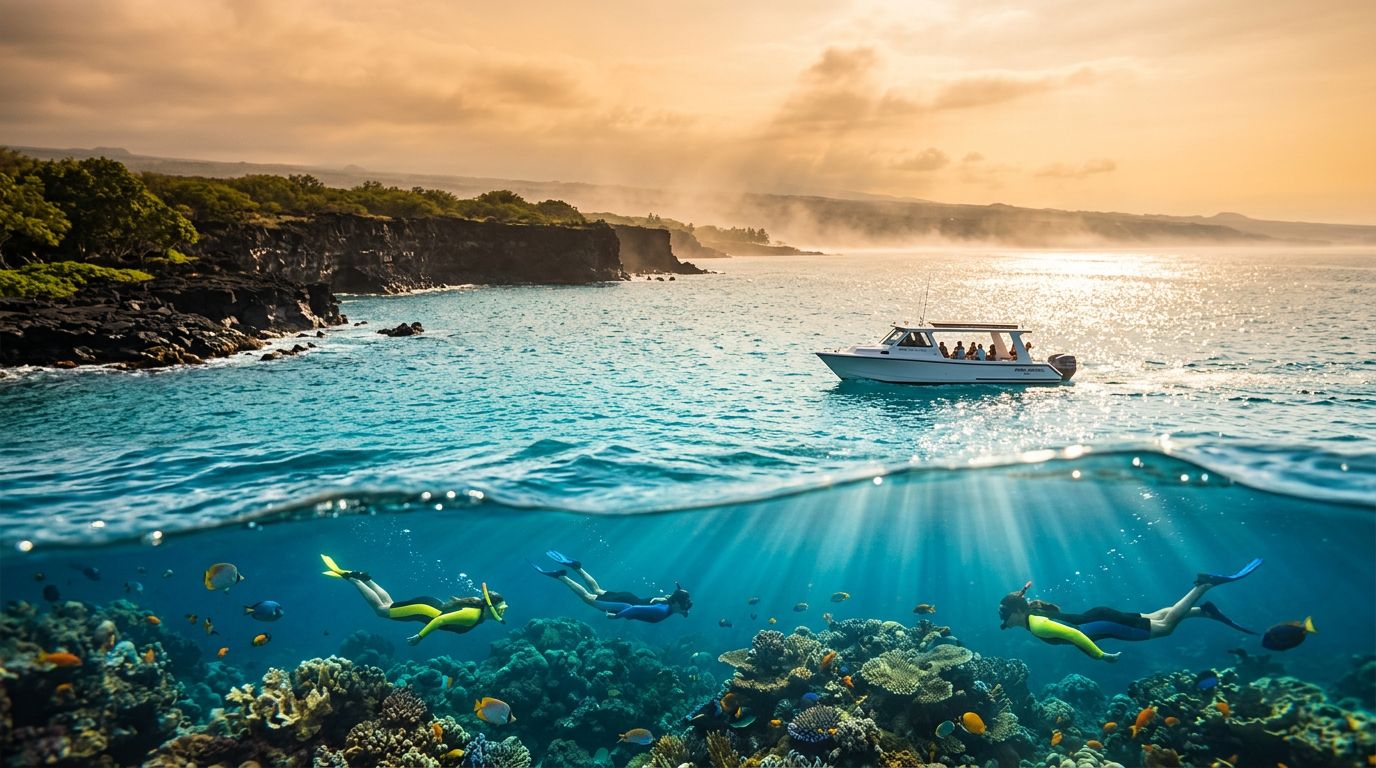
Booking Kona boat tours looks easy until you start comparing boats, reef sites, and departure times. Kona Snorkel Trips is a smart place for you to start if you want small-group attention and clear trip details, but the real difference comes from the questions you ask before you pay.
That matters even more when you’re planning snorkeling Big Island Hawaii style, because weather, crowd size, and the length of the ride can change your whole day. A polished photo does not tell you how much time you’ll spend in the water or how cramped the deck feels.
Use the questions below to separate a relaxed ocean day from a rushed one.
What kind of ocean day do you want?
Some Kona boat tours are built around swimming, while others lean more toward cruising or wildlife watching. Before you compare prices, decide what you want most, because that one answer changes everything.
Do you want more time in the water, a shorter ride, easier boarding, or a quieter boat? If you want to snorkel Big Island without feeling rushed, the trip should match your pace, not the other way around.
That sounds simple, yet many travelers skip it. People searching for snorkeling Big Island often end up comparing trips that look similar online but feel very different once they are on the dock.
Rank your priorities before you book:
- More time in the water
- Smaller group size
- Calmer entry and exit
- A scenic ride with less swimming
If you are traveling with kids, you may care most about calm water and patient crew support. If you are traveling as a couple, you may want a slower morning and fewer people around you. If you are an adventurous solo traveler, you may prefer a longer route and a more active pace.
If you want to compare options side by side, start with Big Island snorkeling tours and read the trip descriptions as a guest, not a shopper. The page that spells out the rhythm of the day usually saves you the most surprises.
How many people will be on the boat?
This question matters more than the boat name or the photo on the home page. A vessel can carry a lot of people on paper and still feel crowded once fins, dry bags, and snorkel gear hit the deck.
Ask for the actual guest count, not just the boat’s capacity. Then ask how many guides are present, how many guests each guide handles, and whether the crew stays in the water with you or watches from the boat.
A smaller group usually means easier entry, more attention in the water, and less waiting around between stops. That matters if you travel with kids, if you feel nervous in open water, or if you do not want your snorkel time to feel like a school field trip.
It also changes the mood of the trip. In a smaller group, you hear the briefing better, you get fitted for gear faster, and you spend more of the morning doing what you came for. In a larger group, even a well-run trip can feel slower because every small task takes longer.
A deeper look at Kealakekua Bay booking questions shows why group size changes the trip so much. The more specific the answer, the easier it is to picture your day before you commit.
Ask for the real passenger count, the guide ratio, and how much personal help you will get. Those three details tell you more than a glossy boat photo ever will.
Where does the boat actually go?
The site matters because water conditions change from one stretch of coast to the next. When you’re comparing snorkeling Big Island Hawaii options, ask for the exact bay or reef, not just “somewhere on the Kona coast.”
That detail tells you how rough the crossing might be, how deep the water is, and whether the stop is likely to feel calm or exposed. If you want to snorkel Big Island with children or first-time swimmers, a sheltered bay can make the whole morning easier.
Some trips head to reefs with easy access and gentler water. Others focus on iconic places such as Kealakekua Bay, where the scenery and the marine life can make the trip feel more special. Ask whether the boat anchors close to shore, whether you enter from a ladder or a platform, and how long it usually takes to reach the site.
If Kealakekua Bay is on your shortlist, an insider’s guide to Kealakekua Bay snorkeling explains why that stop draws so much attention. The route, not just the reef, shapes your experience.
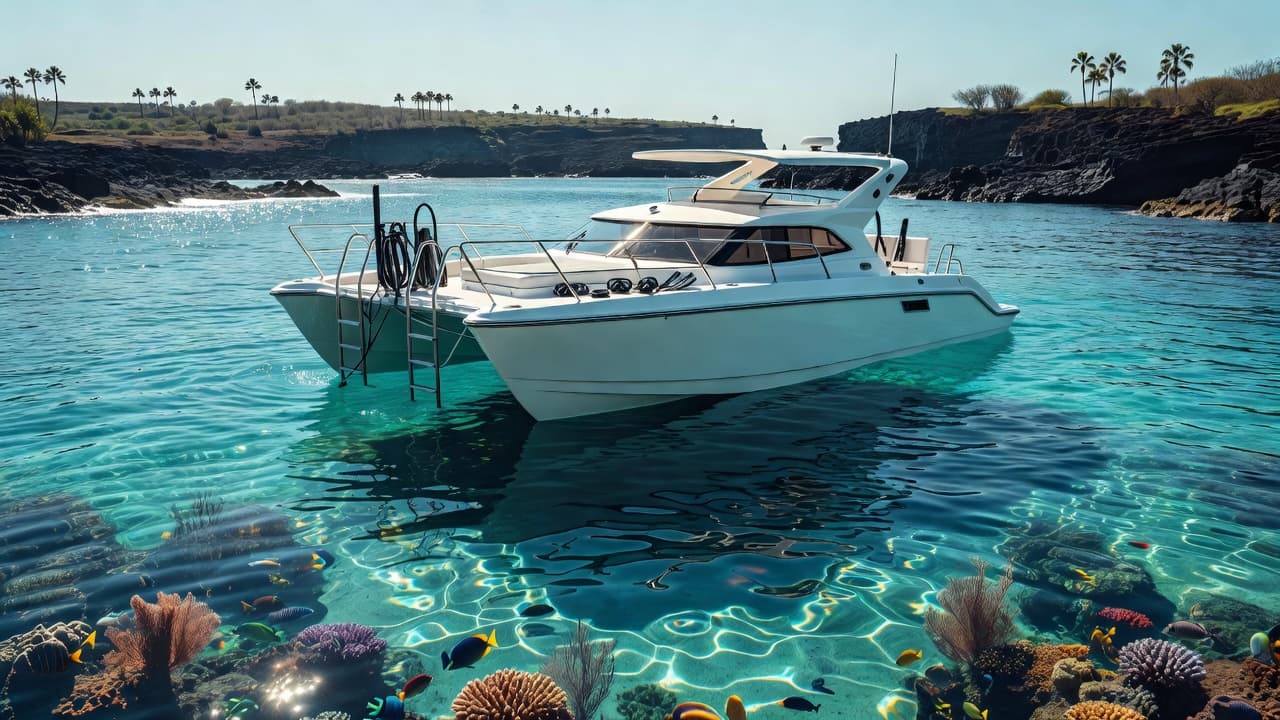
A short morning run to a protected bay can feel completely different from a longer offshore crossing. One may give you a relaxed entry and more time to look around. The other may give you a bigger sense of adventure and a wider view of the Kona coast.
Ask the operator what happens if conditions change. Good crews can often adjust the route. That flexibility matters when you are booking on a day when the ocean is calm in one spot and choppy in another.
What does the price really cover?
A low fare can hide the real cost. Ask whether masks, fins, flotation, and snorkel instruction are included, or whether you will pay extra once you arrive.
Food and drinks matter too. Some Kona boat tours include snacks and water, while others expect you to bring your own. Parking, taxes, wetsuit tops, and prescription masks can also change the final bill.
If you are comparing two or three tours, line up the details side by side. The cheapest option is not always the cheapest once you add gear rental or convenience fees. On the other hand, a slightly higher price can make sense if it includes better gear, fewer guests, and a crew that helps you use it properly.
That is especially true when you’re traveling with kids or anyone who needs a little extra support. A child-sized mask, a flotation option that fits well, or a crew member who takes time with gear can be worth more than a small discount.
Ask one more thing before you book, whether reef-safe sunscreen is required. That simple rule can save you from a last-minute store run and keeps you aligned with local reef-care practices. It also tells you something about how the operator thinks about the water you are there to enjoy.
A clear answer on inclusions is often the difference between a smooth morning and a pile of surprise charges.
How does the crew handle safety and changing weather?
Ocean conditions can shift fast off Kona. A good operator answers that honestly instead of pretending every departure day is perfect.
Ask how the crew briefs guests, what flotation options are available, whether guides stay close in the water, and what happens if the swell rises or visibility drops. You also want to know how the boat handles someone who gets seasick or wants to stay on deck.
The best crews do not wait until there is a problem to explain the plan. They tell you where to sit, how to enter and exit the water, and what to do if you feel uncomfortable halfway through the snorkel. That kind of clarity calms nerves before the boat even leaves the harbor.
Ask what happens on a borderline day. The answer tells you more than a five-star photo ever will.
You should also ask about cancellations and changes. Will they reschedule, refund, or shift the site if the weather turns? A thoughtful policy matters because the sea does not follow a calendar.
If you are prone to motion sickness, ask about the ride length and the most stable time of day. If you burn easily, ask where the shade is. If you are nervous in open water, ask how close the crew stays. Those are simple questions, but they tell you whether the tour is built around guest comfort or just a set itinerary.
Will the tour fit your group?
The right Kona boat tours make room for different comfort levels. Families often want easy ladder access, clear rules, and enough space for dry breaks. Couples usually want a quieter pace. Adventurous singles may care more about water time and a flexible route.
If you are traveling with kids or new swimmers, ask about age minimums, time in the water, and whether guests can stay on the boat without feeling left out. If you plan to snorkel Big Island with someone who is nervous in open water, flotation and crew support matter more than a flashy itinerary.
You should also ask about restroom access, shade, and boarding from the dock or beach. Those details sound small until you’re standing in the sun, trying to wrangle gear and a camera bag at the same time.
Mixed-ability groups deserve extra attention. One person may want to jump in right away, while another wants to ease in slowly and stay near the ladder. Ask whether the crew handles that kind of split naturally or whether everyone has to follow one pace.
For private celebrations or family trips with different comfort levels, a private charter can remove a lot of friction. It lets you move at one pace instead of trying to fit everyone into the same plan. That can be the difference between a trip people talk about for years and one they spend the afternoon recovering from.
Which operator gives you the clearest answers before you book?
Strong booking pages make your choice easier because they tell you what to expect. Kona Snorkel Trips does that with small-group trips, lifeguard-certified guides, reef-safe practices, and gear that is ready when you arrive.
That matters when you are comparing Kona boat tours, because the smoothest day usually starts with the clearest information. You should not have to hunt for the departure point, guess at the group size, or wonder what gear is included.
If you want to compare trip details, start with Big Island snorkeling tours and read the listings the way you would read a menu. Look for exact departure points, group size, gear inclusions, and the kind of water time you will get.
When a company keeps those details clear, you spend less time guessing and more time planning the part you actually care about, the day on the water. That kind of clarity is valuable at Honokohau Marina, where an easy start can set the tone for the whole trip.
If you want a closer look at current dates, check availability.
Conclusion
The smartest way to book Kona boat tours is to ask about the trip before you fall for the photo. When you know the route, group size, inclusions, safety plan, and fit for your crew, the ocean day gets much easier to picture.
That simple habit matters whether you’re planning snorkeling Big Island Hawaii for the first time or narrowing down a repeat trip. The best booking page is the one that leaves you confident, not curious.
Clear answers are the real luxury on the Kona coast.