
Captain Cook Snorkel Tour Before or After Volcanoes National Park

Kona Snorkel Trips gives you a straightforward answer if you’re trying to fit a Captain Cook snorkel tour around Hawaii Volcanoes National Park. The order matters because one part of the day pulls you into salt water, while the other asks for a long inland drive and a lot of walking.
If snorkeling Big Island Hawaii is high on your list, you don’t want the park to eat the best part of your reef time. The same goes the other way around, because a rushed snorkel stop can turn a great day into a clock-watching exercise. The cleanest plan depends on where you start, how much time you really have, and whether you want to come home tired from the road or from the ocean.
What changes when you stack reef and volcano time
A snorkel tour and a national park visit both sound easy on paper. In reality, they pull you in different directions. One asks for a wetsuit mindset, reef-safe sunscreen, and time in the water. The other asks for patience, driving focus, and enough daylight to enjoy the view.
The park’s official plan your visit page is the best place to check closures, trail access, and safety guidance before you lock in your day. If you also want a sense of how much park time you need, a local Hawaii Volcanoes National Park itinerary helps you picture the pacing before you leave Kona.
If you want a quick side-by-side view, this is the simplest way to think about it.
| Order | Best when | Main tradeoff |
|---|---|---|
| Snorkel before the park | you want calmer morning water and an early ocean start | you need to wake up early and change after the tour |
| Park before the snorkel | you are staying closer to Volcano or Hilo, or you prefer a slow morning | you may reach the coast later in the day |
| Separate days | you want the least stress and the most time in each place | it uses more vacation time |
The takeaway is simple. If you try to squeeze both into one loose block of time, one of them usually feels shortchanged.
Your best day is the one that protects the part you care about most, not the one that sounds neat on a spreadsheet.
Why a morning Captain Cook snorkel tour often wins
A morning start usually gives you the cleanest rhythm. You wake up, get on the boat, and let the water take the lead before the day gets crowded with decisions. After that, you can dry off, eat, and head toward the park without feeling like you’ve already spent your energy budget.
That timing works especially well for a Captain Cook monument snorkel tour, because Kealakekua Bay rewards a fresh start. If you want to snorkel Big Island without feeling rushed, early water time is easier to enjoy than a late slot after a long inland drive. You are also more likely to keep the whole day feeling open instead of chopped into pieces.
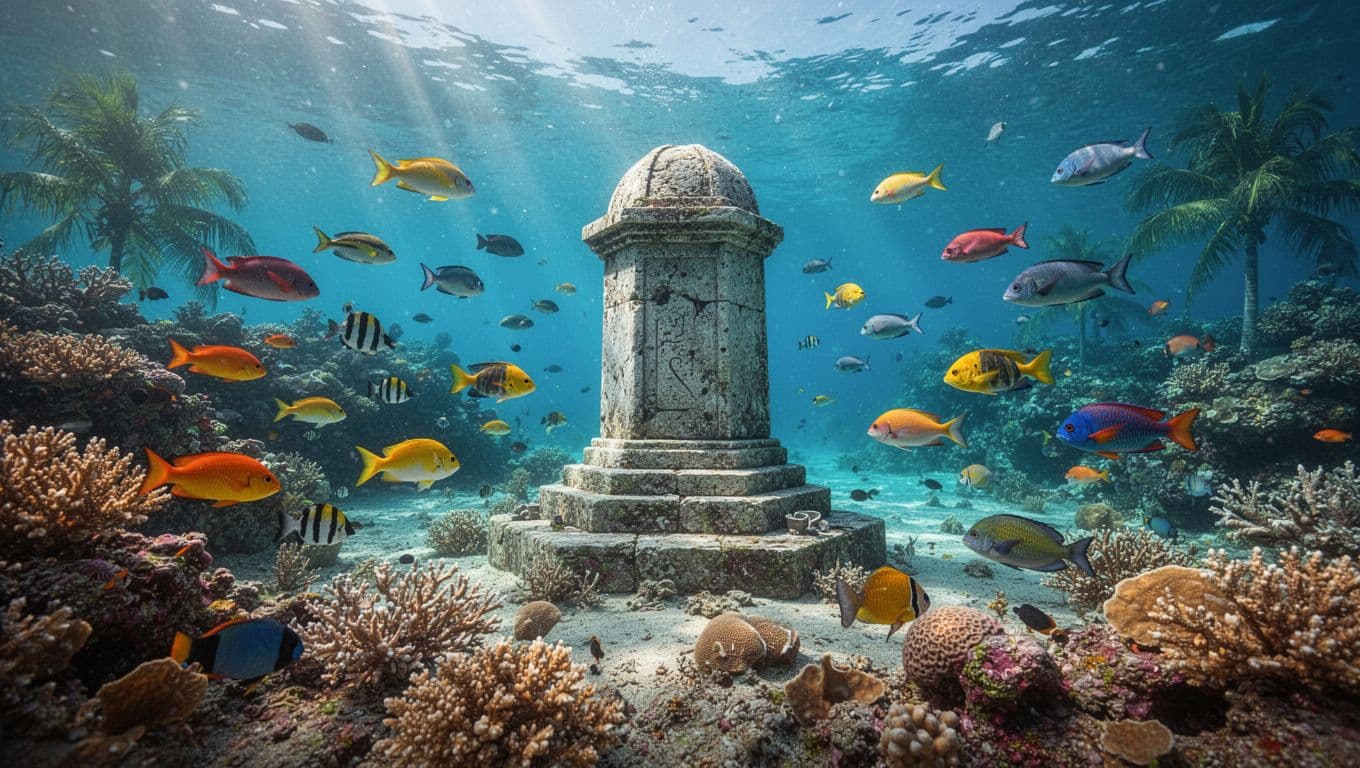
That is part of why so many travelers build their day around the reef first. You get the marine highlight while your legs are still rested, then you can move inland with no pressure to race the clock. For snorkeling Big Island, that kind of pacing usually feels better than trying to save the water for the end of a long day.
Why the park first can still be the smarter call
There are days when the volcano side should come first. If you are staying near Volcano Village or planning to move east before heading back west, the park fits neatly into the morning. You can take your time with overlooks, short walks, and the kind of stops that don’t make sense when you’re thinking about wet gear and boat departure times.
That approach also works when you want your best energy for dry land. The park can take more attention than people expect, even when you skip the long hikes. You still need to watch the road, manage the stops, and decide how much daylight you want to spend inside the park before you swing back toward the coast.
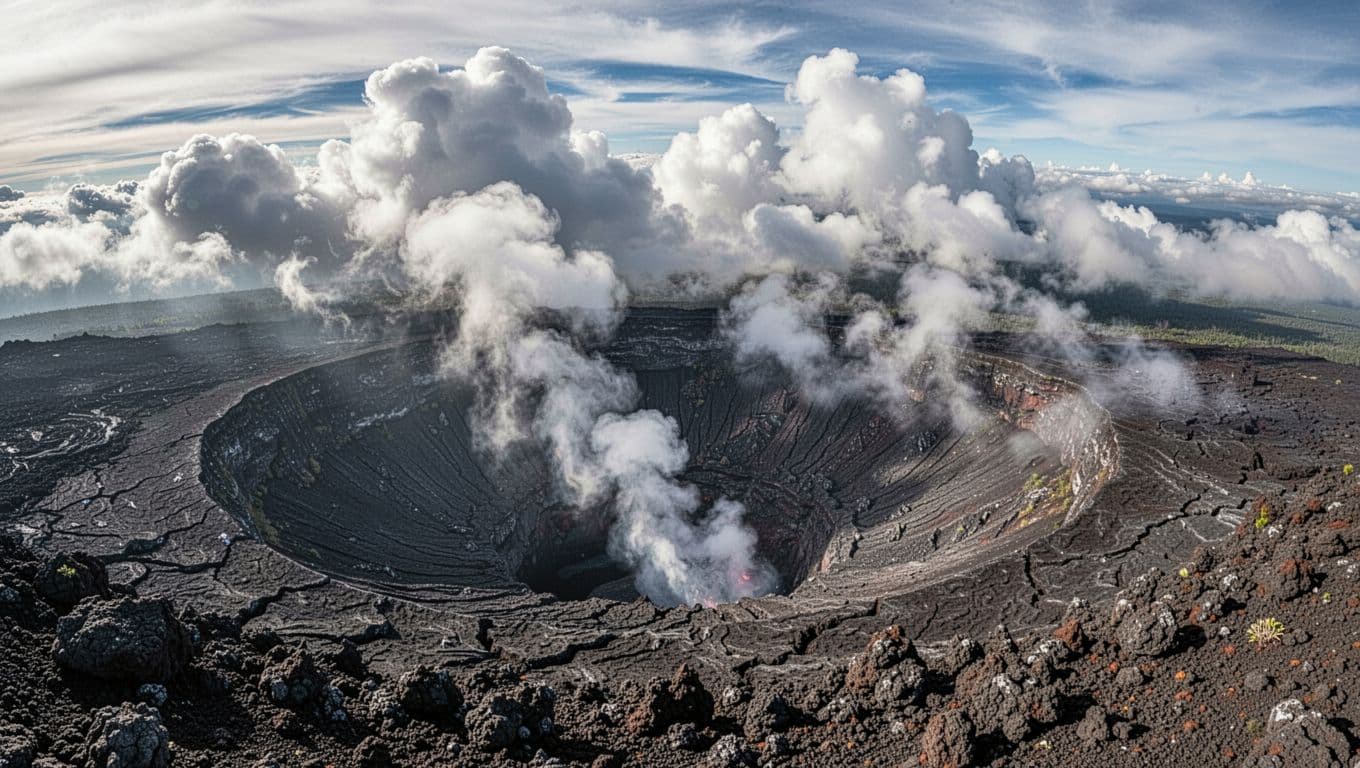
The park-first plan makes sense if your snorkel window is flexible. It also helps if you already know you want the volcano experience to be the main event. In that case, the snorkel feels like a bonus instead of another obligation.
How to pick the order that fits your itinerary
The simplest rule is to protect the part of the day that matters most to you. If you care more about a clear reef day, put the ocean first. If the park is the reason you came inland, give it the morning or the middle of the day.
Use these quick checks to choose your order:
- Snorkel first if you want calmer water, an earlier finish, or the least complicated way to snorkel Big Island in one day.
- Park first if you are already waking up near the east side, want a slower breakfast, or plan to spend more time on land than in the sea.
- Split the experiences across two days if you want both to feel unhurried.
For snorkeling Big Island, the biggest mistake is trying to force a late, tired version of the day. That can work, but it rarely feels as good as the version where you give each stop enough room. If you are traveling with kids, grandparents, or a group with different pace preferences, the more relaxed order usually wins.
Why Kealakekua Bay belongs on the shortlist
When snorkeling Big Island Hawaii is the goal, Kealakekua Bay belongs near the top of your list. The bay’s protected setting, clear water, and reef life give you a stronger payoff than a quick roadside stop ever could. If you want to see how the route works in more detail, the Captain Cook monument snorkel tours page is a good place to start.
Kona Snorkel Trips keeps the experience focused with small groups, solid gear, and lifeguard-certified guides who know the coast well. That matters when you want the day to feel organized instead of crowded. It also helps if you care about reef-safe practices and want a trip that stays respectful of the marine environment.
If you want to compare open seats for a wider range of Big Island snorkeling tours, you can check availability for the day that fits your park plans.
If you want a company built around this exact route, Captain Cook Snorkeling Tours is a focused option worth comparing. If you already know Kealakekua Bay is your priority, you can check avaialbility and lock in the day before the rest of your itinerary fills up.
If you can spare two days, split the experiences
The least stressful plan is often the one that gives each place its own day. You can spend one morning on the reef, then let the park have the next day without trying to fit either one into a narrow window. That is especially useful if you want the trip to feel like a vacation instead of a checklist.
A split plan also helps if you want to keep your options open. A private snorkel tour in Big Island gives you more control over timing, which can make the rest of the week easier to manage. Families, couples, and mixed groups often like that setup because it keeps the pace flexible.
On the park side, the official National Park Service page gives you the safety basics, while a local itinerary helps you choose the stops that matter most. That combination keeps you from guessing. It also keeps you from overloading one day with too much driving and too much walking.
If you want the cleanest version of the trip, use the park day for the park and the snorkel day for the reef. That way, neither experience has to compete for your attention.
Conclusion
If you want the shortest answer, snorkel first usually works best when you are based in Kona and want your reef time to feel fresh. Park first can make sense when the volcano side is the real priority or when you are already staying closer to the east side.
The better answer is the one that fits your energy. A rushed snorkel and a crowded park day both feel smaller than they should.
Give Captain Cook enough time, and give Hawaii Volcanoes National Park the space it needs. When you do, the day feels less like a scramble and more like the Big Island you came to see.