
Manta Ray Night Snorkel Kona: Where Tours Depart
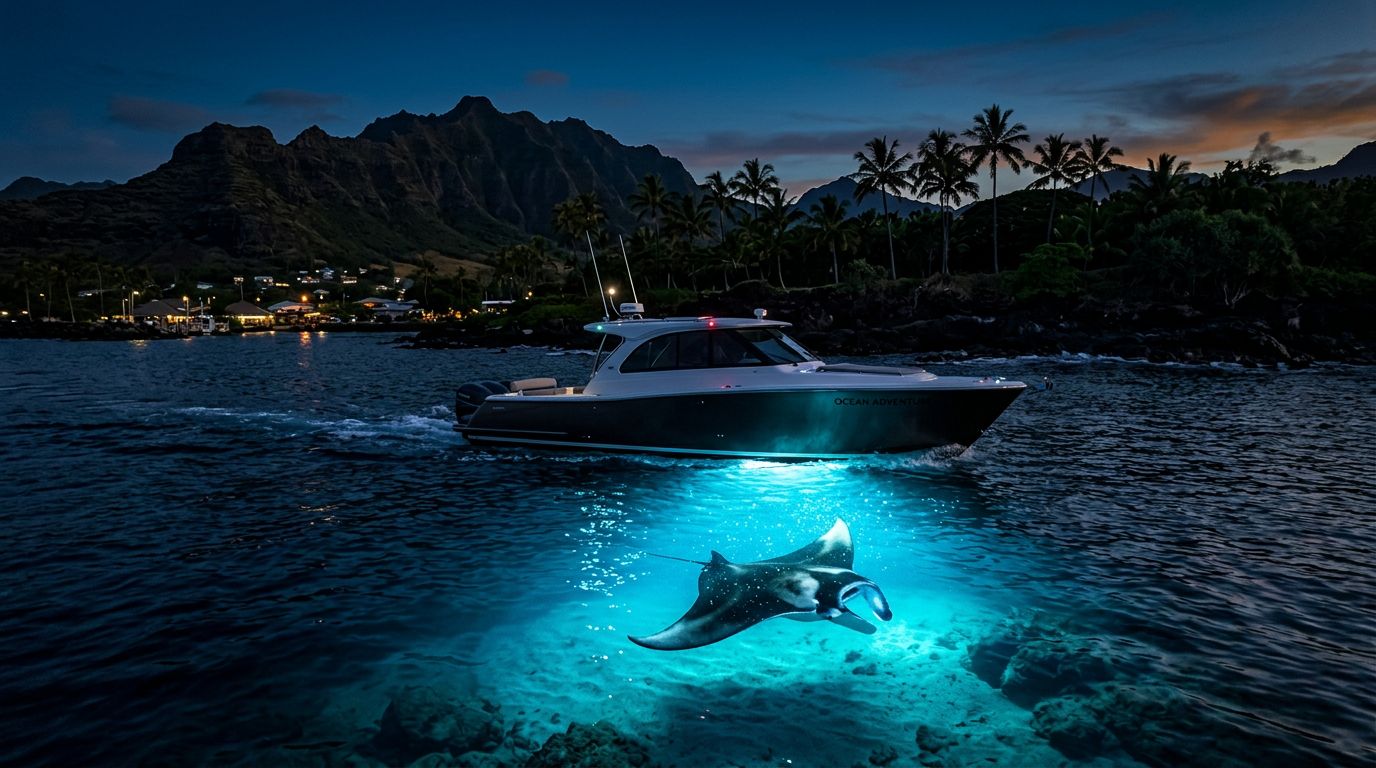
A manta ray night snorkel Kona tour can begin at a harbor several miles from the viewing site, so checking the departure point matters before you book. The most important detail is the operator you choose, because Kona-area tours don’t all leave from the same waterfront.
Kona Snorkel Trips departs from Honokohau Harbor in Kona, while other operators may use Keauhou Bay or a harbor farther north. Knowing your meeting point helps you choose the right tour, plan parking, and avoid a stressful start to your evening on the water.
Where Does the Manta Ray Night Snorkel Kona Depart From?
For Kona Snorkel Trips, the manta ray night snorkel departs from Honokohau Harbor, also called Honokohau Small Boat Harbor. The harbor is north of Kailua-Kona and close to the Kona coast’s main hotel and vacation rental areas.
You don’t meet the manta rays at the harbor. Instead, you check in on land, board the boat, and travel to the nighttime viewing location. The ride gives your crew time to review safety information and help you get comfortable with the equipment before entering the water.
The exact viewing site can vary. Conditions, ocean safety, water visibility, and manta activity all affect where the crew operates that evening. Kona Snorkel Trips may visit Garden Eel Cove or an area near the Keauhou coastline, depending on the conditions and the evening’s plan.
That means your departure harbor is fixed by the tour operator, but the in-water location can change. This is normal for ocean excursions. A responsible captain chooses the safest suitable site instead of forcing every trip into one location.
Before leaving your hotel, read your reservation confirmation carefully. It should identify the harbor, meeting time, and any arrival instructions. Don’t rely only on a general map pin because several Kona harbors look similar when you’re searching from the road.
Kona Snorkel Trips lists Honokohau Harbor as the departure location for its manta tour. You can see the tour details through the Kona manta ray snorkel experience, including duration, swimming requirements, and seasonal tour options.
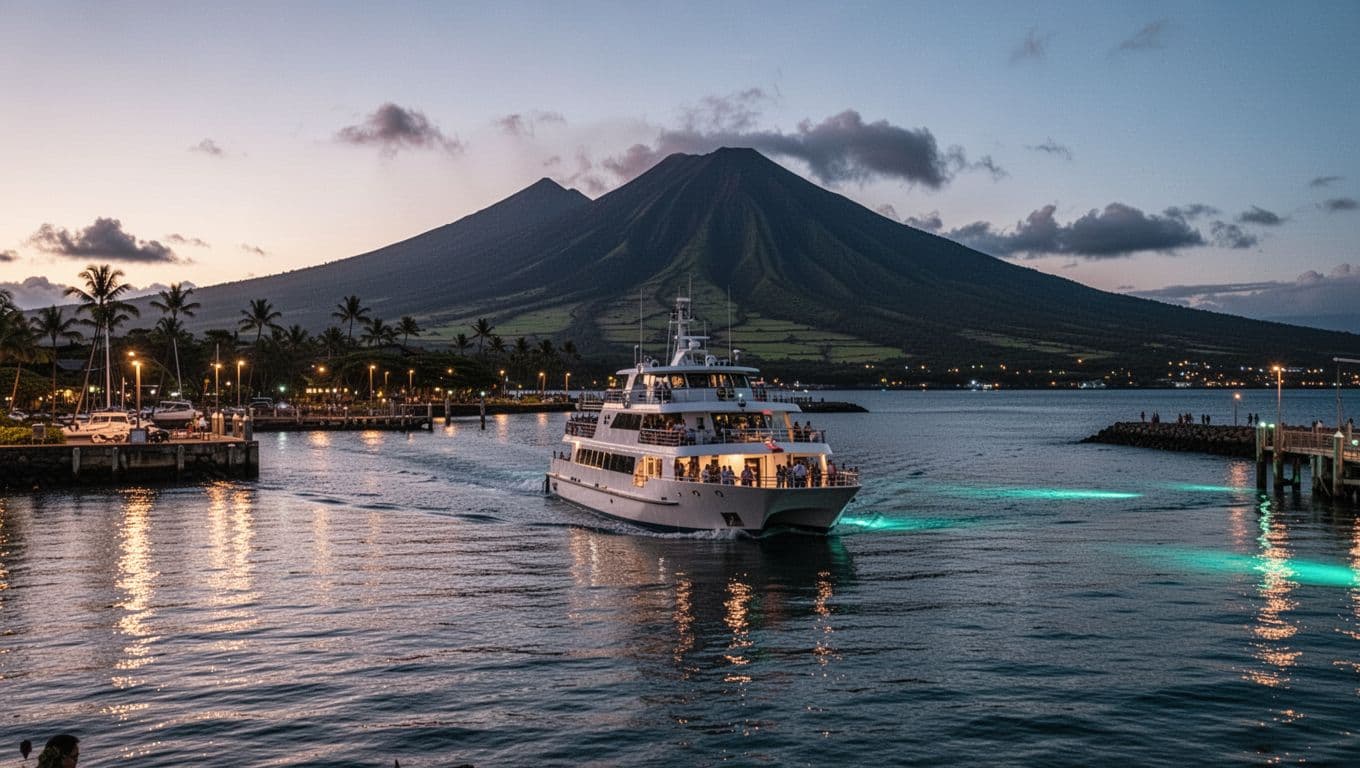
Kona’s Main Manta Snorkel Departure Points
Kona’s manta excursions usually leave from one of several coastal access points. Your best choice depends on your operator, hotel location, and how much driving you want to do before sunset.
| Departure area | Often suits | What to confirm |
|---|---|---|
| Honokohau Harbor | Visitors staying around Kailua-Kona and the airport corridor | Exact harbor meeting point and parking instructions |
| Keauhou Bay | Travelers staying in south Kona or near Keauhou | Whether the tour uses the public bay ramp or another nearby location |
| Kawaihae South Boat Harbor | Visitors staying near Waikoloa or the Kohala resort area | Driving time, check-in location, and boat ride length |
Honokohau Harbor is the departure point for Kona Snorkel Trips’ manta ray excursion. It is a practical option if you’re staying in Kailua-Kona, near the airport, or along the central Kona coast.
Keauhou Bay is farther south. Some operators leave from this area because it sits near established manta viewing sites. If your confirmation names Keauhou Bay, don’t drive to Honokohau Harbor instead. The two locations are not interchangeable.
Kawaihae South Boat Harbor is north of Kona. It can be convenient for guests staying near Waikoloa Village, Mauna Lani, or other Kohala Coast resorts. However, the drive from Kailua-Kona may take longer, so compare the full travel time rather than looking only at the tour’s listed duration.
A departure point can also affect the boat ride. Some harbors sit closer to the regular viewing areas, while others require a longer ride along the coast. A shorter ride may appeal to families or guests who get seasick. A longer ride can provide more time to watch the coastline after dark.
The most useful comparison is simple: book the tour that fits your lodging and clearly states its meeting location. A low price or convenient start time doesn’t help if you spend the evening rushing across the island.
Why Honokohau Harbor Works Well for a Kona Night Snorkel
Honokohau Harbor gives you a straightforward starting point for a nighttime ocean trip. You arrive at the harbor, find the designated meeting area, complete check-in, and board with the help of the crew.
The harbor location also fits well with the wider Kona travel route. If you’re staying near Kailua-Kona, you won’t need to drive south to Keauhou just to reach the boat. Visitors arriving through Kona International Airport can also plan their evening around the central coast.
Kona Snorkel Trips focuses on small-group ocean adventures rather than crowded, impersonal outings. The crew provides snorkeling equipment and custom-built lighted boards designed for the nighttime experience. Lifeguard Certified guides lead the trip and explain how to enter the water, position yourself, and watch the animals without touching them.
The lighted board is an important part of the experience. Its lights attract plankton near the surface, and manta rays may glide through the illuminated water while feeding. You stay near the board and follow the guide’s instructions. The lights help you see the action without chasing the animals.
You should also expect the departure location to feel different after sunset. Harbor lighting, boat traffic, and uneven pavement can make the area harder to navigate than it appears during daylight. Arrive with enough time to locate the meeting point without sprinting from your car.
Kona Snorkel Trips follows a “Reef to Rays” philosophy. That approach connects daytime reef protection with responsible nighttime wildlife viewing. Guests learn to respect the volcanic reef, avoid contact with marine life, and leave the ocean as they found it.
How to Choose the Right Departure Point for Your Hotel
Your hotel location should guide the departure decision. Kona covers a long stretch of coastline, and a harbor that looks close on a map may require more driving than you expect during a busy vacation evening.
If you’re staying in Kailua-Kona, near the airport, or along the central coast, Honokohau Harbor is often the most convenient choice. You can spend the afternoon nearby, return to your room to change, and drive a shorter route to check-in.
Guests staying in Keauhou or south Kona may prefer a tour leaving from Keauhou Bay. That can reduce backtracking, especially if you plan to spend the day around Kahalu’u, Kealakekua, or Captain Cook.
Travelers based near Waikoloa or the Kohala resorts should compare north-coast departures with Kona departures. A harbor near Kawaihae may be closer to your accommodation, while a Honokohau departure may require a longer drive south. Your reservation time, dinner plans, and comfort after the tour all matter.
Use this quick process before booking:
- Check the confirmed departure harbor, not only the tour name.
- Estimate the drive from your hotel during the time you need to arrive.
- Look for the operator’s parking instructions.
- Confirm whether the tour requires you to swim a set distance.
- Save the meeting details offline in case your phone connection is weak.
If you’re building a full ocean day, you can compare manta tours with Big Island snorkeling tours that depart during daylight. A daytime reef trip and an evening manta excursion create two different experiences, but both require you to plan around the same coastal roads.
Parking and Arrival Tips at the Harbor
Parking is one of the most common sources of confusion. A harbor may have public spaces, boat-trailer areas, restricted zones, or several entrances. You should follow posted signs and your operator’s arrival instructions rather than leaving your car in the first open space you see.
Give yourself extra time if you’re unfamiliar with Honokohau Harbor. You may need to walk from your vehicle to the meeting point, and evening visibility can make signs harder to spot. Bring a small light if your operator allows one, but keep it pointed toward the ground so you don’t shine it into other guests’ eyes.
Your confirmation should tell you when to arrive. Treat that time as the check-in deadline, not the moment you pull into the parking area. The crew must prepare gear, verify the group, and complete the safety briefing before the boat leaves.
Wear clothing that works before and after the swim. A light layer can help during the boat ride, especially after sunset. Bring a towel, a change of clothes, reef-safe sun protection for the afternoon, and any personal medication you may need.
Leave valuables in your vehicle only if you accept the risk. Better yet, bring as little as possible. Phones and cameras can get wet, and loose items can move around on a boat. Ask the crew where to store anything you bring onboard.
Kona Snorkel Trips provides the core snorkeling equipment for the tour, but you should still check your confirmation for the current packing list. Conditions and company policies can change, and the operator’s instructions take priority over general travel advice.
For a practical look at local parking considerations, you can review the Kona manta ray parking guide. The guide can help you think through where to leave your vehicle before you arrive.
Your meeting point and your viewing site are two different locations. Check in at the harbor, then let the crew choose the safest suitable place to snorkel.
What Happens After You Leave the Harbor?
The evening usually begins with a boat ride along the Kona coast. Depending on the departure point and conditions, you may see the shoreline, lava formations, and changing colors over the water before darkness settles in.
Once the boat reaches the selected viewing area, your guide explains how to enter the water and hold your position. You may float beside a custom lighted board while the crew keeps the group together.
Manta rays feed on plankton. The lights attract tiny organisms toward the surface, which can bring manta rays close to the swimmers. The animals may pass beneath you, circle the board, or move away and return later.
You must never touch, chase, grab, or ride a manta ray. These animals need room to move and feed. Keeping your hands to yourself also protects the natural oils on their skin and helps maintain a respectful distance.
You don’t need to dive down to have a good view. Many encounters happen near the surface, where you can watch the rays’ wings move through the illuminated water. If you feel nervous, stay close to the board and tell your guide.
The water can feel darker and less familiar at night. Your guide’s instructions matter more than trying to position yourself for a perfect photo. Listen for directions, keep your mask sealed, and avoid kicking other swimmers.
Strong swimming ability helps you relax during the excursion. Kona Snorkel Trips lists the ability to swim 50 yards among its tour requirements. If you’re unsure about your comfort in open water, ask before booking rather than assuming the conditions will feel like a hotel pool.
Families should also review age, height, and swimming requirements for every child. A child who enjoys daytime snorkeling may still find nighttime open water challenging. A private charter may offer more flexibility for some groups, although the same ocean safety rules apply.
What If You Want a More Personal Experience?
A standard small-group manta tour suits many travelers. However, a private excursion can make sense if you’re celebrating an occasion, traveling with a mixed-age group, or want more control over the pace.
Kona Snorkel Trips offers private Kona boat charters that can include a private manta experience. You still depart from the location provided for your reservation, but a private format may give your group more space and a more personal interaction with the guide.
Private trips don’t remove the need to confirm the meeting point. In fact, you should pay closer attention because custom excursions may have different start times, routes, or requirements than the regular schedule.
You can also pair a manta evening with a daytime trip to Kealakekua Bay. A Captain Cook snorkel tour gives you a chance to explore a historic coastline and shallow reef habitat before returning to Kona for the night.
During whale season, a seasonal combination may also be available. The whale watching and manta tour combines a sunset whale search with nighttime snorkeling when the seasons overlap. Check the schedule because humpback sightings and combination tours are seasonal.
Another local business connected with this type of experience is Manta Ray Night Snorkel Hawaii. If you compare providers, focus on each company’s departure harbor, boat size, swimming requirements, equipment, and cancellation terms.
Booking Your Kona Manta Tour
When you book, look for the departure location before comparing dates. The phrase “manta ray snorkel in Kona” describes the activity, but it doesn’t identify the harbor.
Kona Snorkel Trips provides guided trips with state-of-the-art snorkeling equipment, custom lighted boards, and Lifeguard Certified guides. The company also places strong emphasis on reef-safe practices and respectful wildlife viewing.
Review the tour page for the current departure information and requirements. Then confirm the details again in your reservation email. If anything appears unclear, contact the company before the day of the tour.
If you’re ready to reserve a manta trip, you can check availability for current dates and times.
The right departure point makes the evening easier, but the guide and crew make the experience safer and more organized. Choose a tour with clear instructions, suitable equipment, and a departure location you can reach without rushing.
The Short Answer for Your Kona Vacation
If you’re booking with Kona Snorkel Trips, plan to depart from Honokohau Harbor in Kona. Other manta operators may leave from Keauhou Bay or Kawaihae South Boat Harbor, so always match your driving plans to the harbor listed in your confirmation.
Arrive early enough to park, find the meeting point, and prepare without stress. Then follow the guide’s instructions in the water, keep a respectful distance from the manta rays, and let the crew select the safest viewing site that night.
The harbor is where your trip begins, but the quality of the evening depends on the entire plan. When you confirm the right departure location before booking, you can spend less time searching for a ramp and more time watching manta rays glide through the light.