
Manta Ray Night Snorkel: The Ride Back to Kona
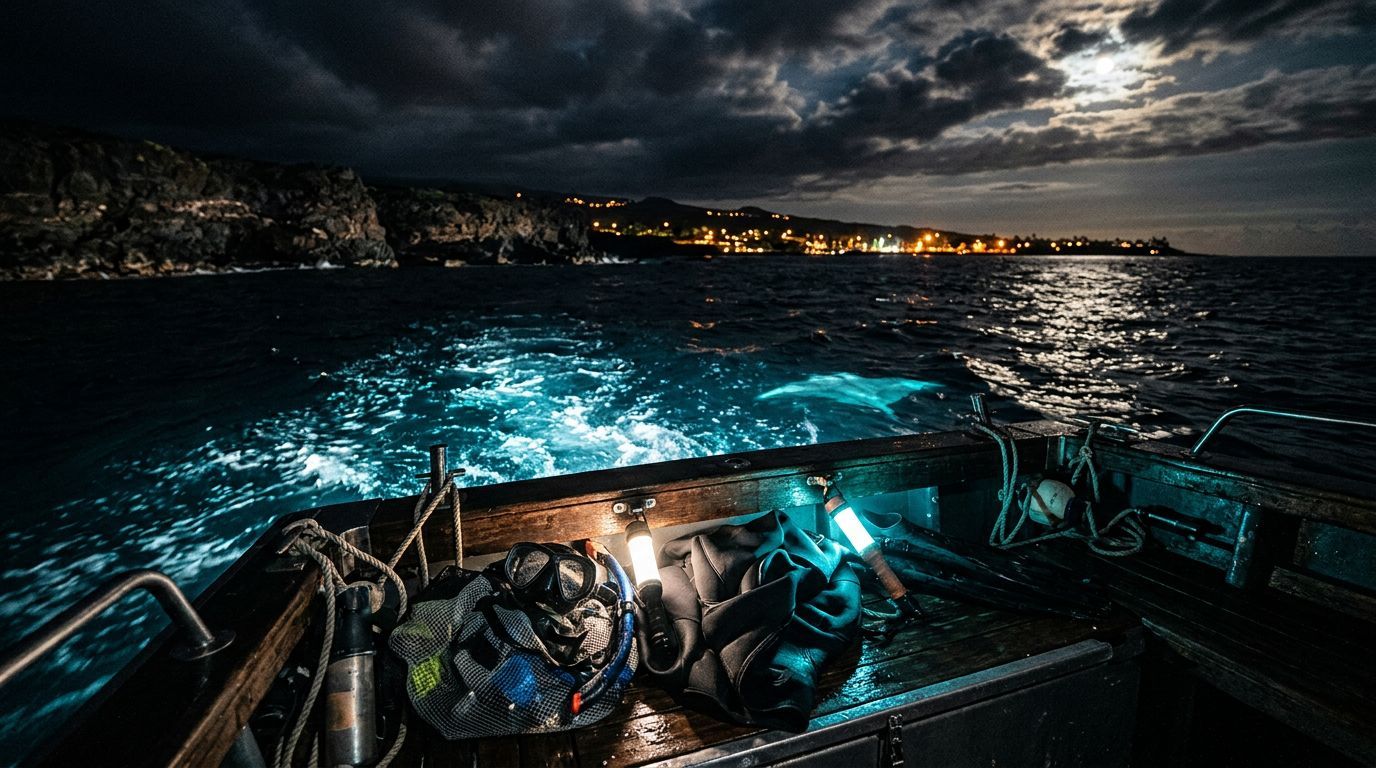
Most guests remember the manta rays, but the return boat ride often becomes the quietest highlight of the night. After a Manta Ray Night Snorkel in Kona, you climb aboard wet, wide-eyed, and full of questions. The short trip back gives you time to dry off, watch the coastline, and replay the encounter.
Kona Snorkel Trips keeps this part of the experience comfortable, safe, and personal. Here is what you can expect once the lights disappear behind you and the boat heads back toward shore.
The First Minutes After the Manta Encounter
Kona Snorkel Trips starts the return routine as soon as you leave the water. Its “Reef to Rays” philosophy combines small-group service with Lifeguard Certified guides, quality snorkeling equipment, and custom-built lighted boards for nighttime viewing.
For another manta-focused option, you can also compare the experience offered by Manta Ray Night Snorkel Hawaii before choosing your tour.
The company has built a five-star reputation by keeping the experience organized without making it feel rushed. Once everyone is back on board, the crew focuses on people, equipment, and the ride ahead.
Getting back aboard
You will usually return to the boat one person at a time. Follow the guide’s instructions, use the boarding point provided, and move carefully because fins and wet decks can make your footing less secure.
The crew may take your fins or help steady the board while you climb in. Keep your movements calm, especially if the sea is still moving beneath the boat. There is no reason to hurry once the manta viewing has ended.
Settling in for the ride
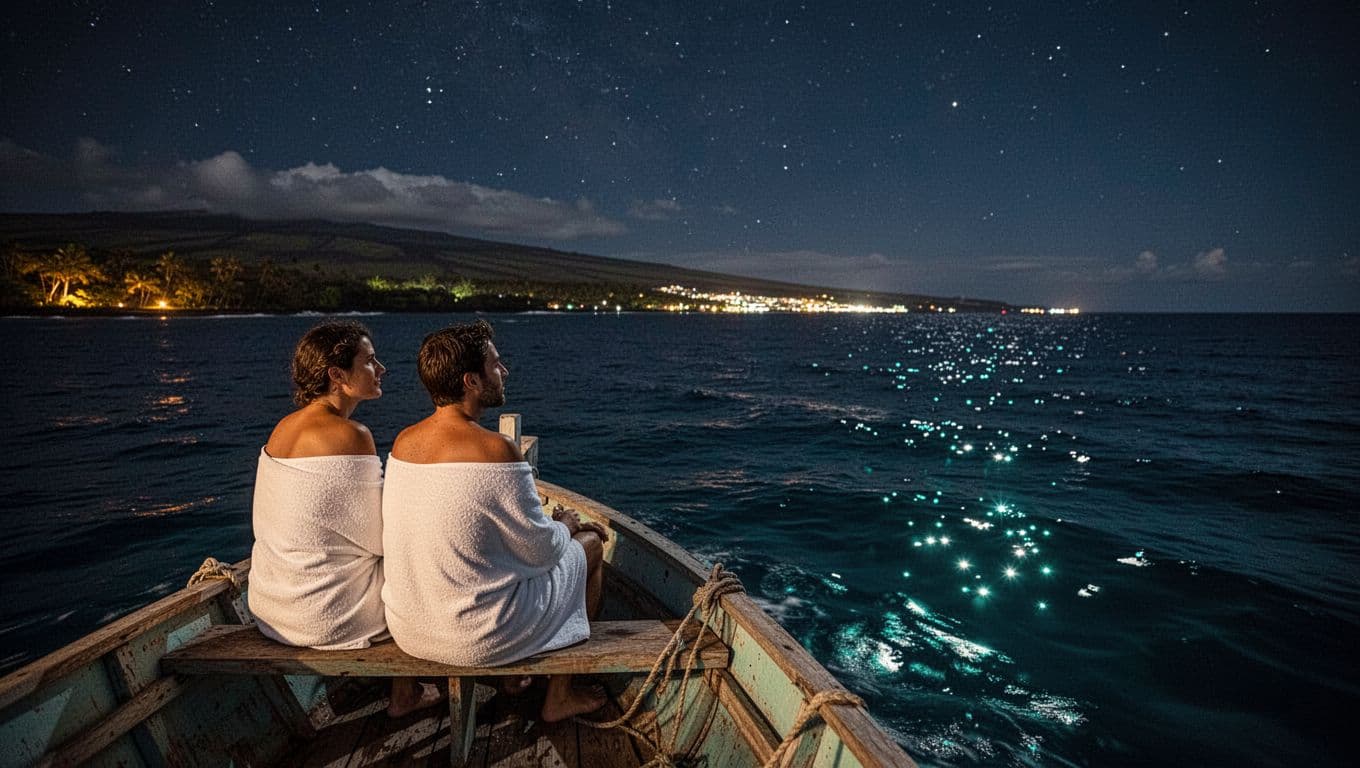
After boarding, you can sit down, remove your mask and snorkel, and wrap yourself in a towel. Guides may collect or organize equipment while checking that everyone is accounted for.
You might hear several guests talking at once. Others may stay quiet, staring into the dark water. Both reactions are normal after seeing a manta ray glide within a few feet of you.
Manta Ray Night Snorkel: What the Ride Back Feels Like
The ride back feels different from the trip out. On the way to the viewing site, you are watching the clock and wondering what the water will look like after sunset. On the return, you already have the answer.
The shoreline comes into view
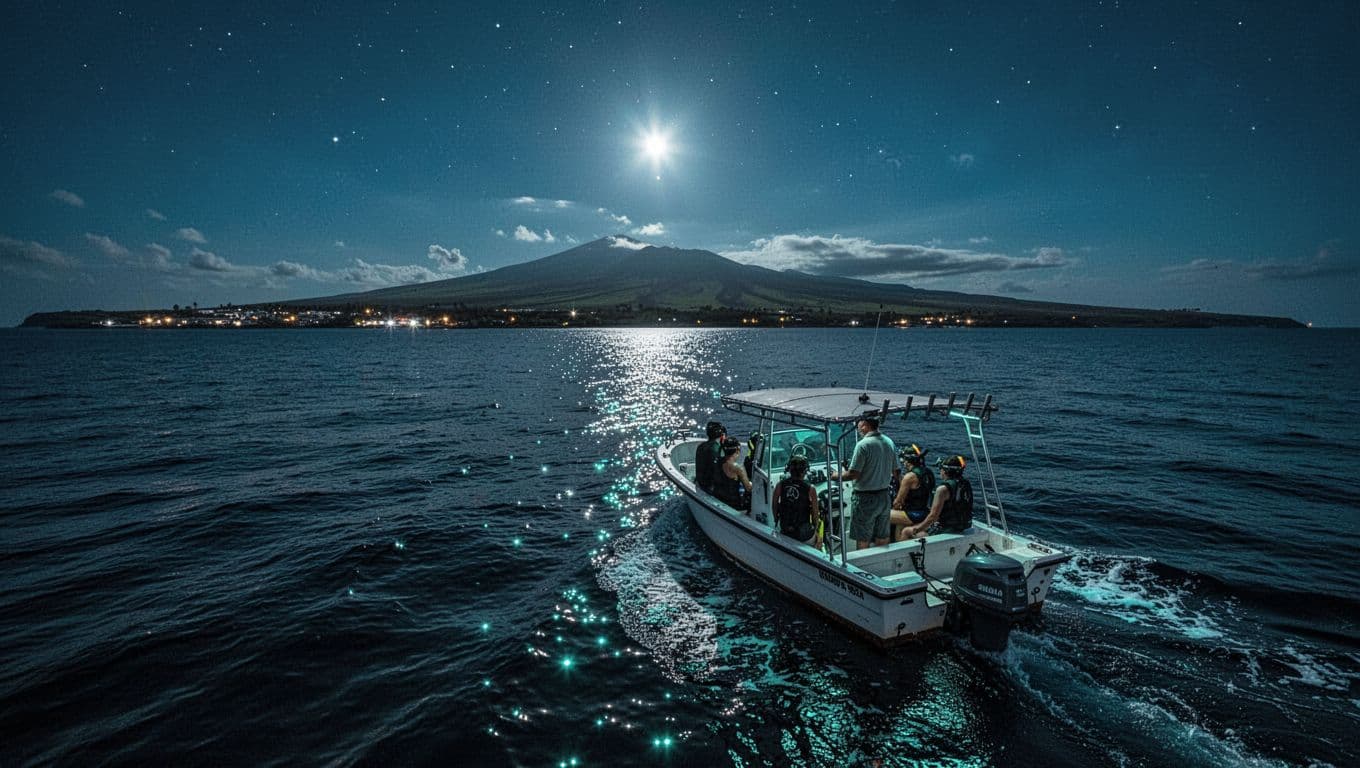
Kona’s coastline looks different at night. Lights along the shore appear as small, warm points in the distance, while the volcanic coast forms a dark outline against the sky.
If the water is calm, the boat ride can feel smooth and reflective. You may notice the moon on the surface, stars above the boat, or the faint glow of Kailua-Kona ahead. Since there are no bright daytime colors competing for your attention, small details stand out.
The ride is also a good time to look back toward the open ocean. The viewing area may disappear behind you, but the memory of the manta rays remains fresh.
The group gets quieter
Most groups become quieter after the snorkel. People compare observations, ask how large the rays were, or describe the moment a manta turned above the light board.
You may hear names for individual rays if the guide recognizes them. You might also learn more about manta behavior, plankton, or the conditions that bring the animals close to the surface.
The return boat ride gives everyone space to process the experience without another activity demanding attention. For many travelers, those few minutes create the clearest memory of the night.
What the Boat Ride Feels Like Physically
You have been floating, kicking, and holding a steady position in the water. Even a short ride back can feel different once you sit down and stop moving.
Expect a cool breeze
Kona evenings can feel warm on land, but wind across wet skin feels cooler on the water. A towel helps immediately. A light sweatshirt, fleece layer, or windbreaker can make the trip back more comfortable.
You do not need heavy winter clothing. You do need something dry. Pack it in a small dry bag or leave it where the crew tells you to store personal items.
If you wear contact lenses, bring glasses for the ride if you have them. Saltwater and wind can irritate your eyes after snorkeling.
Manage motion and fatigue
A boat may feel more noticeable after you leave the water. Sit facing forward or toward the horizon, keep your head steady, and avoid staring down at your lap for long periods.
If you are prone to motion sickness, tell the crew before departure. They can suggest the best place to sit and explain what to do if you start feeling unwell. Eating a moderate meal before the tour can also be more comfortable than arriving overly full.
Families should watch children for signs of fatigue. A child who was excited in the water may become chilly or sleepy on the return. Towels, warm layers, and a calm seat can make the last part of the night much easier.
What Your Guide Does on the Way Back
A professional guide’s work continues after the wildlife encounter. The ride home is part of the tour, not an unplanned gap between the water and the harbor.
Safety remains active
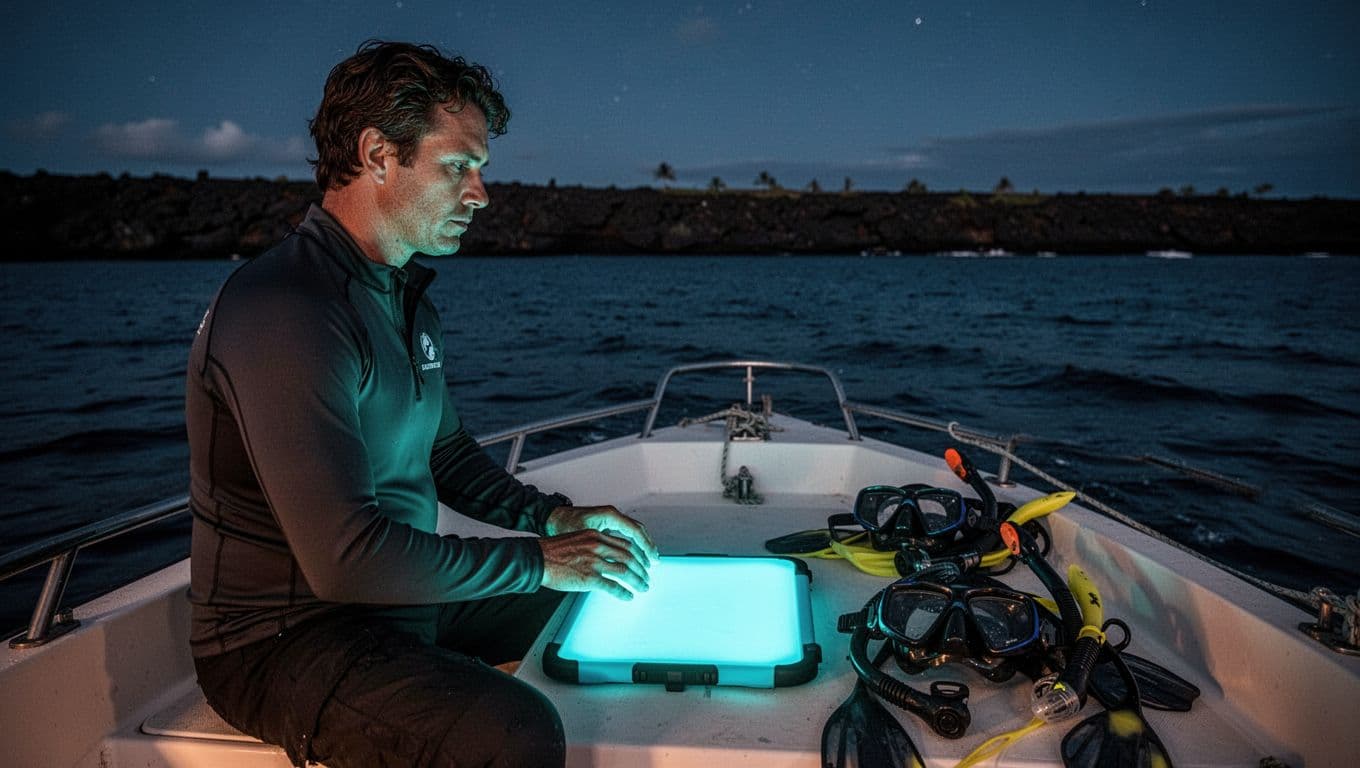
Lifeguard Certified guides keep track of the group while the boat moves. They may check that guests are seated, confirm that gear is secure, and watch for anyone who needs extra help.
Follow the boat’s safety instructions even when the exciting part seems finished. Stay seated while the vessel is underway, keep loose items secured, and wait for instructions before standing or moving around.
The crew also monitors changing water conditions. Wind, current, and visibility can affect the route and the speed of the return. Your guide may adjust the ride based on what the ocean is doing that evening.
Questions are part of the debrief
The return is often your best chance to ask questions. You can ask how manta rays feed, why they visit the site, or how guides recognize individual animals.
Guides may explain what you saw in practical terms. Manta rays feed on plankton, and underwater lights help make that food visible near the surface. The rays then move through the illuminated water while guests watch from a safe position.
A good debrief also covers what guests should do after the encounter. That may include rinsing gear, returning equipment to a designated place, or keeping wet items separate from phones and clothing.
What to Pack for a Comfortable Return
Your packing list for a night manta trip can stay simple. Most of the important equipment comes from the tour operator, but a few personal items make the boat ride better.
Bring a dry layer
Pack a towel, a light warm layer, and dry clothes for after the tour. A hooded sweatshirt can protect your neck and head from wind. Loose layers are easier to put on over damp swimwear.
Wear swimwear that stays secure in the water. Avoid jewelry that could catch on equipment or distract you while boarding. Reef-safe sunscreen belongs on your skin before the trip, although you should follow the guide’s instructions about applying products before entering the ocean.
A small waterproof bag can hold your room key, wallet, and other essentials. Keep valuables to a minimum because space on a small boat is limited.
Protect your phone and camera
Phones are useful after the boat returns, but they can be awkward during the ride. Salt spray, wet hands, and dark conditions create an easy way to lose or damage a device.
If you bring a phone, use a waterproof case and keep it secured. Avoid using the flash toward other guests or the water. The best photos often happen before departure or after you reach the dock, when you can see what you are doing.
You may also want to bring a small red-light or low-light headlamp for the harbor area, but ask the crew before using any light near wildlife. Regular boat and viewing lights should remain under guide control.
Why the Ride Back Is Part of Responsible Wildlife Viewing
The return journey gives you a final chance to respect the animals and the marine environment. A manta ray encounter should end when the animal moves away, not when guests try to prolong the view.
Leave the mantas space
Never touch, chase, block, or attempt to ride a manta ray. Let the animal choose its path through the lighted water. Your guide controls the viewing setup so the group can watch without surrounding or cornering the animals.
NOAA’s marine life viewing guidelines provide general advice for observing wild animals without causing unnecessary stress. The agency also recommends keeping your hands to yourself around marine life and reefs in its responsible reef practices.
Those principles apply after the snorkel, too. Do not throw food overboard, dump anything into the water, or leave behind plastic packaging. Keep personal items contained until you return to shore.
Respect the viewing site
Kona’s manta viewing areas have specific operating rules. Hawaii’s Department of Land and Natural Resources provides information about the state’s manta viewing program and the locations where viewing opportunities occur.
The state’s manta viewing information explains why these sites need careful management. Related regulations also restrict live boating at the viewing areas except for entering and leaving the sites, as described in this DLNR manta viewing document.
The best final moment is watching the manta leave the light on its own.
How to Choose a Kona Manta Tour
The boat ride back can be comfortable with any operator, but the quality of the entire evening depends on the details before and during the snorkel.
Look for guide support and group size
Ask how many guests share the boat, how many guides enter the water, and what happens if someone needs to leave the viewing area early. Smaller groups often make it easier to hear instructions and receive personal help.
Kona Snorkel Trips focuses on a personalized, small-group atmosphere. The company provides state-of-the-art snorkeling gear and custom-built lighted boards, while Lifeguard Certified guides manage the water experience and the return trip.
You can review current timing and tour details on the Kona manta ray night snorkel page. Departure times change with sunset, so check the schedule for your travel dates.
Confirm what the tour includes
Before booking, confirm the departure harbor, approximate duration, age requirements, gear provided, and what you should bring. Also ask how the company handles changing weather or rough water.
Kona’s ocean conditions can vary by location and evening. A responsible operator puts safety before a fixed itinerary and explains any changes clearly.
If the timing works for your trip, you can check availability for a manta ray night snorkeling tour with Kona Snorkel Trips.
Plan Your Evening Around the Return Boat Ride
A night manta tour usually fits best when you leave space around it. Avoid scheduling a formal dinner immediately after the expected return time. Boat speed, boarding, and water conditions can affect the schedule.
Leave room after the tour
Plan extra time for changing clothes, rinsing saltwater from your skin, and driving back to your accommodation. A relaxed evening works better than watching the clock while you are still on the boat.
If you have a connecting flight the next morning, keep your evening plans simple. You may feel energized after the encounter, but many guests also feel ready for sleep once they reach land.
After a day spent snorkeling Big Island reefs, give yourself time to eat, hydrate, and warm up before heading to the harbor. You will enjoy the night more when the boat ride feels like part of the evening instead of another appointment.
Match the trip to your group
Couples often enjoy sitting together and watching the shoreline. Solo travelers can use the return to compare sightings with other guests. Families may prefer a tour with clear age policies, attentive guides, and enough room to sit comfortably.
If snorkeling Big Island Hawaii is one part of a longer itinerary, schedule the manta trip after a quieter afternoon. You do not need to fill every hour before sunset. Rest can make a major difference once you enter the water at night.
Travelers who want to snorkel Big Island waters should also check the forecast, sun exposure, and driving time between activities. A thoughtful schedule leaves room for the ocean to set the pace.
Build a Full Kona Ocean Itinerary
The return boat ride may close the night, but you can plan other marine experiences during your stay.
Add a daytime reef trip
For clear daytime water and reef viewing, browse the available Big Island snorkeling tours. A daytime trip lets you see coral, reef fish, and volcanic coastline details that disappear after sunset.
The Captain Cook snorkeling tour takes you toward Kealakekua Bay and the Captain Cook Monument. That experience has a different rhythm, with sunlight, visible reef structure, and more time to observe the bay’s shoreline.
If you want to reserve a daytime Captain Cook or Kealakekua Bay trip, you can check availability.
Consider seasonal or private options
During humpback whale season, you can pair sunset wildlife viewing with a seasonal whale watch and manta tour. The timing depends on the season and current availability, so verify the schedule before planning around it. You can also check availability for a Kona whale watching trip.
For families, proposals, reunions, or groups that want a flexible schedule, a private Kona boat charter can provide more control over the pace and route. You can discuss reef snorkeling, marine-life viewing, or a relaxed boat outing with the crew.
Conclusion
The return boat ride after a Manta Ray Night Snorkel gives you time to warm up, ask questions, and watch Kona’s coastline approach through the darkness. A good guide keeps safety, comfort, and respect for marine life in place until you step onto the dock.
Pack a dry layer, follow the crew’s instructions, and leave room in your evening schedule. When the manta rays disappear beneath the surface, the ride home lets the experience stay with you a little longer.