
Manta Ray Night Snorkel Kona Swim Cap Guide
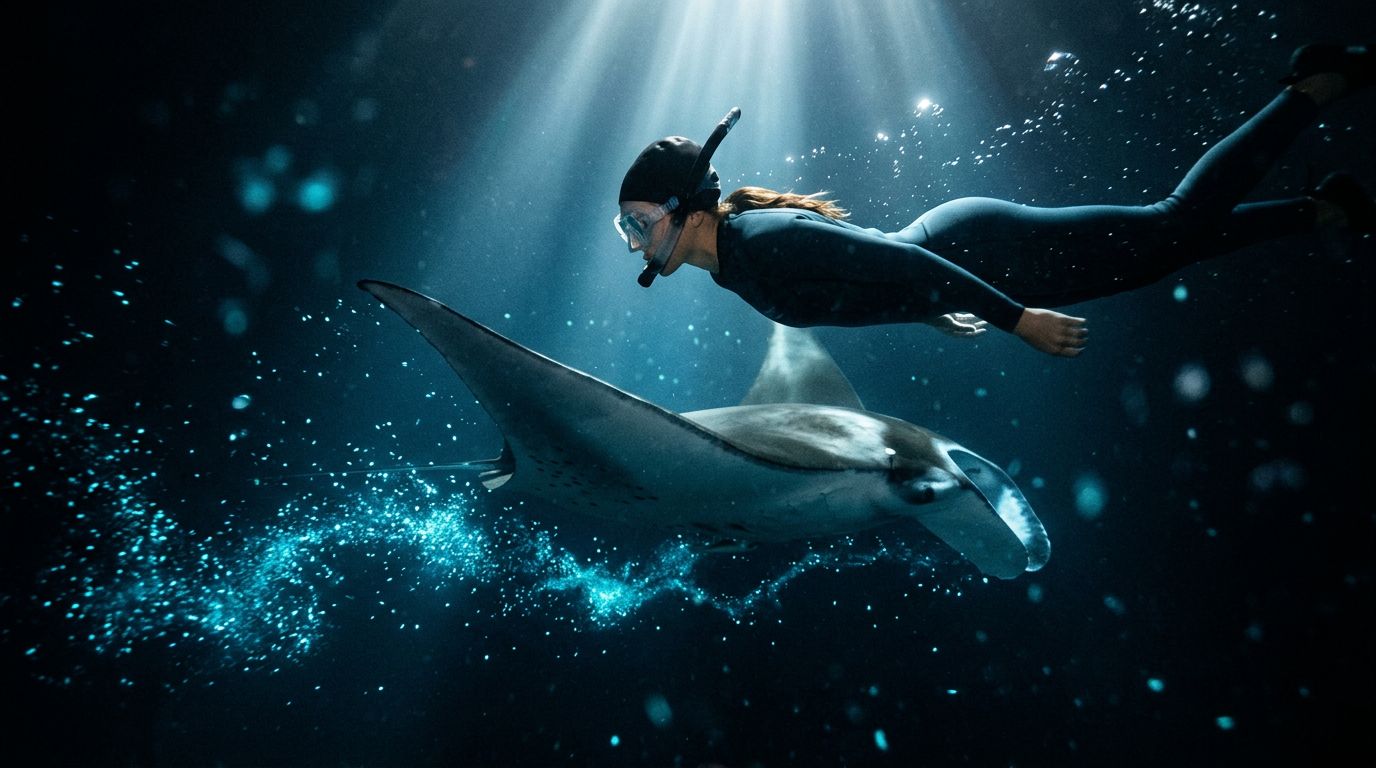
A swim cap can turn a distracting gear problem into a calm start to your manta ray night snorkel in Kona. If you book with Kona Snorkel Trips, planning your cap, mask, and warm layer before reaching the dock lets you focus on the water instead of wet hair in your eyes.
A swim cap matters more than you might expect when you’re snorkeling Big Island Hawaii at night. Manta Ray Night Snorkel Hawaii also publishes a Big Island manta ray guide, but your cap choice remains simple: choose comfort, a clean mask seal, and easy movement over a flashy design.
Why Wear a Swim Cap on a Manta Ray Night Snorkel?
You don’t need a swim cap to join a guided manta tour. However, the right cap can make your time in the water more comfortable, especially if you have long hair or feel cold when your hair stays wet.
Keep hair away from your mask
Long hair can brush across your face, collect beneath the mask strap, or float into your eyes when you turn your head. A swim cap holds most of it in place and reduces tugging from the strap.
Put the cap on before your mask. Then keep the mask skirt against bare skin. Pull the cap edge behind the skirt instead of trapping cap material under it. Fabric beneath the skirt can create a small leak, which becomes annoying when you need to concentrate on the manta rays.
A low ponytail or loose braid can help manage very long hair. Avoid tight buns because they can push against the back of your head and make the mask sit unevenly.
A swim cap helps with hair control and comfort, but it doesn’t replace a well-fitting mask or a proper thermal layer.
Reduce the cold feeling around wet hair
Kona’s ocean often feels comfortable during the day, yet the air can feel cooler after sunset. Your hair may stay wet during the boat ride back to shore, and that can make you feel colder than expected.
A cap reduces that wet-hair sensation. It offers limited insulation, however, so don’t treat it as a substitute for a wetsuit top or rash guard when one is appropriate. Ask your operator what thermal gear is available before you arrive.
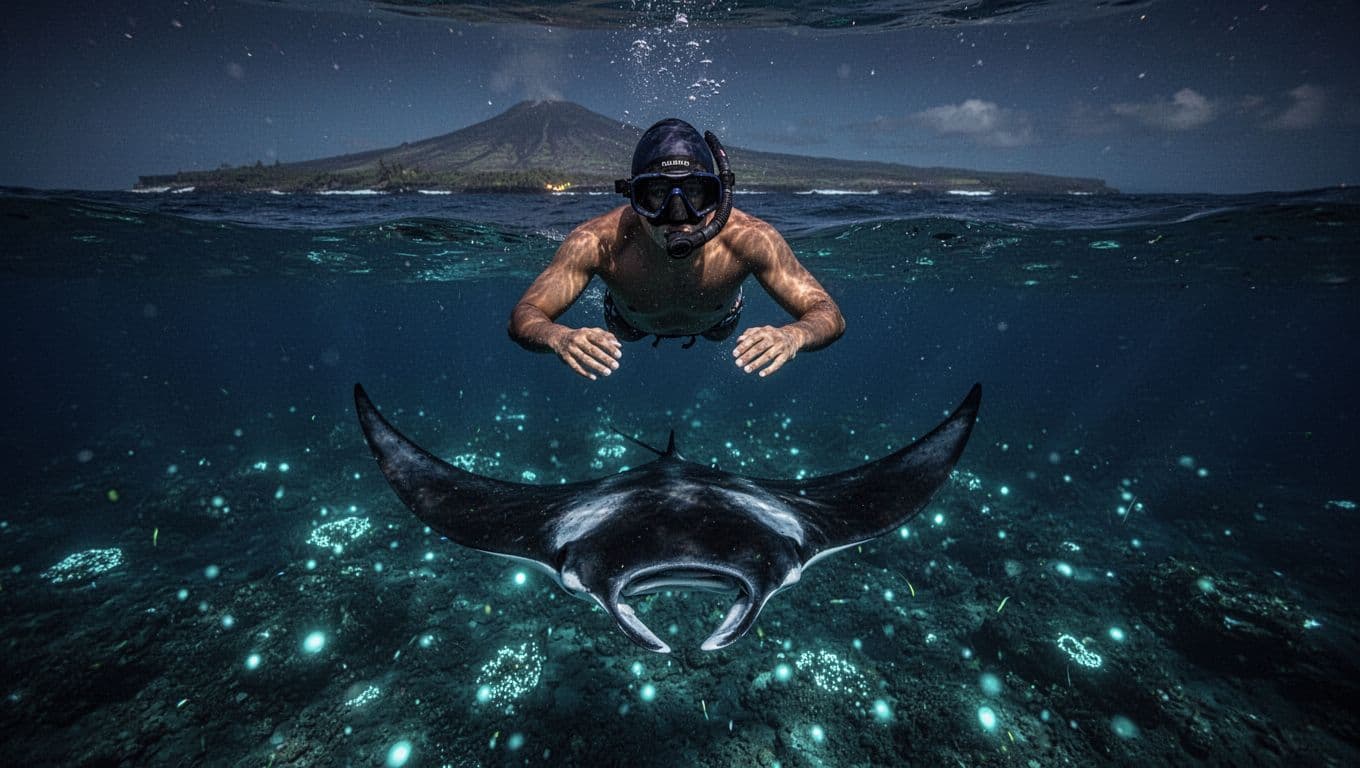
Choosing the Best Swim Cap for Kona
Your best cap is the one that stays comfortable for the full experience. You may wear it during a boat ride, a safety briefing, time in the water, and the trip back to the harbor.
Silicone, latex, or fabric?
Silicone caps are smooth, durable, and easier to slide over wet hair than many latex caps. They also tend to pull less when you remove them. A silicone cap is a strong choice if you have thick, curly, or long hair.
Latex caps are thin and often fit snugly. They can work well, but they may pull hair during removal. People with latex sensitivity should choose silicone or fabric instead.
Fabric caps made from nylon or Lycra feel soft and comfortable. They are also easier for children to put on. Since fabric absorbs water, however, it offers less protection from wet hair and may shift more easily under a mask strap.
Avoid caps with loose decorations, stiff seams, or bulky shapes. Those features can interfere with your mask, snorkel strap, or flotation equipment.
Find a comfortable fit
A cap should feel secure without causing a headache. If you notice pressure around your temples before entering the water, the fit probably isn’t right for a nighttime excursion.
Wet your hair first, then gather it into a low ponytail or braid if needed. Stretch the cap open with both hands and pull it over the back of your head. Smooth out folds around your ears and forehead.
Your mask strap can sit over the cap, but the mask skirt should still rest on bare skin. Check the fit by inhaling gently through your nose after placing the mask. If the mask moves or leaks, adjust the cap edge rather than tightening the strap too much.
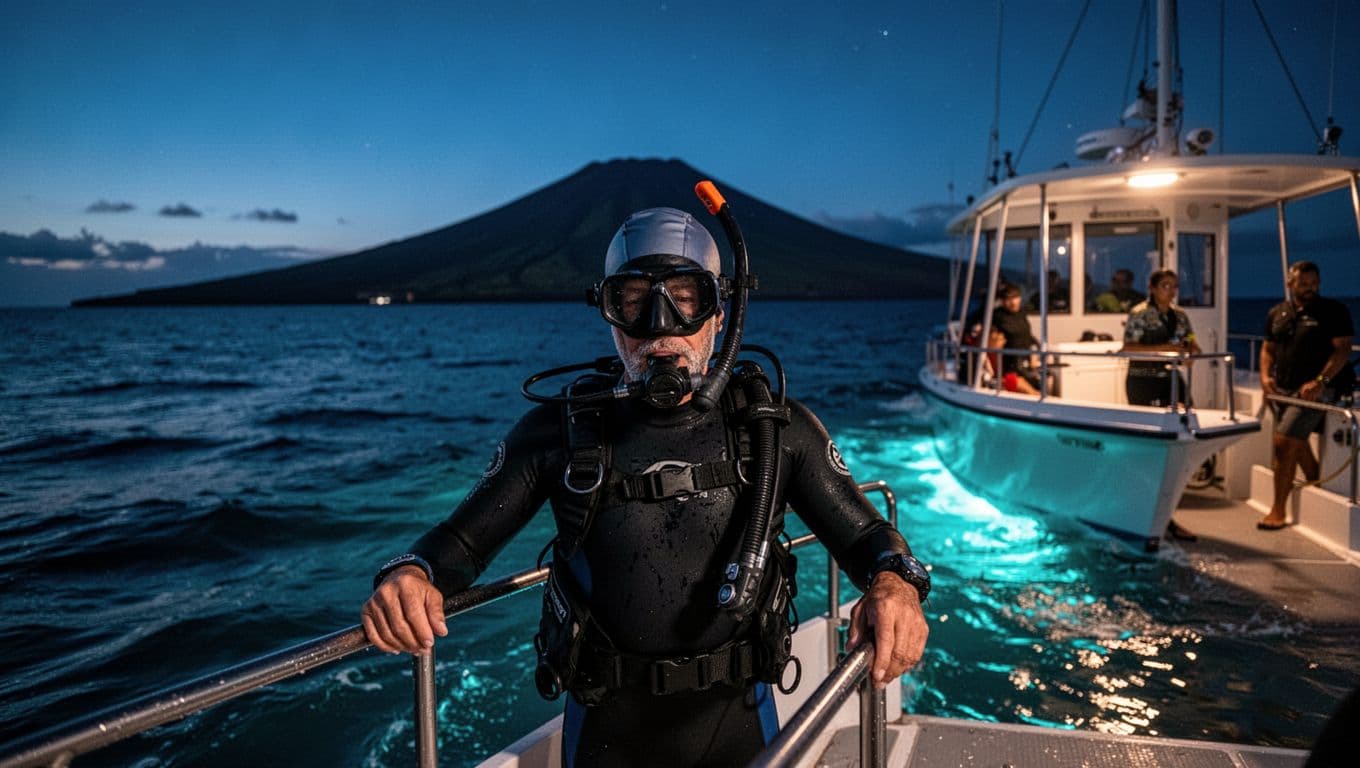
What to Wear With Your Swim Cap
A cap is only one part of your nighttime snorkeling setup. Your mask, snorkel, swimsuit, flotation support, and thermal layer all affect how relaxed you feel in the water.
Start with a secure base layer
Wear a swimsuit that stays in place when you climb a boat ladder or float on your stomach. A rash guard can protect your shoulders from sun exposure during the boat ride and add light warmth.
Some operators provide wetsuit tops, while others recommend that you bring or rent one. Ask before your trip, especially if you get cold easily. A thin neoprene layer usually provides more warmth than a swim cap.
Skip loose cotton shirts. They become heavy when wet and can bunch beneath a flotation device. Loose jewelry also creates a snag risk, so leave necklaces, dangling earrings, and bracelets at your accommodation.
Your sunscreen should be appropriate for Hawaii’s ocean environment. Apply it before boarding and follow the operator’s instructions about products allowed in the water.
Keep the small gear simple
A guided tour may provide masks, snorkels, fins, flotation equipment, and lights or lighted viewing boards. Policies vary, so check what comes with your booking instead of packing unnecessary gear.
If you own a mask that fits well, ask whether you can bring it. Familiar equipment can help if you already know how it feels on your face. Still, let the guide inspect it before you enter the water.
When you snorkel Big Island waters after dark, visibility depends on the lights and your ability to stay calm. A clear mask, a comfortable snorkel, and equipment that doesn’t slide are more useful than extra accessories.
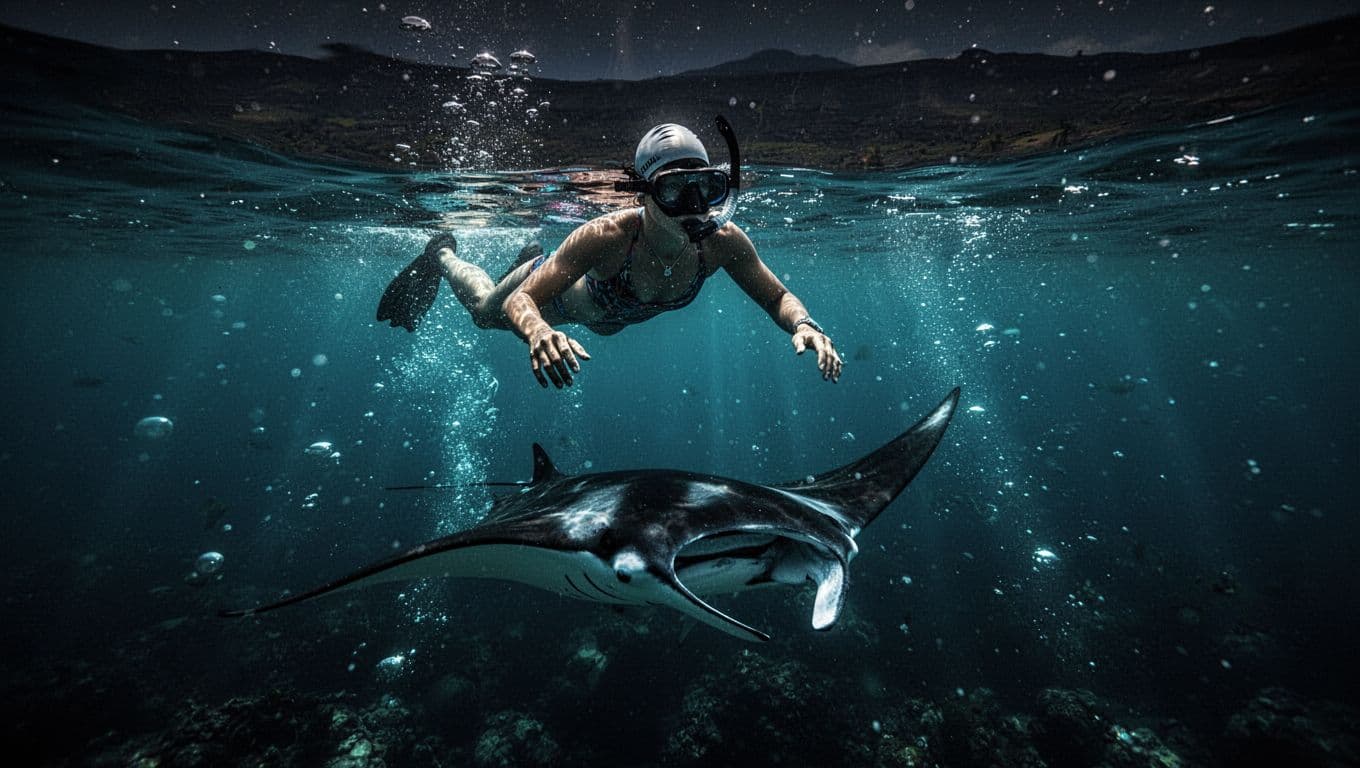
How the Manta Ray Night Snorkel in Kona Works
A guided night snorkel uses lights to gather plankton near the surface. Manta rays follow that food source and glide through the illuminated water.
Lights attract plankton, not the mantas
Manta rays are filter feeders. They move through the water with their mouths open, filtering tiny organisms from the sea. The lights help concentrate plankton in one area, which can bring rays close to the viewing site.
You don’t need to feed, touch, or chase the animals. Their movements are independent, and sightings can change with ocean conditions. A responsible operator describes the encounter as a wildlife experience, not a guaranteed performance.
A Kona marine-life tour overview explains why post-sunset boat trips along the west side of the island are popular with visitors seeking marine-life encounters.
You stay at the surface
After a briefing, you typically enter the water and hold onto a flotation board or viewing platform. The lights shine below you while you float face down and watch the rays pass underneath.
You don’t need to dive down. In fact, staying at the surface helps you keep a safe position and gives the animals room to move. Your guide may ask you to keep your body horizontal, avoid kicking, and leave your fins behind the viewing area.
The swim cap helps by keeping hair away from your face while you remain still. That small comfort can make it easier to maintain a relaxed position for the duration of the encounter.
Manta Ray Safety and Wildlife Etiquette
Your behavior affects both your safety and the quality of the encounter. Manta rays are large, graceful animals, but they still need room to turn, glide, and feed.
Keep your hands, fins, and equipment controlled
Never touch a manta ray, even if it swims close. Contact can remove its protective coating and disrupt its natural behavior. A close pass is exciting enough without reaching toward the animal.
Keep your hands on the flotation support or relaxed at your sides. Avoid sudden movements, underwater chasing, and attempts to block a ray’s path for a photograph.
Fins need extra care. Follow the guide’s instructions about whether to wear them and how to position your legs. If you do use fins, keep them behind you and away from the animals.
NOAA’s wildlife interaction standards recommend guided oversight and compliance with established manta viewing practices. Those rules protect the animals while helping you stay aware of your surroundings.
Tell the guide when you need help
Adjusting a mask in the dark can feel stressful. Signal the guide instead of swimming away or standing up quickly. The crew can help you clear a leak, reposition your snorkel, or return to the boat if you feel uncomfortable.
Tell the crew about motion sickness, swimming concerns, injuries, or medical conditions before departure. You should also speak up if you feel cold, tired, anxious, or disoriented.
A ethical manta snorkeling guidance resource explains why maintaining distance and avoiding contact matter during these encounters. The same habits make the experience calmer for you.
Prepare Before You Reach the Dock
The easiest night snorkel starts with a few practical choices at home or at your hotel. You don’t need a large bag, but you do need the right basics.
Handle your hair before boarding
Wash out excess conditioner, oil, or styling product before the trip. Tie long hair loosely and place the cap where you can reach it easily. If you have thick hair, a silicone cap usually slides on more smoothly when your hair is damp.
Bring a second hair tie without metal pieces. Metal can pull hair and become uncomfortable beneath a cap or mask strap.
Pack dry clothes in a waterproof bag. Include a warm layer for the return boat ride, since wind and wet skin can feel cool after sunset. A towel, water bottle, and simple face covering can also make the ride back more comfortable.
Allow time for the safety briefing
Arrive early enough to listen without rushing. The crew will explain how to enter and exit the boat, use the flotation support, communicate in the water, and respond if conditions change.
Snorkeling Big Island reefs after sunset requires more attention to body position than a casual daytime swim. You may not see the boat, other swimmers, or equipment as clearly once you’re in the water. The briefing gives you a clear plan before the lights go on.
Avoid alcohol before entering the ocean. Eat a light meal if you tend to feel motion sick, and follow the label or your healthcare provider’s advice for any medication you use.
How to Choose a Kona Manta Tour
Tour quality depends on more than the chance of seeing a ray. Look for clear safety procedures, well-maintained gear, qualified guides, and an operator that respects the marine environment.
Check the guide and equipment standards
Ask whether guides hold lifeguard or water-safety certifications. You should also know what flotation equipment is available and whether the crew provides a detailed briefing before you enter.
A good operator keeps the viewing area organized. Guides should monitor swimmers, boat traffic, equipment placement, and the animals’ behavior at the same time.
Read the booking information for departure location, trip length, age requirements, cancellation rules, and weather policies. Those details matter if your plans are tight or if someone in your group has limited ocean experience.
Look for small-group service and reef care
Kona Snorkel Trips follows a “Reef to Rays” philosophy. The company focuses on small-group service, guest safety, reef education, and responsible wildlife encounters.
Its lifeguard-certified guides use high-quality snorkeling equipment and custom-built lighted boards for nighttime manta viewing. The company also teaches reef-safe practices and treats the volcanic marine environment as part of the experience, not as a backdrop.
You can review the company’s Big Island snorkeling tours before comparing departure times and trip options. If your priority is personal attention, ask how many guests the boat carries and how the crew supports nervous or first-time snorkelers.
For a Kona Snorkel Trips booking, you can review available dates here:
Who Benefits Most From a Swim Cap?
A swim cap is especially helpful for guests with long hair, thick curls, or a strong dislike of cold, wet hair. It can also make mask fitting easier for children who become distracted by hair around their face.
Long hair and children
A cap keeps strands away from the snorkel mouthpiece and mask skirt. That can reduce repeated adjustments, especially when your hair is long enough to float forward while you watch the rays.
For children, prioritize comfort over a tight fit. Let your child try the cap before the trip. If the material feels scratchy or restrictive, a loose braid may work better.
A cap doesn’t replace adult supervision, flotation equipment, or a properly fitted mask. Children should follow the guide’s instructions and stay with the group throughout the experience.
When you may skip the cap
You may not need a cap if you have short hair, feel warm easily, or find headwear uncomfortable. Some swimmers prefer a soft headband or a low braid instead.
Skip any cap that blocks your ears, presses into your mask, or makes you overheat. You should be able to hear your guide and communicate comfortably. If the cap interferes with your equipment, remove it before entering the water.
The goal is a calm, secure setup. A swim cap is useful only when it supports that goal.
A Simple Kona Night Snorkel Packing Checklist
Use this short list before leaving your accommodation:
- Pack a comfortable silicone or fabric swim cap if you plan to wear one.
- Wear a secure swimsuit and bring a rash guard or warm layer.
- Carry a spare hair tie without metal pieces.
- Bring dry clothes, a towel, and a waterproof bag for your phone and valuables.
- Leave jewelry and loose accessories on land.
- Check which mask, snorkel, fins, flotation gear, and thermal layers your operator supplies.
- Read the weather, cancellation, and swimming requirements before departure.
You can also bring an approved underwater camera, but don’t let photography distract you from body position or wildlife rules. Keep the camera close to your body and follow any instructions about flashes, distance, and equipment.
If you want to book a manta trip with Kona Snorkel Trips, you can check availability before finalizing the rest of your itinerary.
For the tour itself, pack patience. Manta rays may glide beneath you within minutes, or conditions may require a longer wait. Your guide controls the setup, while your job is to stay comfortable, calm, and respectful.
Conclusion
The right swim cap keeps hair controlled, supports a comfortable mask fit, and reduces the chill of wet hair after sunset. Choose a cap that fits gently, keep its edge outside the mask seal, and pair it with secure swimwear and the thermal gear your operator recommends.
During your manta ray night snorkel, calm movement matters more than expensive accessories. Listen to your guide, protect the animals’ space, and let the illuminated water bring the encounter to you.