
Best Months for a Manta Ray Night Snorkel in Kona

Your choice of month can shape a manta ray night snorkel in Kona, but you don’t need to guess blindly. Kona Snorkel Trips offers guided nighttime encounters with lifeguard-certified guides, quality equipment, and custom-built lighted boards.
A manta ray night snorkel runs year-round because Kona’s manta rays live along the coast throughout the year. Still, April through October usually brings calmer seas and clearer visibility. For another local planning perspective, you can compare Manta Ray Night Snorkel Hawaii’s seasonal guide before choosing your dates.
Best Months for a Manta Ray Night Snorkel in Kona
The best overall window is April through October, with June through August offering the most predictable summer conditions. During these months, lighter winds and smaller swells often make the boat ride and time in the water more comfortable.
A helpful Kona manta viewing overview also treats the experience as a year-round activity, with ocean conditions playing a bigger role than manta migration.
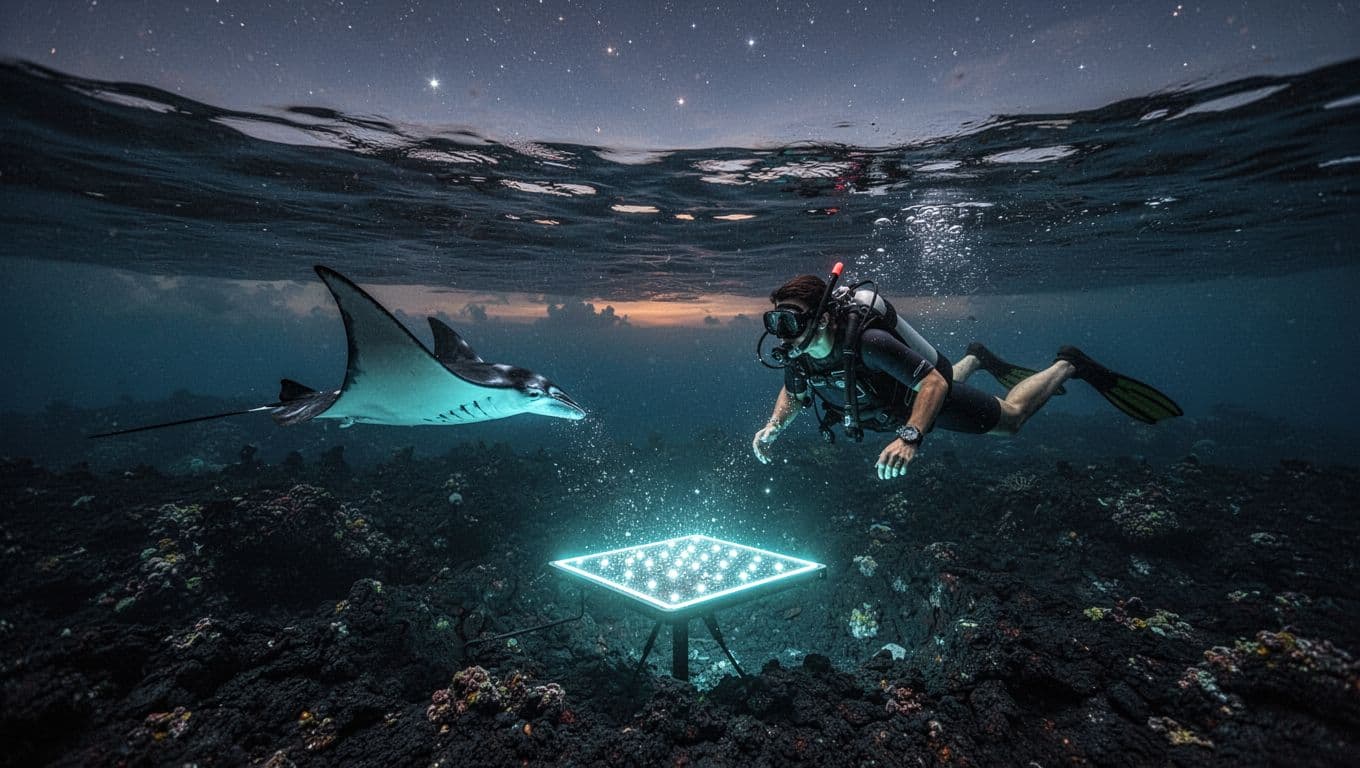
April and May offer a strong shoulder-season choice
April and May are excellent choices if you want improving weather without planning around the busiest summer period. Water temperatures remain warm, while spring conditions often bring better visibility than the rougher winter months.
Whale season may also continue into April and, in some years, May. That gives you a chance to combine two memorable marine experiences, although whales don’t affect whether mantas appear at the nighttime viewing site.
These months work well for couples, families, and first-time snorkelers who want comfortable conditions but prefer some flexibility in their schedule.
June through August usually brings the calmest conditions
June, July, and August are often the most dependable months for smooth water, warm temperatures, and clear views below the surface. If you want the best odds of an easy boat ride, this is the strongest part of the calendar.
Summer also works well when you’re building a full vacation around ocean activities. You can plan a daytime reef trip, rest during the afternoon, then join a manta ray night snorkel after sunset.
September and October remain good options. Conditions can still be calm, and these months may suit travelers looking for a quieter period after the main summer rush.
Can You See Mantas During Winter?
Yes. Kona manta rays are present in every season, so November through March can still produce an outstanding encounter. Winter doesn’t eliminate your chances. It can, however, bring stronger winds, larger swells, and a higher possibility of uncomfortable conditions or a canceled departure.
Mantas are present year-round; the calendar mostly changes your odds of calm water, not whether the animals exist.
November through March requires more flexibility
Winter travelers should keep at least one backup evening available. If conditions become rough, your operator may recommend moving the trip to another night for a safer and more comfortable experience.
January through March can be especially appealing if you want to add whale watching to your trip. However, those months also overlap with Hawaii’s peak humpback season and can bring less predictable ocean conditions.
If you want to combine both animals in one itinerary, review Kona whale watching tours and ask about current availability.
Whale season adds another reason to plan carefully
NOAA identifies January through March as the usual peak for humpback abundance in Hawaii. The agency also states that boats must remain at least 100 yards from whales. You can read the full rules in NOAA’s whale boating guide.
Whale activity doesn’t make a manta snorkel better or worse. Instead, it affects how your boat operates in the wider coastal area. Your captain and crew should follow the required distance and avoid changing course to pursue wildlife.
What Affects Your Nighttime Manta Experience?
Your month matters, but the conditions on the actual evening matter more. Wind, swell, visibility, and your comfort in the water can shape the experience more than a date on the calendar.
Mantas respond to local food conditions, especially the availability of plankton. Artificial lights attract plankton toward the surface, which brings manta rays close to the viewing area.
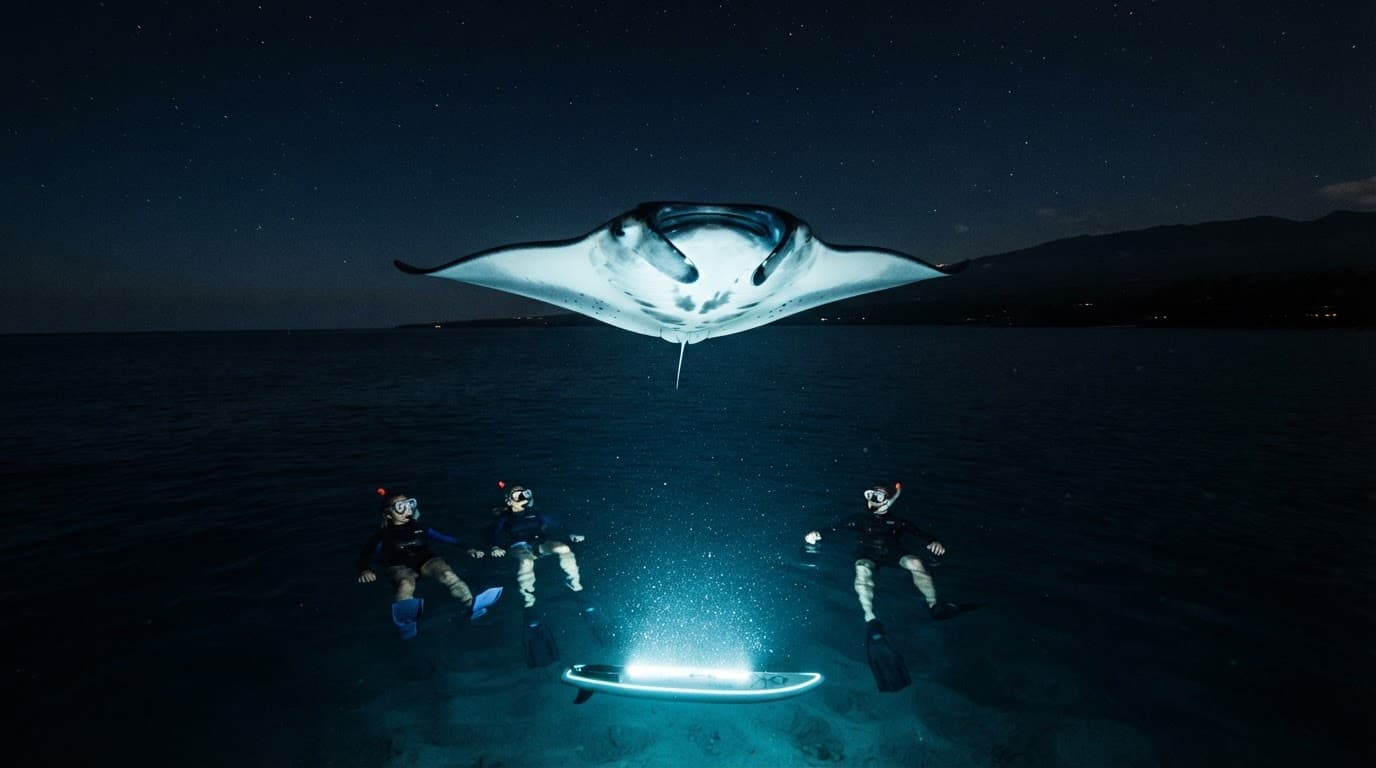
Calm seas make the experience easier
Calm water helps you relax, hold your position, and focus on the animals below. It also improves the boat ride, which matters if you’re traveling with children or anyone who gets seasick.
Kona’s leeward coast often provides more sheltered conditions than other parts of Hawaii. Even so, the ocean can change quickly. Your guide should check the forecast and local sea state before departure.
Warm water also makes summer comfortable for most swimmers. Bring a light cover-up for the boat ride because the air can feel cool after you leave the water.
Moon phase matters less than wind and visibility
Some local guides favor darker lunar phases because a darker sky can make the underwater lights stand out more clearly. However, the moon doesn’t control manta presence, and a full-moon trip can still be excellent.
Prioritize the operator’s safety judgment, current weather, and your own comfort. If you have several open evenings, then choosing a darker moon phase can be a useful secondary preference.
A reliable operator also explains how to float calmly, keep your fins away from the reef, and avoid touching the mantas. You are there to observe their natural feeding behavior, not interrupt it.
How to Choose a Kona Manta Ray Tour
The right tour depends on more than the month. Group size, guide experience, equipment, departure timing, and cancellation policies all affect your night on the water.
Look for trained guides and small groups
Kona Snorkel Trips follows a “Reef to Rays” philosophy that combines marine education, safety, and responsible wildlife viewing. Its Lifeguard Certified guides work with small groups rather than packing guests into an impersonal experience.
The company provides high-quality snorkeling gear and custom-built lighted boards for nighttime manta encounters. Guides also explain local reef conditions and reef-safe behavior before you enter the water.
You can review the full Kona manta ray night snorkel experience when comparing departure details.
Match the trip to your group’s comfort level
Ask about water entry, flotation support, tour length, and minimum age before booking. A nervous swimmer may enjoy a guide who stays close and gives clear instructions. Confident swimmers may prefer more time observing the mantas without frequent movement around the board.
Private trips can also help when your group has mixed abilities or a specific schedule. With private Kona boat tours, you can ask about a custom plan that includes reef snorkeling, wildlife watching, or a private manta experience.
When your date is set, you can check availability with Kona Snorkel Trips.
For a dedicated manta departure, you can also check availability for the nighttime tour.
Plan the Rest of Your Big Island Snorkeling Trip
A manta encounter usually takes place after sunset, so you can use the daylight hours for reefs, beaches, and coastal sightseeing. Avoid scheduling a demanding activity immediately before the night tour if you want to arrive rested.
Add a daytime reef trip
If you’re snorkeling Big Island Hawaii, Kona’s west coast gives you access to clear water and several well-known marine areas. A daytime trip to Kealakekua Bay snorkeling offers a different setting, with bright underwater visibility and time to explore reef habitat near the Captain Cook Monument.
When you want to snorkel Big Island waters, keep your plans flexible. Wind can affect one coastline while another area remains comfortable, so local guidance is more useful than relying on a fixed schedule.
Pack for comfort and responsible wildlife viewing
Bring a swimsuit, towel, reef-safe sun protection, and a dry layer for the ride home. If you use prescription medication, pack it in a waterproof container. Motion-sickness treatment works best when you take it according to medical guidance before the boat departs.
Your snorkeling Big Island plans should also include simple reef etiquette. Keep your hands off coral and marine life, avoid standing on the reef, and maintain a calm body position near the light board. Never chase or touch a manta ray.
Conclusion
April through October gives you the best balance of calm seas and clear visibility, while June through August usually offers the most consistent conditions. Winter can still deliver a memorable encounter because Kona’s manta rays remain in the area year-round.
Choose a flexible date, give yourself room to move the trip if conditions change, and select a company that takes safety and reef care seriously. With the right planning, your manta ray night snorkel can become the highlight of your Kona trip.