
Kealakekua Bay Snorkeling: Coral Heads at Work
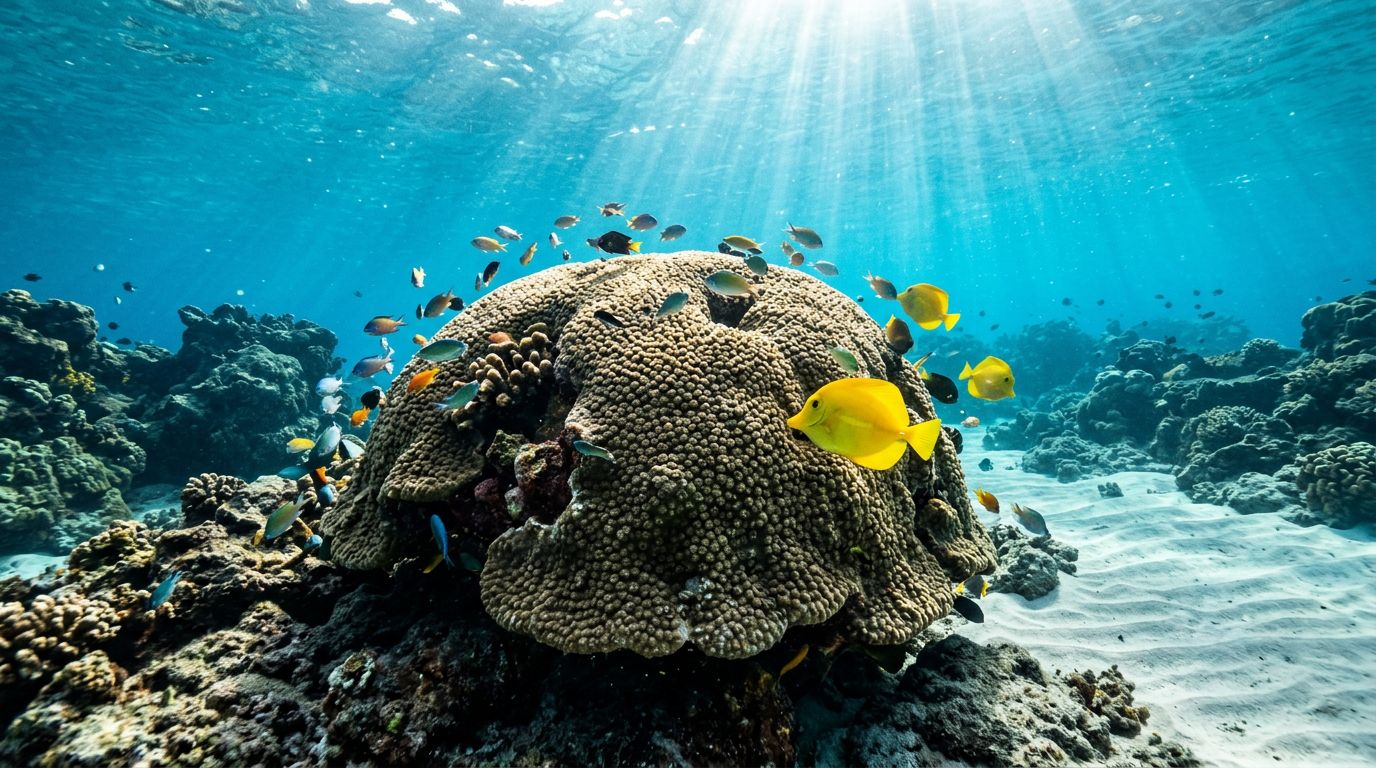
Kealakekua Bay snorkeling gives you more than clear water and colorful fish. Every rounded coral head forms a small underwater neighborhood, with feeding grounds, hiding places, shaded ledges, and nursery space packed into a limited area.
When you understand how that structure works, you start seeing the reef differently. Instead of scanning for one large animal, you can read the coral and predict where fish are likely to feed, rest, or disappear. Start with the reef itself.
Why Kealakekua Bay snorkeling reveals so much life
Kealakekua Bay sits along the sheltered west coast of Hawaii Island. Its volcanic cliffs, protected waters, and shallow reef areas create favorable conditions for marine life and visitors.
The bay is also part of a Marine Life Conservation District. That protection doesn’t remove every natural challenge, such as waves, currents, or changing visibility. It does limit harmful activities and gives coral communities and fish a better chance to remain in place.
NOAA’s coral reef overview explains why healthy reefs matter across the ocean. Around Kealakekua Bay, you can see that relationship at snorkel depth.
A protected volcanic setting
The seafloor around the bay includes lava rock, coral growth, sandy patches, and deeper channels. Coral colonies attach to hard surfaces, then build upward and outward over time.
That shape creates a more useful habitat than a flat bottom. Small fish can tuck into cracks, while larger fish graze over the sunlit surfaces. Sandy edges give bottom-feeding species another place to search for food.
Kona Snorkel Trips takes guests into this environment with small-group guided trips, quality snorkeling equipment, and lifeguard-certified guides. The company’s “Reef to Rays” philosophy combines ocean education, safety, and reef-friendly behavior. You can compare Big Island snorkeling tours when deciding which kind of outing fits your group.
Kaawaloa Cove and the Captain Cook Monument
Many visitors associate Kealakekua Bay with Kaawaloa Cove and the Captain Cook Monument across the water from the historical park. The cove’s reef habitat attracts attention because fish often gather around the rocky and coral structure.
You may see schools moving across the reef, individual fish guarding feeding areas, or small animals vanishing into holes as you approach. The best views often come when you slow down and observe one coral head for several minutes.
What a coral head really is
A coral head looks like a rock covered with color, but that description misses its living structure. It may contain one large coral colony, several colonies growing together, or coral built over an older volcanic surface.
A living colony on volcanic rock
Hard corals are made of tiny animals called polyps. Each polyp builds a calcium carbonate skeleton, and generations of polyps add layers to the colony.
The coral’s relationship with microscopic algae also matters. These algae help provide energy through photosynthesis, while the coral offers a protected home. Sunlight, water quality, temperature, and physical stability all affect how well the colony grows.
A coral head can have a rounded dome, branching arms, shelves, grooves, or rough walls. Each shape changes how water moves around it and how fish use the space.
Reef structure creates shelter
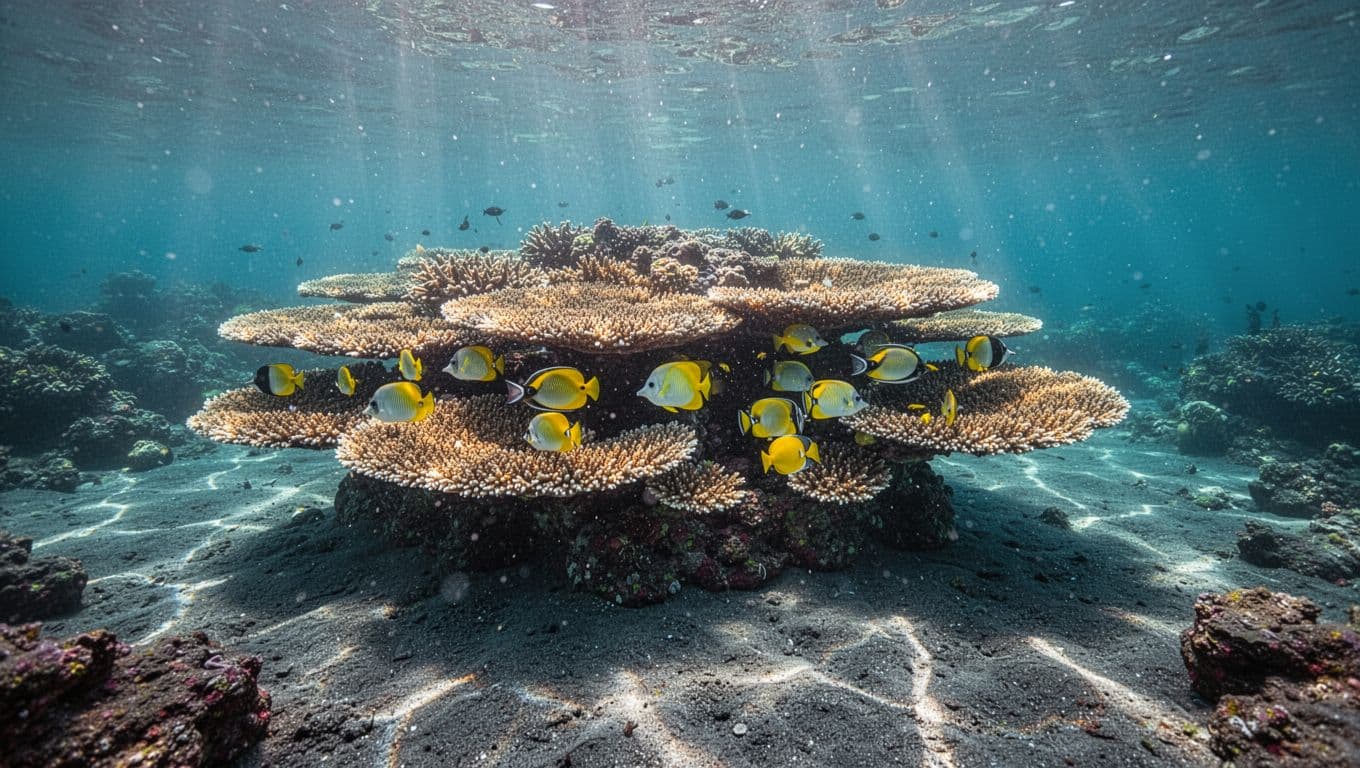
A flat reef gives fish fewer places to hide. A large coral head creates hundreds of surfaces and spaces, including overhangs, narrow cracks, shaded undersides, and protected pockets.
That structure helps smaller fish avoid predators. It also gives territorial species a clear area to defend. Even a small opening can provide shelter during strong water movement or nighttime rest.
When you snorkel above a coral head, look for movement at different depths. Fish near the top may feed in the sunlight, while smaller fish remain close to the sides.
How coral heads create fish habitat
Coral heads support fish in several connected ways. They provide food, shelter, territory, and places for young animals to grow.
Food grows on the reef surface
Many reef fish feed directly on material that grows across coral and rock. Surgeonfish and tangs graze on algae. Parrotfish scrape surfaces while feeding, helping control algal growth and turning some of the material into sand.
Butterflyfish often pick at small invertebrates or coral-associated food. Wrasses search across the reef for prey, while other species feed in the water above the coral.
This means the coral surface is more than scenery. Its texture creates feeding opportunities. A rough, healthy-looking coral head can support a wider range of food sources than a bare patch of rock.
Crevices protect young fish
Small fish need cover because open water leaves them exposed. Coral heads provide narrow spaces that larger predators cannot easily enter.
Juvenile fish may spend much of their time near crevices or beneath ledges. As they grow, they can move into wider channels and begin using more of the reef. The same coral formation can therefore serve different life stages.
A study published in Scientific Reports examined links between reef structure and fish communities. Its findings connect greater habitat complexity with higher fish richness and abundance in shallow tropical habitats. You can read the research on coral reef structural complexity for a closer look at that relationship.
Fish use different parts of one coral head
Fish don’t all use the reef in the same way. Some stay close to the surface and feed in bright water. Others hover beside the coral, dart into holes, or patrol the shaded side.
That separation reduces competition. One coral head can support grazing fish on top, small prey species inside cracks, and predators along the outer edge.
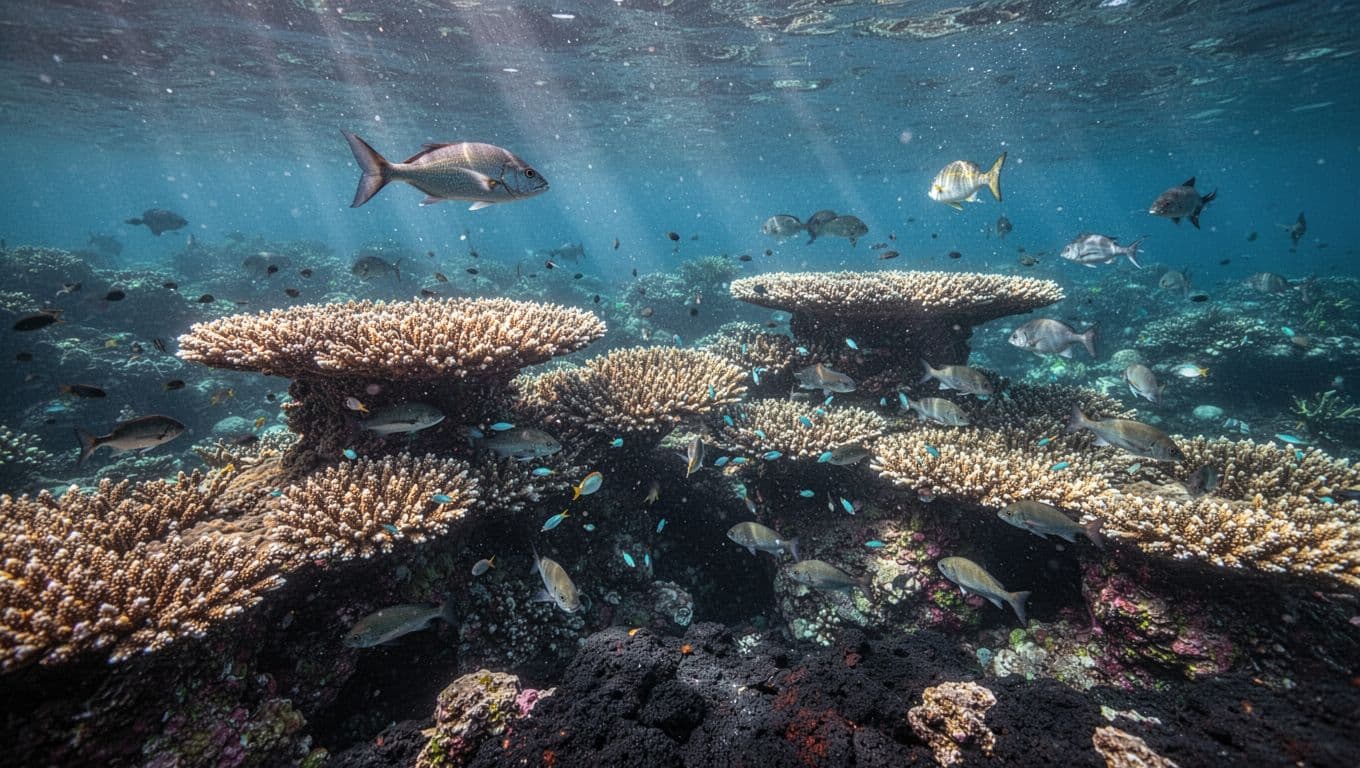
Research archived by NOAA also connects complex reef habitat with better survival among small-bodied reef fish. The NOAA research report on coral reef fish communities shows why the shape of the habitat matters, not only the amount of coral present.
How to read the reef while snorkeling
You don’t need an identification guide to learn from a coral head. Start by watching how fish relate to the structure around them.
Look across the top first
The upper surface receives the most sunlight and often attracts grazing fish. Watch for yellow tangs, convict tangs, and other fish moving in short passes across the coral or rock.
Some fish feed alone, while others move with a loose group. Notice whether they return to the same area. Repeated movement can indicate a feeding patch or defended territory.
Keep your face in the water for a full minute before moving on. Fish often return after you stop kicking and reduce your shadow.
Check the sides and shaded areas
The side of a coral head can be more interesting than its top. Look for small fish hovering close to cracks, especially where light fades into blue shade.
Avoid swimming directly over every opening. Your shadow and fins can cause animals to retreat. Instead, approach slowly, pause several feet away, and let your eyes adjust.
The most active fish may be near the coral’s edge, while the smallest fish stay in the darker spaces behind it.
Watch the sand and reef boundary
The boundary between coral and sand supports a different set of behaviors. Fish may search the bottom for food, cross between coral formations, or use the open patch to move from one shelter to another.
That transition also makes fish easier to see. Against the sand, their shapes stand out. You may notice wrasses, goatfish, or larger reef fish cruising past the coral.
| Reef zone | What it provides | What you may notice |
|---|---|---|
| Sunlit top | Algae and feeding surfaces | Tangs and grazing fish |
| Coral sides | Cover and territory | Butterflyfish and territorial species |
| Crevices | Protection from predators | Juvenile and small reef fish |
| Sandy edge | Foraging space and travel routes | Wrasses, goatfish, and passing fish |
Planning a Kealakekua Bay snorkeling trip
Good planning helps you spend more time observing the habitat and less time dealing with avoidable problems.
Choose the right access
You can reach the bay by boat, kayak, or land access, depending on current rules, conditions, and your physical ability. A boat trip is often the most practical choice for families, couples, and visitors who want to reach the reef without a long approach.
A guided boat also gives you a crew that can monitor weather, water movement, and group needs. That matters because conditions can change even when the shoreline looks calm.
If you’re researching snorkeling Big Island Hawaii options, compare the access method as carefully as the destination. A beautiful reef is less enjoyable when the entry requires more swimming or hiking than your group expected.
Check conditions before you go
Clear water doesn’t guarantee easy water. Wind, swell, current, rainfall, and boat traffic can affect visibility and comfort.
Listen to the guide’s briefing before entering the water. Stay within the designated area, keep track of the boat, and tell the crew if you feel tired, cold, anxious, or uncomfortable.
Strong swimmers should also avoid treating the bay like a swimming pool. Ocean conditions can change quickly around points, channels, and exposed sections of coastline.
Match the trip to your group
Families should consider flotation support, water confidence, and the age of each swimmer. Children often enjoy the reef more when an adult stays close and helps them pause instead of chasing fish.
Couples may prefer a smaller group with time for quiet observation. Private groups can choose a slower pace, spend longer at one location, or adjust the outing around different comfort levels. Private Kona boat charters can work well when your group wants more control over the day.
If you want to snorkel Big Island waters without rushing between sites, ask how long the boat usually stays in the water. Time at one healthy reef often teaches you more than a quick stop at several locations.
Choosing a guided Captain Cook trip in Kona
A guided trip can add context that you would miss while swimming alone. Your guide can point out coral shapes, explain fish behavior, and help you keep a safe distance from the reef.
What an experienced guide adds
A good guide watches the group while reading the conditions. That includes checking entry points, keeping less-confident swimmers supported, and adjusting the route when visibility or current changes.
Guides also know when to stop moving. Fish become easier to observe when you aren’t kicking hard or gathering around a single hole. A guide can show you where to look without encouraging you to chase wildlife.
The Kealakekua Bay Captain Cook snorkel tour from Kona Snorkel Trips includes access to this famous reef area, quality gear, and guides who share information about the marine life and local history.
Kona Snorkel Trips’ small-group approach
Kona Snorkel Trips has built its five-star reputation around personal service, safety, and small-group ocean trips. Its lifeguard-certified guides focus on clear instructions, well-maintained equipment, and respectful encounters with the reef.
The company follows a “Reef to Rays” approach, so the experience includes more than time in the water. You learn how to observe without touching, how to use your fins near coral, and why the bay’s habitat deserves protection.
If this type of outing suits your plans, you can check availability.
Another Captain Cook option
Captain Cook Snorkeling Tours is another company focused on trips to Kealakekua Bay and the Captain Cook area. You can review its offerings at Captain Cook Snorkeling Tours while comparing departure times, group sizes, and what each trip includes.
For a Kona Snorkel Trips Captain Cook excursion, you can check avaialbility.
Protecting coral heads while you snorkel
Coral heads grow slowly and can break easily. Your behavior in the water affects the habitat, even when you don’t notice contact.
Keep your body off the reef
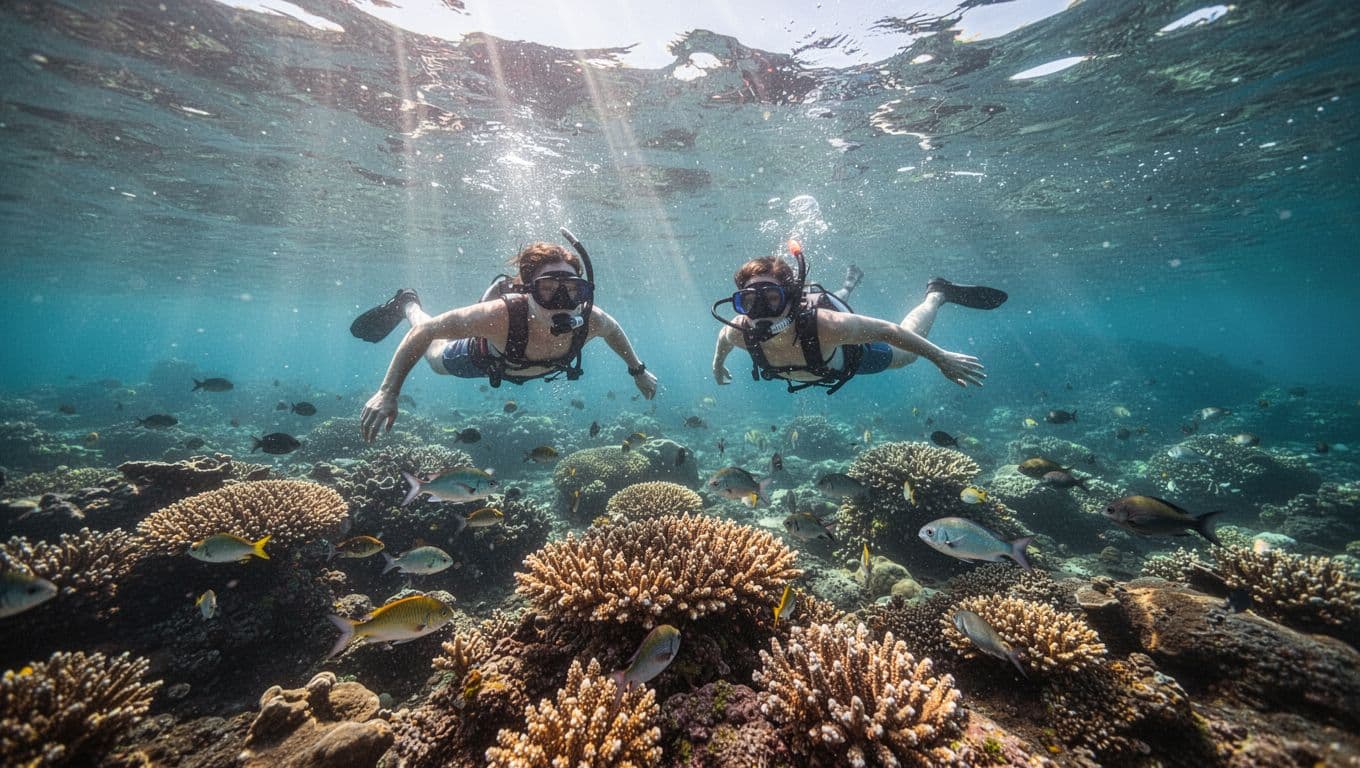
Never stand on coral, hold onto a coral head, or rest your hands on a rocky ledge covered with living growth. Keep your fins behind you and use a relaxed kick that stays above the reef.
If you need to stop, float in open water or use support provided by the boat. Ask a guide for help rather than reaching for the nearest coral formation.
A rash guard can reduce the amount of sunscreen you need. When you use sunscreen, apply it well before entering the water and follow local guidance about reef-friendly products.
Leave wildlife enough space
Fish may tolerate a nearby snorkeler, but they still need room to feed and retreat. Don’t chase a turtle, block a crevice, surround one fish, or tap on coral to make animals move.
Never feed fish or collect rocks, shells, coral, or other marine life. Hawaii’s official Kealakekua Bay Marine Life Conservation District rules explain prohibited activities in the protected area. You can also review the state’s Hawaii fishing regulations before your visit.
Help your group move carefully
Tell children and first-time swimmers why coral matters before they enter the water. A short explanation can prevent accidental contact.
Stay calm when fish approach. You don’t need to reach for them to have a close encounter. Slow movement gives you better views and reduces stress for the animals.
When you’re snorkeling Big Island reefs, your best contribution is simple: control your body, respect the rules, and leave the reef looking the way you found it.
Questions about coral heads at Kealakekua Bay
Are coral heads living animals?
Yes. A coral head is made from many tiny coral polyps, which are living animals. The mound or branching structure is the skeleton those polyps build over time.
The coral may look still, but it supports active biological processes. Polyps feed, interact with microscopic algae, and provide surfaces used by other reef organisms.
Why do fish gather around coral heads?
Coral heads combine food and shelter in one location. Algae and small invertebrates grow across their surfaces, while holes and ledges protect fish from predators.
The shape also creates boundaries. A fish can defend one section, feed on another, and retreat into cover when a larger animal passes.
Is Kealakekua Bay suitable for beginners?
It can be, but your experience depends on conditions, water confidence, and the entry method. Beginners should choose a guided trip, listen to the safety briefing, use flotation support when available, and avoid swimming beyond their comfort level.
You don’t need to dive below the surface to appreciate the reef. Much of the habitat activity happens at snorkel depth, especially around coral tops, sides, and sandy edges.
Conclusion
Kealakekua Bay snorkeling becomes more rewarding when you understand the coral heads beneath you. Their living surfaces provide food, while their cracks, ledges, and shaded sides give fish places to feed, rest, grow, and hide.
Slow down, watch how fish use each part of the reef, and keep your fins and hands away from coral. The clearest view often comes from giving the habitat space, because a healthy reef stays active when you observe it without disturbing it.