
How Long Is a Manta Ray Night Snorkel in Kona?
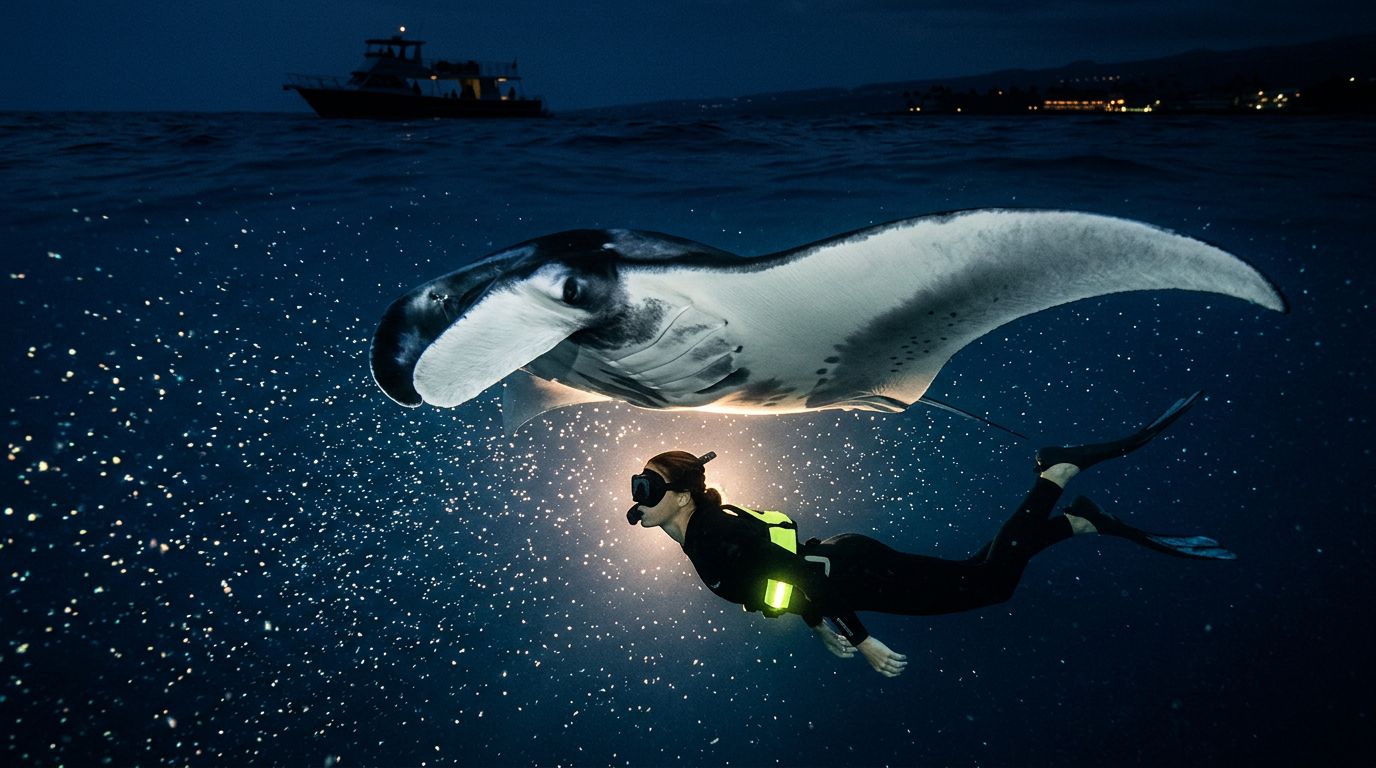
How long is a manta ray night snorkel in Kona? You should plan on about two hours for a standard tour, with roughly 40 to 60 minutes spent in the water.
The full schedule includes check-in, gear fitting, a safety briefing, boat travel, time with the mantas, and the return to the harbor. Tour times also change with sunset, so your departure may be earlier in winter and later in summer.
Once you separate total trip length from actual snorkel time, planning your evening becomes much easier.
How long is a manta ray night snorkel in Kona?
Most Kona manta tours take about 1.5 to 3 hours in total. The exact length depends on the departure harbor, boat route, viewing site, season, and whether you book a combination tour.
For a standard experience, two hours is the most useful planning estimate. Give yourself extra time before and after the reservation, especially if you have dinner plans, a long drive, or young travelers in your group.
Reserve two hours for a standard trip
Kona Snorkel Trips lists its manta ray night tour at two hours from Honokohau Harbor. That duration covers the full outing, not two hours floating beside the light board.
You’ll check in at the harbor, receive your equipment, listen to the guide’s instructions, travel to the viewing area, enter the water, and return to shore afterward. The boat ride may take longer on some routes than others.
A two-hour block gives you enough time to enjoy the experience without rushing through the briefing or harbor return.
Longer tours usually include more than manta viewing
Some Kona excursions last closer to three hours because they combine manta snorkeling with another activity. Kona Snorkel Trips offers a seasonal whale watch and manta snorkel combination during January and February, with a listed duration of three hours.
A longer itinerary can work well if you want to make one evening count. However, a standard manta trip is usually a better fit when you want a focused nighttime ocean experience and a more open schedule afterward.
Kona Snorkel Trips’ two-hour manta experience
Kona Snorkel Trips is a local ocean adventure company built around a “Reef to Rays” philosophy. Its standard manta tour uses Honokohau Harbor and is listed at two hours, with departure times adjusted to sunset.
The company has built a five-star reputation through small-group service, safety-focused operations, and knowledgeable Lifeguard Certified guides. You get quality snorkeling equipment, a shorty wetsuit, flotation support, and access to custom-built lighted boards that attract plankton near the surface.
A second local brand, Manta Ray Night Snorkel Hawaii’s Big Island guide, offers another useful reference when you compare Kona manta experiences and expected water time.
Small groups can make the schedule feel easier
A personalized group setting gives you more direct support during check-in, equipment fitting, and water entry. You won’t spend the evening moving through a large crowd with little help from the crew.
The guides also explain how to position yourself around the light board and how to watch the mantas without touching or chasing them. That preparation helps you settle into the water faster once the boat reaches the site.
The equipment is ready for nighttime conditions
You don’t need to bring your own mask, snorkel, or wetsuit. The tour includes those essentials, along with additional flotation for guests who meet the swimming requirements but want extra support.
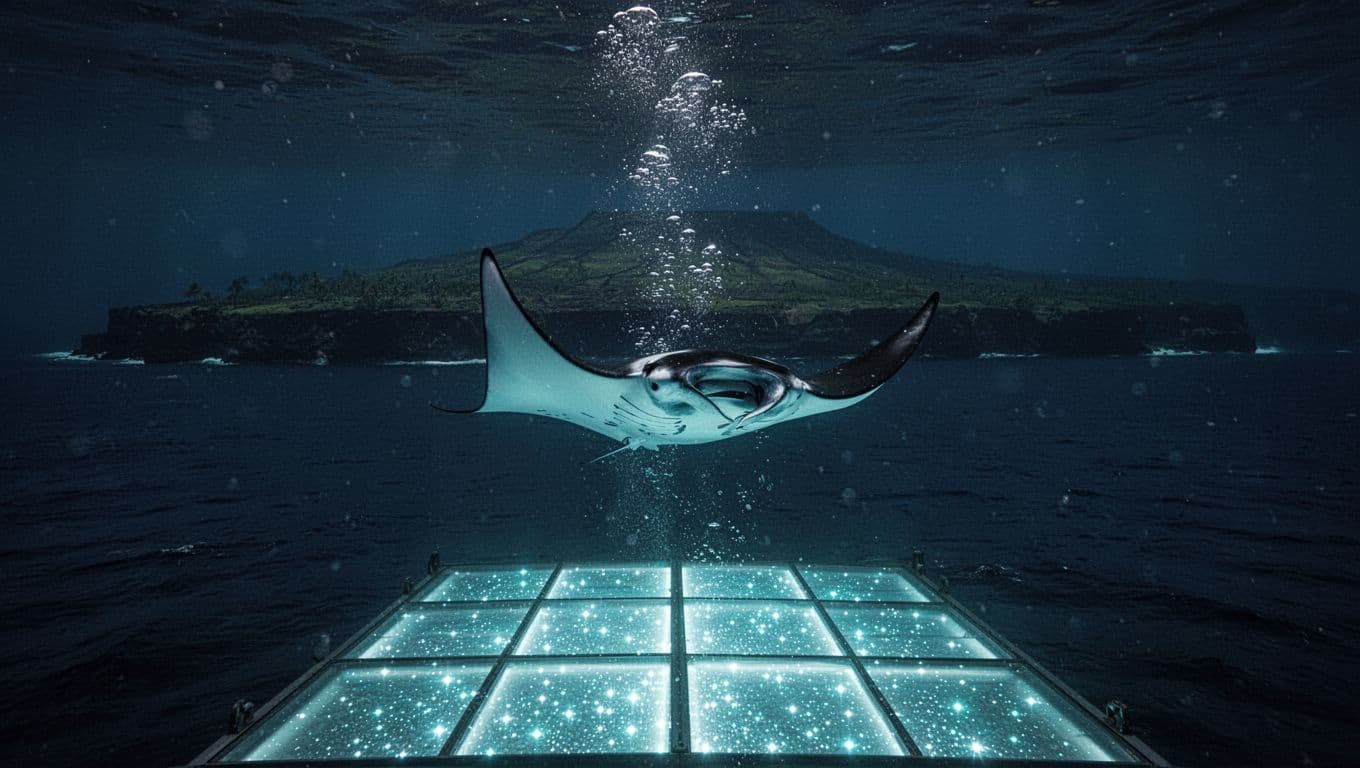
The lighted board is central to the encounter. Its illumination attracts plankton, which brings manta rays close to the surface for feeding. The rays glide through the light naturally, so you watch their movements rather than interact with them directly.
What happens during the two-hour experience?
The trip follows a clear sequence, although the exact timing depends on ocean conditions and how quickly everyone gets comfortable in the water.
You spend a short portion of the outing on land and in transit. The main viewing period takes place after sunset, when the underwater lights attract plankton near the surface.
Check-in and the safety briefing come first
After arriving at Honokohau Harbor, you meet the crew and prepare your gear. Your guide helps you check your mask, snorkel, wetsuit, and flotation equipment before you board or enter the water.
The briefing covers water entry, how to hold your position, what to do if you need assistance, and how to behave around manta rays. You’ll also learn why you should keep your hands to yourself and avoid blocking the animals’ path.
NOAA’s manta ray viewing standard provides similar guidance for responsible wildlife encounters in Kona.
The light board becomes your viewing station
Once you reach the site, you’ll enter the water and gather around a custom-built light board. The lights shine into the water, where plankton collects and manta rays may arrive to feed.
You might see one manta, several rays, or no animals during a particular outing. Mantas are wild creatures, so guides can’t control exactly when they appear or how long they stay.
During a good encounter, a manta may pass beneath you with its wide cephalic fins open. You can watch from the surface while the guide keeps the group organized and the animals undisturbed.
How much time do you spend in the water?
A two-hour tour doesn’t mean you spend the entire period swimming. In general, Kona manta tours provide about 40 to 60 minutes of actual water time. Some shorter itineraries list around 30 to 35 minutes in the water.
That viewing period is long enough for you to settle into the nighttime setting, watch the plankton gather, and enjoy multiple passes if the mantas remain nearby.
Boat travel affects the total duration
The departure harbor influences how much time you spend traveling. Keauhou Bay is close to the Manta Village viewing area, while Honokohau Harbor trips may involve a longer ride toward Garden Eel Cove, also known as Manta Heaven.
A Honokohau route can take about 20 minutes to reach the viewing area, depending on the route and conditions. You’ll also need time for the boat to return after the water session ends.
When you’re researching snorkeling Big Island Hawaii experiences, compare the departure harbor as carefully as the advertised duration. A two-hour tour from one location may have a different balance of boat time and water time than a two-hour trip from another harbor.
The water session has a natural rhythm
The first few minutes may feel different from daytime snorkeling. You’ll adjust to the dark water, the lights, your flotation equipment, and the movement of the group.
After that, the experience usually feels calmer. You float at the surface, keep your face in the water, and watch for shadows moving through the illuminated area. The guide may reposition the group if the current changes or the mantas move.
NOAA’s giant manta ray guidance recommends observing wild animals from a safe distance and allowing them to move freely.
Why do Kona tour times change with sunset?
Manta tours operate at night, but sunset changes throughout the year. Tour operators adjust their departure schedules so the boat reaches the viewing site after daylight fades and nighttime feeding conditions begin.
You might receive a late afternoon departure during one season and an evening departure during another. Always check the time attached to your selected date instead of relying on a general schedule.
Sunset determines your departure time
The crew needs enough darkness for the underwater lights to work effectively. As a result, the tour may leave earlier in winter, when sunset arrives sooner, and later during the longer summer days.
Your reservation confirmation should provide the meeting time and location. Plan to arrive early enough for check-in, but don’t assume every date uses the same departure hour.
January and February can mean a three-hour combo
During January and February, Kona Snorkel Trips offers a seasonal whale watch and manta snorkel combination. That experience takes about three hours because it adds a whale-watching segment to the evening.
A standard manta ray night snorkel remains the better choice if you want to keep the outing near two hours. The combo makes more sense when you want extra time on the ocean and your schedule allows a longer reservation.
Who can join a Kona manta night snorkel?
Night snorkeling requires more comfort in the water than standing on a beach or taking a short boat ride. You should already know how to swim and use snorkeling equipment before booking.
Kona Snorkel Trips lists a minimum age of five, but age alone doesn’t determine readiness. Children must also meet the swimming and snorkeling requirements.
You need swimming and snorkeling experience
Guests must swim 50 yards without additional flotation and have prior snorkeling experience. The crew checks these requirements before water entry.
The tour isn’t designed for non-swimmers, first-time snorkelers, pregnant guests, or people with back, neck, shoulder, or limited-mobility concerns. These rules help the crew manage the group safely in open water at night.
Before you snorkel Big Island waters after dark, make sure everyone in your group can remain calm while floating, clear a mask, and follow instructions without constant hands-on help.
Families should judge comfort, not only age
A confident eight-year-old with previous snorkeling practice may be ready, while an older child who dislikes putting their face in the water may not enjoy the trip.
If someone in your group is new to snorkeling, a daytime snorkeling Big Island trip can be a better first step. Daylight makes it easier to practice breathing through a snorkel, adjust a mask, and learn how flotation feels before adding nighttime conditions.
You can browse Kona snorkeling tour options when you want to compare daytime and nighttime experiences.
How should you plan the rest of your evening?
A manta tour can fit easily into a Kona vacation, but you should build your schedule around the actual reservation time rather than a broad estimate.
The check-in location, sunset-based departure, and return to the harbor all affect your evening. Keep the plan flexible enough that a minor delay doesn’t turn dinner or transportation into a stressful race.
Leave room before and after the boat trip
Arrive with enough time to park, check in, use the restroom, and organize your personal items. Your operator’s instructions should tell you when to arrive at Honokohau Harbor.
After the tour, you may want time to change clothes and warm up before driving to your hotel. A light jacket, sweatshirt, towel, and dry clothes can make the return much more comfortable.
Avoid scheduling a restaurant reservation immediately after the listed end time. A 30-minute cushion gives you room for a slower harbor return or a few extra minutes getting everyone dressed.
Book the tour around your energy level
A late-night return can feel tiring after a full day in the sun. Couples may prefer to keep the next morning open, while families may want an earlier dinner and a quiet night afterward.
If the two-hour format fits your plans, you can check availability for a Kona manta ray night tour.
Pack only what you need on the boat. Leave valuables at your accommodation when possible, and follow the operator’s instructions for phones and cameras. Saltwater, darkness, and wet hands can make personal electronics difficult to manage.
How can you make the encounter respectful?
The time in the water passes quickly, so your behavior affects both your view and the animals’ comfort. Follow the guide’s positioning instructions and let the mantas come to you.
The best encounter usually comes when you stay calm, keep your body near the surface, and avoid sudden movements. You don’t need to swim after a manta to see it well.
Keep your hands off the animals
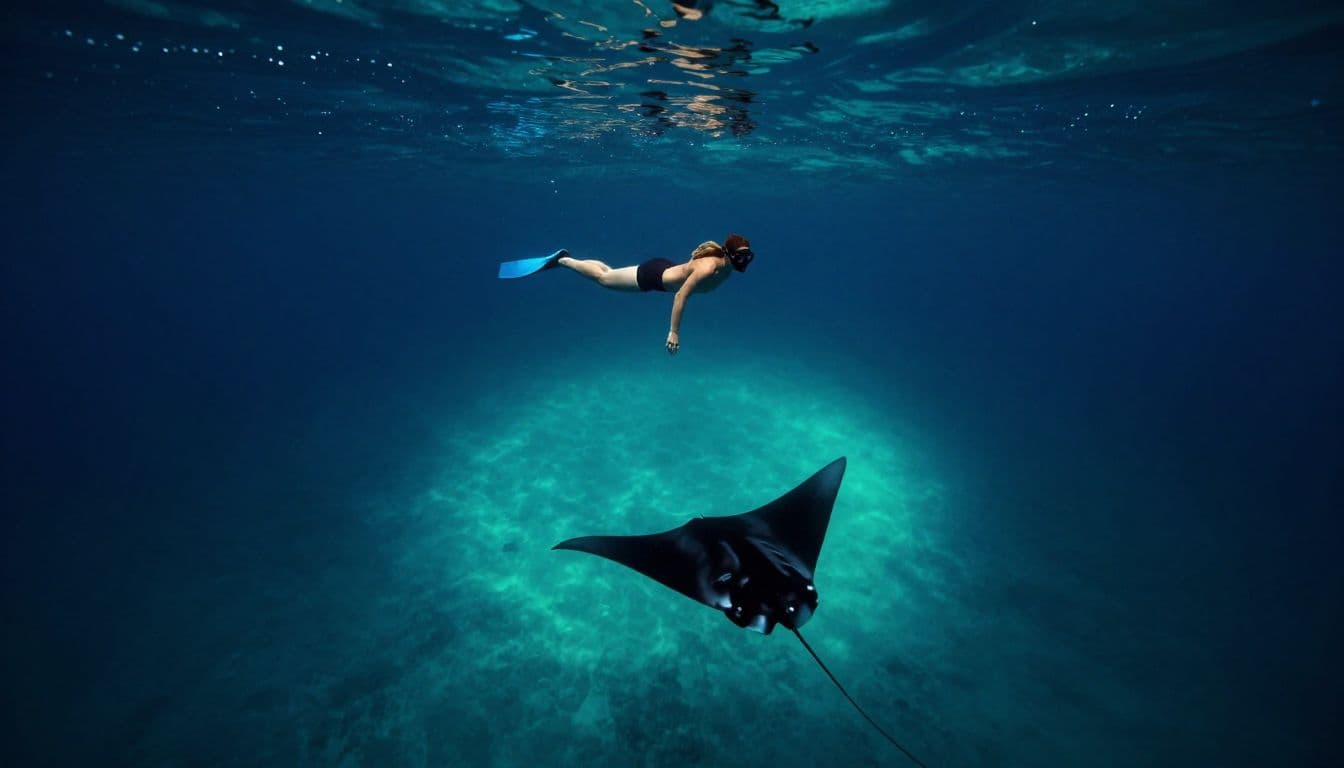
Manta rays may pass close enough for you to see their markings, fins, and mouths clearly. Still, you should never touch, grab, ride, or block a manta’s path.
NOAA’s marine life viewing guidelines explain how responsible observation protects animals and their habitats. The agency’s hands-to-yourself guidance also warns that touching marine animals can harm them and put you at risk.
A calm observer gives the manta room to change direction. That approach also helps you stay relaxed and conserve energy during the water session.
Protect the reef and follow the crew
Use reef-safe practices before entering the water, keep your fins away from coral, and follow every instruction about where to float. The light board gives you a clear viewing area, so you don’t need to explore the seafloor.
Kona Snorkel Trips includes education and reef-conscious practices in its tours. Its guides help you understand the habitat as well as the animals, which makes the experience more meaningful without adding time to the itinerary.
The most important timing detail is simple: the two-hour booking includes the whole outing, while your manta viewing time usually lasts less than an hour.
Plan on two hours for your Kona manta tour
A standard Kona manta ray night snorkel usually takes about two hours from harbor check-in through your return. Expect roughly 40 to 60 minutes in the water, with the remaining time covering preparation, travel, safety instructions, and boat operations.
Kona Snorkel Trips lists a two-hour Honokohau Harbor experience, while its January and February whale watch combination takes about three hours. Sunset determines the departure time, so check your date carefully before making dinner or transportation plans.
When you give the trip enough space in your evening, you can focus on the glowing water, the quiet surface, and the manta rays moving below you.