
Plan Dinner Around Your Kona Manta Ray Night Snorkel
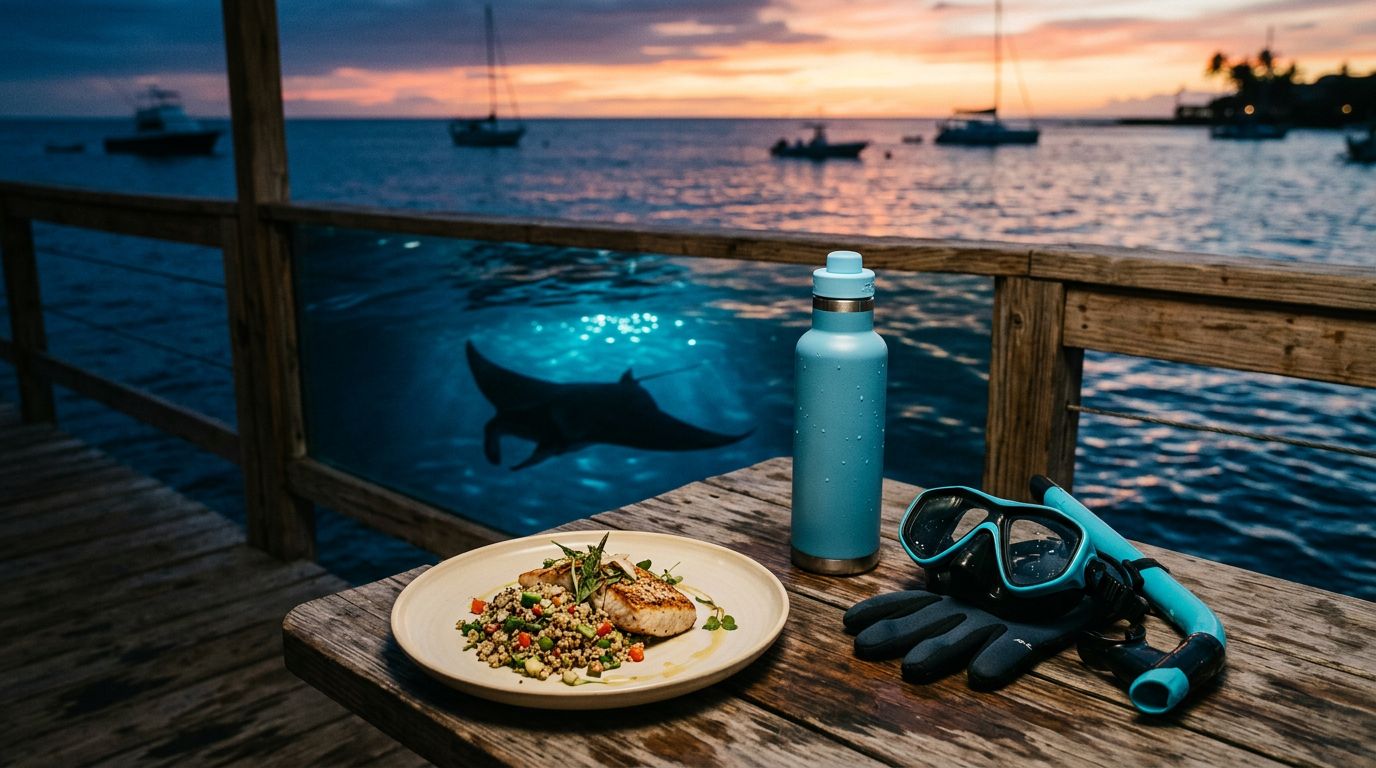
When you book a manta ray night snorkel with Kona Snorkel Trips, dinner needs more thought than a normal evening reservation. You need enough food to feel comfortable in the water, enough time to reach the harbor, and a backup plan if the ocean adventure runs later than expected.
Kona Snorkel Trips focuses on small-group ocean experiences, while Manta Ray Night Snorkel Hawaii offers another manta-focused option to consider. Once your tour is booked, build your evening around the check-in time, not the restaurant reservation.
Start With the Manta Ray Night Snorkel Check-In Time
Your confirmation email contains the most important dinner-planning detail: the required check-in time and meeting location. Tour schedules can change with the season, weather, and ocean conditions, so avoid planning around a departure time you found on an old blog post.
If your booking is with Kona Snorkel Trips, confirm whether you need to check in at the harbor, a specific marina area, or another Kona meeting point. Give yourself extra time for parking, changing clothes, and finding the boat. A reservation that looks close on a map can feel rushed when you add hotel checkout, traffic, and a family getting ready.
The safest approach is to work backward:
- Start with the required check-in time.
- Add driving and parking time.
- Allow time to change into swimwear and use the restroom.
- Schedule dinner early enough that you can finish comfortably.
- Keep a snack available for after the tour.
A buffer of 30 to 45 minutes can make a big difference. You won’t enjoy the first few minutes on the boat if you arrive breathless after racing across Kona.
Kona Snorkel Trips offers several guided ocean experiences, including its Big Island snorkeling tours. For a regular daytime trip, dinner can happen afterward without much difficulty. A nighttime manta tour requires more careful timing because the excursion takes place after sunset.
When your travel date is set, you can check availability before choosing a restaurant.
On a manta night, your check-in time is the fixed point. Dinner is the flexible part.
Choose Between Pre-Snorkel and Post-Snorkel Dinner
Most travelers should eat before the tour, especially if they don’t know how their body reacts to swimming, boat movement, or cool evening water. However, the meal should feel more like a light early dinner than a large celebration feast.
When to eat before the tour
A good starting point is to finish your main meal about two hours before check-in. That gives your body time to settle while leaving room for a small snack if you need one later.
Choose food that feels familiar and easy to digest. Grilled fish with rice, a modest poke bowl, soup, a turkey sandwich, or a small plate with vegetables can work well. You don’t need a special sports diet. You do need to avoid arriving at the boat overly full.
If your check-in is early, treat lunch as your main meal and eat a smaller snack later. A banana, granola bar, crackers, or a simple sandwich can be easier than trying to fit in a full dinner near the marina.
Families should use the same rule. Feed children before they become hungry, but leave enough time for them to settle before swimming. Pack a dry snack for the ride home, since younger travelers may want food as soon as they return.
When dinner after the tour makes sense
Post-tour dinner works when your return time lines up with a restaurant that keeps its kitchen open late. Check the expected schedule before booking, then choose a reservation you can cancel or move if ocean conditions affect the timing.
A late meal can also be a good choice for couples who prefer a slow sunset dinner before the boat. In that case, eat early and keep the post-tour plan simple. Water, a quick snack, and a quiet evening at your hotel may feel better than another full meal.
Don’t assume every Kona restaurant serves dinner late. Some kitchens close earlier than visitors expect, especially near the harbor. If you want to eat after the manta ray night snorkel, confirm the kitchen’s closing time rather than the restaurant’s advertised closing time.
Eat Light, Hydrate, and Protect Your Comfort
The best pre-snorkel meal is satisfying without being heavy. You want steady energy while floating in the water, but you don’t want your stomach working through a huge meal while the boat moves.
Lean toward moderate portions with some carbohydrate and protein. Rice, potatoes, fruit, grilled seafood, chicken, or a simple sandwich are practical choices. A small amount of fat is fine, but rich sauces and oversized portions can feel unpleasant once you board.
Spicy dishes, heavy fried food, and very sugary drinks may cause trouble if you’re sensitive to motion. You also shouldn’t test an unfamiliar food right before a nighttime ocean activity. Save that new restaurant or elaborate tasting menu for another evening.
Drink water throughout the afternoon. Avoid drinking so much immediately before departure that you feel uncomfortable or need frequent restroom breaks. Alcohol deserves extra caution. Don’t drink before swimming or while participating in the tour, and follow the operator’s safety instructions after you return.
If you tend to get seasick, plan ahead. Ask your doctor or pharmacist about suitable medication, and follow its directions carefully. Some products work best when taken before the boat ride, but the correct timing depends on the product and your health history.
Pack a few simple items:
- A refillable water bottle can help you stay hydrated before and after the trip.
- A light jacket or dry layer can make the ride back more comfortable.
- A small snack is useful if dinner happens before the excursion.
- Dry clothes and a towel help you transition into the rest of the evening.
- A plastic bag can hold a wet swimsuit away from your dinner clothes.
If you need a full dinner, move it earlier rather than eating a heavy meal close to the boat.
Find the Best Dinner Near Honokohau Harbor
If your tour meets near Honokohau Harbor, Harbor House Kona is the most direct nearby dinner option. It’s located at 74-425 Kealakehe Parkway, Suite 4, directly at the harbor, with open-air seating and waterfront views.
Harbor House lists lunch and dinner hours as 11:00 a.m. to 7:00 p.m. Monday through Thursday, and 10:00 a.m. to 7:00 p.m. Friday through Sunday. The last seating is 30 minutes before closing, and the kitchen closes 15 minutes before the restaurant does.
That schedule makes Harbor House a strong choice for an early evening departure, not a late post-tour dinner. You can enjoy fresh fish, ahi poke, or a Hawaiian grass-fed burger while staying close to the meeting point. Daily happy hour runs from 3:00 p.m. until close, with $1 off Big Island brews, including Kona Brewing Co. drafts.
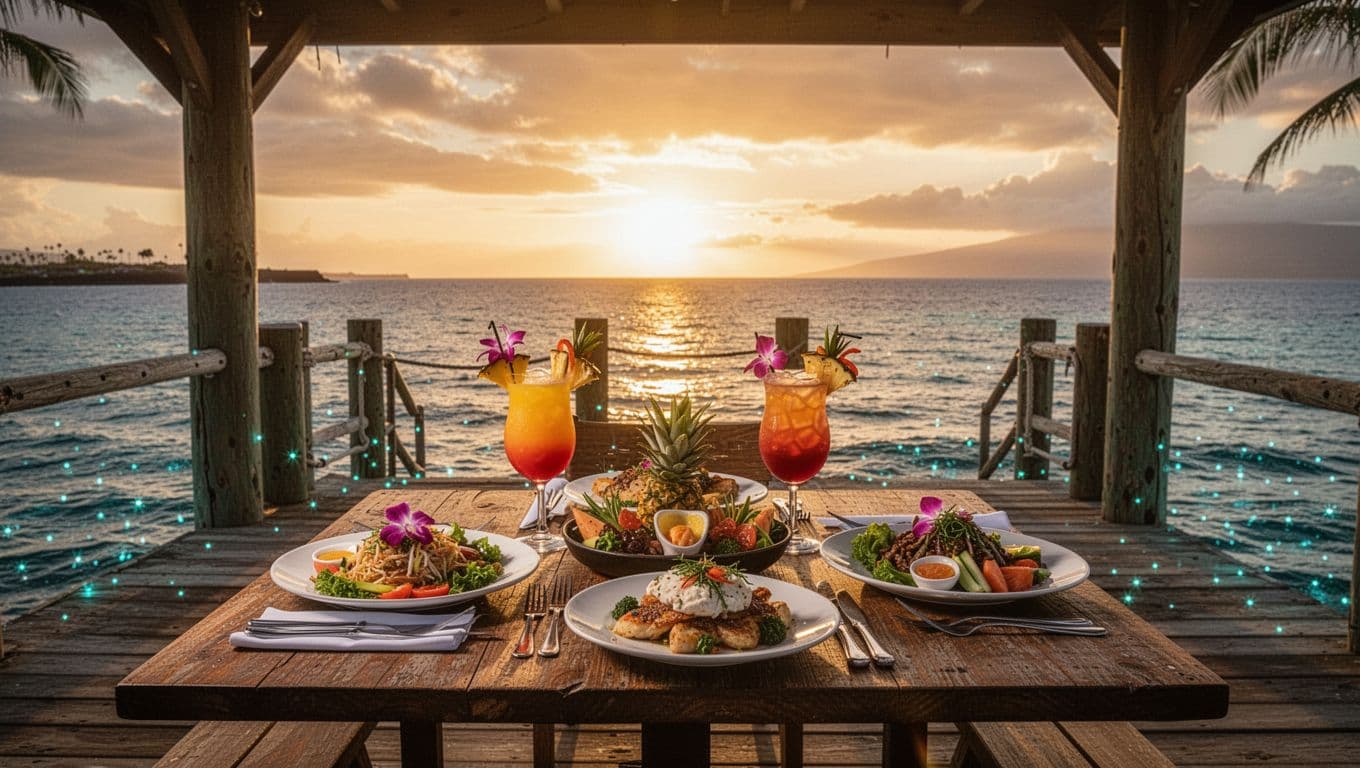
For more restaurant ideas, browse this Kona dining guide, which covers local options and different meal styles. You can also compare current choices through Kailua-Kona restaurant listings.
Other well-known options include Huggo’s on the Rocks, which serves dinner daily near Kailua-Kona Bay, and ULU, which lists dinner service Tuesday through Saturday from 5:30 p.m. to 10:00 p.m. Fish Hopper, Jackie Rey’s Kailua-Kona, Papa Kona, Kona Inn Restaurant, and Honu’s on the Beach are also options in the broader Kona dining area.
Choose based on your tour time:
- An early check-in pairs well with Harbor House or another restaurant near the harbor.
- A later departure works better with an early dinner in Kailua-Kona village.
- A late return calls for takeout, hotel dining, or a restaurant with confirmed late kitchen hours.
- A special occasion deserves a flexible reservation, not a table that leaves you watching the clock.
Local restaurant opinions change quickly, so treat community recommendations as a starting point. This Kona-side dining discussion can help you spot casual favorites, but verify current hours before you go.
Know What the Night Snorkel Involves
A manta ray night snorkel is a calm, guided water experience, but it still asks your body to swim and float after dark. Guides use lights to attract plankton near the surface. Manta rays may then glide through the illuminated water while you watch from a respectful distance.
Kona Snorkel Trips follows a “Reef to Rays” philosophy. The company focuses on personalized, small-group outings instead of crowded commercial trips. Its equipment includes quality snorkeling gear and custom-built lighted boards for nighttime manta encounters.
Lifeguard Certified guides lead the excursions and provide safety direction before you enter the water. They also share information about the reef and marine life. Reef-safe practices and environmental education are part of the experience, so you should listen closely and avoid touching the animals, coral, or other marine life.
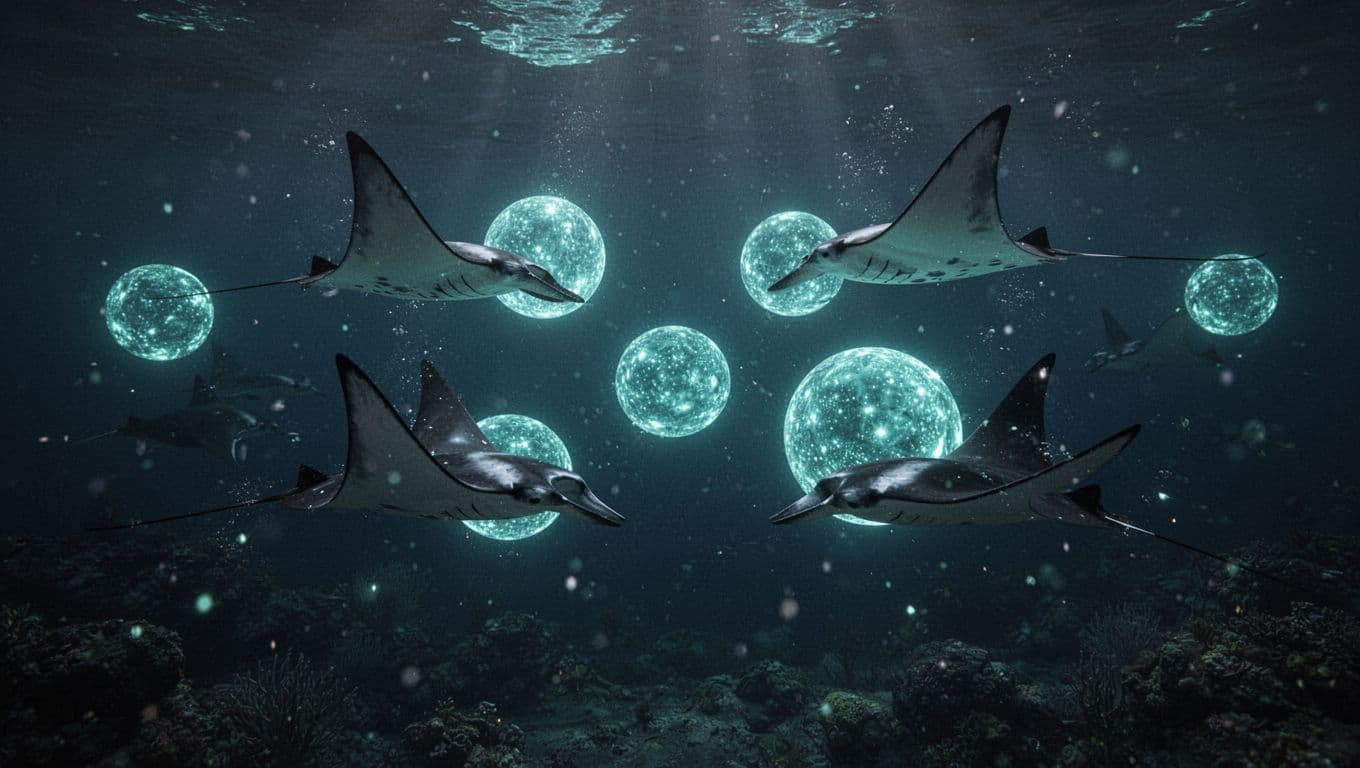
The exact viewing site can depend on conditions. Kona operators commonly visit areas such as Garden Eel Cove or waters near Keauhou. Since mantas are wild animals, sightings and behavior can never be guaranteed. Your guide controls the final plan based on safety and ocean conditions.
You can review the details for manta ray night snorkel Kona before choosing your date. The page includes nighttime manta options, seasonal whale and manta combinations, and private tour choices.
Kona Snorkel Trips has built its reputation around attentive service, safety, and responsible ocean travel. If that style fits your group, you can check availability for a manta excursion.
Build a Full Kona Day Without Overloading It
Your daytime plans should leave energy for the night. If you’re researching snorkeling on the Big Island of Hawaii, it’s tempting to schedule several water activities in one day. That can work for experienced swimmers, but a slower pace usually makes the evening more enjoyable.
A morning reef trip gives you time to return, shower, eat, and rest before your manta excursion. A Kealakekua Bay snorkel tour is a popular daytime option for clear water, reef viewing, and the historic Captain Cook Monument. Schedule it early enough that you aren’t arriving at the manta check-in tired and sunburned.
If you visit during humpback season, a whale watching Kona tour may fit into the same vacation. Kona Snorkel Trips lists a seasonal whale watch and manta snorkel combination, allowing you to look for whales before sunset and manta rays after dark. Ask about the current schedule before planning dinner around a combo trip.
You can also check availability for a seasonal whale-watching option.
For families, couples, or groups with different energy levels, private Kona tours offer more control over the day’s pace. You may be able to combine reef time, wildlife viewing, a coastal cruise, or a relaxed boat ride without forcing everyone into the same schedule.
A simple day might look like this:
- Morning: Eat breakfast, then enjoy a daytime reef excursion.
- Midday: Have lunch, rehydrate, and spend time out of the sun.
- Afternoon: Take a break and eat an early, moderate dinner.
- Evening: Check in for the manta tour with dry clothes and a small snack.
- Night: Return to your hotel, shower, hydrate, and keep the rest of the evening easy.
The goal is to arrive alert and comfortable, not exhausted after a full day in the sun.
Use This Dinner Schedule as a Starting Point
Your confirmation should always replace any general example. The schedule below shows how you might arrange food around different check-in times.
| Required check-in | Main meal | Small snack | Dinner plan |
|---|---|---|---|
| 3:30 p.m. | 12:30 to 1:15 p.m. | Around 2:45 p.m. | Eat before the tour |
| 5:00 p.m. | 2:30 to 3:15 p.m. | Around 4:15 p.m. | Early dinner before boarding |
| 6:30 p.m. | 3:30 to 4:15 p.m. | Around 5:30 p.m. | Eat early, then keep food light |
| Late return | Before check-in | After the tour | Use takeout or hotel dining |
These times are planning examples, not tour schedules. Leave room for your drive, parking, and the operator’s required arrival window.
If you prefer a restaurant meal after snorkeling, ask whether the kitchen will still be serving when you return. A snack in your room can prevent a late-night scramble for food. You can also reserve breakfast for the next morning and enjoy a relaxed meal after a good night’s sleep.
Avoid Dinner Plans That Create Stress
The wrong reservation can make a memorable ocean experience feel rushed. Keep these common problems out of your evening:
- Booking a fixed dinner immediately after the tour can leave you stressed if the boat returns later than expected.
- Eating a large, rich meal close to check-in may make boat movement and swimming uncomfortable.
- Choosing a restaurant far from the meeting point adds driving time when you already need a buffer.
- Drinking alcohol before the tour creates a safety issue for a night in the water.
- Forgetting a dry layer can make the ride back feel colder than expected.
- Relying on a restaurant’s posted closing time can cause problems if the kitchen stops taking orders earlier.
- Planning a second major activity after the manta snorkel may leave you too tired to enjoy it.
A flexible dinner plan works best for couples and groups. Eat early when you can, keep your portions moderate, and leave the late evening open. If someone in your party gets motion sick, feels cold, or tires easily, that extra flexibility matters even more.
The ocean also deserves your attention. Follow your guide’s instructions, stay with the group, and watch manta rays without touching or chasing them. Responsible behavior protects the animals and keeps the experience safe for everyone in the water.
Conclusion
A well-planned Kona evening starts with the manta ray night snorkel check-in time. Eat early enough to feel comfortable, choose a restaurant that fits your route, and keep a snack and dry layer ready for the ride home.
Kona Snorkel Trips gives you a guided, small-group way to experience manta rays with trained guides, quality equipment, and reef-conscious practices. When dinner stays flexible, you can focus on the glowing water and the wild animals moving through it.