
How to Check Life Jacket Fit Before a Boat Tour
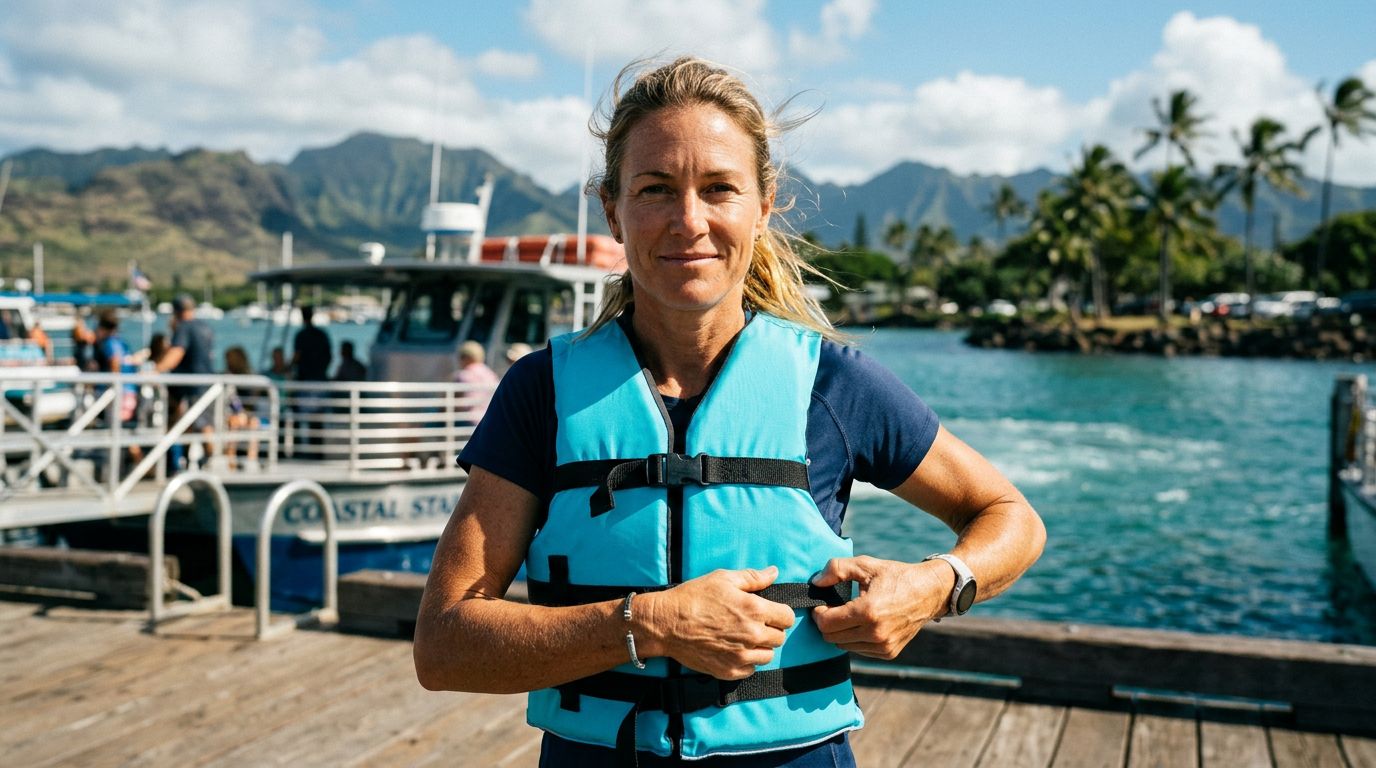
A loose life jacket can look secure while it slides up over your face in the water. Checking life jacket fit before leaving the dock helps you stay comfortable, supported, and ready for an unexpected fall.
Whether you’re traveling with children, joining a snorkeling trip, or boarding a sightseeing boat, you should know how to test your own vest. If you’re joining Kona Snorkel Trips, the crew will guide you through the process, but understanding the basics lets you speak up when something feels wrong.
Why Life Jacket Fit Matters on Boat Tours
A life jacket, also called a personal flotation device or PFD, works only when it matches your body and stays in the correct position. The vest needs to keep your mouth and nose above the water without riding up around your neck.
Boat tours involve more movement than many guests expect. You may step across a rocking deck, sit on the gunwale, climb a swim ladder, or enter the water from a boat. A vest that feels comfortable while standing still may shift when you bend, swim, or jump into the water.
The U.S. Coast Guard’s life jacket guidance recommends an approved wearable PFD for every person aboard a recreational vessel. The device must also match the wearer’s size and weight range. You shouldn’t choose one based only on color or the printed age range.
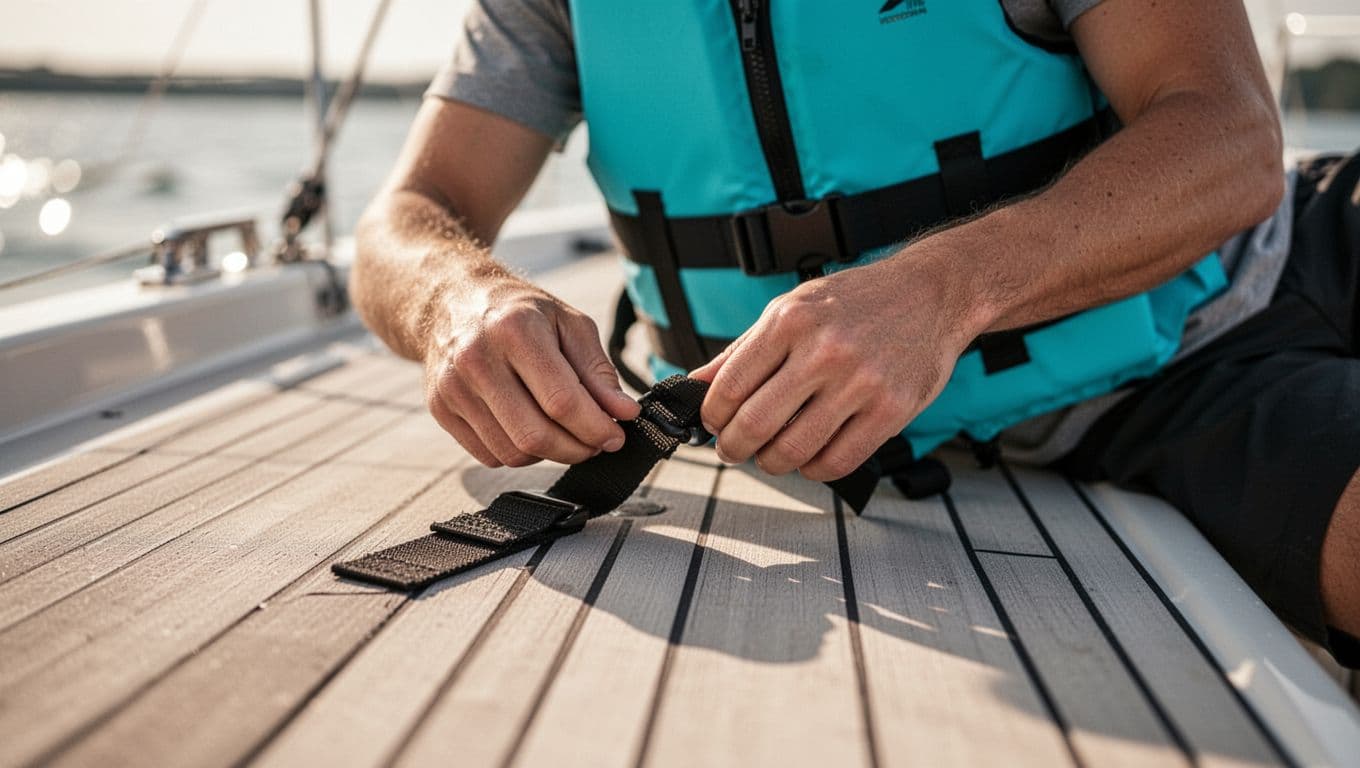
A proper fit supports you without choking, pinching, or restricting normal breathing. It should feel snug across your chest, while the arm openings allow enough space for natural movement.
Before you put a vest on, check its condition. Look for torn fabric, broken buckles, missing straps, compressed foam, and damaged zippers. Saltwater, sunlight, and regular use can weaken equipment over time. If you see a problem, ask the crew for another PFD.
A life jacket is too loose if it moves toward your chin when someone lifts it at the shoulders.
Choose the Right Life Jacket Before You Put It On
The first fit decision happens before you fasten a buckle. You need the correct PFD category and size for your body, activity, and water conditions.
Adults usually wear an adult-sized vest, while children need a child or youth model that matches their current weight. Infant PFDs have different designs and support requirements. Never put a small child in an adult vest because the larger arm openings can let the child slip through.
Read the label inside the vest. It should show an approval mark, size range, weight range, and any activity restrictions. The Coast Guard PFD selection guide provides details about choosing and wearing approved flotation devices.
Different activities can require different designs. A basic foam vest often works well for boat rides and swimming areas. An inflatable PFD may suit some adult activities, but it isn’t appropriate for every swimmer, child, or situation. Inflatable models also need correct activation systems and regular inspection.
For snorkeling, you may wear a vest designed for surface support rather than a device intended to keep an unconscious person face-up. Your guide can explain the difference and select equipment for the planned activity. Ask before entering the water if you aren’t sure whether the vest is meant for swimming, snorkeling, or emergency flotation.
Your clothing matters too. A bulky jacket, thick sweatshirt, or large camera strap can affect how the vest sits. Put the PFD over the clothing you plan to wear during the activity. Then adjust the straps while standing in a normal position.
Avoid placing a vest over a backpack or large dry bag. Extra material can prevent the vest from sitting close to your torso. Keep small accessories outside the arm openings so nothing interferes with the buckles.
Life Jacket Fit: A Step-by-Step Check
Use the same sequence every time you receive a PFD. A consistent check takes less than a minute and catches most common problems.
- Open every strap and buckle. Hold the vest against your chest with the front panels centered. Make sure the back panel sits flat between your shoulder blades.
- Put your arms through the openings. The vest should rest low enough on your torso to cover your chest. It shouldn’t press against your throat or hang below your ribs.
- Fasten the lowest buckle first. Connect each buckle in order, moving upward. If the vest has a zipper, close it after the buckles are connected. A zipper shouldn’t replace a missing or loose buckle.
- Tighten each strap gradually. Pull until the vest feels snug across your chest. Tighten both sides evenly so the flotation material stays centered. You should be able to breathe normally, but you shouldn’t be able to pull the front panels several inches away from your body.
- Check the arm openings. Lift your arms, rotate your shoulders, and reach forward. The vest should stay in place without cutting into your armpits. If the openings rub or restrict movement, ask for a different size or style.
- Ask for a lift test. Have a guide or travel companion place two fingers under the shoulder area and pull upward. The vest shouldn’t slide over your chin, ears, or nose. If it moves up, tighten the straps. If the buckles are already tight and the vest still rides up, choose a smaller size.
- Walk and sit before boarding. Take a few steps, sit down, and bend your elbows. You need enough mobility to move safely on deck. A correct life jacket fit feels secure in more than one position.
Don’t pull only one strap as tight as possible. That can twist the vest and create pressure points. Instead, tighten each strap in small increments until the flotation panels sit evenly.
Children need an adult’s hands-on check. Have the child raise both arms while you inspect the shoulder openings and buckles. The vest shouldn’t cover the child’s face or slip upward when lifted gently at the shoulders. Keep the child within reach near the water, even when the PFD appears secure.
A good fit doesn’t need to feel stiff. You should be able to turn your head, look down at your feet, and move your arms without fighting the vest. However, a little resistance when you pull the vest away from your chest is necessary. If it moves freely, the straps are too loose.
Three Tests That Confirm a Secure Fit
The lift test is the fastest check, but movement tests add useful information. You can perform them at the dock before the boat leaves.
The tug test
After fastening the PFD, pull the front panels forward with both hands. The vest should move slightly, but it shouldn’t pull far away from your chest. If you can create a large gap, tighten the straps or request a smaller vest.
Check the lower buckle first if the bottom of the vest shifts. Then adjust the middle and upper straps. A vest that stays tight at the shoulders but hangs loose at the waist can still slide upward in the water.
The shoulder test
Ask another adult to lift the vest from the shoulder area. Use gentle pressure, and never lift a child off the ground by the PFD. The device should stay around the torso.
If the chin or ears slide through the neck opening, the PFD is too large or too loose. Stop and change it before you get on the boat. This test matters because a vest that rises toward your face can interfere with breathing and visibility.
The movement test
Raise your arms, reach across your body, bend at the waist, and sit down. The vest should remain centered without cutting into your neck. You should also be able to hold a rail and climb a swim ladder.
Try the movement test with your actual clothing and any gear you will wear. Snorkel fins don’t usually affect torso fit, but a wetsuit, rash guard, or flotation belt can change how the PFD feels.
Ask a guide to check you if you feel pressure at your throat or ribs. Comfort isn’t a substitute for security, but discomfort can point to the wrong size, a twisted strap, or an unsuitable design.
Common Life Jacket Fit Mistakes to Avoid
Many problems happen because people rush through the fitting process. You can avoid them with a few simple habits.
Leaving straps loose is the most common mistake. Guests often loosen a vest for comfort, especially in warm weather. A PFD should feel snug, even when you’re sitting under the sun or waiting to enter the water.
Using the wrong size creates a bigger problem than a slightly tight fit. A large vest can rise over your face. A small vest may restrict breathing or fail to cover your chest properly. Use the printed size and weight range, then let the guide check how it sits.
Fastening buckles out of order can leave the lower part of the vest loose. Start at the bottom and work upward. Buckles should lie flat, and none should sit under another strap.
Wearing the vest over a backpack keeps it away from your body. Remove the pack before putting on the PFD. If you need to carry personal items, ask the crew where to store them.
Ignoring damaged hardware can turn a normal trip into a serious problem. Test each buckle by pulling lightly after it clicks. Don’t use a PFD with a torn strap, cracked buckle, or badly worn fabric.
Assuming a vest works for every activity can also lead to poor decisions. A jacket used for cruising may feel different from one made for active watersports. For example, a snorkeling vest may provide surface support while allowing more arm movement.
Inflatable PFDs have their own limits. Some require manual or automatic activation, and others aren’t suitable for non-swimmers or children. Follow the label and the guide’s instructions. Never treat an uninflated inflatable vest as if it provides the same support as a foam PFD.
The 2025 life jacket classification overview can help you recognize newer label terms. Still, the crew’s instructions and the device label should guide your choice on a specific boat.
How Guided Kona Tours Handle PFD Safety
A professional crew checks more than the boat’s engine and route. Guides also match equipment to each guest, explain how to wear it, and watch for fit problems before departure.
Kona Snorkel Trips follows a “Reef to Rays” approach that combines ocean education, responsible wildlife viewing, and guest safety. Its Lifeguard Certified guides provide a safety briefing and help guests select snorkeling equipment before they enter the water. The operation uses a small-group format, quality gear, and a private dock at Honokohau Marina.
That dock location can make boarding easier because you don’t have to manage a crowded launch ramp. You can focus on fitting your equipment before the boat moves away from shore. If your vest shifts during the ride, tell the crew immediately rather than waiting until you reach the snorkel site.
Travelers planning snorkeling Big Island Hawaii adventures often focus on water clarity and marine life. Those details matter, but the trip begins with equipment that fits. You can browse Big Island snorkeling tours and review the departure information before booking.
You can also snorkel Big Island reefs in different conditions, including calm bays, open coastal water, and nighttime sites. Each setting changes how much support you may want. Your guide can adjust the vest, switch sizes, or explain whether you should wear additional flotation.
For families, tell the crew each swimmer’s experience level before departure. A confident adult swimmer and a first-time child may need different equipment and closer supervision. Share concerns about seasickness, mobility, pregnancy, or limited swimming ability before boarding.
A tour company should welcome these questions. Clear instructions and a calm fitting process are signs that the crew takes safety seriously.
Fitting Your PFD for Snorkeling, Night Tours, and Children
A life jacket fit can change when you add snorkeling equipment. Put on the PFD before checking your mask strap, snorkel, or fins. The vest should not push the mask against your face or press the snorkel into your neck.
If you wear a wetsuit, fit the vest over the suit. Neoprene adds bulk, so you may need a larger size than you would wear over a swimsuit. The straps still need to stay snug. Don’t compensate for extra clothing by leaving the buckles loose.
Night snorkeling requires extra attention because visibility is limited. Make sure every buckle is fastened before you leave the boat. Ask where to hold the rail and how to return to the vessel. If your vest shifts while you’re in the water, signal the guide and stop swimming until the problem is fixed.
For a manta ray trip, the manta ray night snorkel information can help you understand the activity before booking. You should still follow the crew’s on-site instructions because conditions and equipment needs can vary.
Children need more frequent checks than adults. A child may loosen straps, change layers, or shift the vest while playing. Recheck the buckles after boarding, before entering the water, and whenever the child complains that the vest feels uncomfortable.
Never allow a child to sit on a PFD as a cushion or use it as a toy. Keep flotation equipment in its intended position. An adult should stay close enough to provide hands-on help near the boat ladder or in moving water.
For first-time snorkelers, practice floating in shallow water only when a guide or responsible adult is present. Learn how to breathe through the snorkel, clear your mask, and signal for help while wearing the fitted PFD. Familiarity reduces rushed movements once you reach the reef.
What to Do If Your Life Jacket Feels Wrong
Speak up as soon as you notice a problem. You don’t need to diagnose the cause yourself. Tell the guide whether the vest feels loose, tight, high around your neck, or restrictive under your arms.
Common solutions include tightening the straps, changing the size, switching to another vest style, or removing bulky clothing underneath. A guide may also reposition the vest so the back panel sits correctly.
Don’t rely on a friend’s quick glance if you still feel uncertain. Ask for a full check, including the tug and shoulder tests. The person helping you should inspect the buckles, straps, arm openings, and lower edge.
If a buckle won’t close, don’t force it. If a strap pulls out of its stitching, stop using the vest. If the foam feels crushed or uneven, request replacement equipment. A damaged PFD isn’t worth testing in the water.
When the boat is underway, keep your PFD fastened unless the captain or guide gives different instructions. Some passengers remove a vest during a calm ride and plan to put it on later. That creates a delay during an emergency, when waves, panic, or an unexpected fall can make simple movements difficult.
You should also follow the boat’s rules about where to sit and when to enter the water. Stay behind safety rails while the vessel moves. Hold the rail when the deck is wet, and use the ladder rather than jumping if the crew directs you to do so.
If you have a medical condition or cannot swim, say so privately to the guide. That information helps the crew provide the right support without drawing unwanted attention.
A Quick Dockside Life Jacket Fit Checklist
Before the boat leaves, confirm these points:
- The PFD has an approval label and matches your size and weight range.
- All buckles are closed, and the straps lie flat.
- The vest sits low on your chest without pressing against your throat.
- The shoulder lift test doesn’t pull the vest over your chin or ears.
- You can raise your arms, sit down, and hold a rail comfortably.
- The vest stays over your clothing without covering a backpack.
- No straps, buckles, zippers, or fabric show visible damage.
- A guide has checked children and first-time swimmers.
- You know how to signal for help and where to return after entering the water.
If you need a tour that focuses on a protected marine setting, you can review the Kealakekua Bay snorkel adventure before your trip. The same fitting routine applies whether you swim in a calm bay or a more open coastal area.
The check should feel routine, not embarrassing. Experienced swimmers wear properly fitted flotation because unexpected falls can happen to anyone.
Conclusion
A secure PFD starts with the right size, then depends on careful adjustment. Fasten every buckle, tighten the straps evenly, perform the tug and shoulder tests, and move around before you leave the dock.
When you check life jacket fit before a boat tour, you give yourself more freedom to enjoy the water without wondering whether your equipment will stay in place. Take the extra minute. It can make the difference between wearing a life jacket and having one that truly supports you.