
Lava sand snorkeling on the Big Island: visibility guide
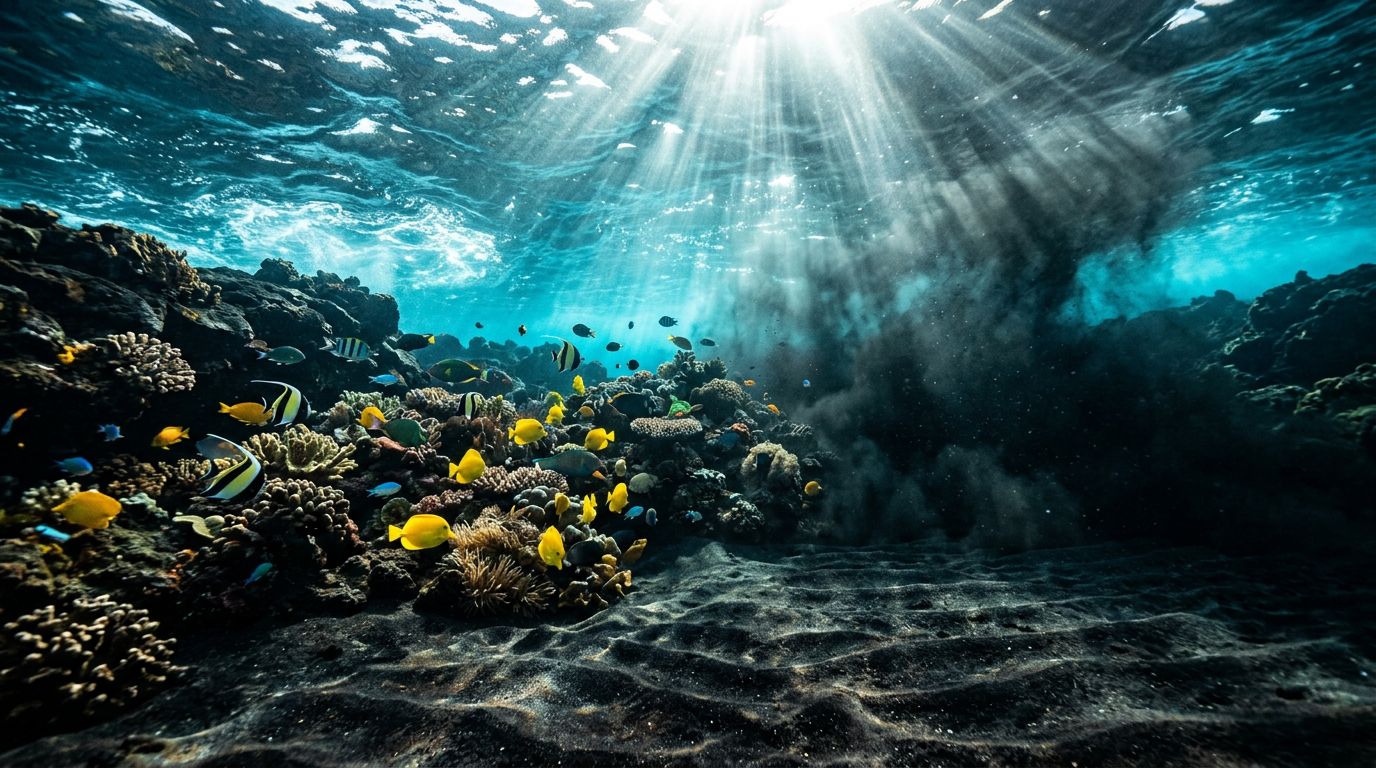
Dark volcanic sand can make a clear reef look murky, even when the water is clean. However, the sand itself usually isn’t the main problem. Lava sand snorkeling becomes difficult when fine particles lift from the bottom and stay suspended in the water.
On a snorkeling Big Island Hawaii trip, the forecast is only the first check. Recent rain, ocean swell, wind, tide, shore traffic, and your entry technique can affect what you see underwater. Kona Snorkel Trips helps guests choose appropriate locations and conditions along the leeward coast, where visibility often changes from one cove to the next.
Understanding how volcanic sand behaves lets you choose better conditions, protect the reef, and enjoy clearer views of Hawaii’s underwater life.
How lava sand snorkeling affects underwater visibility
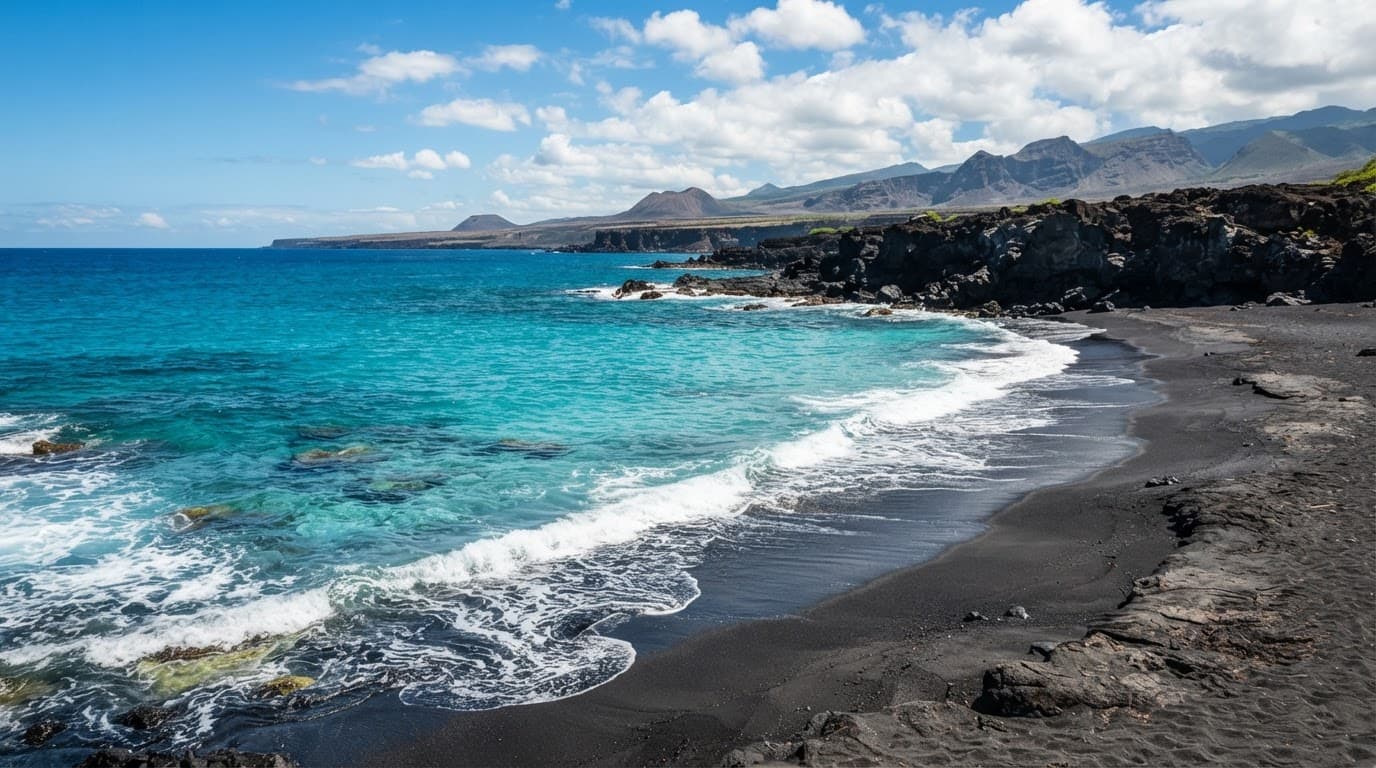
Lava sand forms as volcanic rock breaks down into smaller pieces. The grains are often dark gray, brown, or nearly black because they come from basalt and other volcanic material. Their color can make the ocean floor look darker, but dark sand doesn’t automatically mean poor visibility.
Movement is the deciding factor. Large, heavy grains usually settle quickly after waves pass. Smaller grains and fine sediment can remain suspended longer. Once those particles float through the water column, they scatter sunlight and create a hazy appearance.
A calm sandy bottom may look sharp and clear. The same bottom can become cloudy after repeated wave action, a strong surge, or several swimmers kicking near shore. You might still see fish and coral, but the details will look softer and the distance will seem shorter.
Lava sand also behaves differently from heavier cobble and exposed lava rock. Rocky reef surfaces don’t release loose grains every time water moves across them. For that reason, a rocky cove can offer better visibility than a sandy beach after the same wind or swell event.
Kona’s leeward coast often has calmer conditions than the island’s windward side, but no shoreline stays clear every day. A sheltered bay may still have cloudy water near its entrance while the deeper section remains bright. Likewise, one beach can look clear while another site a short drive away has suspended sediment.
Why black volcanic bottoms can look less clear than they are
Your eyes judge underwater visibility partly by contrast. Bright coral, silver fish, and pale sand stand out easily against a light background. A black lava bottom absorbs more light, so colors may appear muted even when you can see a reasonable distance.
Sun angle adds another variable. Midday light can reveal reef textures from above, while low morning or afternoon light creates stronger shadows. If the sun sits behind you, the reef often looks more defined. When you face the sun, glare and surface reflections can reduce contrast.
Your mask matters, too. A fogged lens can make clean water seem cloudy. Scratches, sunscreen residue, and a poor seal create a similar effect. Before you decide that lava sand is causing the problem, check whether the haze is inside your mask.
Underwater cameras can also change your impression. Automatic exposure often darkens black lava, while the camera’s flash or lights can reveal suspended particles that you didn’t notice with your eyes. A photo with bright spots, called backscatter, usually shows particles close to the lens rather than total water clarity.
Dark water and cloudy water are different conditions. A black reef may reduce contrast, while suspended sand reduces the actual distance you can see.
When you snorkel Big Island reefs, give your eyes time to adjust. Spend a minute floating calmly before judging the site. Once you stop kicking and your mask clears, the reef may look much sharper than it did during entry.
When volcanic sand actually clouds the water
Several conditions can lift lava sand into the water. You can often predict the risk by watching the surface and the shoreline before you enter.
Waves and surge
Breaking waves push water across the bottom with force. Even moderate shore break can lift sand at a shallow entry, especially where the bottom slopes gradually. Surge creates a back-and-forth motion that keeps moving the same grains instead of allowing them to settle.
You may notice this effect near a beach entry first. The water around your legs looks cloudy, while the area beyond the break appears clearer. Swimming out quickly can help, but only if the entry and current are safe. If waves keep breaking across the entire cove, visibility may remain poor throughout the session.
Rocky ledges can also create surge without obvious breakers. Water rushes into cracks, channels, and shallow lava shelves. A site can look calm from the beach yet move you constantly once you reach the reef.
Rain and runoff
Heavy rain can wash soil, ash, plant material, and loose sediment into the ocean. The resulting plume may stay close to shore or spread along the coast with currents. Water near a stream mouth or drainage channel is more likely to look brown or gray after rainfall.
The timing varies. A short shower may have little effect, while intense rain in the surrounding hills can change nearshore conditions later. A clear morning doesn’t always mean the water stayed clear overnight.
Before entering after a storm, look for discolored water, floating debris, and a visible plume. A recent local discussion about post-rain water conditions shows why same-day observations can matter more than an older photo.
Wind, current, and distant swell
Wind can roughen the surface and add wave energy to shallow bottoms. It can also push floating sediment along the shoreline. On the Kona coast, the sheltered side of a point may stay clearer than the exposed side on the same day.
Distant ocean swell creates another complication. You don’t need strong local wind to experience more movement underwater. A swell generated far away can arrive at a calm-looking beach and stir sand around lava shelves.
The practical lesson is simple: judge the water at the actual entry point. A weather app can tell you about wind and rain, but it can’t show whether a particular cove has a sandy cloud near the reef.
Best places for lava sand snorkeling on the Big Island
If clear visibility is your priority, look for areas with exposed reef, rocky ledges, and protection from direct wave energy. These features don’t guarantee perfect water, but they often reduce the amount of loose material available to stir.
Two Step near Pu’uhonua o Honaunau is known for its lava-rock entry and reef habitat. Because the entry is rocky rather than a broad sandy beach, you may create less sediment when you enter carefully. The ledges can be slippery, and conditions can change quickly, so use safe footing and avoid entering during strong surge.
Kealakekua Bay is another popular option. The bay’s shape can offer shelter from some open-ocean movement, while the reef near the Captain Cook Monument provides a rocky setting for fish and coral. Visibility still depends on wind, swell, rainfall, and traffic in the water. A guided Kealakekua Bay snorkel tour can help you reach the area without relying on a difficult shoreline entry.
Kahalu’u Bay offers a shallow, accessible experience, but its shallow bottom can become cloudy when many people stand or kick near the reef. Going early, using a relaxed flutter kick, and remaining off the bottom can improve your view. Follow posted guidance and give turtles and reef animals plenty of space.
Black sand beaches are visually striking, but they aren’t automatically the clearest snorkeling locations. Their loose, dark sediment can move easily in shore break. Some also have steep drop-offs, sharp lava, or difficult entries. A beach may be excellent for viewing volcanic geology while being a poor choice for a relaxed swim.
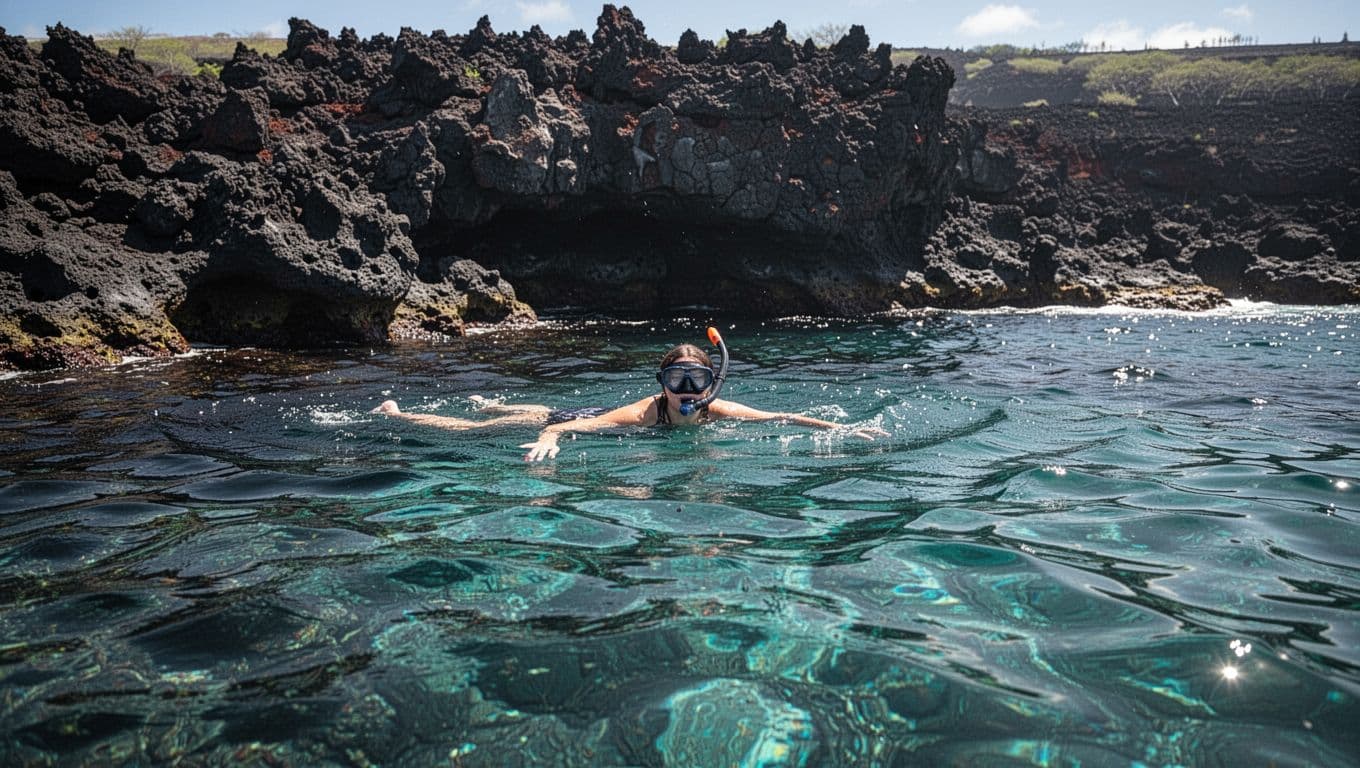
Boat access can improve your options because you can leave a disturbed shoreline and reach a less-used reef. Still, the captain must make a condition-based decision. If rain, swell, or current affects several sites, moving farther offshore won’t solve every visibility problem.
For a visual example of how offshore water can appear under different conditions, you can also view this local diving video. Treat online images as examples, not promises. Water clarity changes faster than travel photos suggest.
How to time your snorkeling for clearer water
Morning often offers calmer surface conditions before local winds build, although the best time depends on the site and season. A quiet morning after several dry days can provide better visibility than an afternoon following wind and rain.
Check three things before you leave:
- Look at the shoreline for brown runoff, floating debris, and strong shore break.
- Ask a local guide, lifeguard, or activity provider about the specific entry point.
- Compare the actual water movement with your own comfort and swimming ability.
Visibility can also vary with tide. A falling or rising tide may increase current through a narrow channel. At some locations, lower water exposes shallow lava shelves that create more surge. At others, a higher tide covers rough sections and makes entry easier. Tide alone doesn’t tell you whether the water will be clear, but it helps explain changes in movement.
A simple planning guide can help you set expectations:
| Condition | Likely visibility effect | Better choice |
|---|---|---|
| Several dry, calm days | Water may stay clear near rocky reef | Choose a sheltered reef or boat site |
| Strong shore break | Sand can remain suspended near entry | Wait or use a calmer location |
| Heavy rain nearby | Runoff may reduce nearshore clarity | Avoid discolored water |
| Wind against the shoreline | More surface chop and bottom movement | Select a protected side of the coast |
| Many swimmers in shallow water | Kicks can create local clouds | Move away from the crowd |
The clearest water isn’t always the safest water. A calm-looking surface can hide current, surge, or a difficult lava entry. Put safety first, then choose the clearest reasonable option.
How to keep your own fins from reducing visibility
You can create a sand cloud even when the site starts clear. This happens most often when you swim too close to the bottom or use a bicycle-style kick.
Keep your fins behind your body and use slow, compact movements. A relaxed flutter kick sends less water directly downward. If you need to stop, float horizontally or hold a safe line without touching coral. Standing on the bottom stirs sediment and can damage living organisms attached to the rock.
Enter slowly. Sit or slide into the water where guides recommend, then move away from the shallowest area before beginning to kick. Avoid pushing off lava shelves, even when they look bare. Small organisms may live on surfaces that appear like plain rock.
If another swimmer clouds the water, wait rather than chasing the same fish through the haze. The particles often settle within minutes when the water remains calm. Moving a few body lengths to the side can restore a clear view without disturbing the bottom again.
A well-fitting mask makes a bigger difference than expensive equipment. Rinse it, check the seal, and use an appropriate anti-fog method. Keep sunscreen away from the lens, and don’t wipe fog with your fingers while swimming over the reef.
How guided tours help when conditions change
A guide can’t control the ocean, but a knowledgeable crew can read conditions and adjust the plan. They can compare wind exposure, swell direction, current, rainfall, and group ability before choosing an entry or anchorage.
Kona Snorkel Trips focuses on small-group ocean adventures with lifeguard-certified guides, quality snorkeling equipment, and a strong reef-to-rays philosophy. The crew teaches guests how to move through volcanic environments without standing on coral or stirring the bottom. That instruction matters when a few careless kicks can turn clear water into a gray cloud.
The company also avoids the impersonal feel of large commercial outings. A smaller group gives you more room to ask about water conditions, mask fit, fish behavior, and safe movement. Guides can watch less experienced swimmers more closely and suggest a better position in the water.
You can browse the available Big Island snorkel tours before choosing between a reef trip, a private outing, or a location-based adventure. A private trip can offer more flexibility when you want to leave a busy beach or adjust the route for your group.
When you know your group includes children, nervous swimmers, or guests with limited ocean experience, mention that before departure. The crew can discuss flotation, entry style, and site conditions so you aren’t making those decisions at the waterline.
What changes during a night manta ray snorkel
Night snorkeling has a different visibility profile. Darkness removes ambient color and contrast, so your view depends on the guide’s lights and the beam from your own mask area. Suspended sand becomes more noticeable because particles reflect the light and create backscatter.
That doesn’t mean a little lava sand ruins the experience. It means you should keep your face steady and avoid kicking toward the bottom. Light beams work best when you remain calm and horizontal. Sudden movement can stir sediment and make the water look snow-filled.
Kona Snorkel Trips offers a manta ray night snorkel in Kona, where guides use custom-built lighted boards and explain responsible viewing practices. The focus stays on observing manta rays without touching or chasing them. Water clarity still depends on the day’s conditions, so the crew’s site assessment remains important after sunset.
If nighttime water looks hazy, focus on the animals closest to the lighted board rather than trying to see across the entire site. Your guide will help you maintain a safe position and preserve the view for everyone around you.
Final thoughts on volcanic sand and clear water
Lava sand affects snorkeling visibility mainly when waves, surge, runoff, or fins lift fine particles into the water. Its dark color can also make a clear reef look less bright, but appearance and actual clarity aren’t always the same.
For better results, choose a sheltered rocky site after settled weather, inspect the water before entering, and keep your fins away from the bottom. When you book a guided trip, local knowledge can help you avoid a cloudy shoreline and find conditions that match your swimming ability.
A clear view begins before you put on your mask. It starts with reading the water, choosing the right entry, and moving gently once you reach the reef.