
Kona Snorkeling Tours: Care for Rental Gear Afterward
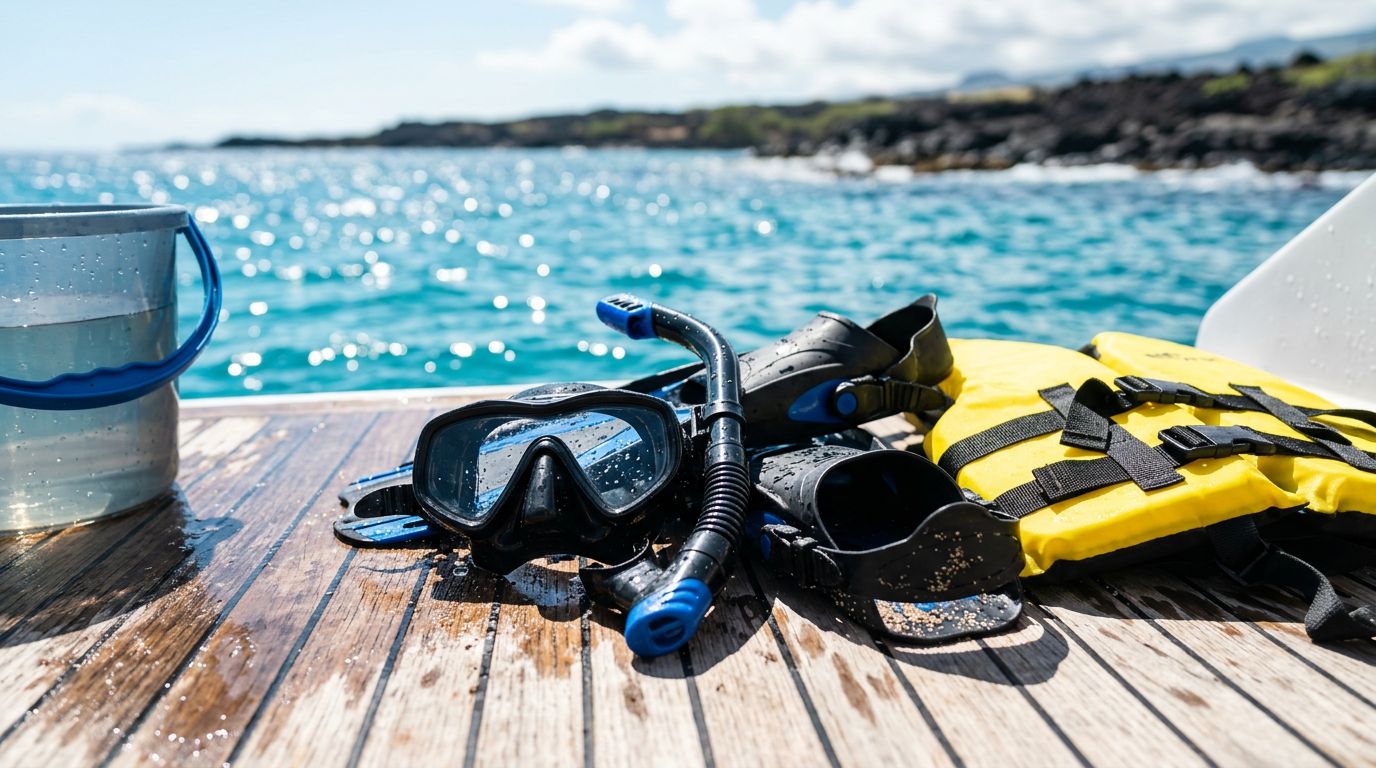
Saltwater, sand, sunscreen, and heat can shorten the life of snorkeling equipment before you notice a problem. When you join Kona snorkeling tours, a few careful steps after swimming help protect the mask, snorkel, fins, and flotation gear you used.
Kona Snorkel Trips puts its “Reef to Rays” philosophy into practice through small-group trips, lifeguard-certified guides, quality equipment, and responsible ocean habits. If snorkeling Big Island Hawaii is on your itinerary, treat rental gear with the same care you give the reef. Start with what you do before leaving the water.
Why gear care starts before you leave the water
Use the equipment gently
Rental gear works best when you avoid forcing it. Adjust your mask strap before entering the water, rather than pulling hard on it while waves move around you. If the mask leaks, ask your guide for help instead of tightening the strap until the silicone presses uncomfortably against your face.
When you remove fins, sit on a boat step or in shallow water if your guide says it’s safe. Pull the heel strap gently. Don’t drag fins across lava rock, coral, a dock, or a boat deck. The blades can bend, crack, or develop stress marks when you twist them against a hard surface.
Your snorkel also needs simple handling. Hold it by the main tube instead of swinging it by the mouthpiece. Keep the purge valve clear of sand, and place the snorkel in the same gear area when you finish.
Keep sunscreen and sand away from the mask
Apply sunscreen before you put on a mask. Mineral sunscreen is a good choice for the reef, but any thick lotion around the mask skirt can interfere with the seal. A loose seal creates leaks, which often leads swimmers to pull on the strap or press the mask harder against their face.
Sand causes a different problem. Even a small amount can collect around the silicone skirt or the snorkel’s purge valve. Don’t rub gritty equipment with a dry towel. Let your guide rinse it with fresh water first.
If you need sun protection during a longer trip, wear a rash guard or sun shirt when appropriate. Hawaii’s Department of Land and Natural Resources offers a coral-saving sunscreen guide that recommends avoiding oxybenzone and octinoxate.
What to do during the first 10 minutes after your tour
The first few minutes after you return are the easiest time to protect rental equipment. Saltwater starts drying on the gear almost immediately, especially under direct Kona sun.
Rinse every item with fresh water
Use the operator’s rinse station or follow the crew’s instructions. Rinse the mask skirt, lens area, strap, snorkel tube, mouthpiece, fins, flotation vest, and any wetsuit you borrowed.
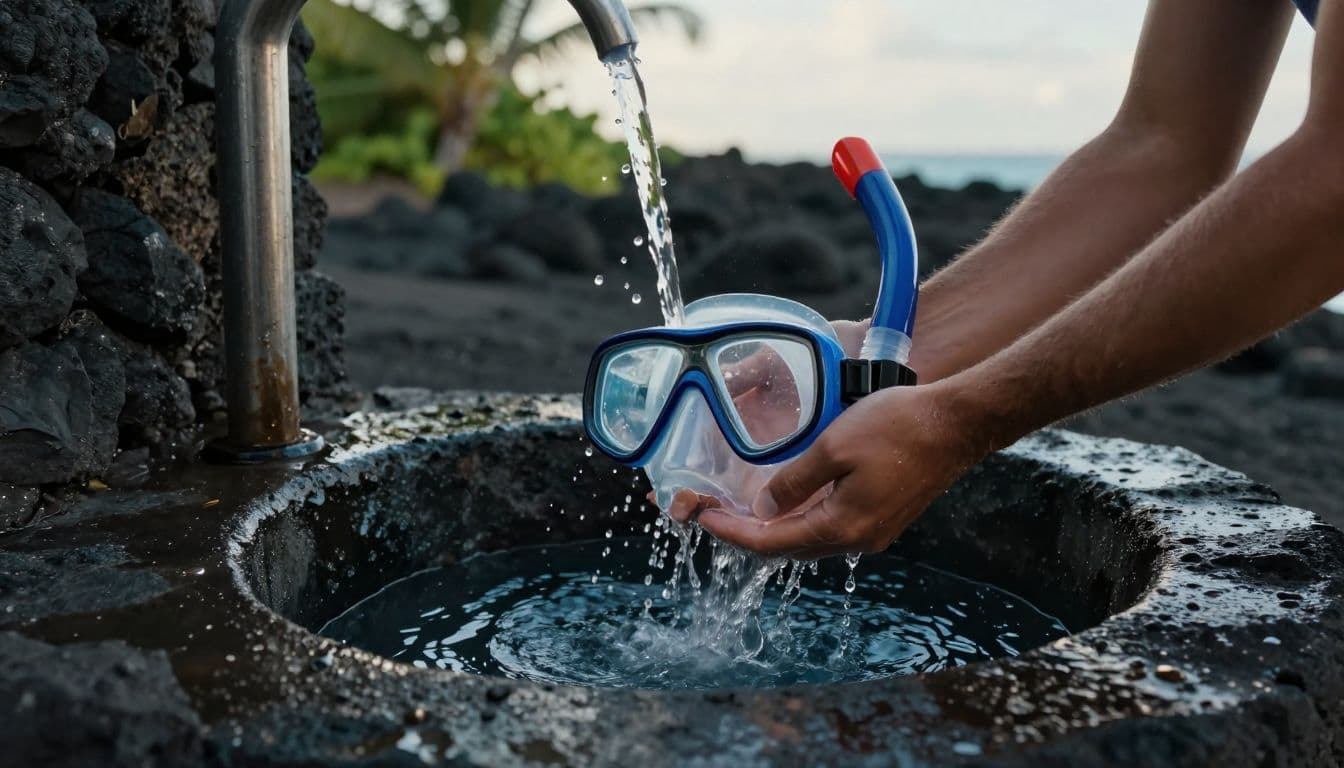
Fresh water removes salt crystals before they dry into the seams and moving parts. Give extra attention to the mask skirt and strap because salt can make silicone feel stiff over time. Rinse the snorkel mouthpiece according to the operator’s sanitation procedure, rather than adding your own soap or disinfectant.
The Ocean Reef Group sanitation protocol calls for a thorough fresh-water rinse and complete drying for diving equipment. Snorkel operators may follow their own procedures, so your guide’s directions come first.
Keep small parts with the right equipment
Don’t leave a mask on one side of the dock and its snorkel on another. Place each item in the assigned bin, rack, or gear bag. This simple habit prevents mix-ups and keeps mouthpieces, straps, and fins from getting stepped on.
If you used prescription lenses, a flotation belt, a shorty wetsuit, or children’s equipment, tell the crew before returning it. Smaller items are easier to overlook during a busy turnaround.
Salt crystals cause more trouble when they dry in place. A quick fresh-water rinse is easier than trying to loosen them later.
How to clean rental snorkel gear without damaging it
Cleaning rental equipment doesn’t mean scrubbing it with household products. Most of the work should happen through a proper rinse, inspection, and operator-approved sanitation process.
Clean masks and snorkels with a light touch
Hold the mask by its frame or strap and let fresh water run over the lens and silicone skirt. If sand remains, rinse again. Avoid rubbing the lens with a rough towel, swimsuit, or paper product because small scratches can reduce visibility and create glare.
Never use glass cleaner, dish soap, alcohol, bleach, or an abrasive sponge on a rental mask. These products can damage silicone, coatings, adhesives, or plastic components. If the operator supplies a cleaning solution, use it only as directed.
The snorkel needs attention around the mouthpiece and purge valve. Run fresh water through the tube when the crew instructs you to do so. Don’t poke the valve with a stick, key, or fingernail. A bent valve can cause leaks or make it harder to clear water.
Rinse fins, vests, and wetsuits separately
Fins collect sand along the foot pocket and heel strap. Rinse those areas well, then place the fins flat or in the rack your operator provides. Don’t stack heavy gear on top of them.
For a flotation vest, rinse the straps, buckles, and fabric panels. Leave buckles open if the crew requests it, so water can drain. Don’t twist the vest to squeeze water out. That can strain seams and attachment points.
Wetsuits need a complete rinse inside and out when the operator’s process calls for it. Hang them over a wide bar or place them where air can move through the material. Narrow hangers can create pressure points, while a wet wetsuit left in a closed bag can develop an unpleasant odor.
Dry rental gear completely before handing it back
Rinsing removes salt, but drying prevents trapped moisture from lingering in seams, valves, and fabric. Follow the crew’s instructions because some operators prefer to handle drying and sanitation themselves.
Choose shade and airflow
Direct Hawaiian sunlight can heat dark plastic and silicone quickly. Place gear in a shaded area with good airflow instead of leaving it on a hot boat seat, pavement, or car dashboard.
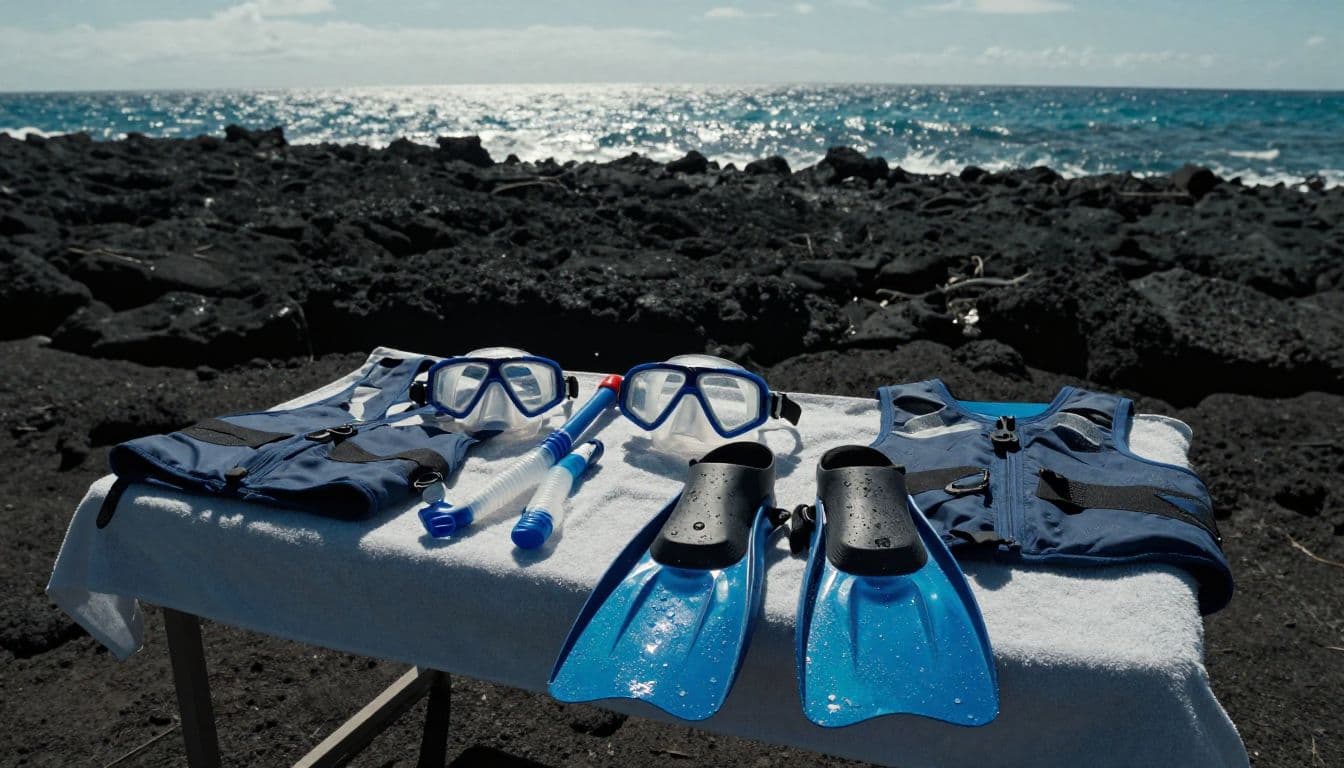
Hang a mask by a sturdy strap section, not by a delicate buckle. Keep the lens away from rough surfaces. Set fins so air reaches both sides, and open flotation vest buckles if permitted.
Don’t use a hair dryer, clothes dryer, heater, or hot car to speed up the process. Heat can warp plastic and weaken adhesives. A shaded rack with moving air is slower, but it is much safer for the equipment.
Pack wet items only when the crew says to
Sometimes you need to return gear while it remains damp. If your operator asks you to place wet equipment in a particular bin, do that rather than improvising. Keep the items separated as instructed, and don’t seal them in your personal luggage.
For personal swimwear and towels, use a ventilated mesh bag or a separate waterproof pouch. That prevents your dry clothes, phone, and car keys from picking up saltwater or sand.
Inspect the gear and report problems before leaving
A quick inspection protects you and the next guest. It also gives the crew a chance to remove damaged equipment before the next trip.
Check the parts that affect comfort and safety
Look over the mask lens, frame, skirt, strap, and buckles. A cracked lens, torn skirt, or strap that won’t hold its setting needs attention. You should also check that the snorkel mouthpiece feels attached and that the purge valve doesn’t appear loose.
Inspect fin straps and foot pockets for tears. Check flotation vests for loose buckles, broken clips, or damaged seams. If you wore a wetsuit, mention a torn panel or broken zipper.
You don’t need to perform a technical repair inspection. Notice anything that felt unusual during the tour, then tell the guide clearly.
Speak up about damage
Describe what happened rather than making a guess about who caused it. You might say, “The left fin strap released twice,” or “The mask started leaking around the lower skirt.” Clear details help the crew identify the right item.
Don’t glue a strap, tighten a buckle with a tool, or try to replace a mouthpiece. Rental equipment may have specific parts, and an improvised fix can create a larger problem.
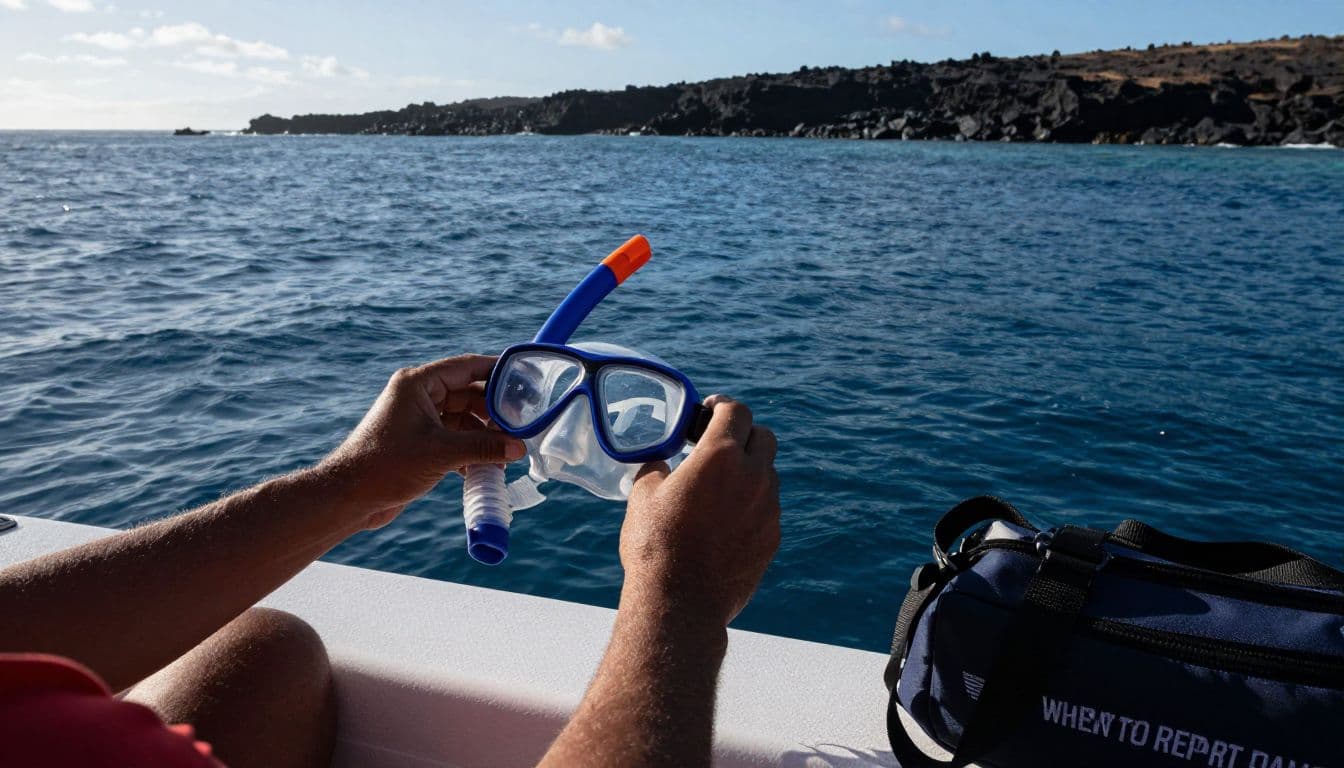
A loose strap is a crew problem to solve at the dock, not a repair project for your hotel room.
Kona snorkeling tours have different gear-care needs
Your after-tour routine depends partly on the type of outing you choose. A short reef swim, a Captain Cook excursion, and a nighttime manta experience may use similar basic equipment, but the conditions and return process can differ.
Kona Snorkel Trips keeps the process personal
Kona Snorkel Trips is a Kailua-Kona ocean adventure company focused on guided snorkeling, manta ray encounters, seasonal whale watching, and private boat trips. Its guides are lifeguard certified, and its small-group approach gives you more direct support when you need help with fit, water comfort, or returning equipment.
The company provides carefully selected snorkeling gear and custom-built lighted boards for nighttime encounters. After your trip, follow the crew’s instructions for rinsing and returning each item. You can review the available Kona snorkeling tours before choosing an outing that suits your group.
Kona Snorkel Trips’ “Reef to Rays” philosophy also includes reef-safe conduct and education. That means your guide can help you avoid touching coral, standing on shallow reef, or mishandling equipment near marine life.
If you already know your travel dates, you can check availability for a guided snorkeling trip in Kailua-Kona.
Night manta and Captain Cook trips need extra attention
Night snorkeling adds lights, boards, and a different return routine. Keep the mask and snorkel together after the experience, and don’t place wet equipment on top of lighting equipment or other electronics. Follow the crew’s directions for returning the gear because nighttime loading areas can be less visible.
You can review the Kona manta ray night snorkel details before booking. The check availability link is useful when you need to compare times during your stay.
For a daytime trip, the Kealakekua Bay snorkeling tour takes you toward a marine sanctuary and the Captain Cook Monument. The ride, reef conditions, and boat setup may differ from a short coastal outing, so ask where the crew wants each item placed. You can check avaialbility for that Captain Cook trip.
What not to do with borrowed ocean gear
Don’t use household soap or hot water
Household cleaners can leave residue on a mouthpiece or damage silicone. Hot water can also soften, warp, or weaken certain plastic parts. Fresh water at a normal temperature is the safer first step, followed by the operator’s approved sanitation method.
Avoid oils and conditioners near the mask skirt. Hair products, body oils, and thick lotions can make the silicone slippery and affect the seal. Rinse your face before putting the mask on if you applied a heavy product at the hotel.
Don’t leave equipment in a closed bag
A sealed bag traps moisture and odor. It also hides damage from the crew. If you need to transport gear for a short time, use the bag supplied by the operator and return it as soon as you reach the designated area.
Don’t place fins under luggage or toss a mask into a beach bag with keys, sunglasses, and loose shells. Hard objects can scratch the lens. Keep personal items separate from rental gear whenever possible.
Don’t take rental equipment to the beach, hotel pool, or another excursion unless the operator specifically allows it. Each company has its own rental agreement and cleaning process.
Responsible reef habits protect equipment too
Keep your hands, fins, and gear off coral
When you snorkel Big Island reefs, your body position affects both the reef and your equipment. Stay horizontal in the water, kick from your hips, and keep your fins behind you. Avoid standing when the bottom is shallow, even if the reef looks bare.
Coral can cut skin, damage fins, and break when swimmers use it for balance. Hold a flotation device if you need support, and ask your guide for a safer position. NOAA’s marine wildlife viewing guidance for Hawaii recommends keeping appropriate distance from wildlife and avoiding contact.
NOAA also provides hands-to-yourself reef guidance. That principle applies to turtles, fish, rays, coral, and the seafloor. Your mask and fins are easier to manage when you aren’t reaching toward animals or the bottom.
Choose sun protection that helps the reef
Your sunscreen can affect your own comfort and your rental mask. Apply it before you arrive, allow it to settle, and keep excess lotion away from the silicone skirt. A rash guard reduces how much sunscreen you need on your shoulders and back.
DLNR recommends water-resistant sunscreen with mineral filters, and its reef-safe sunscreen information explains why ingredient labels matter. Read the active ingredients instead of trusting a vague front-label claim.
Careful sun protection matters during every outing, especially when you spend time on a boat between swims. It also helps you finish the day without greasy equipment, irritated eyes, or a mask that won’t seal.
A simple after-tour routine for every traveler
You don’t need a complicated kit. Use the same sequence each time, whether you’re traveling with children, visiting as a couple, or exploring alone.
- Return to the boat, dock, or beach area with every item you received.
- Ask the crew where to place masks, snorkels, fins, vests, and wetsuits.
- Rinse gear with fresh water using the operator’s station or instructions.
- Keep small pieces together, especially straps, buckles, and prescription inserts.
- Let the crew handle approved sanitation and drying when the rental process requires it.
- Report anything that leaked, slipped, cracked, tore, or felt unsafe.
- Check your own pockets and dry bag for personal items before leaving.
Families can assign one adult to count equipment while children return items one at a time. Couples can inspect each other’s masks and straps before handing them back. Solo travelers should take an extra moment to check the deck, dock, and rinse area for a forgotten snorkel or fin.
If you book a private outing, ask about the return process before departure. Kona Snorkel Trips offers private Kona boat charters that can be tailored to your group, reef interests, and preferred pace. A seasonal whale watch has different equipment needs, so check the details for Kona whale watching tours if your plans include a wildlife trip rather than a snorkel swim.
Conclusion
Rental gear care takes only a few minutes, but it protects the equipment that helps you see Kona’s reefs clearly and swim comfortably. Rinse salt and sand promptly, dry items with shade and airflow, avoid household cleaners, and report damage before you leave.
When snorkeling Big Island waters, responsible habits belong in the boat, at the rinse station, and in the reef itself. Your next ocean outing starts with returning today’s equipment clean, complete, and ready for the next guest.