
Kona Snorkeling: Why Reef Fish Visit Cleaning Stations
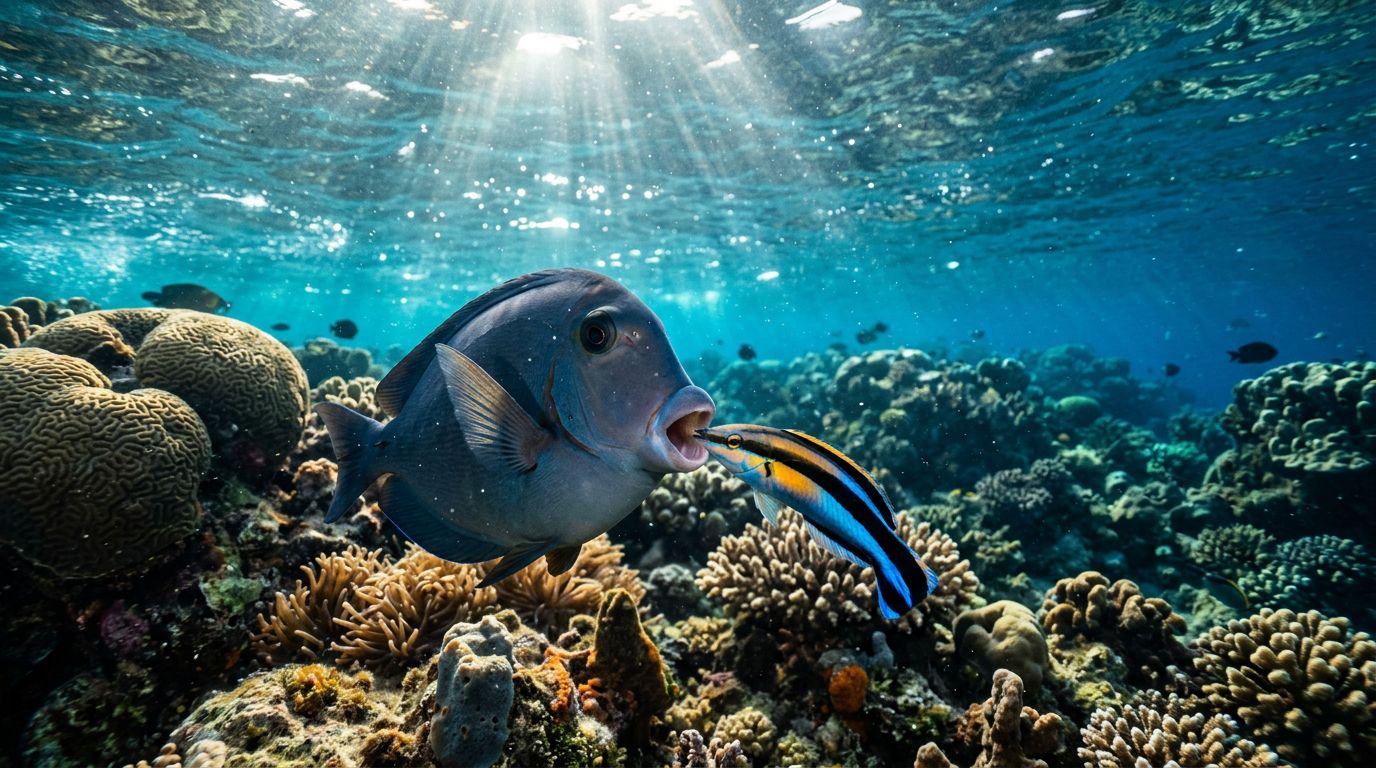
One small reef fish can turn a busy coral outcrop into an underwater waiting room. During Kona snorkeling, you may see tangs, butterflyfish, or larger fish pause, hover, and open their mouths while a cleaner wrasse works over their bodies.
If you’re planning snorkeling on the Big Island of Hawaii, this behavior can be more interesting than a quick fish identification. Cleaning stations are not feeding sites. They are places where reef fish receive a service that removes irritating organisms and damaged tissue.
Kona Snorkel Trips builds guided ocean outings around healthy reefs, responsible wildlife viewing, and close observation. Once you know what to watch for, a quiet patch of coral can reveal one of the reef’s most organized relationships.
Why Cleaning Stations Matter During Kona Snorkeling
A cleaning station is a regular location where small cleaner animals remove parasites, dead skin, and other unwanted material from larger fish. In Hawaiian waters, the Hawaiian cleaner wrasse, Labroides phthirophagus, is one of the fish you may see performing this work.
The cleaner wrasse usually holds a small territory near a coral head, lava ledge, or other structure. Larger fish recognize the location and return when they need cleaning. A station may look like an ordinary section of reef until you notice fish hovering in place instead of swimming through.
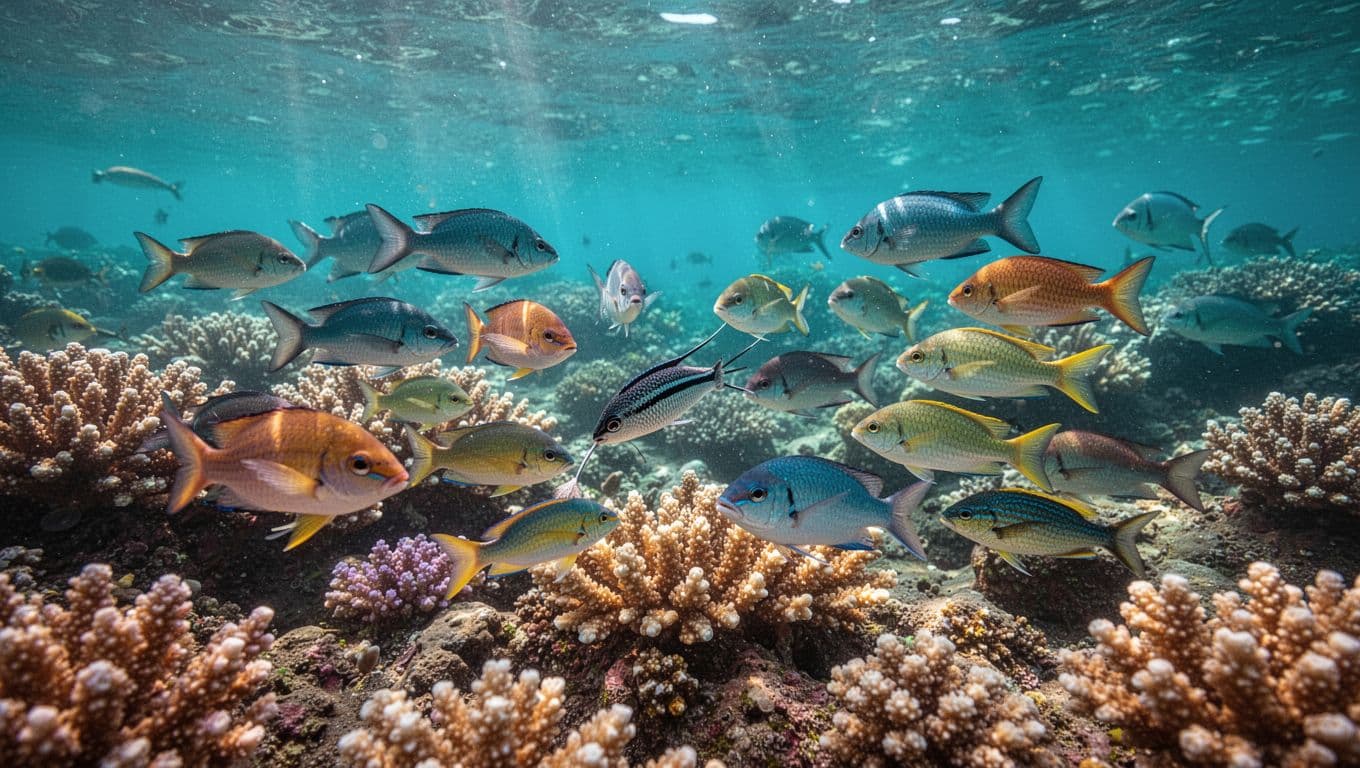
The cleaner wrasse gains food, while the visiting fish receives grooming. This relationship is a form of mutualism because both animals receive a benefit. The larger fish gets relief from parasites and debris. The smaller fish gets a dependable food source without chasing prey across the reef.
You might see a cleaner working along a fish’s flank, fins, mouth, or gill covers. The process can take only a few seconds, or the client fish may remain at the station for much longer. Larger fish may wait nearby while another visitor finishes.
Cleaning stations matter because reef fish live in a crowded environment. Their skin, fins, and gills come into contact with parasites, sediment, and damaged tissue. Regular cleaning helps remove some of these irritants before they cause bigger problems.
The reef fish are clients, not prey
Marine biologists often call the visiting fish “clients.” The term fits because the fish arrive with a clear purpose and adopt a recognizable posture.
A client may hover nearly motionless, raise its head, spread its fins, or open its mouth. Some extend their gill covers so the cleaner can reach areas that are difficult for the fish to clean alone. These positions communicate that the fish is ready for service and won’t attack the cleaner.
The arrangement requires trust. A cleaner wrasse is small enough to become prey for some reef fish. Yet the client allows it to swim close to sensitive areas. The cleaner’s distinct behavior and station location help establish this temporary agreement.
If you see a fish hovering with its mouth open above the same coral head, look closely before assuming it’s feeding. You may be watching a cleaner wrasse inspect the fish’s skin or gills.
How an Underwater Cleaning Station Works
The relationship begins with recognition. A client fish approaches a familiar station, then slows down or takes a head-up position. The cleaner wrasse may respond with a short display, swimming in a distinctive way that signals its role.
Once contact begins, the cleaner moves across the client’s body. It picks at small parasites and loose material with quick movements. The client remains still, sometimes adjusting its position so the cleaner can reach another section.
A recognizable signal brings fish together
The station’s location gives reef fish a predictable place to return. The cleaner’s display adds another signal. In clear Kona water, you may see this interaction without getting close because the body positions are so unusual.
A fish that normally moves constantly may stop above a coral head. Its fins can spread wide, and its mouth may stay open. Meanwhile, the cleaner wrasse darts across the fish’s body before returning to its territory.
Other fish may circle the station while they wait. They don’t form a neat line, but the order is still visible. A larger client often receives attention first, while smaller fish remain close to the reef.
The cleaner’s behavior also helps protect it. A dedicated station gives the wrasse a known place to retreat. It doesn’t have to search open water for every meal, and clients know where to find it.
The agreement has limits
Cleaning isn’t a perfect bargain. Cleaner wrasse sometimes eat mucus from a client’s skin instead of removing parasites. Mucus protects fish from infection and helps maintain their outer coating, so a client may treat that behavior as cheating.
When this happens, the client can move away, chase the cleaner, or avoid that wrasse later. The cleaner still depends on returning clients, so taking too much mucus can damage its own food supply.
That balance explains why the station works best when the cleaner provides a useful service. A client fish doesn’t remain at the reef because it has been trapped or fed. It stays because cleaning offers a benefit.
You may also see a fish visit the reef without receiving attention. Some fish pause for shelter, look for food, or inspect the area. The posture and cleaner’s movement help you tell a cleaning visit from ordinary reef activity.
Why Reef Fish Gather at Cleaning Stations
Reef fish gather at cleaning stations for practical reasons. The site offers a reliable service, and the cleaner has built a territory that clients can locate.
The main reasons include:
- Predictable location: Fish can return to the same coral head or lava structure instead of searching for a cleaner.
- Reduced parasite load: Cleaning removes organisms and debris from skin, fins, mouths, and gill areas.
- Lower effort: A short stop at a station can be more efficient than trying to remove every irritant alone.
- Shared access: Several species can use the same cleaner, even though they occupy different parts of the reef.
The station also brings together fish that may not interact elsewhere. A surgeonfish, butterflyfish, or parrotfish may pause near a larger client without competing for food. They are sharing access to the cleaner, not gathering around bait.
Because the station has a fixed location, fish can include it in their normal movement patterns. A resident fish may pass the site every day. A visiting fish may find it while moving along the reef edge, then return when conditions and timing work.
If fish hover with their mouths open at one coral head, you may be watching a service queue rather than a feeding frenzy.
The number of visitors can change throughout the day. Water movement, light, depth, and fish activity all affect what you see. A station may seem empty during one swim and busy later.
Cleaning stations can also make a reef feel more active than it first appears. Fish aren’t only swimming past you. They are making decisions, waiting their turn, signaling to one another, and responding to the cleaner’s behavior.
That is why learning this pattern improves your Kona snorkeling experience. You stop looking only for bright colors and start reading what the animals are doing.
Kona Conditions for Snorkeling Big Island Reefs
Kona’s west coast often offers clear water and relatively sheltered conditions compared with more exposed shorelines. Underwater lava formations create ledges, channels, coral patches, and small walls where cleaner wrasse can hold territories.
You don’t need to search every inch of the reef. Look for areas with moderate relief and steady fish traffic. A cleaner needs a place where it can be seen by clients, while visiting fish need enough room to hover and turn.
Morning conditions often provide calmer water, although visibility and wildlife activity vary by day. Wind, swell, runoff, tide, and boat traffic can change the experience. A local guide can choose a site that matches current conditions rather than relying on one location every time.
Kealakekua Bay offers a strong setting for observation
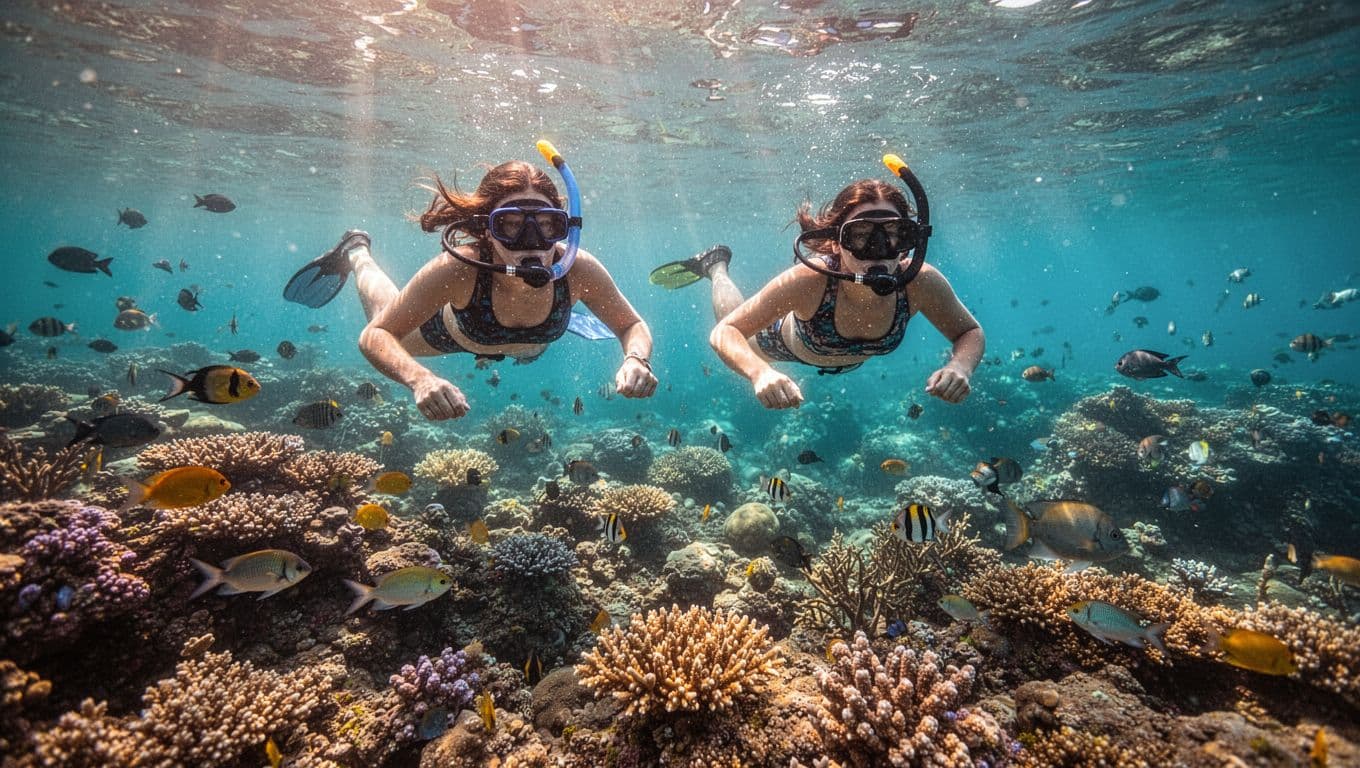
Kealakekua Bay is known for clear water, marine life, and its protected Marine Life Conservation District. The bay’s underwater structure gives you many opportunities to watch fish behavior without needing deep water.
You may see fish moving along the reef, pausing at coral formations, or visiting cleaning areas. A specific cleaning station isn’t guaranteed because animals move and conditions change. Still, the bay’s diversity makes it a rewarding place to practice patient observation.
A guided Kealakekua Bay snorkeling trip can also add context about the coastline, marine species, and local history. The trip area includes the Captain Cook Monument, sea cliffs, and reef habitat that you can observe from the water.
If you’re comparing operators for this route, Captain Cook Snorkeling Tours is another company associated with Captain Cook and Kealakekua Bay excursions. For a Kona departure, you can also check avaialbility for a Captain Cook snorkeling trip with Kona Snorkel Trips.
Boat trips can improve your chances of seeing natural behavior
A boat gives you access to reef areas that may be difficult to reach from shore. You also avoid spending your best viewing time walking over uneven lava, checking entry points, or waiting for conditions to improve.
For snorkeling Big Island waters, the right trip depends on your comfort in the ocean, your travel group, and the site’s conditions. A guide can help you maintain a safe distance from wildlife while pointing out a cleaning station that you might otherwise swim past.
No responsible operator can promise that fish will use a particular station during your visit. The better promise is a thoughtful approach, good site selection, and enough time to observe without rushing.
How to Watch a Cleaning Station Without Disturbing It
Your behavior affects what you see. Fish may leave when snorkelers crowd a station, kick hard, reach toward the coral, or chase a client that has moved away.
Start by slowing your breathing and keeping your body level. Use relaxed fin strokes and let the current carry you when conditions allow. Avoid grabbing coral, resting on the bottom, or standing on shallow reef structures.
Stay far enough away for fish to maintain their normal positions. If a client fish turns sharply or leaves as you approach, you are too close. Back away and wait. The cleaner may resume its work after the area becomes calm.
Keep your hands relaxed at your sides. Touching fish can remove protective mucus from their skin, and touching coral can break living tissue. Even a light fin contact can damage a coral colony that took years to grow.
Good reef etiquette helps you see more
These habits give you a better chance of watching a full interaction:
- Swim beside the station instead of directly over it.
- Keep your fins below the surface and away from coral.
- Never feed fish or use food to attract them.
- Avoid blocking the cleaner’s access to visiting fish.
- Follow your guide’s instructions about distance, current, and entry points.
Photography requires the same patience. Keep your camera steady and let the fish come into view. Avoid chasing a client for a closer shot, and don’t use a flash directly at a fish’s eyes.
You should also respect your own limits. If you struggle to float, clear your mask, or breathe comfortably through a snorkel, ask for help before entering the water. A flotation vest can give you stability and reduce the urge to kick against the reef.
Weather matters as much as skill. If the water becomes rough, visibility drops, or you feel tired, leave the station and return to the boat or shore. A cleaning station is never worth ignoring a safety instruction.
Choosing a Guided Kona Snorkeling Trip
Kona Snorkel Trips follows a “Reef to Rays” philosophy that connects wildlife viewing with reef care. The company runs small-group ocean adventures with Lifeguard Certified guides, high-quality snorkeling equipment, safety briefings, and education about Hawaiian marine life.
You can depart from Honokohau Marina, between downtown Kailua-Kona and the airport. The company has its own dock, which makes boarding easier than dealing with a crowded launch ramp. A shaded harbor area also gives you a comfortable place to prepare before heading offshore.
Small groups matter when you’re watching behavior at a cleaning station. Fewer swimmers mean less noise, fewer fins crossing the reef, and more room for fish to continue their normal routines. Your guide can also spend more time explaining why a fish is hovering or why a cleaner suddenly leaves.
The crew uses reef-safe practices and treats wildlife encounters as observation rather than performance. That approach fits cleaning stations because the most memorable moments often happen after you stop trying to force them.
You can review the company’s guided Big Island snorkeling tours when choosing a route that fits your group. If you want a general reef outing, check availability before your preferred date fills.
Cleaning stations are different from manta ray feeding sites
Manta rays don’t gather at cleaning stations in the same way reef fish do. During Kona’s nighttime manta encounters, mantas often follow plankton concentrations near lights. They glide through the water with their mouths open, filtering tiny food particles.
That behavior may look organized, but the purpose is different. Reef fish visit cleaner wrasse for grooming. Manta rays visit plankton-rich water to feed. Understanding the difference helps you read what you’re seeing instead of grouping every wildlife gathering under the same explanation.
If you want to add a separate nighttime experience to your trip, explore the manta ray night snorkel in Kona. You can also check availability for that tour.
Kona Reef Fish Reward Patience
When you snorkel the Big Island, you may enter the water looking for turtles, bright fish, or dramatic coral formations. Cleaning stations give you another way to understand the reef. You can watch fish cooperate, wait, signal, and return to familiar places.
The main lesson is simple: reef fish gather because cleaner wrasse provide a dependable service. The station helps the cleaner find food and helps larger fish remove parasites and debris.
During Kona snorkeling, slow down near coral heads and reef ledges. Keep your distance, avoid touching anything, and let the animals decide whether to stay. The quieter you become, the more of the reef’s natural behavior you can see.