
Boat Tour Attire: What to Wear When Winds Rise
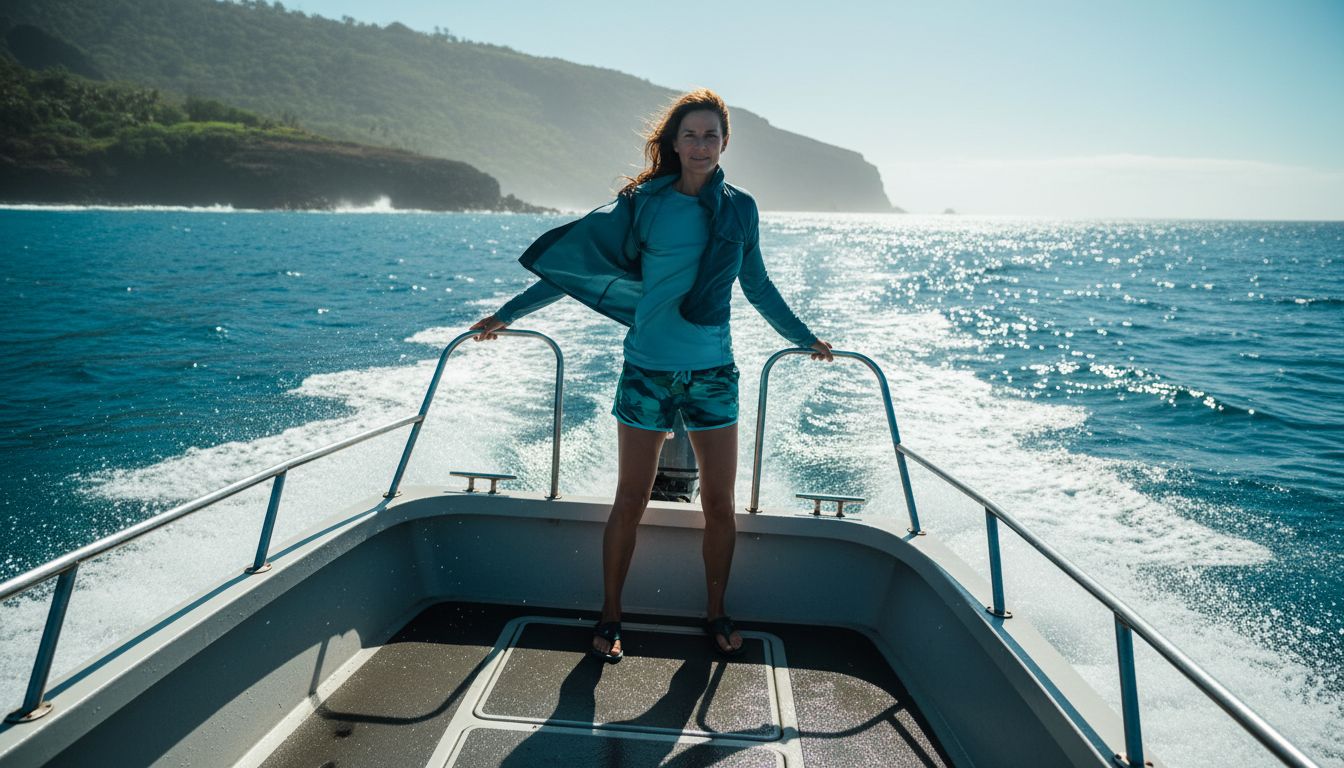
Wind can turn a warm Kona morning into a cool, spray-soaked ride before you reach the reef. Good boat tour attire starts with quick-drying swimwear, a sun layer, and one light shell you can pull on when the breeze rises.
The right clothing keeps you comfortable without adding bulk. You may sit on a moving deck, climb a swim ladder, walk across a wet surface, or head straight into the water. At Kona Snorkel Trips, small-group trips, quality gear, and lifeguard-certified guides help you enjoy the ocean safely, but your clothing still affects the experience.
Use this guide to build an outfit that works in wind, sun, spray, and changing temperatures.
Wind Changes the Comfort Equation on a Boat
A breeze on land can feel mild. Once a boat leaves the harbor, moving air reaches you from every direction. The boat’s speed adds to the natural wind, and open decks offer little shelter. Even a sunny day can feel cool when your skin is damp.
Ocean spray adds another layer of discomfort. A swimsuit that feels fine on a beach may leave you cold after repeated splashes. Cotton shirts and heavy shorts also hold moisture, so they take longer to dry.
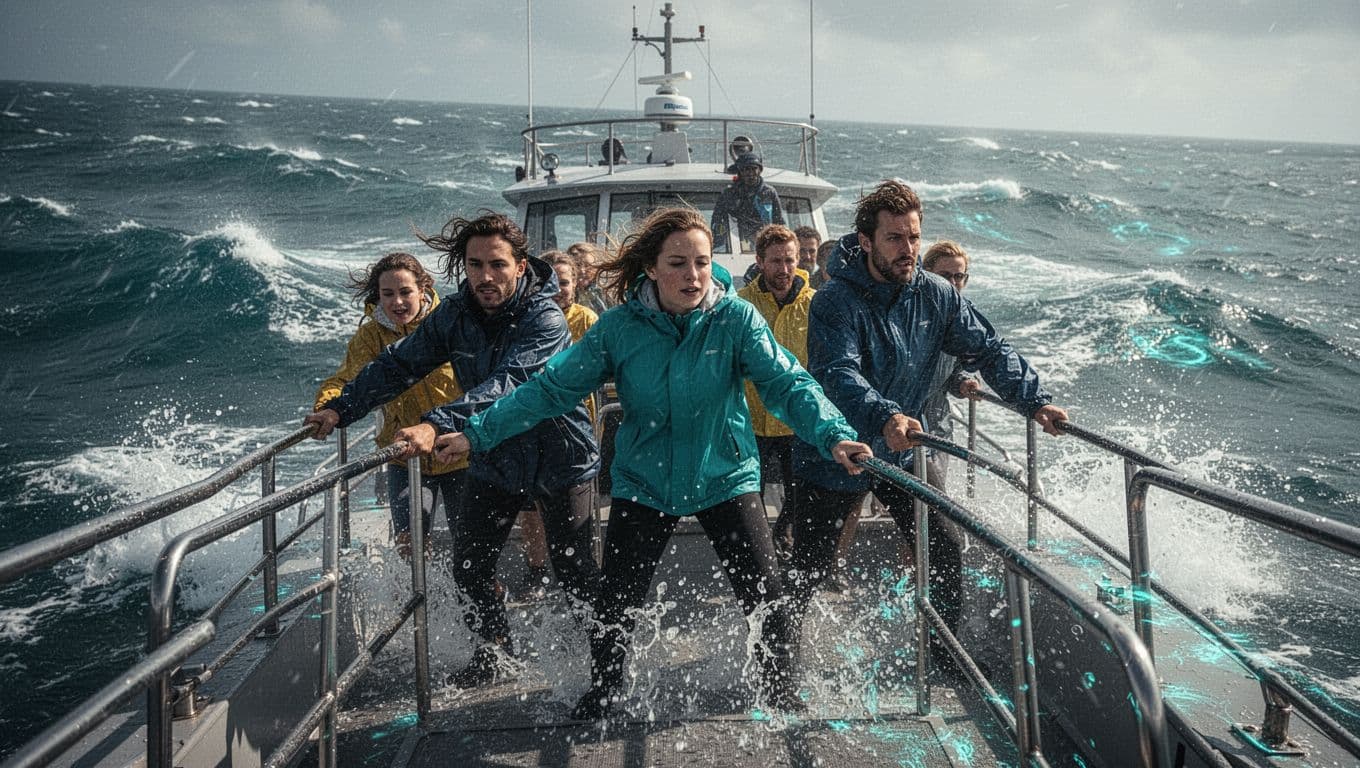
Your route and departure time matter, too. A morning reef trip, sunset cruise, nighttime manta outing, and winter whale watch can each require a different outer layer. Ask your tour operator about the boat layout, expected spray, and whether you will spend most of the trip sitting or moving around.
A recent visitor discussion about boat-tour clothing also points to the value of a light jacket, windbreaker, and long-sleeve sun shirt.
Your outer layer should be easy to remove, easy to store, and comfortable when damp air hits your skin.
Check the forecast, then dress for the boat
Weather apps usually show conditions on land. Those details help, but they don’t fully describe how the open ocean will feel. Look at wind direction, cloud cover, rain chances, and the time of day.
You don’t need to bring a suitcase onto the boat. Pack one reliable shell and one dry backup layer. If the crew says conditions may change, believe that advice. Local guides know how wind behaves along the coastline and which parts of the route receive the most spray.
Boat Tour Attire Starts with Quick-Dry Layers
Your first layer should work in and out of the water. Quick-drying nylon, polyester, and similar performance fabrics are practical choices because they shed water and dry faster than cotton.
A well-fitting swimsuit is the simplest base. Choose swim trunks with a secure waistband or a one-piece swimsuit that stays comfortable during swimming. Adjustable straps, supportive coverage, and a fit that doesn’t need constant attention are more useful than fashion details.
For extra coverage, add a rash guard or lightweight long-sleeve swim shirt. A rash guard can reduce rubbing under a life jacket and give you another layer against wind and sun. If you choose a sun shirt, look for a stated UPF rating and a fit that doesn’t billow in the breeze.
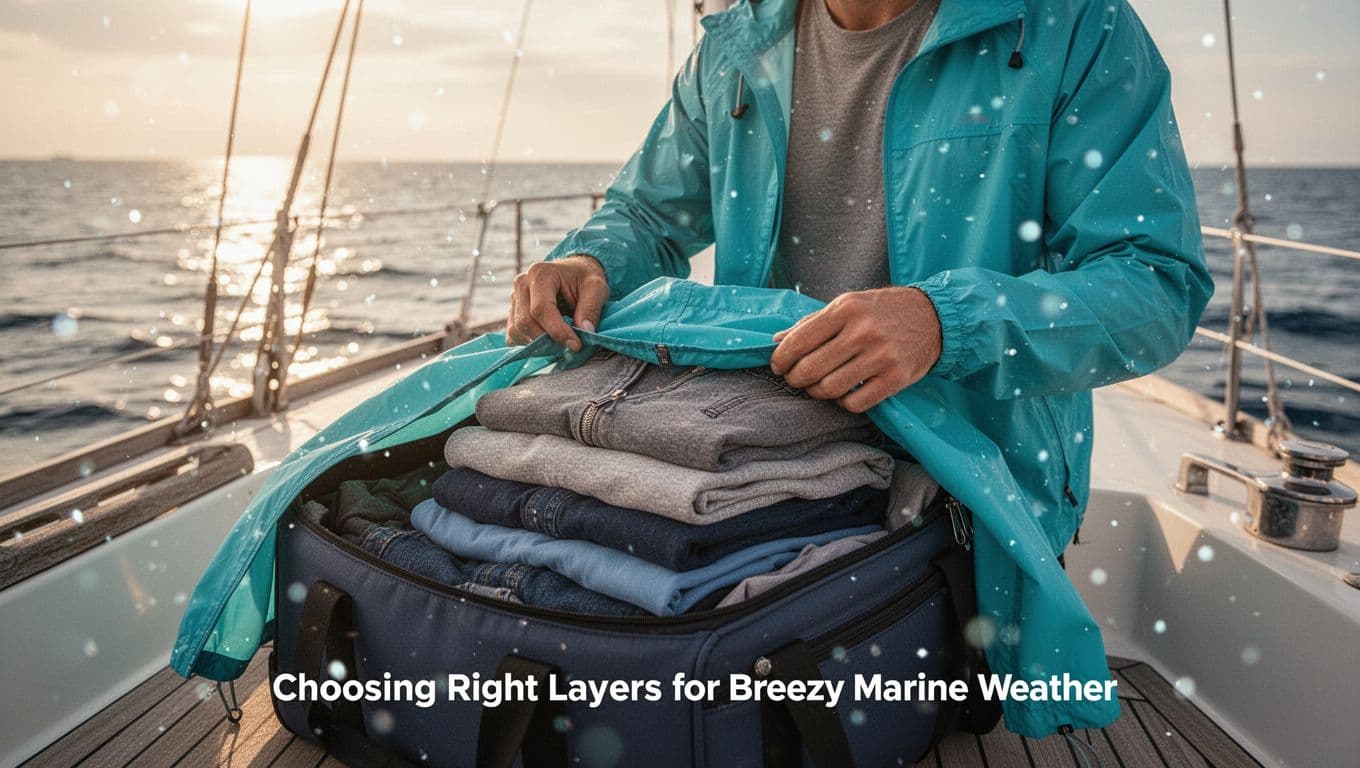
Avoid starting with denim, thick cotton, or heavy athletic fleece. Those fabrics become uncomfortable when wet and can feel heavy beneath a jacket. A cotton T-shirt may work for the drive to the harbor, but it isn’t the strongest choice for the open-water portion of your day.
A breathable synthetic top works well for passengers who plan to stay onboard. If you’re swimming, choose a top that won’t trap too much water or create drag.
Choose swimwear that stays secure
Boat decks move under your feet. Loose straps, oversized trunks, and slippery fabric can become distracting when you climb a ladder or sit near the edge.
For children, choose swimwear that allows easy movement and doesn’t have long ties. A snug rash guard can add warmth after swimming. Pack a second dry top for the ride back if your child tends to get cold.
Families who want to snorkel Big Island waters should also consider changing conditions. A comfortable swimsuit may be enough while you swim, but you’ll appreciate a long-sleeve layer once you return to the boat.
Add a Windproof Outer Layer
A lightweight windbreaker is the most useful piece of boat tour attire when winds rise. It blocks moving air without taking up much space in your bag.
Choose a jacket with a full zipper, a close-fitting collar, and sleeves that don’t hang over your hands. A hood can help during spray or light rain, but it should sit securely and avoid blocking your peripheral vision. Packable nylon shells work well because you can fold them into a small dry bag when the sun comes out.
A water-resistant rain jacket can work as a wind layer, but heavy waterproof shells may feel hot in direct sun. Look for ventilation and a soft interior. The jacket doesn’t need to be technical or expensive. It needs to fit over your swim shirt without restricting your arms.
A thin synthetic fleece or lightweight pullover can help on nighttime and winter trips. Wear it beneath the windbreaker rather than bringing one thick sweatshirt. Two thin layers give you more control when the temperature changes.
A sailing clothing guide offers another useful reminder: fabric choice affects comfort, breathability, and drying time on the water.
Match your lower half to the conditions
Shorts work well in warm, sunny weather, especially for daytime snorkeling. Choose quick-dry board shorts or athletic shorts that won’t cling after a swim.
Lightweight pants are better for strong wind, evening departures, or extended time on deck. Jogger-style travel pants, nylon hiking pants, and thin performance trousers can block wind while allowing you to move. Avoid jeans because they absorb water and restrict movement when wet.
Footwear deserves equal attention. Wear secure sandals with heel straps or lightweight water shoes if the operator allows them. Flip-flops can slide across wet decking and may fall into the water. Bare feet may be appropriate in some areas, but follow the crew’s instructions.
The table below offers a quick starting point for common conditions.
| Boat conditions | Practical clothing choice |
|---|---|
| Warm and lightly breezy | Swimsuit, rash guard, quick-dry shorts |
| Windy with ocean spray | Swimsuit, long-sleeve top, windbreaker, light pants |
| Nighttime departure | Swimsuit, warm mid-layer, windproof shell |
| Cool, cloudy, or seasonal whale watch | Long-sleeve top, windbreaker, lightweight pants |
| Family trip with frequent swimming | Quick-dry layers, secure sandals, dry backup clothes |
The takeaway is simple: choose thin layers that work together. You can remove one piece without losing comfort or mobility.
What to Wear for Snorkeling Big Island Hawaii Conditions
If you’re planning a day of snorkeling Big Island Hawaii, prepare for both water time and boat time. The water may feel comfortable while you swim, yet the ride back can feel cooler because your skin stays wet and the boat continues moving through the wind.
Start with a swimsuit and a rash guard. Add a light shell for the ride out, then store it in a dry bag before entering the water. If you get cold easily, bring a thin long-sleeve layer that dries quickly.
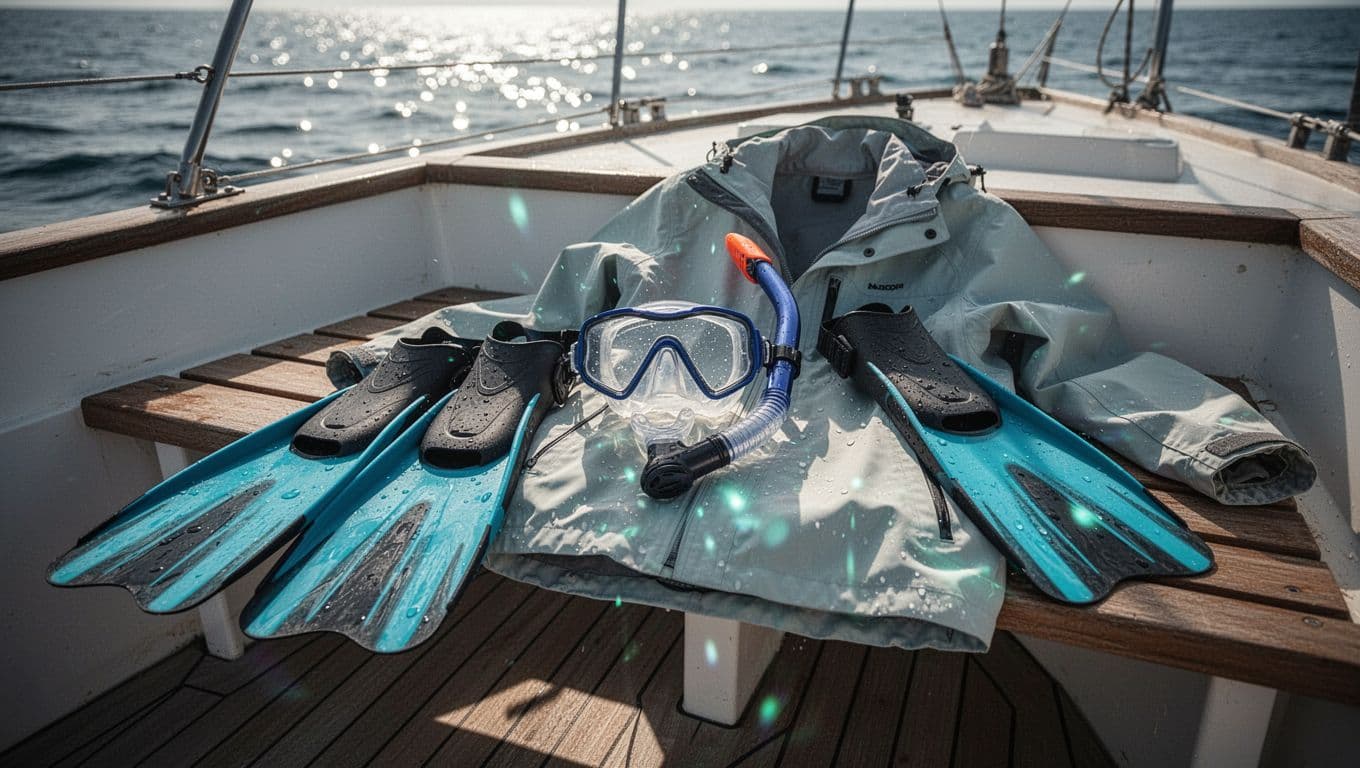
Sun protection remains important even when clouds cover part of the sky. Water reflects sunlight, and wind can make sun exposure less noticeable. Apply reef-conscious sunscreen before boarding, then use clothing for coverage whenever possible.
A brimmed hat can help during the ride, but select one with a chin cord or a secure fit. Loose hats often become airborne in gusts. Sunglasses with a retainer are also more practical than expensive frames you can’t secure.
Keep small items organized. A compact dry bag can hold your phone, keys, wallet, and spare layer. Never leave loose objects on a bench or near the boat’s edge. Ask the crew where to store personal belongings before departure.
Keep spray away from the things you need dry
A towel, dry shirt, and lightweight pants can make a major difference after swimming. Store them in a sealed bag rather than leaving them beneath an open seat. A wet towel won’t help much when the wind picks up.
Bring only the personal items you can manage safely. Large beach bags take up space and can shift across the deck. Your operator may also have storage limits, so check before bringing bulky gear.
Match Your Outfit to the Tour
Different boat trips create different clothing needs. The best boat tour attire for a midday reef excursion won’t always work for a nighttime manta trip or a longer whale-watching ride.
Kona Snorkel Trips follows a “Reef to Rays” philosophy, with guided ocean adventures built around safety, personal service, and respect for Hawaii’s marine environment. Its small-group trips include quality snorkeling gear, reef education, and lifeguard-certified guides. The company also uses custom-built lighted boards for nighttime encounters and keeps the focus on responsible interaction with the ocean.
You can review the available Big Island snorkeling tours before choosing the clothing that best matches your itinerary.
Daytime reef and snorkel trips
For a daytime reef trip, wear your swimsuit under a rash guard or quick-dry shirt. Add board shorts, secure sandals, sunglasses, and a packable windbreaker.
A long-sleeve top helps when you spend time riding between sites. It also gives you a dry layer to wear after swimming. If you plan to stay in the water for a long period, ask the operator what exposure protection and equipment they provide.
A small towel and dry change of clothes belong in your bag. So does a waterproof phone pouch if you plan to use your phone near the water. Keep the phone secured rather than carrying it around a wet deck.
For a daytime snorkeling trip with Kona Snorkel Trips, you can check availability.
Nighttime manta ray snorkeling
A manta ray night snorkel has a different rhythm. You may begin in warm daylight, then return to the boat after sunset. Bring a warm layer that fits over your swimsuit and any gear supplied by the crew.
A thin fleece, synthetic pullover, or soft long-sleeve shirt can help on the ride back. Add a windbreaker over it if the boat remains exposed to strong airflow. Lightweight pants are useful if your legs feel cold after swimming.
Avoid wearing bulky jackets into the water unless your guide gives specific instructions. Store your outer layers where they stay dry and follow the crew’s directions when moving around the boat and entering the water.
If a Kona manta ray night trip fits your plans, you can check availability.
Kealakekua Bay and Captain Cook trips
A trip to Kealakekua Bay often combines a scenic boat ride with daytime snorkeling. Wear a swimsuit, sun shirt, quick-dry shorts, and secure footwear. A windbreaker still belongs in your bag because the boat ride can feel cooler than the protected shoreline.
The bay’s clear water may tempt you to spend most of the trip swimming. Keep a dry layer ready for the return ride, especially if clouds build or the breeze increases.
Families should choose clothing that makes ladder climbs easy. Avoid long loose garments that can snag or drag through the water. Children may also appreciate a warm, dry top between snorkel sessions.
For a Kona Snorkel Trips Captain Cook or Kealakekua Bay outing, you can check avaialbility.
Whale-watching excursions
Whale-watching trips usually involve more time seated on deck, so wind protection becomes the priority. Wear a long-sleeve shirt beneath a windbreaker and choose lightweight pants instead of shorts if you tend to get cold.
A hat with a secure fit, sunglasses, and a small dry bag can improve the ride. You won’t need a swimsuit unless your itinerary includes a separate water activity.
For seasonal whale-watching plans in Kona, you can check availability.
Make Boat Tour Clothing Work for Your Family
Children often feel the cold sooner than adults after swimming. Pack one warm, dry top for each child, even when the forecast looks sunny. A lightweight windbreaker can help during the ride without weighing down a small bag.
Choose swimwear with secure straps and simple closures. Avoid loose accessories, long ties, and oversized hoodies. These items can catch on seats, drift toward the water, or become uncomfortable beneath a life jacket.
For younger children, ask the operator about life jacket sizes and available equipment before the trip. Bring only the personal flotation gear the crew approves. A proper fit matters more than matching the rest of the outfit.
Couples and solo travelers can use the same approach. Wear quick-dry basics, pack a shell, and leave room for a dry change of clothes. If you plan to take photos, use a strap or waterproof case that stays attached to you or secured in the storage area.
Motion-sensitive passengers may also benefit from staying warm and dry. Sit where the crew recommends, keep your eyes on the horizon when possible, and avoid wearing heavy wet clothing that adds discomfort.
Pack a Small Boat Bag, Not a Beach Suitcase
A compact bag keeps your items manageable on a moving deck. Pack the pieces that solve real problems:
- Bring a lightweight windbreaker or water-resistant shell.
- Add a dry shirt and light pants for the ride home.
- Pack a towel in a sealed waterproof bag.
- Carry reef-conscious sunscreen and lip balm.
- Use a sunglasses retainer and a secure hat.
- Store your phone, keys, and wallet in a small dry bag.
Your boat tour attire should stay simple enough to manage with one hand. If you can’t put on a layer without dropping your other belongings, the bag is probably too full.
Leave bulky beach chairs, glass containers, loose jewelry, and unnecessary electronics at your accommodation. Saltwater and wind are hard on valuables. Your guide can tell you which items may remain safely onboard and which should stay behind.
Before you leave the hotel, check each zipper and strap. A secure bag is easier to handle than a collection of loose items scattered across the boat.
Clothing Mistakes That Make Wind Feel Worse
The wrong fabrics cause most comfort problems. Cotton absorbs spray and sweat, then stays cold against your skin. Jeans become heavy when wet. Thick sweatshirts take up space and dry slowly.
Loose hats and unsecured sunglasses can blow away. Flip-flops can slide on a damp deck. Long scarves and dangling straps may get in the way while you move around the boat.
Wearing too many layers can also create problems. A large jacket may feel warm at the harbor but become uncomfortable under direct sun. Thin layers give you more control and pack more easily.
Some passengers board in dry clothes, then forget to pack anything for the return ride. If you swim, assume you’ll want something dry afterward. Even a simple shirt and pair of lightweight pants can change how the final part of the trip feels.
Most importantly, follow the crew’s instructions. Your guide may ask you to remove loose items, secure a hat, use certain footwear, or keep belongings in a designated area. Those requests protect your comfort and help everyone move safely.
Conclusion
Wind changes how clothing feels on the ocean, even during a sunny Hawaii vacation. The most reliable boat tour attire combines quick-dry swimwear, a long-sleeve sun layer, a packable windbreaker, secure footwear, and one dry backup outfit.
Dress for the ride as well as the water. When your layers stay light, dry, and easy to store, you can focus on clear reefs, marine life, and the changing coastline instead of fighting the breeze.