
Kona Snorkeling: Your 2026 Ultimate Guide to the Big Island
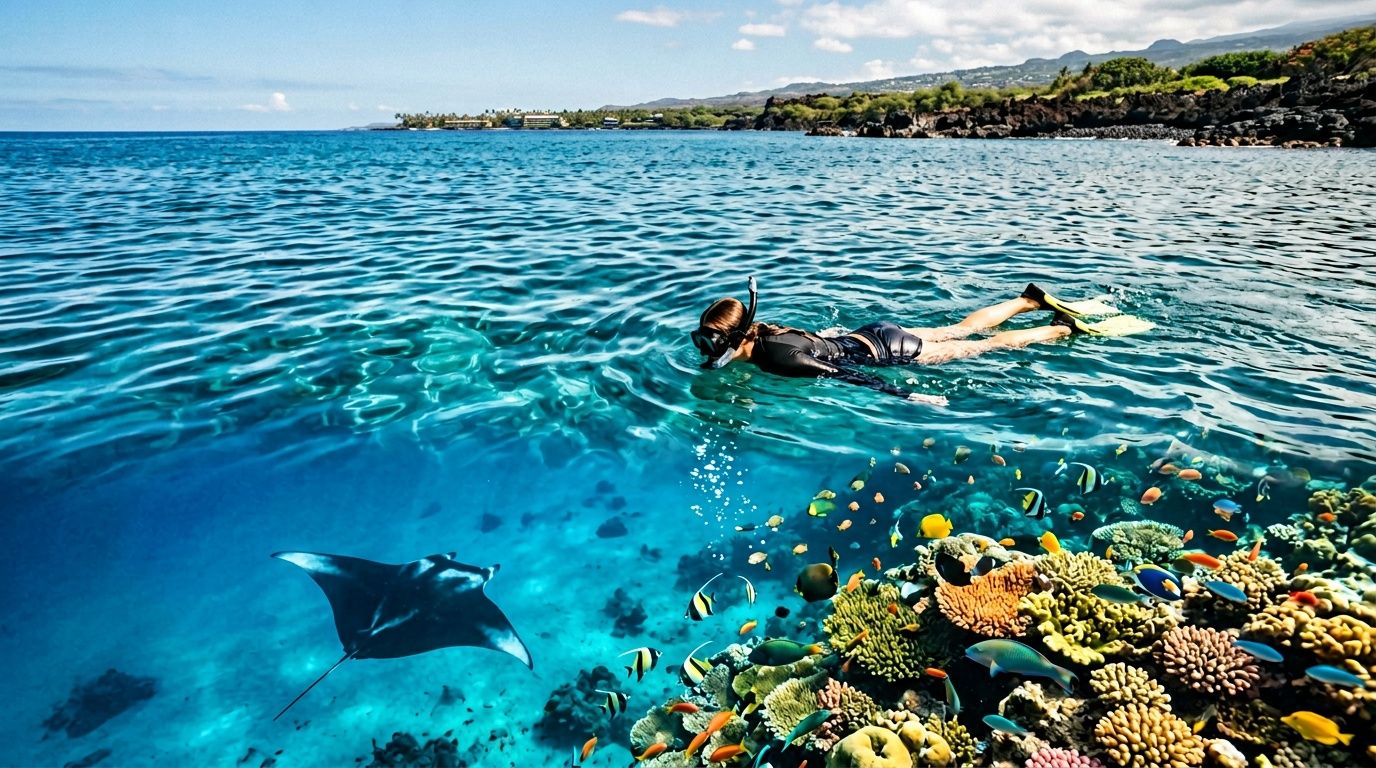
You’re probably in the same place most Kona visitors start. You want that one ocean day you’ll talk about long after the trip ends, but you also don’t want to waste a morning on the wrong beach, bad conditions, or a crowded cattle-call tour.
Kona snorkeling rewards good decisions. Pick the right coastline, the right time of day, and the right kind of access, and the island opens up fast. Clear blue water, lava-backed shoreline, healthy reef, and the kind of wildlife encounters that make people stay in the water longer than they planned.
If you’re building your trip around the water, top things to do in Kona, Hawaii should be on your short list. Snorkeling belongs near the top for one reason. Kona gives you access to calm, reef-rich water in conditions that work for first-timers and seasoned ocean people alike.

Welcome to Your Kona Snorkeling Adventure
The first thing many people notice in Kona isn’t the fish. It’s the feeling. You put your face in the water and suddenly the surface noise drops away. Below you is black lava, bright coral, flashes of yellow and silver, and water so clear it changes how far away everything seems.
That’s why kona snorkeling hooks people fast. It doesn’t ask for expert-level skill to feel rewarding. Even a short session can deliver turtles, schools of reef fish, and long drifts over lava shelves that look carved for snorkeling.
What a good Kona snorkel day looks like
A strong snorkel day here usually has three ingredients:
- Early timing: Morning departures usually give you the easiest water to read and the smoothest entries.
- Protected water: The Kona coast has spots where the ocean feels manageable even when less sheltered coasts don’t.
- Guidance that matches your ability: Beginners need a different plan than confident ocean swimmers.
Practical rule: If you spend the first part of your snorkel trip fighting entry conditions, adjusting bad gear, or guessing where to swim, you’re burning the best energy of the day.
The biggest mistake I see visitors make is choosing a spot because it looks famous on a map, not because it fits their comfort level. Kona has bucket-list snorkeling, but it also has lava entries, changing conditions, and places that are much better by boat than by shore.
Why people build trips around it
Some destinations have pretty water. Kona has structure. Reefs, protected bays, and wildlife encounters combine in a way that makes the snorkeling feel purposeful instead of random. You’re not just floating around hoping something appears.
That’s the difference between a decent beach stop and a real Kona water day. When the plan is right, the island gives you a lot back.
Why Kona is a World-Class Snorkeling Destination
Kona works because the coastline is built for it. The leeward side of the Big Island sits in the shelter of Mauna Loa and Hualālai, and that natural protection is a big reason the water often stays calm and clear.
According to this breakdown of Kona snorkeling conditions, Kona’s leeward geography helps create visibility that often exceeds 100 feet. The same source notes that 88% of Big Island ocean tourists target Kona for underwater activities, with wave heights under 1 meter 85% of the year.

The geography matters more than people think
The west side of the island benefits from a simple advantage. Big volcanoes block a lot of the trade wind energy that roughens other coastlines. Less surface chop usually means easier snorkeling, better visibility, and a much nicer experience for anyone who doesn’t want to battle the ocean just to look at fish.
Young lava coastline helps too. Less sediment washing into the water means reefs stay easier to see.
What that means in the water
You feel this advantage immediately:
- The surface is easier to float on
- The reef is easier to spot from above
- Beginners waste less energy
- Guides can spend more time showing wildlife and less time managing avoidable problems
That’s part of why Kona gets described as a natural aquarium. The water often lets you see reef structure, fish movement, and depth changes clearly enough to understand the site while you’re still floating on the surface.
Good snorkeling isn’t only about marine life. It’s about how little friction there is between you and the experience.
If you’re curious how this same protected coastline shapes another signature ocean activity, the logic is similar in why Kona tops Hawaii for manta ray night snorkel.
Why this helps every skill level
For new snorkelers, Kona’s calmer side removes a lot of the panic points. You can focus on breathing, floating, and looking down instead of fighting surge. For experienced swimmers, the payoff is different. Better clarity makes it easier to appreciate the terrain, follow reef edges, and spot the small things other places hide.
That’s a key strength of Kona. It isn’t just scenic. The coastline consistently supports the kind of conditions snorkelers want.
The Two Must-Do Kona Snorkeling Experiences
You finish a calm Kona morning with salt on your skin, then come back after sunset and slip into dark water lit from below. Same coast. Completely different world. That range is why two trips rise above the rest here: the manta ray night snorkel and a daytime run to Kealakekua Bay.

Manta ray night snorkel
No other Kona snorkel feels like this one. Guests hold a light board at the surface while the glow attracts plankton, and manta rays rise out of the dark to feed. They bank, roll, and pass so close you hear people forget to speak.
The format matters. A good manta trip is not about swimming hard or chasing wildlife. It is about staying comfortable at the surface, listening to the crew, and letting the animals work the light. That is why this experience often suits calm beginners better than strong swimmers who want to roam.
If you want a closer look at how the evening unfolds, what to expect on a manta ray night snorkel in Kona gives a clear preview.
Kona Snorkel Trips runs this outing with in-water support and small groups, which makes a real difference once the sun goes down. For booking details, the Kona manta ray snorkel tour is one option to compare. If you’re looking at alternatives for a manta ray night snorkel tour, Manta Ray Night Snorkel Hawaii is also worth a look.
The most satisfied guests are often the ones who stay relaxed, keep their face in the water, and let the encounter develop at the ocean’s pace.
Captain Cook and Kealakekua Bay
If the manta snorkel is Kona’s signature night trip, Kealakekua Bay is the daylight trip I tell visitors not to miss. The bay combines clear water, healthy reef, dramatic cliff-lined geography, and protection from a lot of the chop that affects more exposed stretches of coast.
It also shows why tour style matters. Reaching the best snorkeling here on your own usually means more planning, more gear management, and less energy saved for the water. A boat-based trip keeps the focus on the reef instead of parking, entry points, and hauling equipment.
Captain Cook tours work especially well for guests who want longer snorkel time, easier entry, and active guidance once they are in the water. If you’re comparing providers, Captain Cook Snorkeling Tours is an exceptional alternative when you’re looking for a Captain Cook snorkel tour.
Which one should you choose first
Choose both if your schedule allows. They answer two different Kona questions. One shows you the coast at its most unusual. The other shows you why this shoreline is such a reliable daytime snorkel destination.
If you only have time for one, use this filter:
- Pick manta rays if you want a rare wildlife encounter and are comfortable snorkeling after dark.
- Pick Captain Cook if you want the fullest daytime reef experience, with easy orientation and more time studying the underwater terrain.
- Start with Captain Cook first if anyone in your group is unsure in the water. Daylight helps new snorkelers settle in before deciding whether a night trip sounds fun.
Discover More Top-Rated Kona Snorkeling Spots
Not every great kona snorkeling day has to center on manta rays or Captain Cook. Shore-access spots can be excellent if you choose them for the right reason and not just because someone called them “easy.”
That word causes problems. A site can be popular and still ask a lot from beginners.
What works well and what doesn’t
Two Step is the best example. It’s often described as beginner-friendly; however, it involves more specific conditions. According to this overview of Kona snorkeling spots, visitors still need to manage lava rock entry into 10 to 100 feet of water, and guided small-group tours mitigate over 80% of the risks associated with self-access.
That doesn’t mean Two Step is a bad choice. It means you should respect the entry. Confident swimmers often love it. Families with young kids or adults who aren’t comfortable stepping into moving water may have a better day somewhere gentler.
Kona snorkeling spots at a glance
| Location | Best For | Access | Skill Level |
|---|---|---|---|
| Two Step | Reef fish, confident shore snorkelers | Lava rock entry | Intermediate for many visitors |
| Kahalu'u Beach Park | First-timers, casual reef viewing | Beach park access | Beginner |
| Pawai Bay | Shorter outings, flexible conditions | Often better by boat or with local guidance | Beginner to intermediate depending on conditions |
Here’s the practical distinction:
- Two Step: Strong marine life payoff, but the entry can rattle new snorkelers before the fun starts.
- Kahalu'u Beach Park: Good for getting comfortable with gear, breathing, and basic fish spotting close to shore.
- Pawai Bay: Useful when you want a shorter, less complicated outing and conditions line up.
If turtles and reef fish are high on your wish list, best Big Island snorkeling spots for turtles and reef fish is a solid next read.
When guidance is worth it
A guided format makes the biggest difference when any of these apply:
- You’re new to snorkeling
- You don’t read ocean entry well
- You’re traveling with mixed ability levels
- You want less guesswork and more time in the water
Kona Snorkel Trips runs small-group snorkel tours with lifeguard-certified guides, which is useful for visitors who want support, gear help, and a more structured in-water experience without self-managing shore entries.
Shore snorkeling can save money and still cost you the day if the entry is wrong for your group.
That’s the trade-off most visitors only understand after trying to muscle through a spot that looked simple online.
Planning Your Kona Snorkeling Adventure
The best kona snorkeling plan starts before you touch the water. Most bad snorkel days aren’t caused by a lack of fish. They’re caused by poor timing, overpacked schedules, or choosing gear and sites that don’t match the conditions.

Go early when you can
Morning is usually the smart play. Water is often calmer, the surface is easier to read, and the day feels less rushed. If you’re choosing between a late breakfast and an early launch, the snorkel usually benefits from the early launch.
This matters even more at shore sites. Parking, crowding, and choppy afternoon conditions can stack up fast.
Don’t automatically cancel after rain
A lot of visitors hear “rain” and assume snorkeling is off. That’s too simplistic on the Kona coast.
According to this guide to snorkeling Kona after rain, protected South Kona bays like Kealakekua can still snorkel very well after showers, and local operator logs show a 20% to 30% increase in spinner dolphin sightings in freshly cleared bays. The key is checking conditions, avoiding brown water patches, and knowing which protected areas recover quickly.
Some of the nicest post-rain snorkel sessions happen when impatient visitors stay away and the protected bays clear before they expect.
Bring the right gear and skip the clutter
Many individuals don’t need a lot. They need the right few things.
- Reef-safe sunscreen: Put it on before you’re standing in full sun at the harbor.
- Reusable water bottle: Hydration matters more than people expect once salt, sun, and boat time stack up.
- Hat and cover-up: You’ll appreciate both between swims.
- Towel and dry change of clothes: Especially for families and anyone doing more than one stop in a day.
- Waterproof camera: Nice to have, but only if it doesn’t distract you from the water itself.
If you like extra propulsion for calm recreational use, some travelers also look into compact devices like the Stermay M1 Snorkelling Sea Scooter. It’s not something most visitors need, but it helps to know what’s out there if you enjoy gear research.
Food matters too. A heavy meal before a boat ride isn’t always your friend, and what to eat before snorkeling the Big Island by boat can help you dial that in.
Keep your schedule loose
Don’t cram snorkeling between five other activities. Give it room. The best days leave space for a slow harbor check-in, a few minutes to settle your breathing, and time afterward to dry off without sprinting to the next reservation.
That breathing room makes the ocean feel easier.
Snorkeling Safety and Responsible Ocean Etiquette
Good kona snorkeling is relaxed, but it shouldn’t be casual about safety. The ocean rewards people who pay attention early, not people who assume everything will work itself out once they’re floating over the reef.

Smart habits in the water
A few habits solve most problems before they start:
- Know your limit: If the entry looks sketchy or the swim back seems long, listen to that instinct.
- Use flotation if you need it: There’s no prize for making snorkeling harder than it has to be.
- Stay hydrated: Sun, salt, and excitement can gradually wear people down.
- Snorkel with support: A buddy helps. A guided group helps even more when someone gets anxious, tired, or disoriented.
Respect the reef and wildlife
The second part is etiquette. Hawaii’s reefs and animals aren’t props for vacation photos.
- Use reef-safe sunscreen: Protect your skin without adding unnecessary stress to the reef.
- Don’t touch coral: Coral breaks easily, and even light contact can do damage.
- Give turtles and other marine life space: Watching is the point. Chasing isn’t.
- Keep your fins and hands off the bottom: Hover when you can, especially in shallow reef areas.
The best snorkelers look calm in the water because they move less, notice more, and leave the reef exactly as they found it.
That’s the standard worth following.
Frequently Asked Questions About Kona Snorkeling
Can non-swimmers or kids do kona snorkeling
Often, yes, but only with the right setup. Calm water, flotation, patient instruction, and close supervision matter more than bravado. Boat tours with in-water support are usually a better fit than ambitious shore entries for nervous swimmers and younger kids.
What marine life might I see besides manta rays and turtles
Expect reef fish first. Kona’s reefs are full of color and movement, and even short sessions usually produce plenty to look at. On some outings you may also spot dolphins from the boat or near the bay, depending on conditions and location.
Is it better to bring my own gear or rent gear
Bring your own mask if you already have one that fits well. A familiar, leak-free mask improves the day a lot. If you don’t own quality gear, renting or joining a tour that provides properly fitted equipment is usually easier than buying a cheap set that fogs and leaks.
What if weather conditions change
That’s normal in Hawaii. The right response depends on site exposure, wind, surf, and water clarity, which is another reason guided trips are useful. A good operator adjusts the plan or calls the activity when conditions aren’t right for a safe and enjoyable snorkel.
What’s the best single choice for first-time visitors
If you want one classic daytime reef experience, Captain Cook belongs high on the list. If you want the most memorable wildlife-focused experience, the manta ray night snorkel is hard to top. The better choice depends on whether you want daytime reef exploration or a signature nighttime encounter.
If you’re ready to turn the planning into a real ocean day, Kona Snorkel Trips is a practical place to compare tour options for manta rays, Captain Cook, and other guided kona snorkeling experiences.