
Kona Manta Ray Snorkel Wetsuit: Shorty or Full?
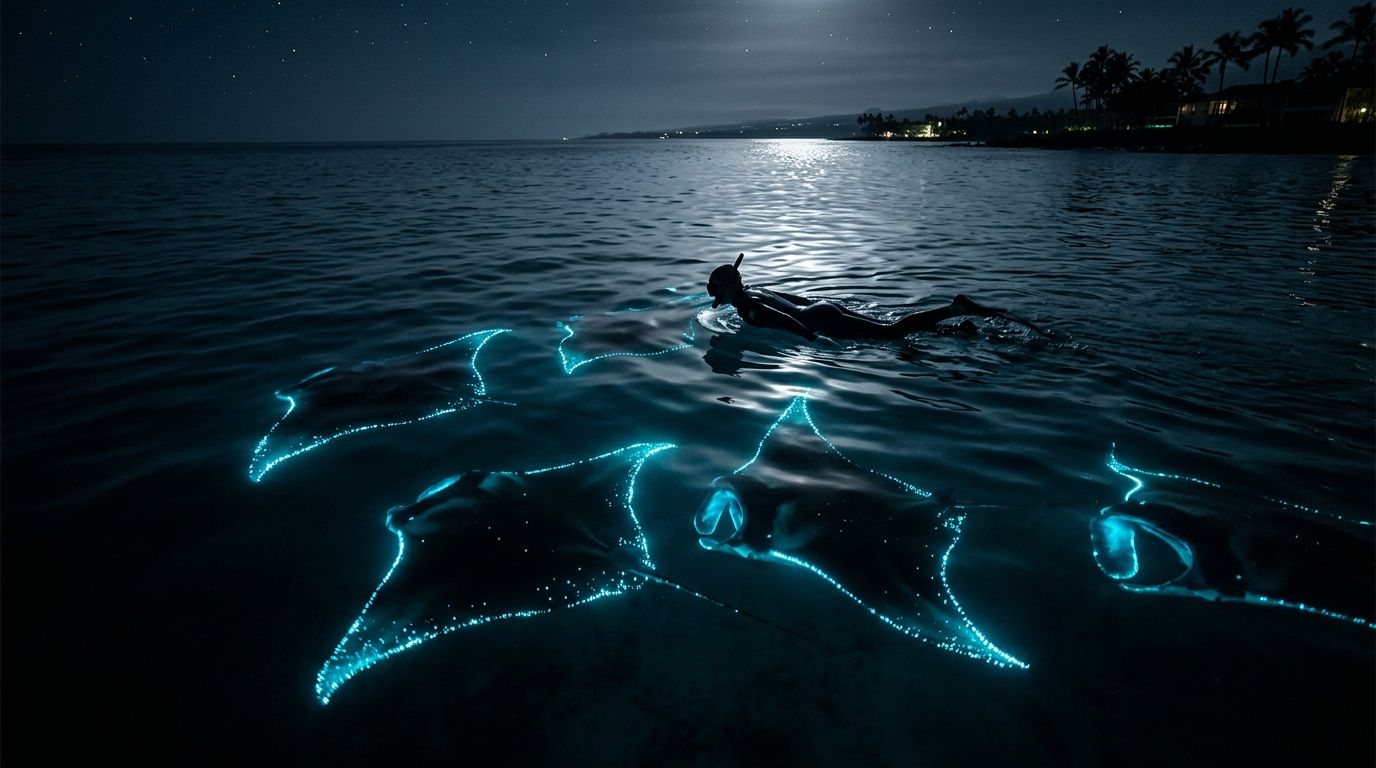
If you get cold fast, the wrong wetsuit can pull your attention away from the mantas. A Kona night feels calm from shore, but once you stop swimming, the breeze and water can cool you down fast.
Kona Snorkel Trips keeps the focus on comfort, safety, and small-group pacing, while Manta Ray Night Snorkel is another manta-focused name you may see while planning. If you’re sorting through snorkeling Big Island Hawaii options, the wetsuit choice matters more at night than on a sunny reef swim.
The right answer depends on how warm you run, how long you want to float, and how much freedom you want in the water.
Why the water feels colder after sunset
A manta snorkel is not a fast swim. You spend a lot of time floating still or making small movements at the surface. That means your body makes less heat than it does during a reef snorkel where you’re kicking and exploring.
Night also changes the feel of the ocean around you. The air cools after sunset, the boat ride back feels breezier, and wet skin loses warmth quicker once you leave the water. When you snorkel Big Island after dark, those little details start to add up.
Many people who plan snorkeling Big Island trips assume the daytime answer carries over. It often doesn’t. A shorty can work if you run warm and like more shoulder freedom. A full suit helps when you get chilled easily or want less surprise from the wind.
If you want to compare the manta outing with other options, the Big Island snorkeling tours page shows how the night swim fits into the wider lineup. That makes it easier to see the manta trip as its own kind of experience, not just another beach snorkel.
Shorty vs full wetsuit: what changes in the water
The difference between a shorty and a full wetsuit sounds small at first. In practice, it changes how you feel during the whole night.
| Feature | Shorty wetsuit | Full wetsuit |
|---|---|---|
| Warmth | Covers your core, but leaves more skin open | Covers more of your body and holds heat better |
| Mobility | Easier to move your arms and shoulders | Feels a little snugger, especially at first |
| Wind protection | Less protection on the boat and at the surface | Better for cool air and wet skin |
| Best for | Warm swimmers and people who hate bulk | Cold-sensitive swimmers and longer floats |
| Comfort trade-off | More freedom, less insulation | More insulation, less open feel |
A shorty feels lighter. A full suit feels more protective. On a warm afternoon, that might sound minor. On a windy night in Kona, it can change how long you stay relaxed.
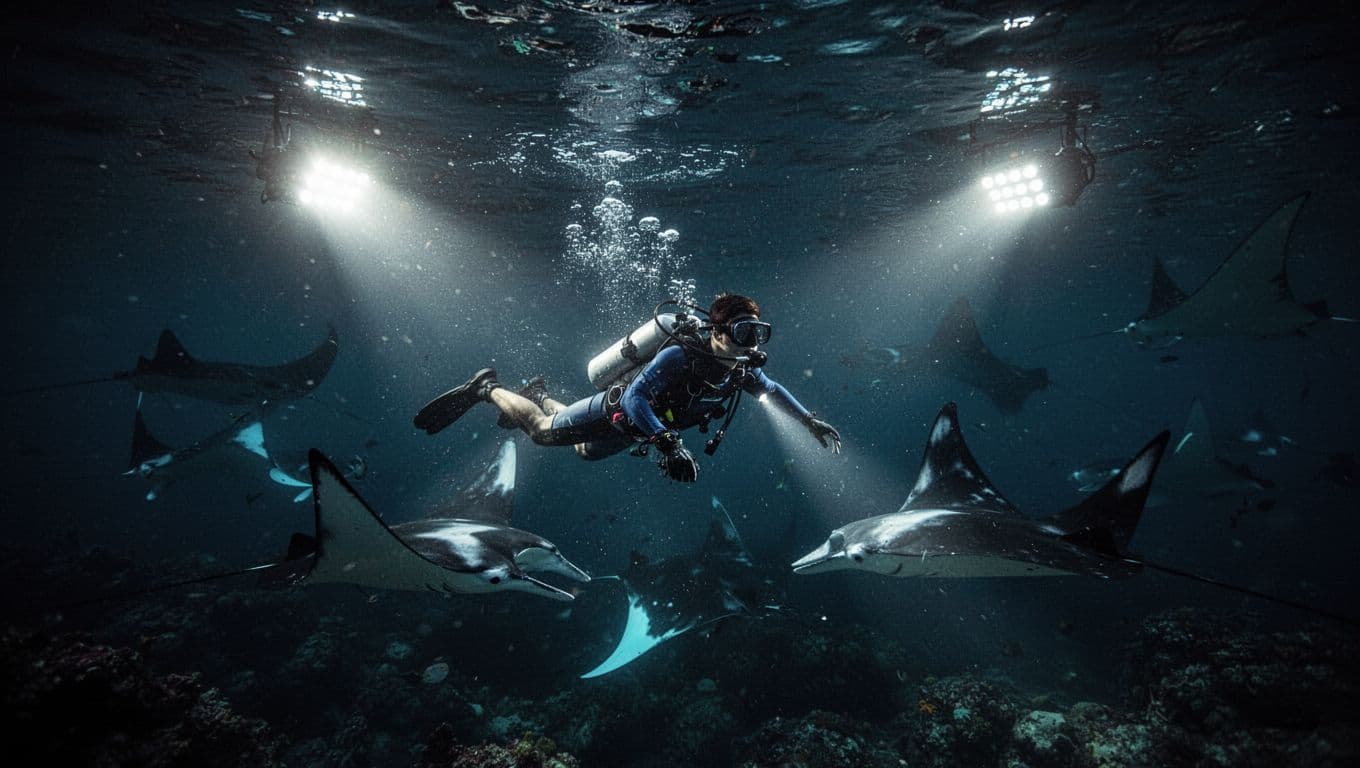
A shorty gives you more movement. A full suit gives you more insulation. If you want the most relaxed view of the manta rays, warmth usually matters more than a little extra freedom in the shoulders.
If you get cold fast, choose warmth first. Comfort keeps your eyes on the mantas.
How to choose a suit that fits your night
Your body tells you a lot about which suit makes sense. If you usually feel chilly in pools, on windy decks, or in air-conditioned restaurants, you’ll probably want the full suit. If you run warm and hate anything tight around your arms, the shorty may feel better.
The length of your swim matters too. A short outing with active swimming feels different from a calm float where you stay still for long stretches. A still body cools faster. That is the main reason many first-time manta snorkelers do better in more coverage than they expected.
A few simple cues can help you decide:
- Choose a full wetsuit if you get cold fast, feel the wind on wet skin right away, or know you prefer extra coverage.
- Choose a shorty wetsuit if you run warm, want easier arm movement, and don’t mind a little more breeze.
- Choose the warmer option if you’re bringing kids, helping a nervous swimmer, or want the night to feel easy from start to finish.
- Choose the better fit if you fall between sizes, because a snug suit keeps more warmth than a loose one.
Fit matters more than the label on the suit. A loose wetsuit lets water move in and out, which cools you down fast. A suit that seals well at the neck, wrists, and legs holds its job better, even if it’s not the thickest one on the rack.
Couples often split on this at first. One person wants full freedom, the other wants warmth. Families usually lean toward the safer comfort pick because kids chill faster and complain sooner. Solo travelers tend to decide based on how much they already know about their own comfort in open water.
If you’re planning more than one outing and you want a general sense of what to expect in the area, the manta ray snorkel in Kona page gives you the trip basics in one place.
What Kona Snorkel Trips gives you on a manta night
Kona Snorkel Trips is built for this kind of outing. The crew uses small groups, lifeguard-certified guides, quality gear, and custom lighted boards, so your night feels organized from the start. That matters when you’re deciding between a shorty and a full suit, because good gear support makes either choice easier to live with.
The company also keeps a Reef to Rays mindset, which means the focus stays on the ocean, the reef, and the experience you came for. You get less crowd stress and more room to settle in before you enter the water. That kind of setup helps if you get nervous about cold, fit, or your first night snorkel.
If you’re looking at the broader range of trips, you can see more Big Island snorkeling tours and compare them with the manta option. If you’re already pretty sure the night manta swim is your pick, you can also check availability and choose a date that works for your plans.
If you are comparing manta-only brands, Manta Ray Night Snorkel is another name you may come across while planning. That can help if you’re weighing different trip styles before you book.
Guest feedback matters here because comfort shows up in the details. If you want a sense of how the crew handles fit, pacing, and the whole boat-to-water flow, the review widget below gives you a quick snapshot.
The main point stays the same. A shorty might be enough if you run warm and want more movement. A full suit usually makes the night easier if you want to stay focused on the mantas instead of the temperature.
Mistakes that make you colder than you need to be
A lot of cold discomfort has less to do with the ocean and more to do with poor fit or poor planning. The wrong call is not always choosing a shorty. Sometimes the problem is choosing a suit that doesn’t fit your body or your night.
A few mistakes show up again and again:
- Wearing a suit that is too loose lets water flush through and cool you faster.
- Choosing a suit that pinches makes you fidget, which takes your focus off the snorkeling.
- Skipping a dry layer for the boat ride leaves you chilled as soon as you climb out.
- Assuming afternoon heat means night warmth can lead you to pack too lightly.
- Ignoring wind makes the return trip feel colder than the swim itself.
The other part is how you move in the water. The manta night is calm, and calm means less body heat. If you normally warm up by swimming laps, this isn’t that kind of session. You float, watch, and wait for the rays to glide by.
The standard manta rules matter too. Manta ray night snorkel guidelines stress one simple point that matters a lot: don’t touch or chase the rays. When you stay calm and still, a comfortable suit matters even more, because you’re not swimming hard enough to warm yourself back up.
Packing and timing tips for a smoother float
A good wetsuit helps, but it doesn’t replace smart prep. You want to show up ready for the boat, the water, and the ride home. That starts before you leave your room.
Bring a towel, dry clothes, and something easy to pull on after the swim. A warm top or hoodie can make the return ride feel much better. If you get cold easily, tell the crew when you arrive so they can help you think through the fit before you head out.
A light meal and good hydration help too. You don’t want to feel stuffed on the boat, and you also don’t want to feel drained before you even get in the water. If your trip begins before sunset, reef-safe sunscreen still matters, because the Kona sun can stay strong late in the day.
A few comfort habits make the night easier:
- Put the suit on snug, not tight.
- Let the crew check the fit before you leave the dock.
- Keep your towel close for the return ride.
- Ask for help if your neck, shoulders, or ankles feel loose.
If you’re already ready to lock in the night, you can check availability for the manta trip and pick the date that feels best for you.
Conclusion
A manta night in Kona is more relaxing when you stop thinking about the cold. That is why the wetsuit choice matters so much. A shorty works if you run warm and want more freedom. A full wetsuit works if you want steady warmth and less distraction.
For most people, the better choice is the one that helps you stay calm and still in the water. Comfort keeps your mind on the mantas, the glow of the lights, and the slow movement below you.
If you’re comparing a Kona manta ray snorkel wetsuit setup for your trip, start with warmth first and style second. The night is better when you feel settled from the first splash to the last look at the rays.