
Early or Late Tour for a Kona Manta Ray Night Snorkel?
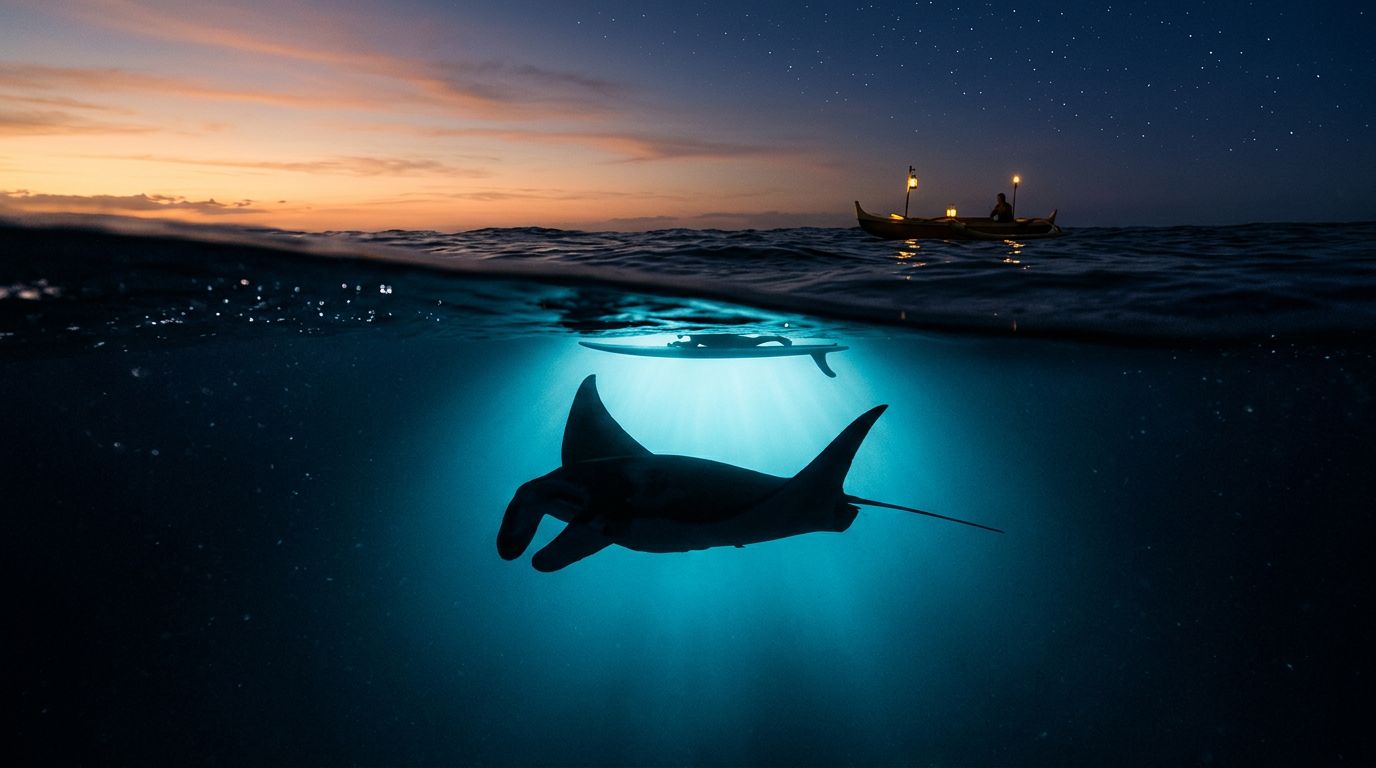
Choosing an early or late Kona manta ray snorkel can change the entire feel of your evening. The manta encounter happens after dark, but your departure time affects sunset views, family energy levels, dinner plans, and the drive back to your hotel.
Kona Snorkel Trips offers small-group ocean tours with lifeguard-certified guides, quality snorkeling gear, and custom lighted boards for nighttime manta encounters. You can also compare evening options from Manta Ray Night Snorkel Hawaii before choosing the schedule that suits you.
Key Takeaways
- An early tour works well if you want sunset scenery, an easier bedtime, or a simple plan for families.
- A late tour suits travelers with daytime activities, late dinners, or a preference for a quieter evening.
- Manta activity depends on wild animals and ocean conditions, not only the departure time.
- Check transportation, water time, age guidance, cancellation terms, and weather policies before booking.
- The best choice is the time that leaves you rested, comfortable, and ready to follow your guide.
What Changes Between Early and Late Manta Tours?
Early and late tours usually visit the same general manta viewing area, but they create different experiences around the main snorkel. Tour schedules vary by operator, season, sunset time, and available boat space, so check the exact departure when you book.
An early trip often leaves near sunset. You may watch the sky change color during the boat ride, then enter the water as darkness settles over the coast. This timing gives you a clear view of the shoreline before the lights become the main focus.
A later trip leaves after the first evening departures. You may spend more of your day on land, eat dinner beforehand, and arrive when the sky is fully dark. The boat ride feels more nocturnal, and the return trip may finish later than you expect.
The manta encounter itself follows the same basic pattern. Tour lights attract plankton, and manta rays may glide through the illuminated water to feed. You float at the surface while following instructions from your guide. The animals are wild, so no departure time guarantees a particular number of sightings or a specific interaction.
| If you choose an early tour | If you choose a late tour |
|---|---|
| You can enjoy sunset on the water | You can keep more daytime flexibility |
| You return earlier | You may finish later at night |
| It can suit children and early risers | It can suit adults and night owls |
| You may need to organize daytime plans around it | You may fit in more daytime activities first |
Your choice matters most because comfort affects the quality of the experience. If you feel rushed, tired, or seasick, the manta rays become harder to appreciate.
Why an Early Kona Manta Ray Snorkel Works Well
An early tour is often the easiest option for families, first-time snorkelers, and travelers who want a relaxed evening. You can complete check-in, board the boat, and reach the water before the night feels too late.
Sunset also adds something special to the trip. The Kona coast looks different as the light fades across the volcanic shoreline. You might see the last warm colors in the sky before the boat lights create a bright pool beneath you. That transition makes the evening feel connected to the island rather than limited to the time spent snorkeling.
Early departures also help if you have plans the next morning. You may be hiking, driving to another part of the island, or catching an early flight. Getting back sooner gives you more time to rinse your gear, eat, and sleep.
Families should think about each swimmer’s stamina. Children may enjoy the excitement at the start of the evening, but cold water, boat motion, and waiting at the surface can become tiring. An early schedule reduces the chance that your youngest travelers will be struggling with fatigue before the tour begins.
Kona Snorkel Trips focuses on small-group service, safety, and reef-conscious practices. You receive snorkeling equipment suited to the activity, and lifeguard-certified guides explain how to enter the water, hold position, and give the manta rays space. You can review the company’s Kona snorkeling tour options before deciding which outing fits your trip.
A practical rule works well: choose early if you want the tour to be the main event of your evening, with enough time afterward to rest.
When a Late Manta Ray Snorkel Makes More Sense
A late tour can be a better match when you want to use the daylight for other activities. You might spend the afternoon at the beach, visit a coffee farm, explore Kailua-Kona, or take a daytime snorkel trip before heading out after dark.
This timing also works well for travelers who prefer a slower start to the evening. You can eat first, change at your hotel, and arrive at check-in without watching the clock all day. Couples and adults often choose late departures because they fit more naturally around dinner and sightseeing.
If you plan to snorkel the Big Island during the day, a late manta trip can separate the two experiences. Daylight snorkeling gives you colorful reef scenery and active fish. The night tour offers a different view, with focused lights, dark open water, and manta rays moving overhead. Searching for snorkeling Big Island Hawaii often brings these activities together, but they place different demands on your body.
You should also consider how you handle late nights. A boat ride in the dark can feel peaceful, yet returning to shore late may be tiring after time in the water. If you have a long drive to Waikoloa, Kohala, or another resort area, check the estimated return time before booking.
Late tours aren’t automatically less crowded. Tour sizes and departure schedules differ, and some evenings attract strong demand. Ask about the expected group size if personal space matters to you. A small-group operator can make it easier to hear safety instructions and ask questions during the trip.
A late departure gives you flexibility, but you should protect enough time for the drive back and a full night’s sleep.
Choose late when your daytime plans matter more than an early return, and when everyone in your group handles nighttime activity well.
How Ocean Conditions Affect Your Choice
Departure time alone doesn’t determine the quality of a manta snorkel. Ocean conditions, wind, visibility, water temperature, and manta behavior can change throughout the evening. A responsible operator makes safety decisions based on those conditions rather than promising a fixed experience.
Before booking, read the operator’s instructions about swimming ability, age requirements, check-in time, and required equipment. You should also ask what happens if weather makes the trip unsafe. Some operators reschedule or provide other options, while policies vary.
Motion sickness deserves attention, especially if you haven’t spent much time on a boat. Eat a light meal, avoid arriving dehydrated, and follow medical advice for any medication you use. If you know late-night travel makes you feel unwell, an early tour may be easier because you aren’t adding fatigue to the boat ride.
Reef-safe sunscreen is important for daytime activities, but you may not need much for a nighttime trip. Follow the operator’s instructions and avoid applying products that can enter the ocean unnecessarily. During the encounter, don’t touch manta rays, chase them, block their path, or hold onto them. Your guide will show you how to float in the viewing area while the animals move freely.
For your wider snorkeling Big Island plans, leave room between a strenuous daytime excursion and the night tour. A full day in the sun can make you tired before you enter the water. If you want more control over timing, a private Kona snorkel tour may offer a more flexible way to arrange your ocean activities, subject to availability.
Your body and the sea both deserve a realistic schedule. A well-planned day helps you enjoy the manta encounter instead of treating it as one more item to complete.
A Simple Way to Choose Your Tour Time
Start with your group, not the clock. If you’re traveling with children, older relatives, or anyone who becomes tired early, an early departure usually creates fewer problems. You can return to your hotel while everyone still has energy.
Next, review your daytime itinerary. Travelers staying near Kona may find either option convenient. If you’re driving from a resort farther north, calculate the full evening, including check-in, boat time, snorkeling, return, and the drive back. A late finish can feel longer after you leave the water.
Then consider what you want from the setting. Pick early if sunset and a gradual shift into darkness appeal to you. Choose late if you prefer a fully dark sky and want to spend the afternoon exploring.
Finally, use the operator’s booking page to confirm the details. Kona Snorkel Trips offers a dedicated manta ray night snorkel booking option, and you can check availability for current departure times.
If the dates or times don’t fit your plans, don’t force the schedule. You can check availability for other Kona Snorkel Trips departures and compare what works for your group.
Conclusion
An early Kona manta ray snorkel gives you sunset scenery, an earlier return, and an easier schedule for families or early risers. A late tour gives you more daytime freedom and a fully dark evening, but you need to plan for a later drive and bedtime.
Manta activity can change with ocean conditions and natural behavior, so the best departure is the one that keeps you comfortable and alert. Choose the time that matches your group, then arrive ready to listen, float calmly, and give these wild animals room to move.