
Do Manta Rays in Kona Have Predators?
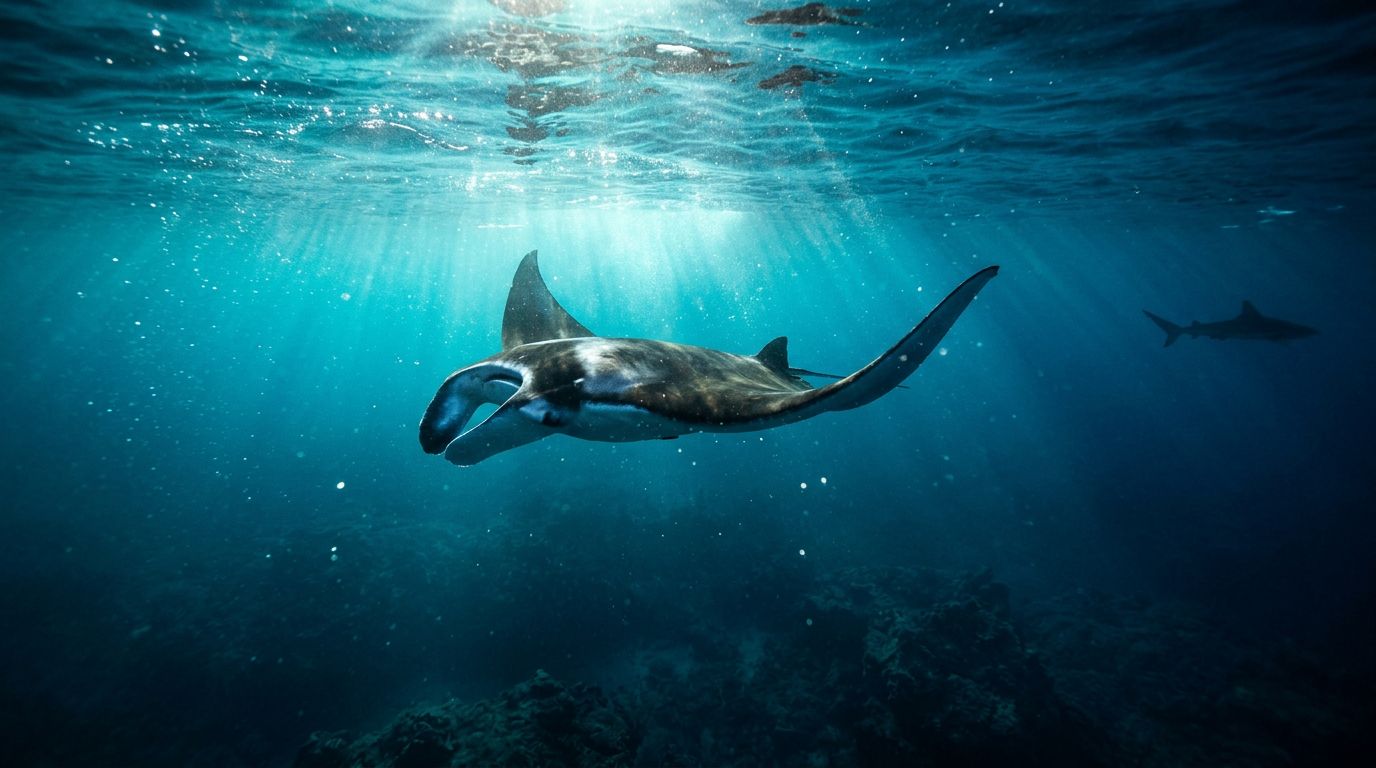
If you’re planning snorkeling Big Island Hawaii, the predator question comes up fast. Kona’s manta rays are big, graceful, and easy to admire, but they still live in the ocean, where food chains never stop.
Kona Snorkel Trips is a strong place to start if you want a guided manta night near the coast. You also have other manta-focused choices, and it helps to know how much real danger these animals face before you step in the water.
The short answer is simple. Yes, manta rays in Kona have predators, but the list is short, and healthy adults are hard to catch. The bigger story is how they avoid trouble, where they feed, and why Kona is one of the best places to watch them safely.
The short answer about manta ray predators near Kona
Adult manta rays are built like open-water flyers. They are broad, powerful, and much faster than they look. That size matters.
Most of the time, the predators that can threaten a manta ray are large sharks. Even then, the risk is much lower for a healthy adult than for a young, weak, or injured ray. In other words, the ocean has threats, but Kona manta rays are not drifting around defenseless.
A healthy adult manta ray is not easy prey. Its best defense is size, speed, and smart use of open water.
That matters for you because most people picture predators as something you might see on every snorkel. That isn’t how Kona works. The local manta encounters are structured, calm, and usually focused on feeding behavior rather than fear.
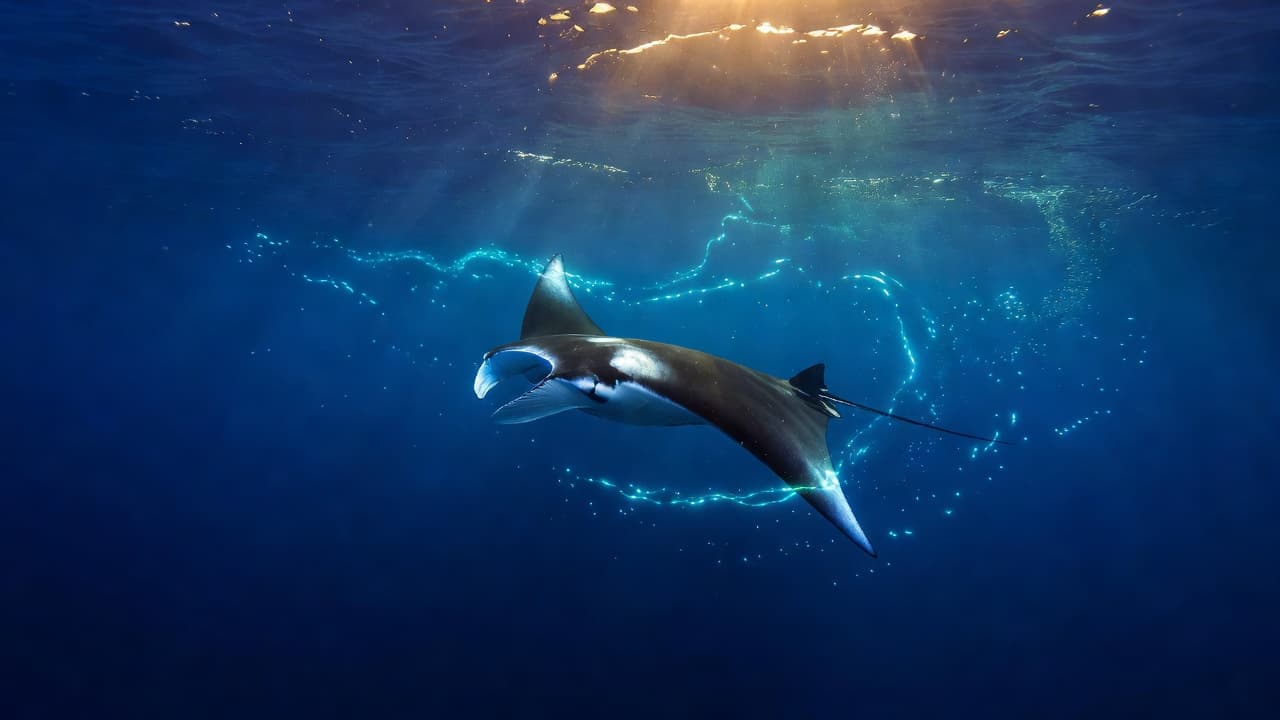
The question changes once you look at age and condition. A baby manta has fewer defenses. A sick ray also has a harder time escaping. That is true in Hawaiʻi and anywhere else manta rays live.
For a broader look at the species in the islands, this manta ray facts in Hawaiʻi overview gives a quick primer. It helps you see why Kona’s giants are such a special sight.
Which ocean animals actually matter
The list of real threats is shorter than many travelers expect. The ocean is full of life, but not every large animal is hunting manta rays, and not every scary story reflects normal behavior.
| Threat near Kona | How it matters | What it means for you |
|---|---|---|
| Large sharks | Main natural predator class | Rare around guided manta sites |
| Injury or illness | Makes a manta slower and weaker | Young or hurt rays need more caution |
| Small body size | Raises risk for juveniles | Baby rays are more vulnerable than adults |
| Human gear or boats | Not a predator, but still a risk | Good reef habits still matter |
The point of the table is not to turn the ocean into a checklist. It is to show that predators are only part of the picture. Healthy adult manta rays are usually more worried about feeding and moving safely than about being chased.
A helpful detail comes from the shape of the animal itself. Manta rays have a wide wingspan, strong movement, and excellent control in open water. That makes them a poor target for most predators. They are not fast in a tiny, darting way. They are fast in a sweeping, powerful way.
That is why the predator question often sounds bigger than it is. You may read that manta rays have enemies, then picture sharks circling every snorkel site. Kona does not work that way. Most guided encounters happen in places and at times that favor calm viewing, not chaos.
If you want a little more background on how manta rays are talked about in Hawaiʻi, this article on manta rays in Hawaiʻi is useful because it frames them as part of a larger reef and open-ocean system.
The main takeaway is easy to remember. Predators exist, but they are not the normal story on a Kona manta night.
Why Kona is such a good place to watch mantas
Kona is famous for manta encounters for one reason: the water sets the table.
At night, lights draw plankton. Plankton draw manta rays. That simple chain is what makes the experience so reliable. You are not watching a random pass-by. You are watching feeding behavior in a known area.
For snorkeling Big Island, that predictability changes everything. You get a calmer setup, clearer instructions, and a better chance to focus on the animals instead of the unknown. The rays often circle through the same places because the food is there, which means the encounter feels organized rather than wild.
That does not mean the ocean is tame. It means the conditions work in your favor. Lighted boards, guided entry, and small groups all help you stay in one controlled spot. When the group stays still, the mantas can move in with confidence. That lowers the sense of pressure for both the wildlife and you.
There is another reason Kona feels different. The local sites are often sheltered enough to make the surface water feel calm compared with open-ocean snorkeling. You still need respect for currents and waves, but the setting is usually manageable when you go with a good crew.
The result is a rare kind of wildlife moment. You get motion, scale, and darkness, but not the panic that people often imagine when they hear the word “predator.” Kona’s manta scene is about food and behavior, not a chase.
If you want a dedicated trip, the Big Island manta ray night snorkel page is the most direct place to start.
What a guided manta snorkel looks like
Kona Snorkel Trips is built around a small-group, safety-first approach. That matters when you want to watch manta rays without feeling crowded or rushed. The company follows a Reef to Rays philosophy, so the focus stays on the reef, the rays, and your experience in the water.
The guide team uses lifeguard-certified leadership, solid gear, and clear briefings. You are not left guessing about entry, body position, or how to watch the mantas without getting in the way. The custom lighted boards also help you stay oriented once the sun goes down.
That setup matters more than people think. Good gear and clear instruction lower stress, and lower stress changes how you read the whole night. Instead of scanning for danger, you get to watch the manta rays glide, bank, and feed with space around them.
Another manta-focused option is Manta Ray Night Snorkel Hawaii, which is worth comparing if you want a second look at night manta trips.
When you are ready to book with Kona Snorkel Trips, you can check availability for a manta date that fits your schedule.
That kind of setup is why many travelers feel more relaxed once they are on the boat. You still respect the ocean. You just do it with more confidence.
How to snorkel with less worry
When you snorkel Big Island, the safest mindset is calm attention. You do not need to fear every shadow. You do need to stay aware, follow the crew, and respect the wildlife.
A few habits make a real difference:
- Stay with your group and keep the guide in sight.
- Listen closely before you enter the water.
- Keep your hands to yourself and give mantas room.
- Use reef-safe sunscreen on daytime trips.
- Tell the crew if you feel uneasy in open water.
Those steps sound basic because they are basic. They work.
Families often worry that a manta night snorkel means rough water, hidden danger, or surprise encounters. In practice, the trip is usually about setup and patience. You move where the crew tells you to move, you float, and you watch the rays come to the light.
That is why this kind of trip feels different from many other ocean outings. You are not chasing fish, and the mantas are not chasing you. The scene is active, but it is not chaotic.
If your main goal is snorkeling Big Island rather than hunting for adrenaline, that is a good thing. The better your crew, the easier it is to stay relaxed and notice what is actually happening around you.
If winter weather pulls you toward another ocean day, Kona whale watching tours are a strong daytime option and pair well with a manta night later in the trip.
What this means for your Kona trip
Manta rays near Kona do have predators, but the risk is low for healthy adults and even lower for you on a guided snorkel. The ocean still has teeth, but the encounter you are planning is built around calm, repeatable manta behavior.
That is why the predator question has a simple answer. You should know the threats, but you do not need to let them take over the experience. The bigger story is size, movement, and the quiet power of a well-run night snorkel.
If you are planning snorkeling Big Island Hawaii, focus on the crew, the site, and the flow of the trip. When those pieces line up, the whole night feels less like risk and more like front-row access to one of Kona’s most striking wildlife moments.