
Kona Manta Ray Night Snorkel for Older Adults
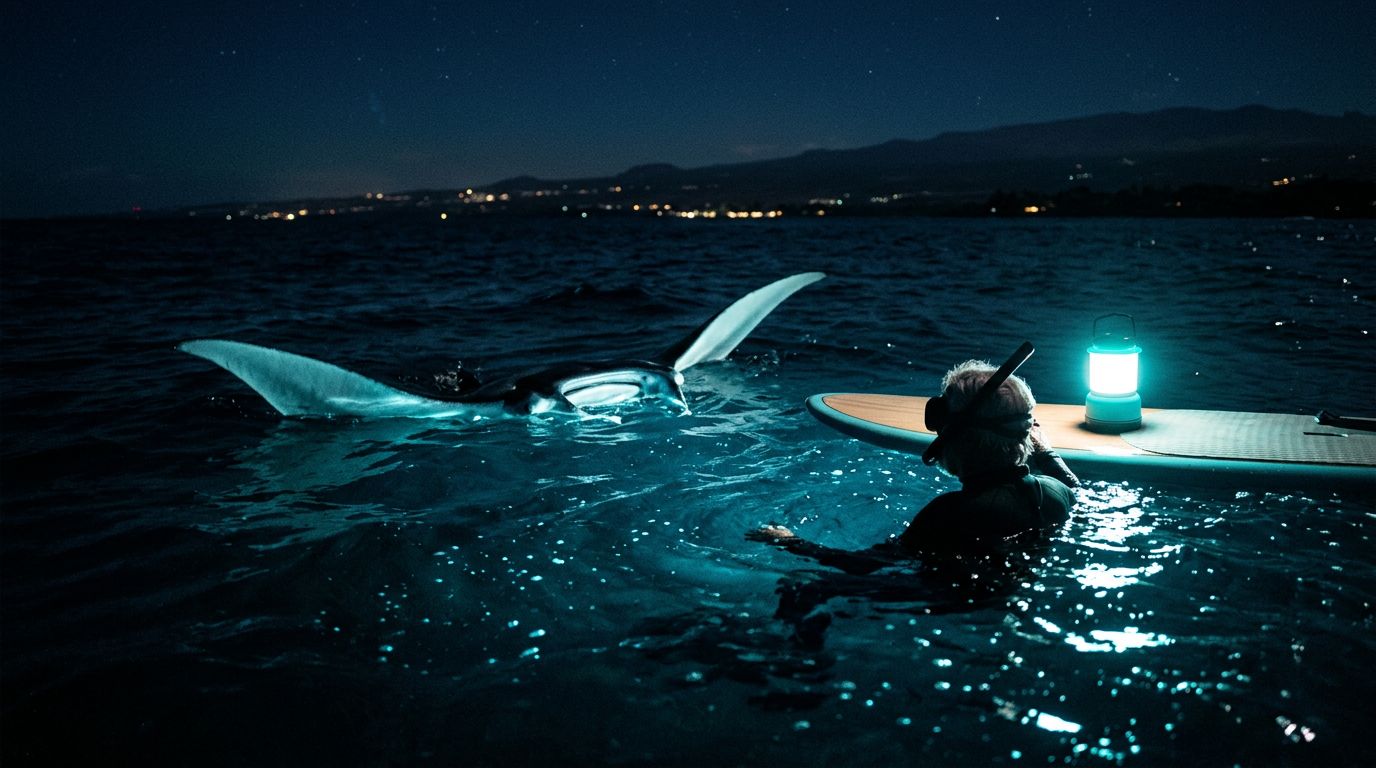
A Kona manta ray night snorkel can feel calm, even if you have not been in the water for a while. You are not chasing fish or fighting surf, you are floating in place and watching one of the ocean’s most graceful animals glide below you.
That matters if you want an experience that fits your pace. Kona Snorkel Trips keeps the trip small and guide-led, so you get clear instructions, solid gear, and a crew that pays attention to comfort. If you like the ocean but want a smoother, more manageable night out, this is the kind of outing worth a closer look.
Why this night snorkel works well for older adults
The Kona manta ray night snorkel is popular with older adults for a simple reason, it asks for patience more than power. You do not need to sprint, dive, or cover a lot of distance. Most of the time, you are floating near a lighted board while the mantas do the moving.
That setup changes everything. Instead of working hard to keep up with the action, you stay in one place and let the ocean come to you. The animals rise out of the dark, sweep through the light, and loop back again. It feels more like front-row seating than exercise.
Many older travelers also appreciate the rhythm of the night. The boat ride out is part of the experience, the water is usually calmer after sunset, and the pace feels slower than a daytime beach snorkel. You can breathe, settle in, and focus on what is in front of you.
The mantas help too. They are huge, but they move with a softness that surprises people. Their wings seem to glide rather than flap, and that gentle motion makes the encounter feel peaceful instead of wild. If you want a memorable water experience without a long swim, this is a strong fit.
How to tell if you’re ready for the water
Age alone does not decide whether this trip is right for you. Your balance, comfort in open water, and ability to follow simple directions matter more. If you can float calmly, handle a snorkel, and step carefully on a boat, you may be a good candidate.
You should also think about what makes you uneasy. Some people do fine in the ocean during the day, but feel tense in dark water. Others are fine at night, but dislike boat ladders or have shoulder trouble that makes boarding awkward. Honest self-checks matter more than bravado.
If you have heart, lung, back, or joint concerns, talk with your doctor before you book. The same goes for motion sickness, because a short boat ride can still bother you if you are prone to it. A little planning is better than trying to power through discomfort once you are offshore.
A recent Island of Hawaii forum thread on Tripadvisor reflects the same advice travelers keep repeating, use flotation, stay with the group, and choose a guide who slows things down for you. That advice holds up because it keeps the trip simple.
If you are unsure, ask direct questions before you book. You want to know how you enter the water, how long you stay in, what kind of flotation is offered, and whether the crew can help with balance or nerves. Clear answers usually tell you a lot about the tour itself.
What a good Kona tour should give you
For older adults, the right operator makes a bigger difference than the price tag. You want a crew that treats the trip like a guided experience, not a quick transfer to the water. That means small groups, good briefings, and equipment that actually fits you well.
Kona Snorkel Trips follows a Reef to Rays approach that makes sense for this kind of outing. The company keeps the atmosphere personal, uses Lifeguard Certified guides, and focuses on safety without turning the trip stiff or formal. The gear is designed for real snorkeling, not a generic rental bin.
That matters on a manta trip, because the details add up fast. Lighted boards help you stay oriented in the water. A strong briefing helps you understand where to hold, what to expect, and how to move without rushing. A calm crew can also answer questions that might feel small but matter a lot once you are out on the boat.
Kona Snorkel Trips departs from Honokohau Marina, which keeps the logistics straightforward. You do not have to guess where to park or where to go first. For many older travelers, less confusion before departure means a better night overall.
If you want to compare daytime choices too, browse guided snorkeling trips in Hawaii. That page helps when you want to see how a manta night snorkel compares with other Big Island options.
A tour that gives you clear instructions and a predictable setup can lower the stress fast. That matters when you want the beauty of the encounter without the feeling that you have to keep up with younger swimmers around you.
What the manta encounter feels like at night
The night usually starts with a boat ride out to one of Kona’s manta sites, often near Garden Eel Cove or Keauhou, depending on conditions. You get a briefing, you learn where to hold, and the crew gets the lights set up before you enter the water.
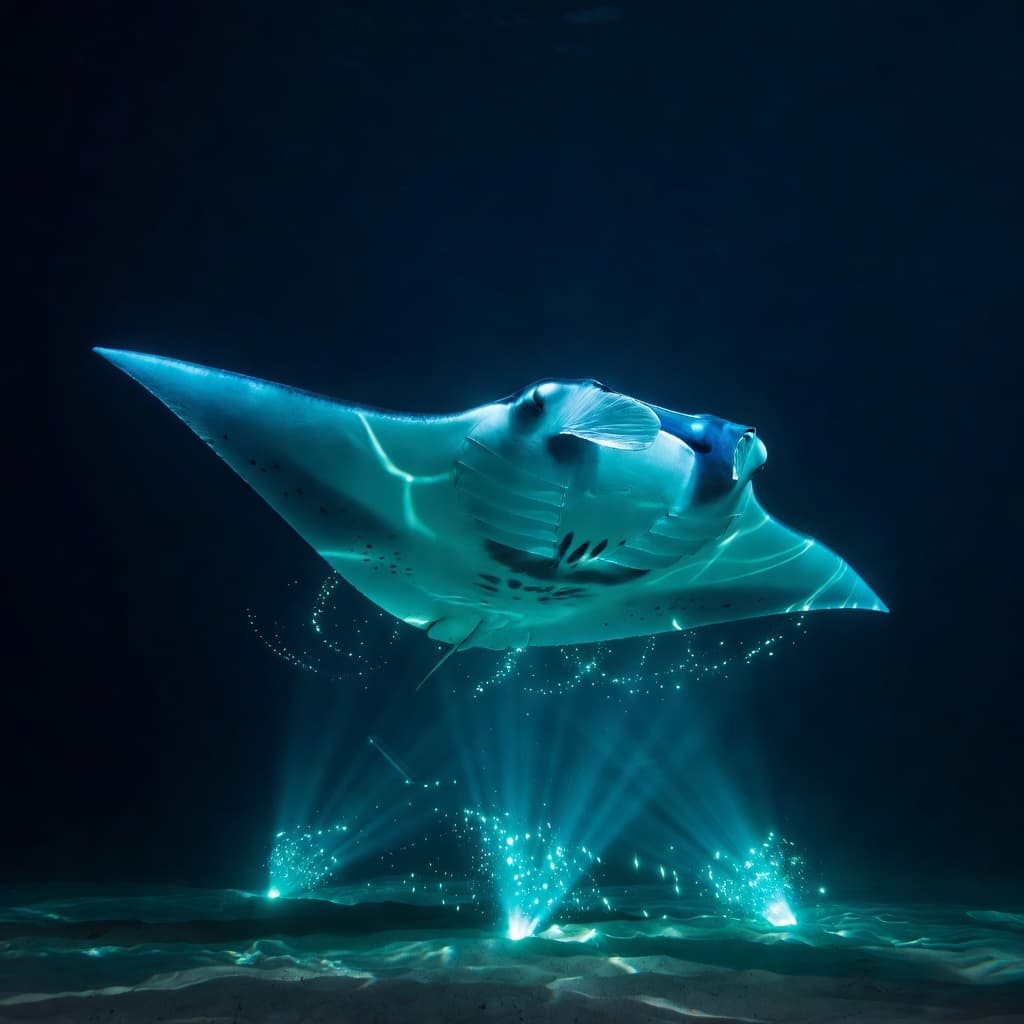
Once you are in, the experience is usually more stable than first-timers expect. You float near the surface and look down through a pool of light. The mantas rise through that light like great silent wings, then swing back for another pass.
That is why many older adults end up liking the trip so much. You are not doing laps. You are not kicking hard. You are holding a position, breathing through your snorkel, and watching one of the clearest wildlife displays in Hawaii.
The darkness can feel dramatic at first, but the light changes that. The lit board gives you a clear focal point, and the board itself becomes your home base. That sense of structure helps when you prefer a calm, organized water entry over a loose, free-form swim.
If you are someone who likes to take in the details, this is a rewarding setup. You can hear the water, feel the slight motion of the ocean, and watch the mantas fill the space below you. The whole scene has a quiet rhythm to it.
How to prepare so you feel comfortable in the water
A comfortable trip starts before you ever get on the boat. Eat a light meal a couple of hours before departure, drink enough water during the day, and avoid arriving already tired. Small things like that can make the night feel much easier.
If you get motion sickness, bring the medication you already trust and use it the way your doctor recommends. Do not wait until the boat leaves the harbor. The same goes for prescription issues, allergies, and anything else the crew should know in advance.
Use the flotation gear. Skip the ego, not the support. A float board or other buoyant aid can make the whole experience smoother, especially if you want to relax and look around instead of thinking about staying level in the water.
Wear a rash guard or light layer if you chill easily. Night water can feel cooler than you expect, even in Kona. A little extra coverage often helps you stay comfortable long enough to enjoy the full session.
Tell the crew about knee, hip, shoulder, or back issues before the trip begins. That gives them a chance to help you with boarding and positioning. If you wear glasses, ask about mask options ahead of time. If you use contacts, bring what you need so you can see the mantas clearly.
A comfortable tour starts before you leave the harbor, not once you hit the water.
A few practical habits go a long way here:
- Eat lightly so your stomach stays settled.
- Use the restroom before boarding.
- Keep your mask fit simple and snug.
- Tell the crew about any balance concerns.
- Bring a towel or warm layer for after the swim.
- Stay with the group and move at the pace you prefer.
Those habits sound basic, but they remove a lot of the friction that can make an otherwise beautiful night feel tiring.
How to compare manta trips with other Big Island snorkel days
If you’ve been searching snorkeling Big Island Hawaii, you already know the island offers more than one way to get in the water. When you snorkel Big Island style, the best option depends on how much swimming you want, how steady you feel at night, and whether you prefer floating over covering distance. People comparing snorkeling Big Island trips often discover that a manta night snorkel feels easier than a long reef swim because you spend the time watching, not chasing.
| Option | What you do | Best if you want |
|---|---|---|
| Manta ray night snorkel | Float near a lighted board and watch mantas feed below | Low-effort wildlife viewing and a guided setup |
| Daytime reef snorkel | Swim over coral and fish in daylight | Brighter visibility and more active swimming |
| Private charter | Customize the pace, timing, and group size | More space and a flexible experience |
The table gives you the short version, but the larger point is simple. Comfort matters more than category. A beautiful reef snorkel can still feel like too much if you do not want a lot of swimming, while a manta trip can feel ideal if you like a calmer, more structured night.
If you want another manta-focused operator to compare, Manta Ray Night Snorkel is another Big Island name you may come across. For a direct booking option, you can also check availability before your dates fill up.
For older adults, the goal is not to pick the most dramatic trip. It is to pick the one that gives you the right mix of wonder, stability, and support. A well-run manta outing gives you that balance without asking you to be a strong swimmer.
Conclusion
The best Kona manta ray night snorkel for older adults is the one that feels organized before you enter the water. Small groups, good flotation, patient guides, and a clear briefing matter more than bravado or speed.
If you want a night on the Kona coast that feels steady and memorable, start with comfort first. When the setup is right, the ocean feels less intimidating and a lot more rewarding.
The most important question is simple, will the trip let you relax enough to enjoy the mantas? If the answer is yes, you are probably looking at the right kind of night.