
Best Swimsuit for Captain Cook Snorkeling in Hawaii
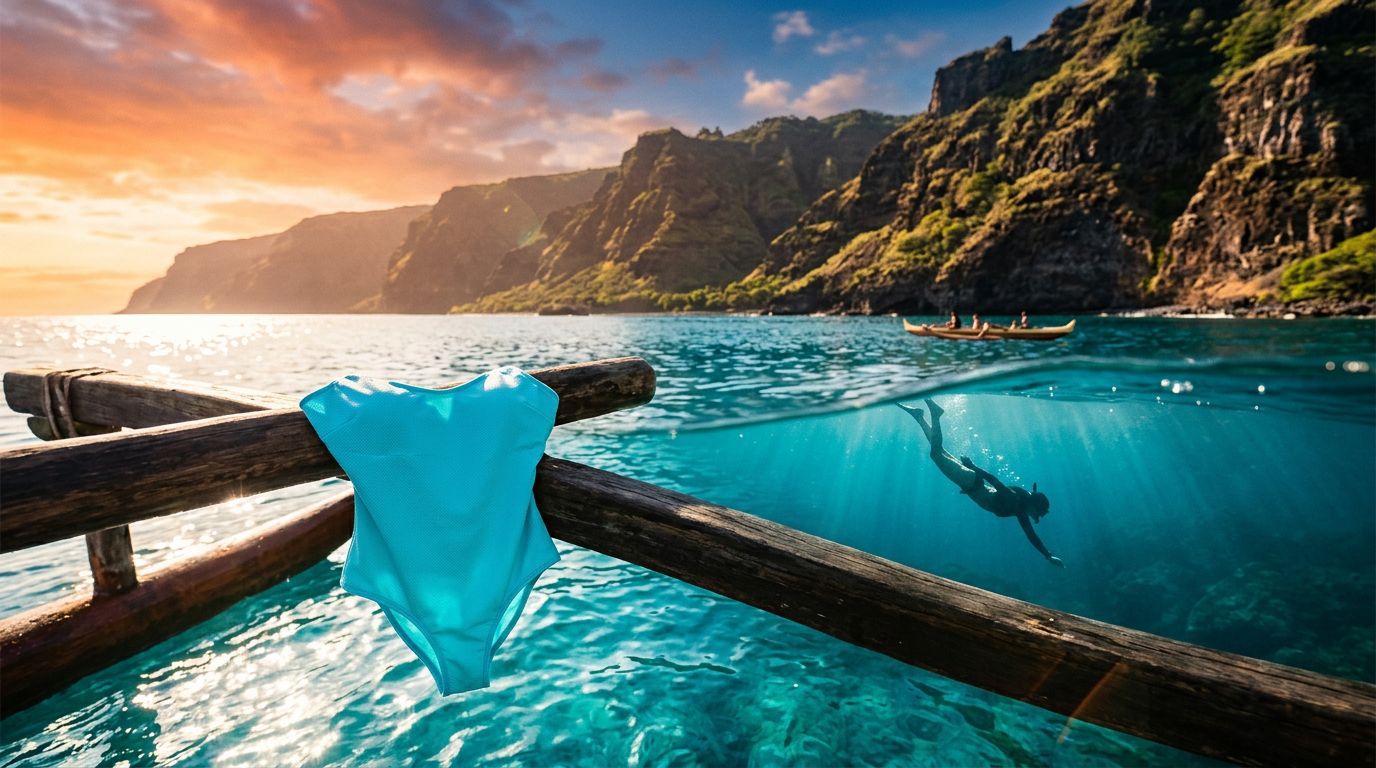
The wrong swimsuit can turn a Captain Cook snorkeling trip into a tug-of-war with your straps. You want to spend your time watching fish, not checking coverage.
If you’re planning snorkeling Big Island Hawaii, the smartest suit is the one that stays put, dries fast, and gives you enough sun protection to relax on the boat. Kona Snorkel Trips offers Big Island snorkeling tours, and Captain Cook Snorkeling Tours keeps the focus on Kealakekua Bay.
Once you know how the bay changes the day, choosing the right suit gets much easier.
What Captain Cook snorkeling asks from your swimsuit
A Captain Cook snorkeling day is not the same as lounging at the beach. You move from boat deck to ladder to water, sometimes with fins on, and that means your suit needs to stay secure through every shift. A top that slides when you lift your arms, or bottoms that creep when you kick, will annoy you fast.
The water itself adds another layer. Salt can loosen thin straps, sunlight can make sheer fabric more obvious, and a wet suit can feel heavier than you expect. That is why a good Captain Cook snorkeling outfit starts with function, not fashion. The best choice usually feels simple on land and stable in the water.
Kona Snorkel Trips leans into a Reef to Rays mindset, with small groups, lifeguard-certified guides, and gear that is ready before you board. If you want to compare trip styles before you pick your suit, Big Island snorkeling tours can help you see what kind of day fits your plans.
After a short look at what the tour feels like, you can narrow your wardrobe with more confidence.
If your dates are set, you can check availability and build the rest of your packing list around the day you want.
Swimsuit styles that work best in Kealakekua Bay
You do not need the cutest suit in your drawer. You need the one that stays where you put it.
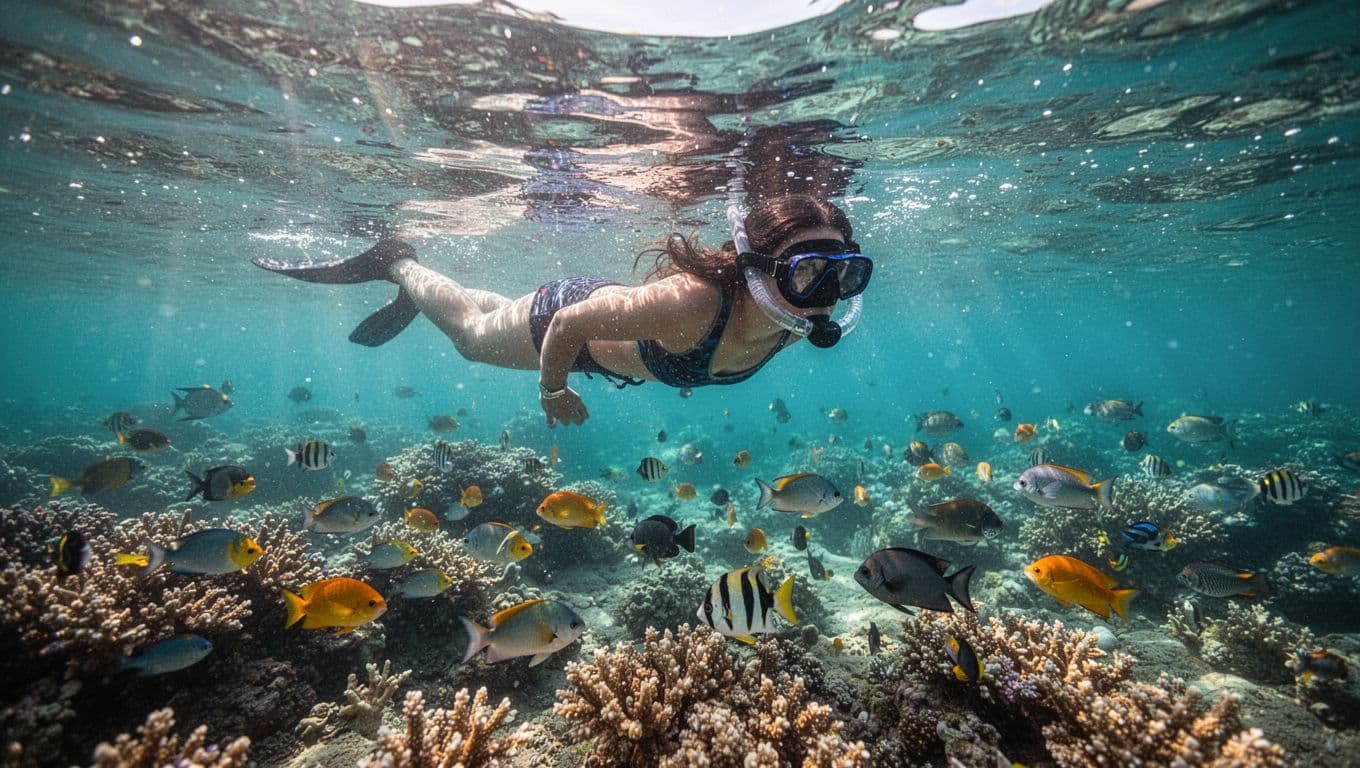
A secure one-piece, an athletic bikini, or a rash guard set usually works better than a loose beach suit. If you want a quick comparison, this helps:
| Suit style | Why it works for Captain Cook snorkeling | Watch out for | Best for |
|---|---|---|---|
| One-piece | Stays secure, dries fast, and feels simple on the boat | Thin straps or very low backs | Most travelers, especially active swimmers |
| Athletic bikini | Gives you flexibility and dries quickly | Tie strings and loose bottoms | Confident swimmers who want less fabric |
| Rash guard set | Adds sun protection and cuts down on sunscreen use | Can feel warm on land | Long snorkels, sensitive skin, and more coverage |
| Swim shorts with a top | Comfortable and modest, with easy movement | Extra fabric can drag in the water | Families, teens, and anyone who wants coverage |
If you want the short answer, pick the style that disappears once you’re in the water. That is the real test. A suit should not ask for attention every time you roll, kick, or climb back aboard.
Your best suit is the one you stop noticing once you’re in the water.
That rule holds for snorkeling Big Island trips of all kinds. The more secure the fit, the less time you spend adjusting and the more time you spend looking down at the reef.
Fit details that matter more than the label
A good label can still hide a bad fit. You can buy an expensive suit and still end up with straps that dig, cups that shift, or bottoms that ride up the second you kick.
Start with the shoulders. Straps should feel snug without biting into your skin. If they slip when you raise your arms over your head, they will almost certainly move when you pull yourself onto a boat ladder. The same idea applies to the back. A wider back band usually stays put better than a tiny tie closure.
Then look at the waist and hips. A higher-rise bottom often feels steadier during snorkeling than a very low cut style, especially if you want to sit, bend, or climb with confidence. If you prefer a bikini, choose one with a firm band instead of a string you have to retie after every swim.
A few things tend to cause trouble fast:
- Thin side ties that loosen in salt water
- Heavy metal rings or clasps that rub after an hour
- Fabric that turns sheer once it gets wet
- Bottoms that shift when you lift one knee or step onto a ladder
The best fit test is simple. Raise your arms. Twist side to side. Sit down. Then pretend you’re climbing out of the water with one hand on a rail. If the suit moves now, it will move at sea.
You should also pay attention to seams and lining. A lined suit usually feels better on a windy boat ride, and flat seams reduce chafe around the thighs and shoulders. If you have to choose between a cute fit and a secure fit, choose secure.
Sun protection belongs in the suit
The Kona sun can feel stronger on the water than it does on shore. Reflection off the surface adds to the exposure, and that means your swimsuit should do more than cover you.
A long-sleeve UPF rash guard is one of the smartest choices if you snorkel often or burn easily. It protects your shoulders, upper back, and arms without forcing you to coat those spots in sunscreen again and again. A short-sleeve version still helps if you want more airflow.
If you prefer a bikini or one-piece, pair it with a rash guard rather than relying on sunscreen alone. Reef-safe sunscreen is still important, but it works best as backup on exposed skin, not as your only line of defense. Focus it on your face, ears, neck, chest, knees, and any area your suit leaves open.
That matters even more if you’re planning to snorkel Big Island more than once on the same trip. A suit that protects you well on day one is the kind you’ll want again on day three. A pretty suit that makes you squint and reapply sunscreen every hour gets old fast.
A lightweight cover-up helps on the boat and during check-in, but it should not be your main protection in the water. Once you are snorkeling, fabric that keeps the sun off your skin is the part that earns its place.
What to wear on the boat, to the dock, and after the swim
The suit itself is only part of the picture. You also need to think about the 30 minutes before you hit the water and the 30 minutes after you get back on deck.
For a Captain Cook snorkeling day, wear your swimsuit under something easy to remove. A loose shirt, quick-dry shorts, and slip-on sandals save you from the awkward shuffle of changing in tight spaces. A towel, a hair tie, and a dry bag for your phone and room key are smart too.
If you want a simple checklist, this covers most of the basics:
- One secure swimsuit
- A rash guard or sun shirt
- Reef-safe sunscreen
- Towel and dry clothes
- Slip-on shoes or sandals
- Hair tie, clip, or hat
- Small dry bag for essentials
For the bay-specific trip, Captain Cook monument snorkel tours are the most direct match for this kind of packing list. The whole morning is easier when your suit works under a cover-up, dries quickly, and does not make changing feel like a project.
If you want to line up the day first, you can check avaialbility before you decide whether you need a lighter wrap, a stronger top, or more sun coverage.
That kind of planning keeps you from arriving in cotton shorts or a beach dress that stays damp all morning.
How to choose for your body type and travel style
The right swimsuit depends on how you like to move.
If you want maximum coverage, a one-piece with a rash guard is the easiest answer. It gives you support, helps with sun exposure, and makes you feel less exposed when you stand on a boat deck or walk to the ladder. That is a good fit for many families, especially if you want a suit that works for both snorkeling and a casual lunch stop later.
If you like a little more freedom, an athletic bikini can work well. Look for a strong top, a higher-rise bottom, and straps that feel secure when wet. That combination gives you more range of motion without the constant tugging that comes with a skimpy beach set.
If your shoulders are broad, your bust is larger, or your skin is sensitive, choose wider straps, lined cups, and soft seams. Those details matter more than color or trend. A bright pattern may look fun in a photo, but comfort will matter more after 20 minutes in the water.
Couples often make the same mistake. One person packs for the beach, while the other packs for the snorkel. You get a much better result when you both choose suits that handle movement first. The same advice works for adventurous singles who want to feel free in the water and confident on the boat.
When you travel for snorkeling Big Island Hawaii, your swimsuit should match the activity, not just the scenery. If you can forget about it after the first swim, you picked well.
A simple packing checklist before you head out
Before you leave for Kealakekua Bay, do one last fit test. Bend, squat, reach up, and sit down. If the suit shifts on dry land, it will not improve in salt water.
Then make sure you have the basics ready. A simple day bag usually only needs a few things:
- A swimsuit that stays secure when wet
- A rash guard or sun shirt if you burn easily
- Reef-safe sunscreen for exposed skin
- A towel and a change of dry clothes
- Slip-on shoes or sandals
- A hair tie, clip, or hat
- Water and a small bag for your phone or key
That is enough for most snorkeling Big Island days. You do not need a huge pile of gear. You need one suit that feels right in the water, one layer that handles the sun, and one dry set of clothes for the ride home.
When those pieces are in place, the rest of the day gets simpler. You can focus on the water, the reef, and the view instead of on your waistband.
Conclusion
The best swimsuit for Captain Cook snorkeling is the one that stays secure, dries fast, and gives you enough coverage to relax. Once you stop worrying about straps and ties, the reef gets all your attention.
For Captain Cook snorkeling in Hawaii, that usually means a one-piece, an athletic bikini with real support, or a rash guard set. If your suit fits the boat, the ladder, and the sun, you made the right choice.
That is the kind of Captain Cook snorkeling gear that lets you enjoy the morning instead of fussing with it.