
Kealakekua Bay Snorkeling With Contact Lenses
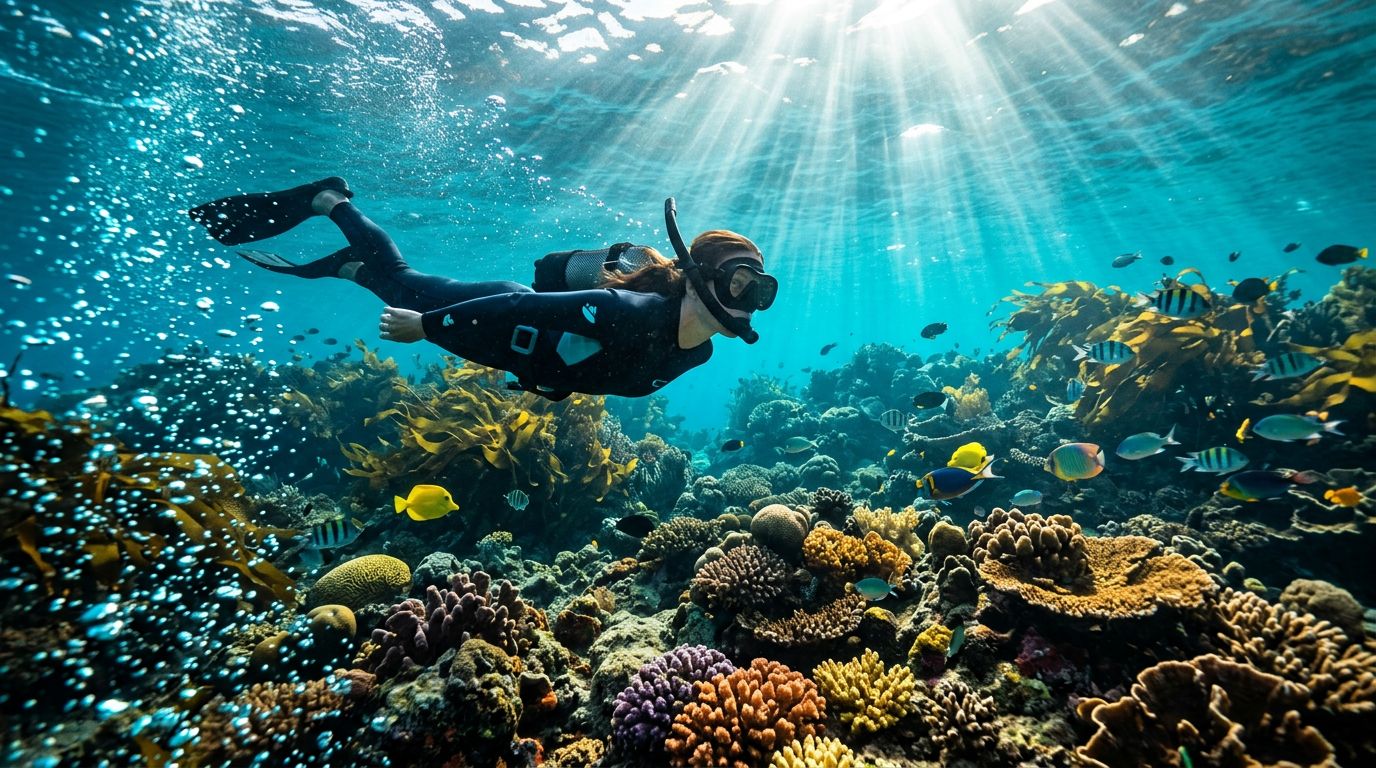
You can snorkel Kealakekua Bay with contact lenses, but your mask fit matters more than your lens brand. If you prepare well, you can spend the day looking at coral, fish, and blue water instead of worrying about stinging eyes.
That matters on the Kona coast, where a good snorkel day can turn fast from relaxing to annoying if your lenses dry out or your mask leaks. Kona Snorkel Trips runs small-group Big Island outings that fit this kind of planning well, especially when you want the water time to feel simple.
Can you snorkel Kealakekua Bay with contacts?
Yes, you can, and many people do. The real question is how you keep saltwater, spray, and mask leaks from turning a fun outing into an eye problem.
For general guidance, ContactsDirect has a practical rundown on snorkeling with contact lenses. The advice lines up with what matters in the ocean, a snug mask, fresh lenses, and a backup plan if one lens gets irritated.
A good mask seal protects your eyes better than any lens brand.
That point matters on a boat day because wind, spray, and changing light can dry your eyes before you even reach the reef. If you want to compare trip styles before you book, the Big Island snorkeling tours page shows the main options.
Which contact lens setup works best for your day?
The lens choice you make changes the whole trip. Some setups are easy and forgiving, while others ask you to be much more careful.
| Setup | Best for | Pros | Watch outs |
|---|---|---|---|
| Daily disposable contacts | Most travelers | Fresh pair, simple cleanup, easy replacement | Bring extras, do not reuse a contaminated pair |
| Two-week or monthly soft lenses | Regular wearers | Familiar fit and prescription | More cleanup, higher stress if one falls out |
| Prescription snorkel mask | Strong prescriptions or sensitive eyes | No lens handling in the water | Cost and fit matter a lot |
| Glasses on land, no contacts in water | Mild prescriptions or short water time | Zero lens anxiety in the ocean | Blurry on the boat and during the snorkel |
For most readers, daily disposables are the easiest choice. They give you a clean start, and if one lens gets compromised, you are not losing an expensive pair.
A prescription snorkel mask makes sense if you hate the idea of any contact lens care on the water. It also helps if your eyes dry out easily or you wear a prescription that is hard to replace while traveling. If you wear toric or multifocal lenses, ask your eye doctor whether a mask is worth the switch for the trip.
What to pack before you board the boat
The smartest prep takes less than five minutes, and it usually saves the day.
- Put your lenses in before you leave your room, not while the boat is rocking.
- Pack a spare pair, a lens case, saline or rewetting drops, and a clean cloth in a dry bag.
- Test your mask seal before you head out. A good seal should stay put when you inhale gently through your nose.
- Bring glasses for before and after the snorkel, because your eyes will appreciate a break.
- Tell the crew if one eye is more sensitive than the other, or if you have a history of dry eyes.
If you wear sunglasses on the ride to the site, use a strap or a hard case. Wind over the water dries lenses faster than most people expect, so a little protection helps.
That kind of prep matters if you snorkel Big Island trips often, because the water may be beautiful, but the boat ride still has wind, salt, and movement. Simple gear habits make the whole experience easier.
Why Kealakekua Bay feels different with contacts
Kealakekua Bay gives you a different kind of snorkeling day. The bay is protected, the water is often clear, and the entry usually happens by boat, which means your biggest challenge is often splash rather than surf.
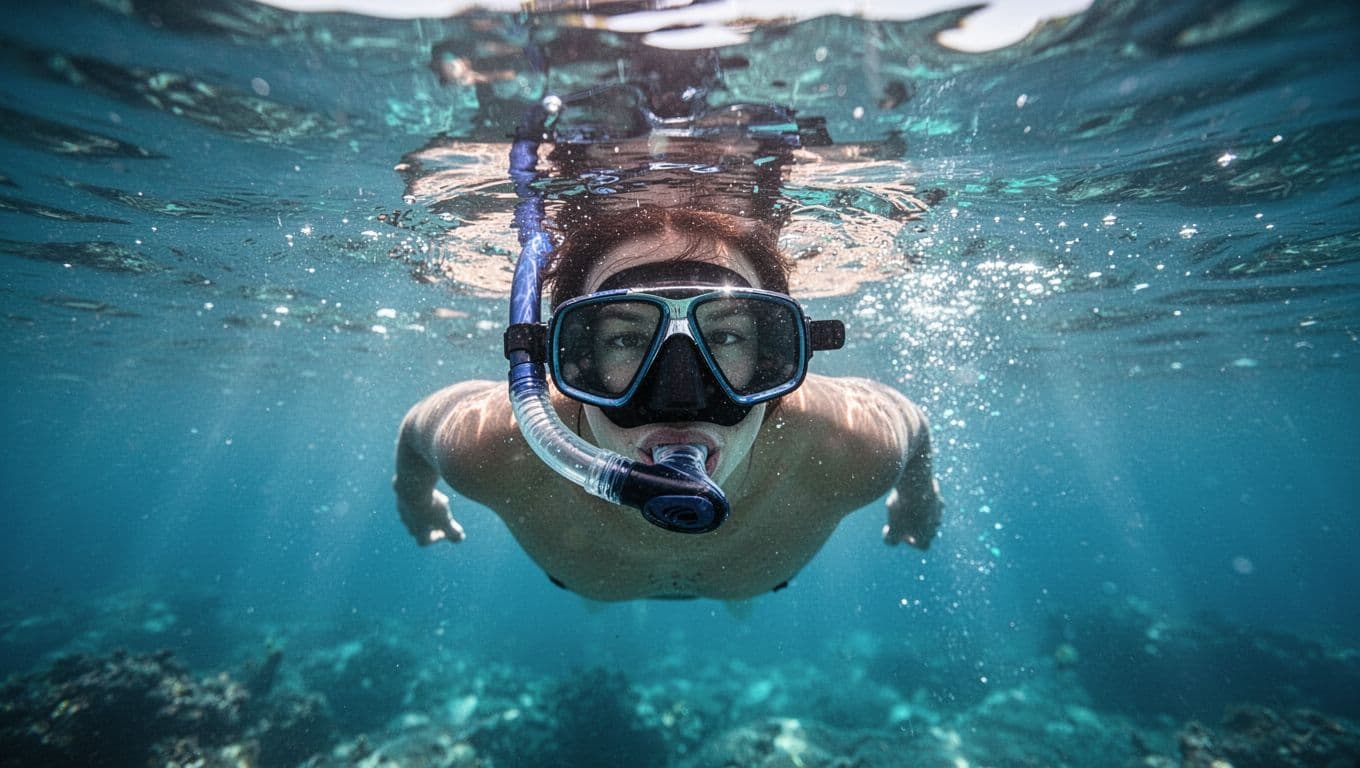
That is good news if you wear contacts, because you can settle into the water and look around instead of fighting waves. Still, a loose mask, a dry lens, or an awkward ladder climb can turn into a distraction if you do not plan ahead.
If snorkeling Big Island Hawaii is already on your list, Kealakekua Bay is one of the clearest places to take a careful approach. The bay rewards slow movement, calm breathing, and a mask that stays where it should.
The entrance and exit matter too. Boat ladders, sun glare, and wet hands are the little things that make contact lens wear feel harder than it should. Once you know that, you can keep the routine simple, rinse your mask, keep your lenses fresh, and avoid touching your eyes in the water.
How guided trips make contact lens care easier
Guided trips take a lot of guesswork out of the day. That matters when you do not want to stand on a dock trying to fix a mask while salt spray hits your face.
Kona Snorkel Trips keeps the day organized with small groups, lifeguard-certified guides, quality gear, and a Reef to Rays philosophy that puts safety and reef respect first. That setup helps when you want to focus on the water instead of on the logistics of getting into it. If you are comparing options, you can check availability before you lock in your Kona date.
If you want a bay-specific outing, Captain Cook Snorkeling Tours focuses on Kealakekua Bay and keeps the trip centered on that sanctuary. When your day is built around this site, you can check availability for the Captain Cook snorkel trip and stay focused on the part of the coast you actually want to see.
That kind of structure helps when your priority is the reef, not the gear bag.
What to do if water gets in your mask
If a little water sneaks into your mask, stop and clear it right away. Do not keep swimming and hope the sting goes away.
If your eye feels irritated, lift your head, clear the mask, and check the seal before you move on. Never rub your eye underwater. If you packed saline or rewetting drops, use those only after you are back on the boat or on shore.
If a lens feels scratched after the snorkel, replace it instead of pushing through the rest of the day.
That simple choice can save you from a headache later. It also keeps one bad moment from turning into a ruined afternoon.
If a lens comes out, do not chase it around the water. Move to a safe spot, let the crew know, and switch to your backup glasses until you can deal with it properly.
Common mistakes that make contact lens snorkeling harder
Most bad contact lens days come from a few small mistakes.
- You put in lenses that are already dry or overdue for replacement.
- You forget a clean case or a spare pair.
- You choose a mask that leaks around the nose bridge.
- You apply sunscreen right before sealing the mask, then get residue on the skirt.
- You rush into the water before checking how the mask feels.
A little patience solves most of those problems. Let sunscreen dry before you gear up, test the seal, and keep your hands off your eyes once you are on the boat.
If you switch between glasses and contacts during travel, store the glasses where they will not get crushed. A bent frame can ruin the easy part of the trip before you ever reach the bay.
Conclusion
Kealakekua Bay is a great place to snorkel with contacts when you prepare for the day instead of hoping for the best. A snug mask, fresh lenses, and a small backup kit cover most of what can go wrong.
That leaves you free to focus on the water, the coral, and the clean blue stretch of the bay. Once your eyes feel comfortable, snorkeling Big Island waters becomes a lot simpler, and the reef gets your full attention.