
Are Jellyfish Common on a Kona Manta Ray Night Snorkel?
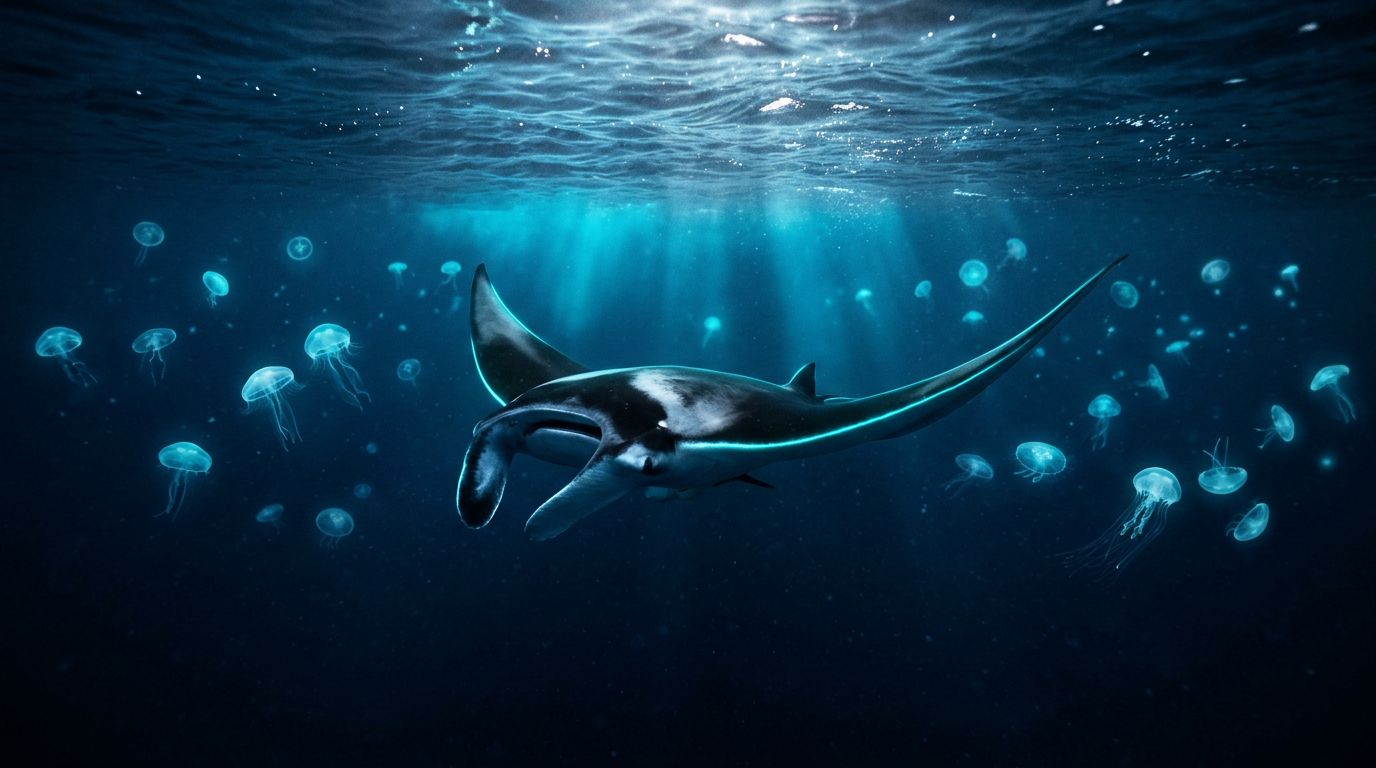
If you’re planning a Kona manta ray night snorkel, jellyfish are probably on your mind before the mantas are. The short answer is that jellyfish can show up, but they usually do not define the trip.
Kona Snorkel Trips keeps the experience focused on the ocean, not the hassle. With small groups, clear guidance, and lighted boards, you spend your energy watching the water, not worrying about every ripple. If you’re comparing options for Big Island snorkeling tours, it helps to know how jellyfish actually fit into the picture.
How common are jellyfish on a Kona manta ray night snorkel?
Most nights, jellyfish are more of a background possibility than a main event. You may see none at all. You may see a few drifters. On a rougher night, you may notice more marine life moving with the current.
That matters because people often picture a manta snorkel the same way they picture a beach swim. It isn’t the same. A guided manta trip is boat-based, timed, and watched closely. You are not wandering into random surf in the dark.
When you snorkel Big Island waters, local conditions change by coast, by month, and even by hour. Kona usually gives you clearer, calmer water than many other parts of the island, but ocean life still moves on its own schedule. Jellyfish are part of that schedule.
A simple way to think about it is this:
| Situation | What you may notice | What it usually means |
|---|---|---|
| Calm, clear night | Very little drifting debris or stinging life | Typical manta conditions |
| Light current shift | A few jellyfish or other small floaters | Stay close to the group and listen to the crew |
| More active water | Lower visibility, more movement near the surface | Guides may adjust timing or positioning |
The main point is simple. Jellyfish can be present, but they are rarely the feature you remember most. The mantas usually steal the show.
What the water feels like once you’re in
Night snorkeling changes the whole mood of the ocean. The water feels darker, quieter, and more focused around the lights. Your eyes lock onto the illuminated patch below you, and that small circle of brightness makes the world feel close and manageable.
That setup is one reason the manta experience feels different from shoreline snorkeling. If you are used to snorkeling Big Island reefs during the day, you already know how fast conditions can change near a beach. At night, the boat and lights create more structure. You know where you are, what you should watch, and who is beside you.
The first few minutes usually bring the biggest adjustment. After that, your breathing settles, your mask feels familiar, and the ocean starts to feel less mysterious. You notice plankton in the light. Then you notice movement below. Then the mantas appear, sliding through the glow like huge birds underwater.
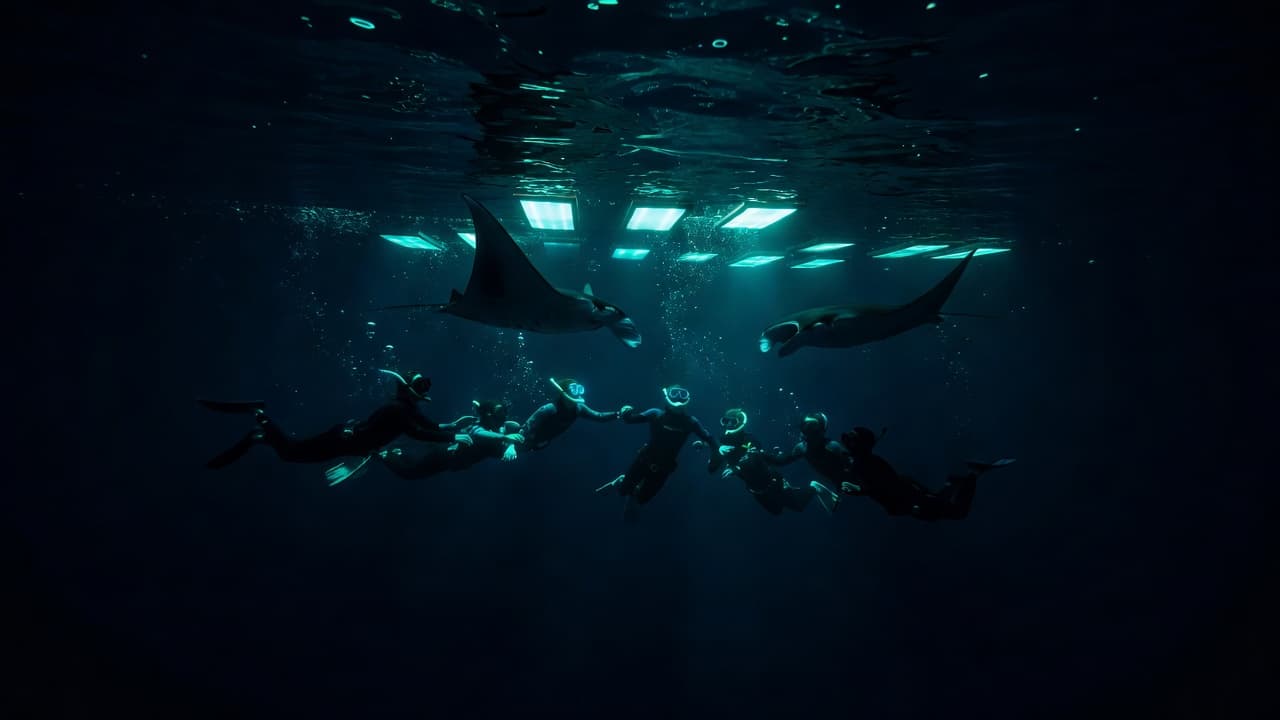
That visual focus matters when you are wondering about jellyfish. If one drifts through, you usually see it early. The light gives you time to stay calm and keep space. It is a very different feeling from getting surprised in shore break.
Why guides watch the water so closely
Jellyfish risk on a manta trip is not something you want to guess about on your own. Good crews watch current, clarity, and surface movement before and during the tour. That is one of the biggest reasons to choose a trained operator instead of improvising.
Kona Snorkel Trips keeps the trip small and personal, which helps the crew read the water and react fast if conditions shift. Their lifeguard-certified guides use state-of-the-art gear and custom-built lighted boards, so you get a setup that is built for night conditions, not adapted from a daytime beach routine.
If you want a sense of the operator before you book, the manta ray night snorkel in Kona page gives you the basics on the experience. You can also compare broader options on the Big Island snorkeling tours page if you want to see how the manta trip fits with the rest of the lineup.
If you want another manta-focused option to compare, Manta Ray Night Snorkel Hawaii is another local company that stays centered on the same kind of evening encounter.
That kind of setup matters because a careful crew can spot patterns fast. They can see whether the water is calm enough to stay in, whether floaters are increasing, and whether the group needs a small adjustment. You want that calm judgment when the ocean changes.
For more context on local marine life, the sea life blog category has useful notes on what shows up around Kona waters and why it shifts through the season.
What to do if a jellyfish drifts by
A jellyfish sighting does not mean panic. It means you slow down, keep your hands to yourself, and stay with the crew. Most problems happen when people rush or swat at the water.
If one passes near you, use these simple moves:
- Keep your face calm and stay horizontal in the water.
- Do not touch it, even if it looks harmless.
- Let the guide know if it comes close or if you feel a sting.
- Move slowly away instead of kicking hard.
- Follow the crew’s direction if they want to shift the group.
The safest move is the simplest one, stay with the group and let the guides handle the water.
If you do get brushed, tell the crew right away. A trained team can respond faster when you speak up early. That is one of the quiet advantages of a guided trip. You are not dealing with the moment alone.
The same advice applies if you spend part of your holiday snorkeling Big Island Hawaii reefs during the day. Calm movement, good gear, and quick communication solve a lot of small problems before they become big ones.
How to lower your risk before you book
You can make the trip easier on yourself before you even step on the boat. The first thing to watch is timing. Water movement changes with the moon, wind, and current, so a trip that looks perfect on paper can feel different in person.
If you are flexible, ask the crew how the water has been lately. That question tells you more than a generic weather app. It also shows you that the operator is paying attention to conditions instead of pushing every departure the same way.
Gear matters too. A well-fitting mask, secure fins, and the flotation setup the crew provides all help you stay relaxed. When you feel steady, you are less likely to make sudden moves that bring you into contact with anything drifting nearby. Reef-safe sunscreen helps, but it does not replace good fit and good guidance.
If you want a quieter setup, a private Kona boat charter can give you more space and a more flexible pace. That can be a smart choice for families, cautious swimmers, or couples who want a slower night on the water.
The broader pattern is easy to remember. When you snorkel Big Island waters, the best experience comes from matching the trip to the conditions, not forcing the conditions to fit the trip. That is true for mantas, reefs, and any other ocean outing on the Kona coast.
Should jellyfish change your decision?
For most people, the answer is no. Jellyfish are a real part of ocean life, but they are not the main story on a well-run manta trip. The mantas, the lights, and the guided setup matter far more.
If you are worried, pick a crew that explains the plan clearly and keeps the group small. That reduces stress before you even enter the water. It also makes it easier to relax once you do.
When you are ready to compare dates, you can check availability. If you already know you want the dedicated manta experience, Kona Snorkel Trips also offers the following booking option.
If you’re still weighing your choices, compare the manta night snorkel with daytime reef trips and private charters. That gives you a clearer feel for what kind of water time you want on your trip. In many cases, the manta outing is the one that stands out the most.
Conclusion
Jellyfish can appear on a Kona manta ray night snorkel, but they are usually a side note, not the main event. The experience is shaped more by the guide, the gear, the lights, and the water that night.
If you stay calm, follow the crew, and choose a well-run operator, you give yourself a strong chance at a smooth trip. The ocean always has a little unpredictability, yet that is part of what makes the night memorable.
For most travelers, jellyfish should not keep you off the boat. The better question is whether you want to be in the water when the mantas show up.